Plan and listen to Pisa Cathedral with Audiala.
Audio guide in your pocket, itinerary in your browser. Built for the way you actually visit.
Introduction
The Cattedrale di Santa Maria Assunta, also known as the Pisa Cathedral, stands as a magnificent testament to Romanesque architecture and the rich cultural heritage of Pisa, Italy. Nestled in the heart of the Piazza dei Miracoli, this architectural marvel was constructed in the 11th century and consecrated in 1118 by Pope Gelasius II (Britannica). The cathedral's construction reflects Pisa's maritime power and cultural connections, blending classical, Byzantine, and Islamic architectural elements (Italia). Over the centuries, the cathedral has undergone numerous renovations, including significant restorations after a devastating fire in 1595 (Pisaturismo). Today, the cathedral is not only a place of worship but also a repository of artistic treasures such as Giovanni Pisano's Gothic pulpit and Bonanno Pisano's bronze doors (Britannica). This guide aims to provide comprehensive information on the Pisa Cathedral's history, architectural significance, visitor information, and tips for an enriching visit.
History of Cattedrale di Santa Maria Assunta
Origins and Construction
The Pisa Cathedral's construction commenced in 1063 under architect Buscheto, blending classical, Byzantine, and Islamic architectural elements. Reflecting Pisa's maritime power and cultural connections, the cathedral was consecrated in 1118 by Pope Gelasius II (Britannica).
Architectural Evolution
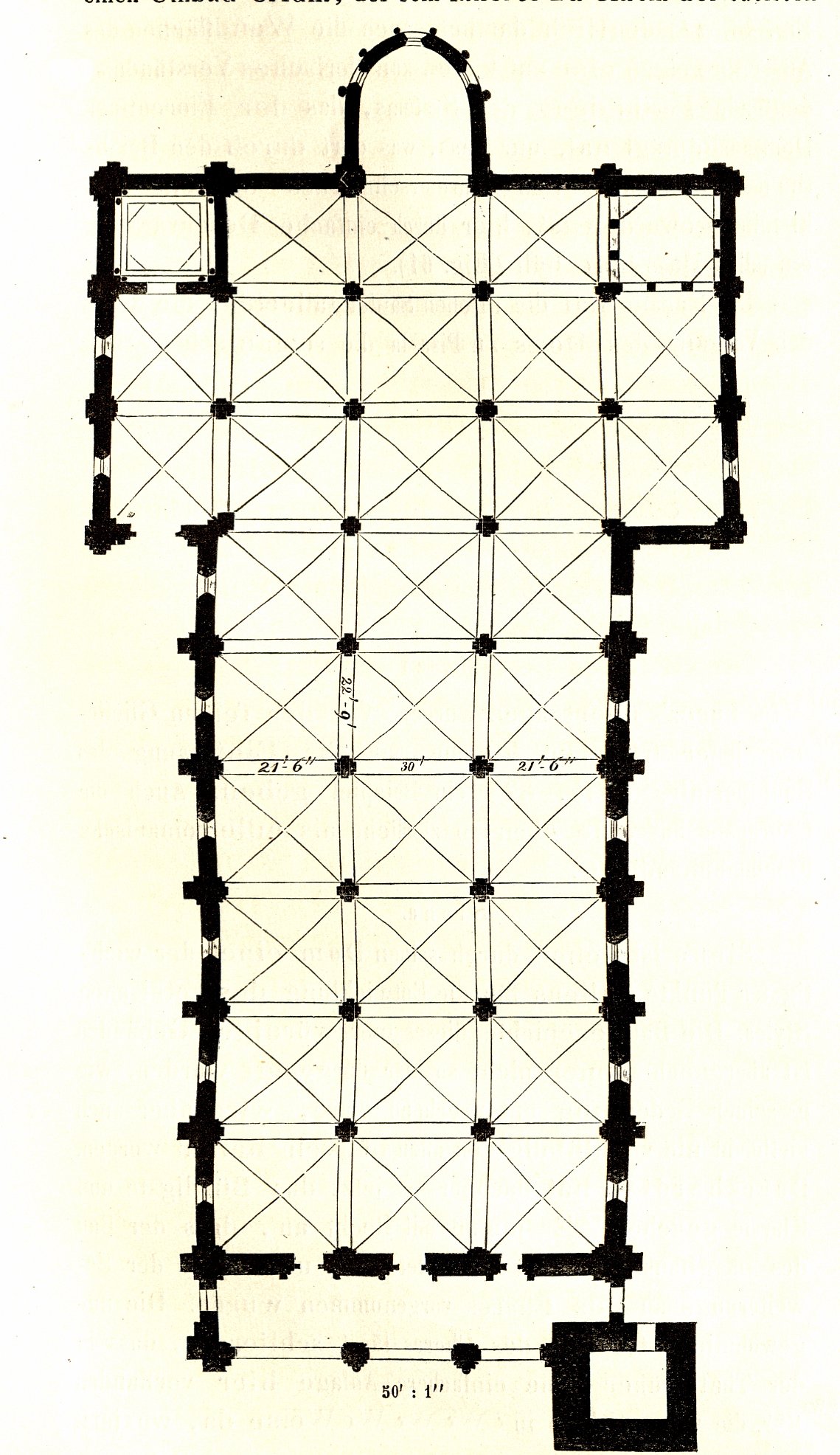
The cathedral's design initially featured a Latin cross plan with a large central nave, double aisles, and a transept. The exterior showcases multicolored marble, mosaics, and bronze objects, many from Pisa's naval victories (Italia).
The Fire of 1595
A fire in 1595 caused extensive damage to the interior, destroying many original artworks. Architect Giovanni de' Medici led the restoration, preserving the Romanesque style while adding Baroque elements (Pisaturismo).
Artistic Contributions
The cathedral houses numerous artistic treasures, including Giovanni Pisano's pulpit, created between 1302 and 1310. This Gothic masterpiece features intricate reliefs depicting New Testament scenes and was reassembled in 1926 (Britannica).
Visitor Information
Ticket Prices
Tickets for the Pisa Cathedral can be purchased online or at the site. Prices vary based on the inclusions, such as access to the Leaning Tower, Baptistery, and Camposanto. A combined ticket offers the best value.
Opening Hours
The cathedral is typically open daily, with hours varying by season. It's advisable to check the official website for the most up-to-date information before planning your visit (Opera della Primaziale Pisana).
Guided Tours
Guided tours are available and highly recommended for a deeper understanding of the cathedral's history and artistic significance. Tours can be booked in advance (Opera della Primaziale Pisana).
Travel Tips
Best Time to Visit
The best time to visit the Pisa Cathedral is during the early morning or late afternoon to avoid the peak tourist crowds. The weather is also more pleasant during spring and fall.
How to Get There
Pisa is accessible by train, car, or bus. The cathedral is located in Piazza dei Miracoli, a short walk from the Pisa Centrale train station. Public transportation and taxis are also convenient options.
Nearby Attractions
Leaning Tower of Pisa
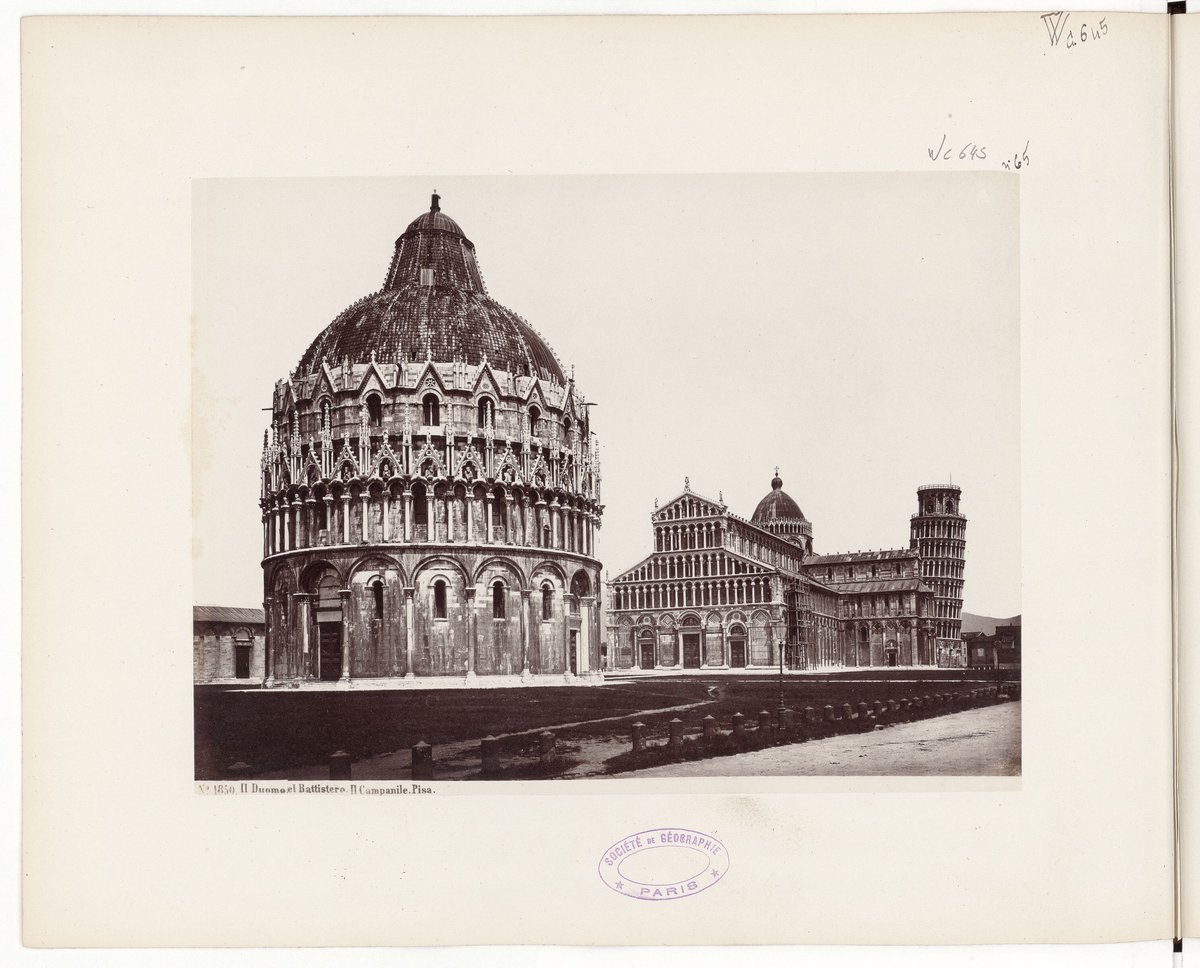
The famous Leaning Tower, the cathedral's bell tower, began construction in 1173 and is known for its unintended tilt. It remains an iconic symbol of Pisa (History).
Baptistery and Camposanto
Adjacent to the cathedral are the Baptistery, renowned for its acoustics and Nicola Pisano's pulpit, and the Camposanto Monumentale, a cemetery with Roman sarcophagi and beautiful frescoes (Italia).
Tickets & tours.
These are guided options from our partners — same price as booking direct.
Prices are indicative — final pricing and availability are confirmed at checkout. Audiala may earn a commission from bookings made through these links.
Listen to the full story in the app
The whole Pisa Cathedral,
told well.
Audio guides for 1,100+ cities across 96 countries. History, stories, and local insight — offline ready.

Verified, and shown.
Researched and written by the Audiala editorial team from historical records, architectural archives, and local expertise.
Researched from Wikidata, Wikipedia & official sources · fact-checked · How we make our guides →