Plan and listen to Palazzo Agostini with Audiala.
Audio guide in your pocket, itinerary in your browser. Built for the way you actually visit.
Introduction
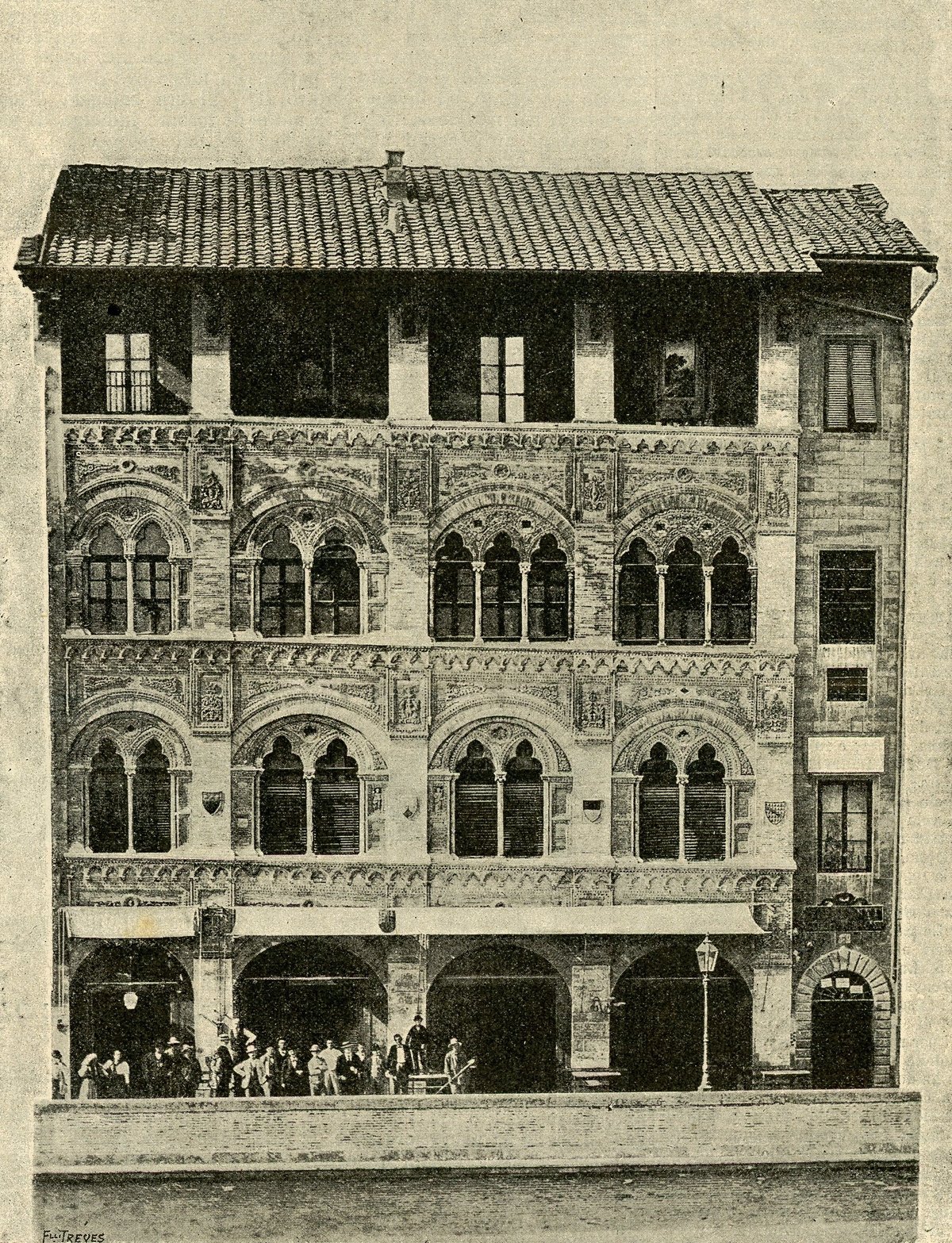
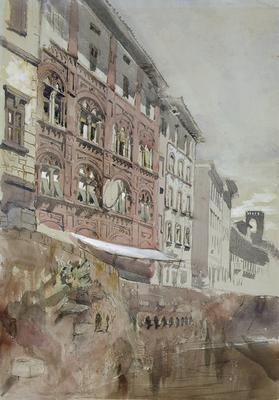
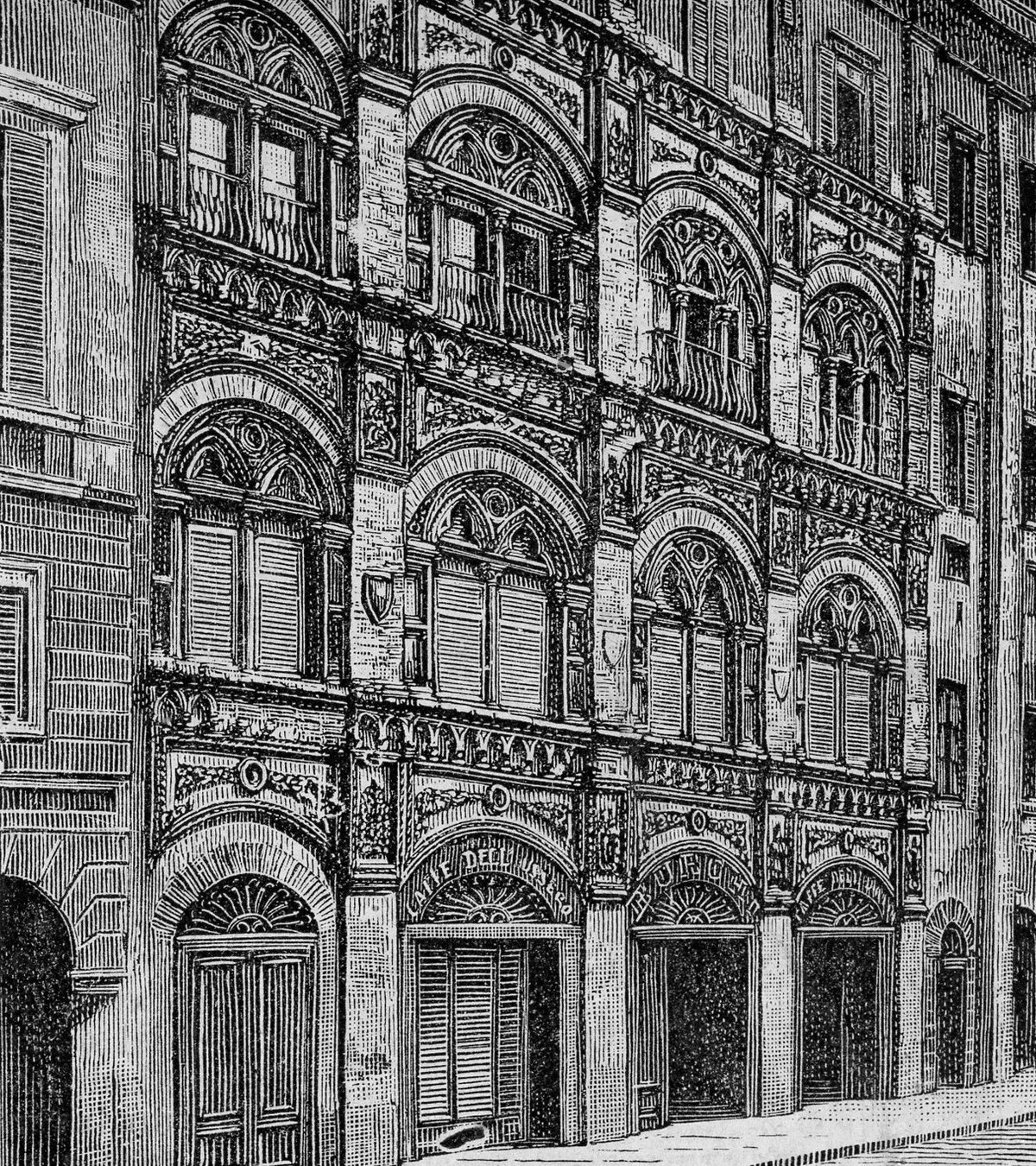
Palazzo Agostini, also known as Palazzo dell'Ussero or the Red Palace, stands as a testament to the architectural and cultural heritage of Pisa, Italy. Constructed in the 14th century, this historic building is one of Pisa's oldest and most significant structures, nestled along the picturesque Arno River (Pisa Tour). The palace's unique blend of Gothic and Renaissance architectural elements, particularly its striking red brick façade, reflects the wealth and status of the Agostini family, prominent merchants and bankers of the time (In Italy). Over the centuries, Palazzo Agostini has evolved from a private residence into a cultural hub, housing the historic Caffè dell'Ussero, a meeting place for intellectuals and revolutionaries since the 18th century (Historic Cafes Route). Today, it continues to serve as a vibrant venue for social gatherings and cultural events, attracting visitors from around the world who are eager to explore its rich history and architectural beauty. This guide provides an in-depth look at Palazzo Agostini's history, cultural significance, visitor information, and practical travel tips, ensuring you have a memorable and enriching experience in Pisa.

History of Palazzo Agostini (dell'Ussero or Red), Pisa, Italy
Origins and Construction
Palazzo Agostini, also known as Palazzo dell'Ussero or the Red Palace, is a historic building located in Pisa, Italy. The construction of the palace dates back to the 14th century, making it one of the oldest and most significant structures in the city. The palace is situated along the Arno River, providing a picturesque view that has been admired for centuries.
Architectural Style
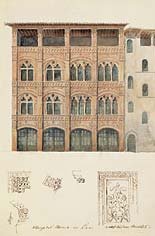
The architectural style of Palazzo Agostini is a blend of Gothic and Renaissance elements. The façade of the building is particularly notable for its red brickwork, which gives the palace its nickname, 'Red Palace.' The intricate Gothic windows and the elegant arches are characteristic features of the period's architecture. The building's design reflects the wealth and status of the Agostini family, who were prominent merchants and bankers in Pisa.
Historical Significance
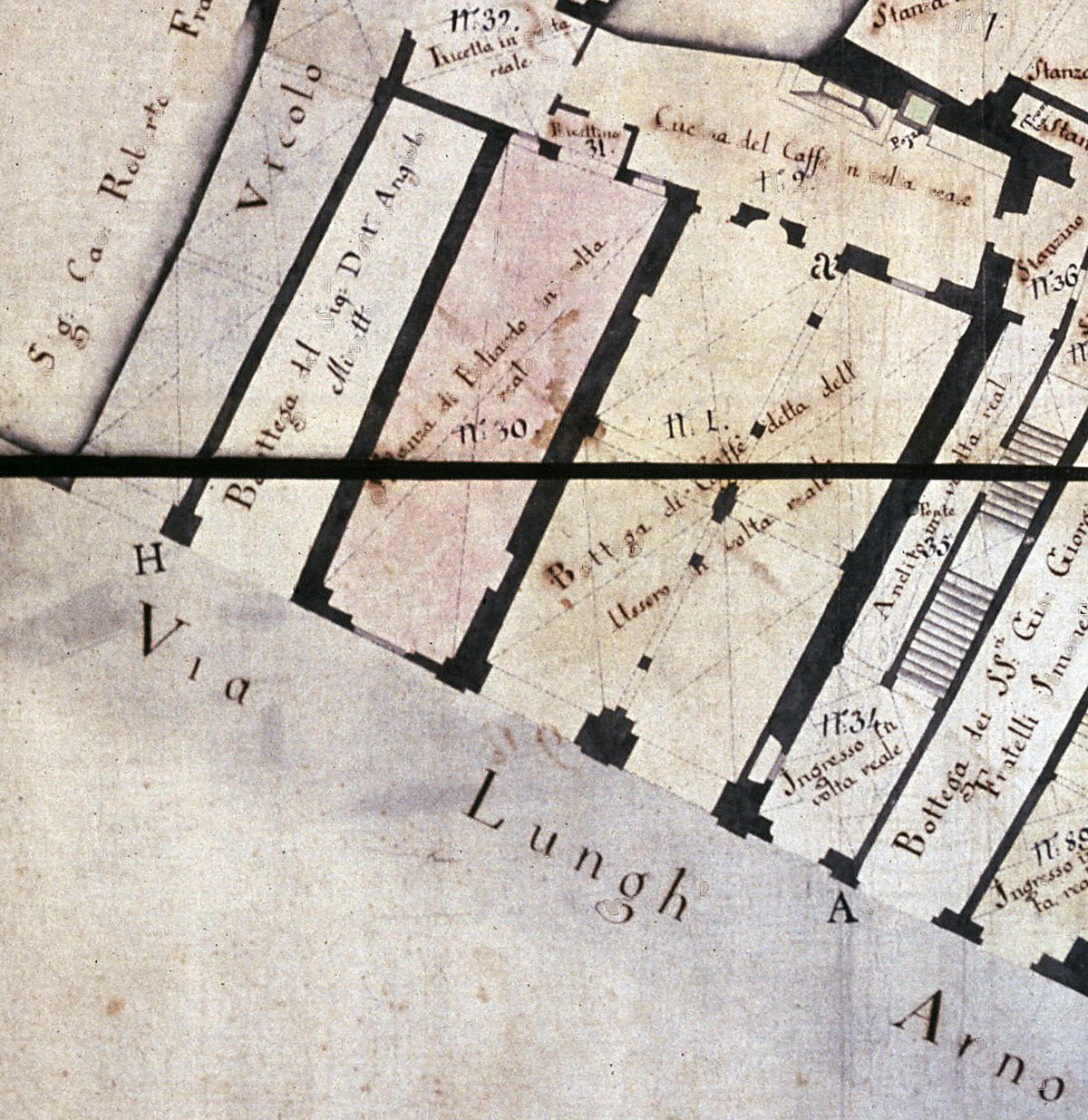
Palazzo Agostini has played a crucial role in the social and cultural life of Pisa. In the 18th century, the palace became the site of the Caffè dell'Ussero, one of the oldest and most famous coffeehouses in Italy. Established in 1775, Caffè dell'Ussero was a hub for intellectuals, artists, and politicians. It was here that many significant discussions and debates took place, contributing to the cultural and political landscape of the time.
Notable Events and Figures
Throughout its history, Palazzo Agostini has been associated with several notable events and figures. The coffeehouse hosted meetings of the Carbonari, a secret revolutionary society that played a key role in the Italian unification movement. Prominent figures such as Giuseppe Mazzini and Carlo Cattaneo were known to frequent the Caffè dell'Ussero, making it a center of revolutionary activity.
Preservation and Restoration
Over the centuries, Palazzo Agostini has undergone several restoration efforts to preserve its historical and architectural integrity. The most recent restoration took place in the early 21st century, focusing on maintaining the original Gothic and Renaissance elements while ensuring the building's structural stability. These efforts have been crucial in preserving the palace as a significant cultural and historical landmark in Pisa.
Current Use and Accessibility
Today, Palazzo Agostini continues to serve as a cultural and social hub in Pisa. The Caffè dell'Ussero still operates within the palace, offering visitors a chance to experience a piece of history while enjoying a cup of coffee. The building also houses various offices and event spaces, making it a versatile venue for cultural and social events.
Visitor Tips
Palazzo Agostini Visiting Hours
The palace and the Caffè dell'Ussero are generally open to the public during regular business hours. However, it is advisable to check the official website or contact the venue for the most up-to-date information on opening hours and any special events.
Tickets
While entry to the palace and the café is typically free, some special events or guided tours may require a ticket. Check the official website for detailed information on ticket prices and availability.
Guided Tours
To fully appreciate the historical and architectural significance of Palazzo Agostini, consider taking a guided tour. These tours often provide in-depth information and insights that are not available through self-guided visits.
Photography
Photography is usually allowed within the palace, but it is always best to confirm any restrictions upon arrival. The Gothic windows and the red brick façade make for stunning photographs.
Accessibility
The palace is located in the heart of Pisa, making it easily accessible by foot or public transportation. There are also several parking options nearby for those traveling by car.
Nearby Attractions
Leaning Tower of Pisa
One of the most iconic landmarks in Italy, the Leaning Tower of Pisa is just a short walk from Palazzo Agostini. The tower, along with the adjacent Pisa Cathedral and Baptistery, is a must-see for any visitor to the city.
Piazza dei Miracoli
Also known as the Square of Miracles, this UNESCO World Heritage site is home to the Leaning Tower, the Cathedral, the Baptistery, and the Camposanto Monumentale. The square is a stunning example of medieval architecture and offers plenty of opportunities for exploration and photography.
Museo dell'Opera del Duomo
Located near the Piazza dei Miracoli, this museum houses a collection of art and artifacts related to the cathedral and the Leaning Tower. It provides a deeper understanding of the history and significance of these iconic structures.
FAQ Section
What are Palazzo Agostini's visiting hours? Palazzo Agostini and the Caffè dell'Ussero are generally open during regular business hours. For the most accurate information, check the official website or contact the venue directly.
How much are tickets to Palazzo Agostini? Entry to the palace and the café is typically free, but some special events or guided tours may require a ticket. Visit the official website for detailed ticket information.
Is Palazzo Agostini accessible to people with disabilities? Yes, the palace is located in the heart of Pisa and is easily accessible by foot or public transportation. There are also several parking options nearby.
Discover More
For more travel guides and tips, download the Audiala mobile app, check out our other related posts, and follow us on social media for the latest updates on historical sites in Italy.
Listen to the full story in the app
The whole Palazzo Agostini,
told well.
Listen to sourced travel stories with local history and practical context — ready offline.
Verified, and shown.
Researched and written by the Audiala editorial team from historical records, architectural archives, and local expertise.
Built from cited sources · see the method · How we make our guides →