Plan and listen to Lucca Cathedral with Audiala.
Audio guide in your pocket, itinerary in your browser. Built for the way you actually visit.
Introduction
The Cattedrale di San Martino, also known as Lucca Cathedral, is a monumental and historically rich site located in Lucca, Tuscany, Italy. With its origins dating back to the 6th century, the cathedral is an architectural marvel that has undergone several transformations, encompassing Romanesque, Gothic, Renaissance, and Baroque styles. Its intricate designs, extensive art collections, and significant historical events make it a must-visit for anyone interested in Italy's rich cultural and religious heritage. This comprehensive guide aims to provide you with detailed information about the cathedral's history, visitor information, travel tips, and nearby attractions, ensuring you make the most out of your visit.
The Cattedrale di San Martino was initially founded by Saint Frediano, an Irish bishop who became the bishop of Lucca. The original structure was modest, dedicated to Saint Martin of Tours, a popular saint in medieval Europe known for his piety and miracles (Official Website). The cathedral has been a focal point for religious ceremonies and has witnessed key historical events such as the signing of the 'Peace of Lucca' in 1196 and serving as a refuge during the siege of Lucca by the Florentine army in 1430.
Over the centuries, the cathedral has seen contributions from renowned artists and architects, making it a treasure trove of artistic masterpieces. Works by Jacopo della Quercia, Nicola Pisano, and Tintoretto are housed within its walls, alongside the revered 'Volto Santo di Lucca,' a wooden crucifix believed to have been carved by Nicodemus, a contemporary of Jesus. Recent restoration projects have ensured that these invaluable pieces remain preserved for future generations to admire.
Whether you're a history enthusiast, an art lover, or a spiritual seeker, the Cattedrale di San Martino offers something for everyone. From its architectural grandeur to its rich tapestry of historical and cultural significance, this guide will equip you with all the necessary information to explore this magnificent cathedral fully.

History of Cattedrale di San Martino
Early Beginnings and Foundation
The Cattedrale di San Martino was initially founded by Saint Frediano, an Irish bishop who became the bishop of Lucca. The original structure was a modest church dedicated to Saint Martin of Tours, a popular saint in medieval Europe known for his piety and miracles.
Romanesque Reconstruction
The cathedral underwent significant reconstruction in the 11th century under the direction of Bishop Anselmo da Baggio, who later became Pope Alexander II. This period marked the transition of the cathedral into a Romanesque architectural style, characterized by its robust and solid structure, semi-circular arches, and large towers. The reconstruction was completed in 1070, and the cathedral was consecrated in the presence of Pope Alexander II.
Gothic Transformation
In the 14th century, the cathedral underwent another significant transformation, adopting Gothic architectural elements. The most notable addition from this period is the stunning Gothic portico, adorned with sculptures depicting scenes from the life of Saint Martin, created by Nicola Pisano and his workshop. This period also saw the construction of the bell tower, which stands at 69 meters tall and offers panoramic views of Lucca.
Artistic Contributions
The Cattedrale di San Martino is home to several important works of art. One of the most significant pieces is the "Volto Santo di Lucca" (Holy Face of Lucca), a wooden crucifix believed to have been carved by Nicodemus, a contemporary of Jesus. Another notable artwork is the "Last Supper" by Tintoretto, located in the sacristy, a masterpiece of Venetian Renaissance art.
Renaissance and Baroque Additions
During the Renaissance and Baroque periods, the cathedral saw further enhancements. The interior was richly decorated with frescoes, stuccoes, and marble works. The Chapel of the Blessed Sacrament, designed by Matteo Civitali, is a prime example of Renaissance art and architecture within the cathedral.
Modern Restorations
In the 19th and 20th centuries, the cathedral underwent several restoration projects aimed at preserving its historical and artistic heritage. The most recent restoration project, completed in 2019, focused on the preservation of the "Volto Santo" and the Gothic portico.
Historical Significance
The Cattedrale di San Martino holds immense historical significance for its architectural and artistic contributions and its role in the religious and cultural life of Lucca. The cathedral has been a center of worship and pilgrimage for centuries.
Key Historical Events
Several key historical events are associated with the Cattedrale di San Martino. In 1196, the cathedral was the site of the signing of the "Peace of Lucca," a treaty that ended a long-standing conflict between the city of Lucca and Pisa. In 1430, during the siege of Lucca by the Florentine army, the citizens sought refuge within the cathedral, making it a symbol of resistance and resilience.
Architectural Evolution
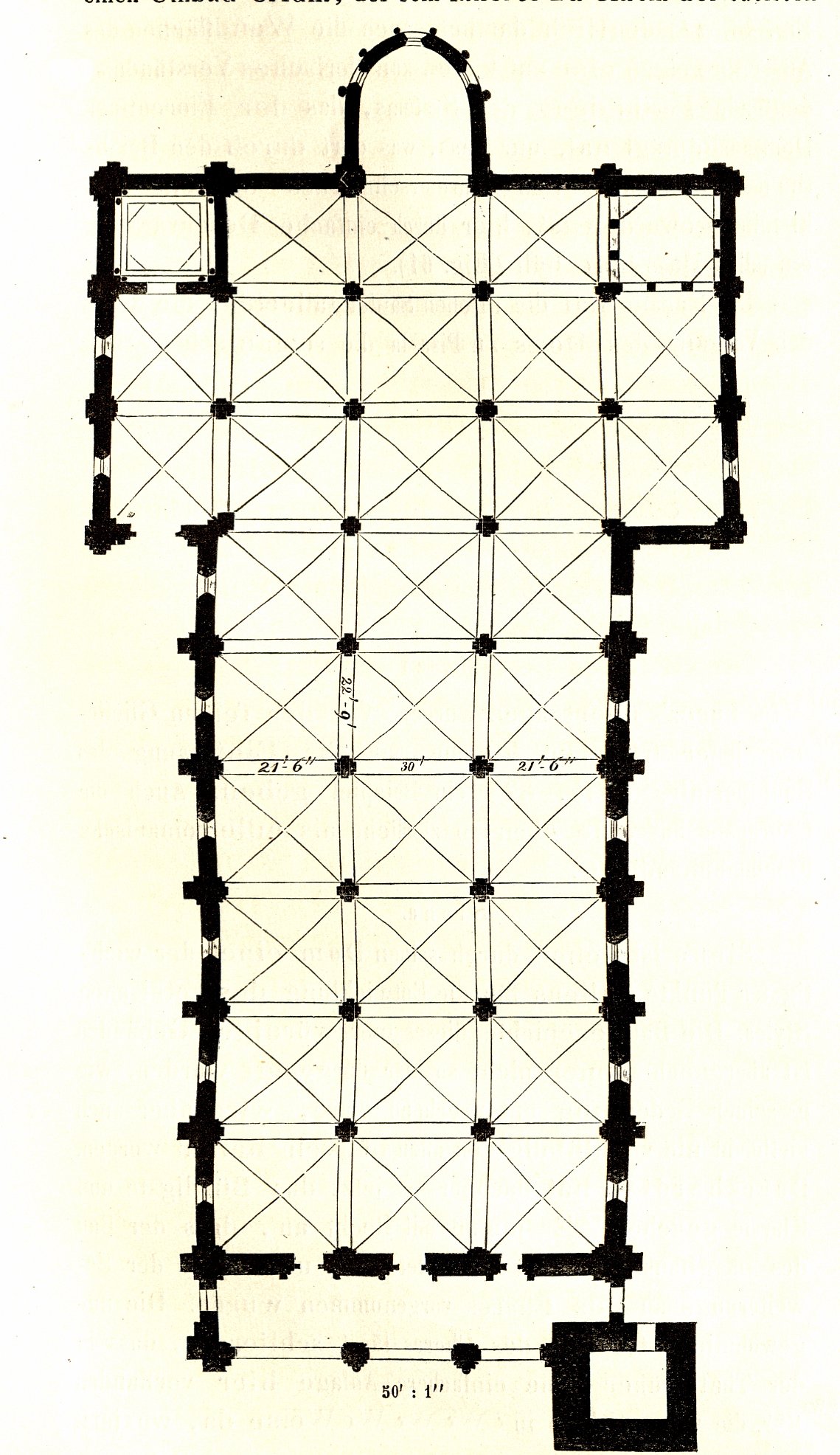
The architectural evolution of the Cattedrale di San Martino is a journey through time, from its early Christian origins to its Romanesque, Gothic, Renaissance, and Baroque transformations. Each period has left its mark, contributing to the cathedral's unique character.
Preservation Efforts
Preservation efforts have been crucial in maintaining the cathedral's historical and artistic integrity. Various organizations and institutions have collaborated to ensure the conservation of this important cultural landmark.
Visitor Information
Tickets and Visiting Hours
The Cattedrale di San Martino is open to visitors daily. Tickets can be purchased at the entrance or online through the official website. The visiting hours are as follows:
- Monday to Saturday: 10:00 AM - 6:00 PM
- Sunday: 12:00 PM - 6:00 PM
Accessibility
The cathedral is accessible to visitors with disabilities. Ramps and elevators are available to facilitate access to different sections of the cathedral.
Travel Tips
- Best Time to Visit: The best time to visit is during the spring and autumn months when the weather is mild, and the crowds are smaller.
- Guided Tours: Consider taking a guided tour to fully appreciate the history and art of the cathedral.
- Dress Code: As a place of worship, modest attire is required. Ensure your shoulders and knees are covered.
Nearby Attractions
- Piazza dell'Anfiteatro: A historic square built on the ruins of a Roman amphitheater (Visit Tuscany).
- Torre Guinigi: A medieval tower known for its rooftop garden with oak trees (Visit Tuscany).
- Palazzo Pfanner: A historic palace with beautiful gardens and baroque architecture.
FAQ
Q: Is photography allowed inside the cathedral? A: Yes, photography is allowed, but flash and tripods are prohibited.
Q: Are there any special events held at the cathedral? A: Yes, the cathedral hosts various religious and cultural events throughout the year. Check the official website for the event calendar.
Tickets & tours.
These are guided options from our partners — same price as booking direct.
Prices are indicative — final pricing and availability are confirmed at checkout. Audiala may earn a commission from bookings made through these links.
Listen to the full story in the app
The whole Lucca Cathedral,
told well.
Audio guides for 1,100+ cities across 96 countries. History, stories, and local insight — offline ready.
Verified, and shown.
Researched and written by the Audiala editorial team from historical records, architectural archives, and local expertise.
Piazza dell'Anfiteatro
Torre Guinigi
Researched from Wikidata, Wikipedia & official sources · fact-checked · How we make our guides →