Introduction
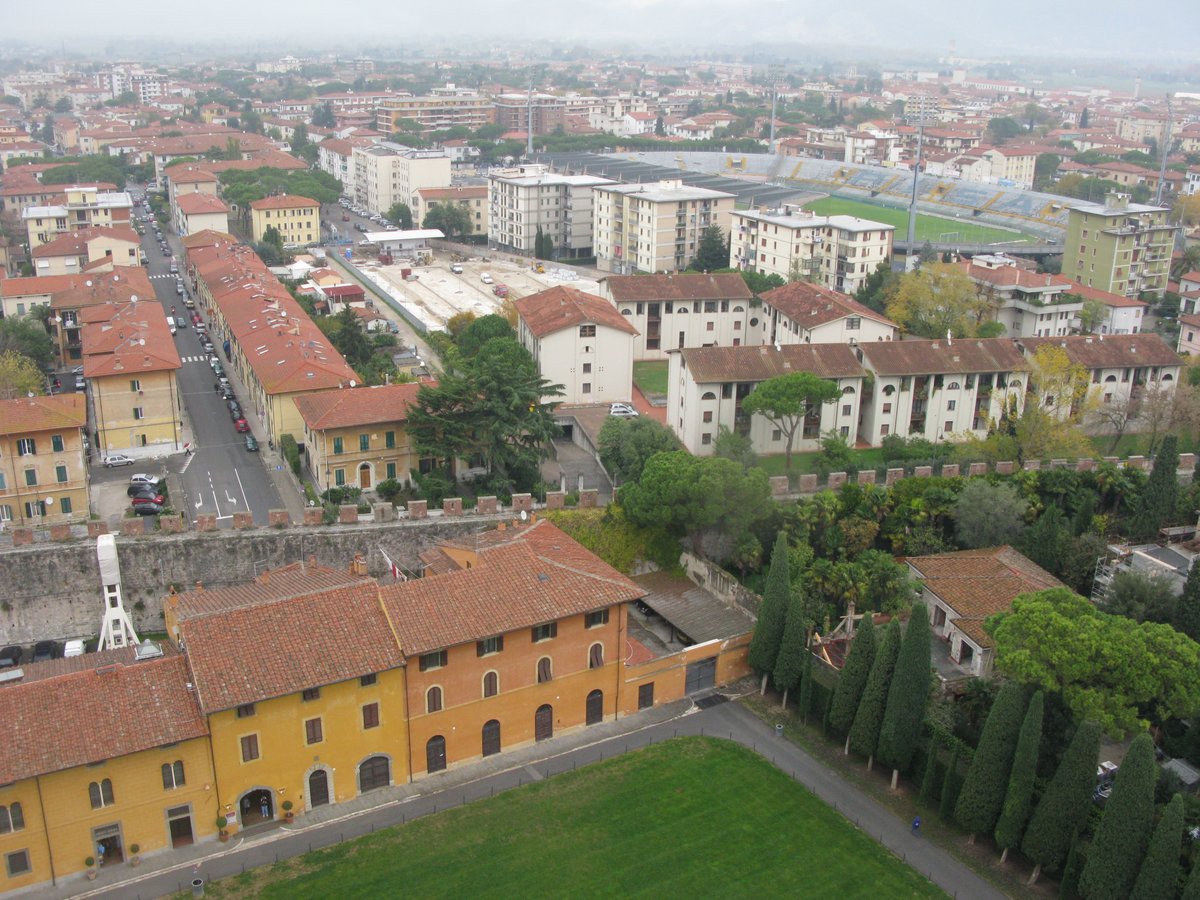
The City Walls of Pisa, or "Mura di Pisa," stand as one of Italy’s most remarkable and best-preserved medieval fortifications. Built predominantly between the 12th and 14th centuries, these walls once protected Pisa during its golden age as a powerful maritime republic, and today they offer an immersive journey into the city’s rich historical and cultural heritage. Stretching approximately 3 kilometers in their accessible sections, the walls provide visitors with a unique opportunity to walk along elevated battlements, observe medieval military engineering, and enjoy panoramic views of Pisa’s iconic landmarks, including the Leaning Tower, Cathedral, and Baptistery (The Intrepid Guide; muradipisa.it).
Photo Gallery
Explore City Walls of Pisa in Pictures

Iconic Leaning Tower of Pisa located in Pisa, Italy, featuring its distinct tilt and historic architecture against a bright blue sky.

Building American Red Cross villages in Italy with concrete structures being constructed at Pisa by the American Red Cross.

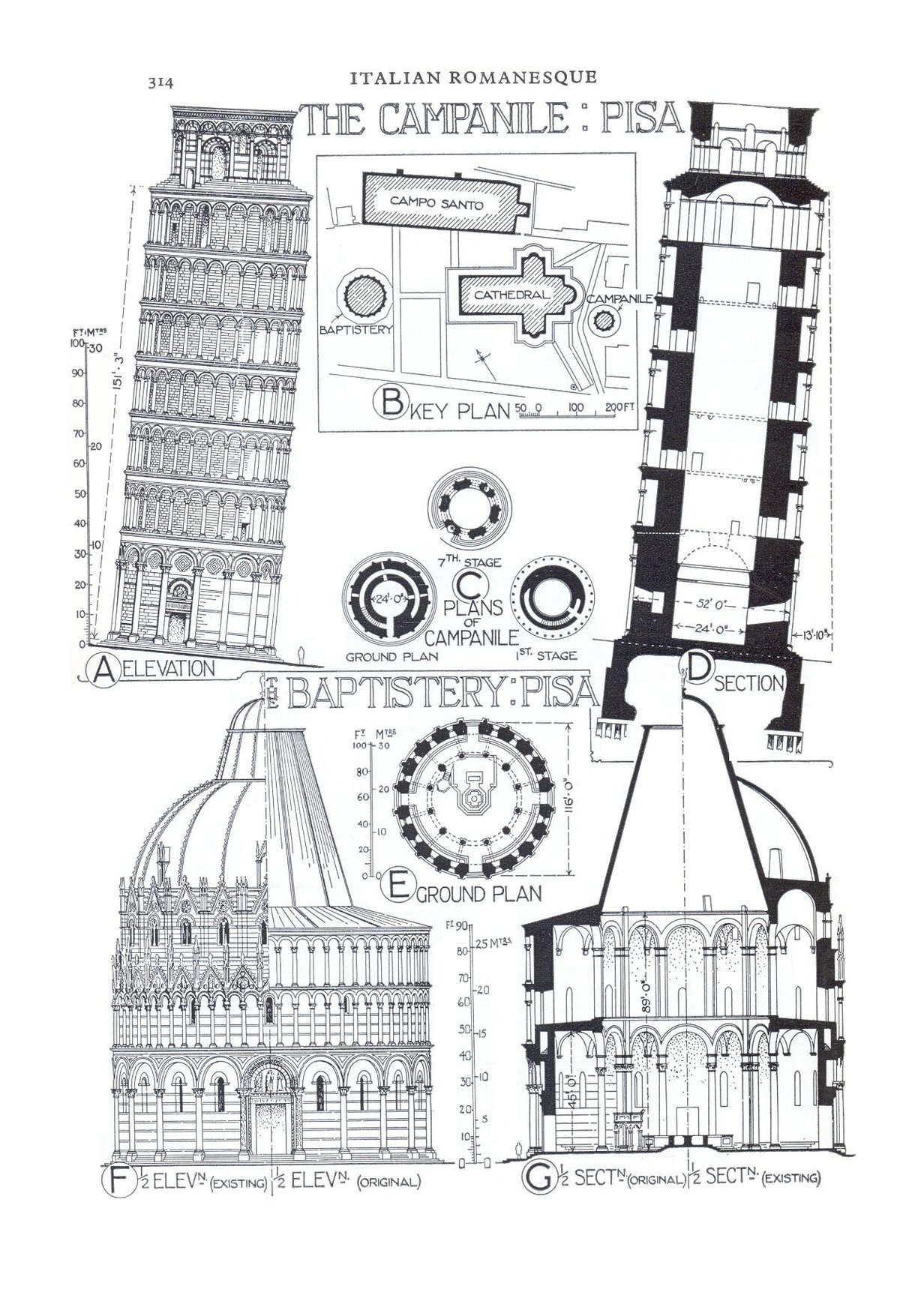
19th century panoramic albumen print photograph of Piazza del Duomo in Pisa showing the Campanile (Leaning Tower), cathedral exterior, baptistery, and city walls captured by Giacomo Brogi between 1860 and 1881.

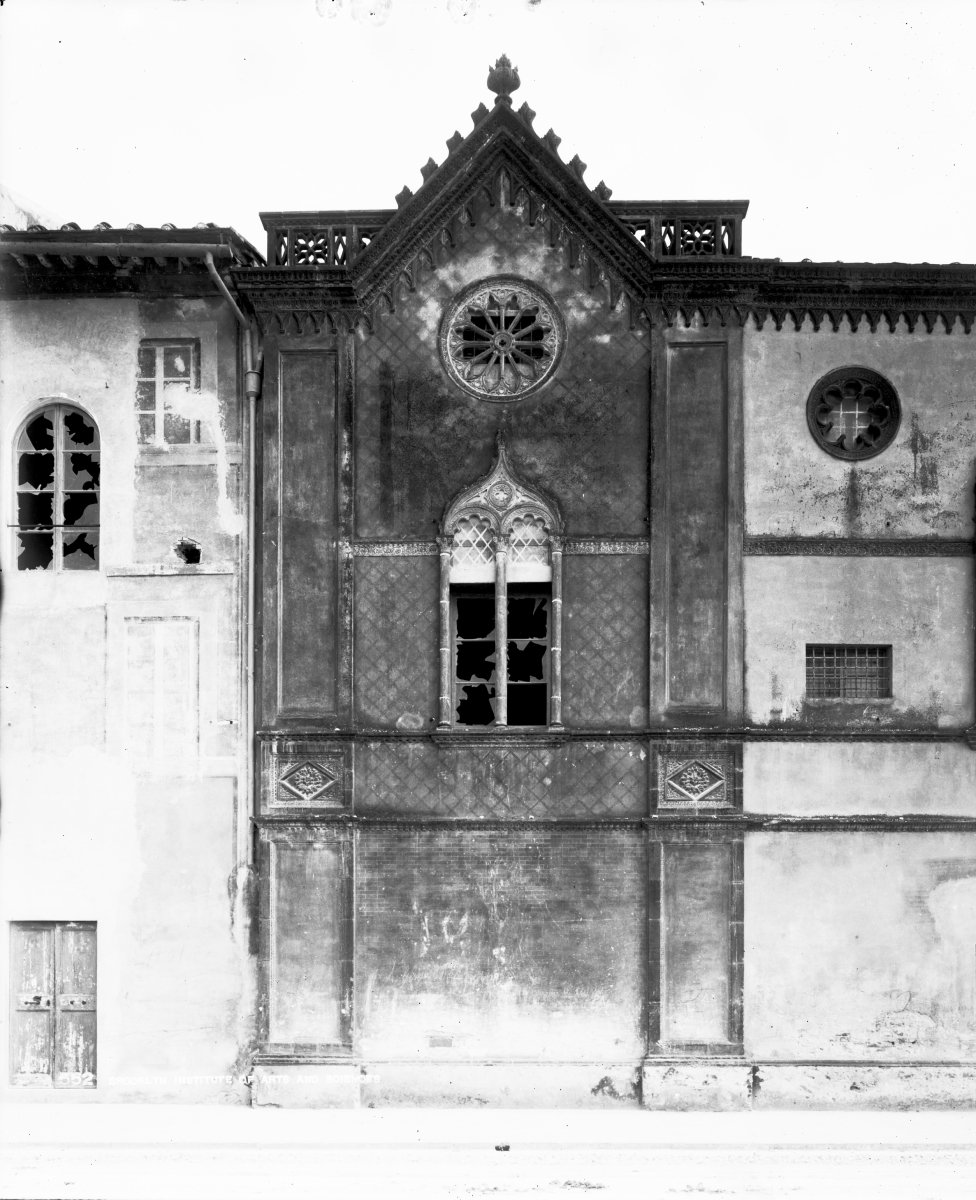
Historic image of a Pallone game played in the old Sphaeristerium of Pisa, a traditional sports venue in Tuscany, Italy, dated 1930.
History and Construction
Origins and Medieval Expansion
The construction of the City Walls began in 1154, when Pisa was a dominant maritime republic, seeking protection against rival city-states and pirate raids along the Arno River (The Intrepid Guide; The Travel Folk). The earliest sections, especially near Piazza dei Miracoli, were built with gray limestone known as San Giuliano marble. Later expansions incorporated pink-grey stone from Asciano and yellowish calcarenite from Livorno ("Panchina") (nature.com).
Originally, the walls enclosed the medieval city center and key civic and religious buildings. The full circuit once stretched about 7 kilometers, but today, around 3 kilometers remain accessible to visitors (Authentic Tuscany).
Architectural Features and Defense Mechanisms
Structural Design
Standing approximately 11 meters high and 2 meters thick, the City Walls of Pisa are an outstanding example of medieval fortification. Their construction features two outer layers of regular cut stone with an irregular masonry core, providing strength and resilience (nature.com).
Defensive Innovations
- Battlements and Crenellations: The walls are topped with alternating merlons and crenels, providing defenders with cover and vantage points. Decorative carvings on the merlons highlight local craftsmanship (forzapisa.it).
- Towers and Gatehouses: Key towers—such as Torre Santa Maria, Porta Nuova, Porta a Lucca, and Torre Guelfa—served as defensive outposts and access points. Arrow slits and fortified gatehouses with portcullises provided extra layers of defense (forzapisa.it).
- Machicolations: Protruding parapets with openings allowed defenders to drop objects on attackers at the base of the walls, often adorned with decorative motifs (forzapisa.it).
- Moats and Drawbridges: Historical records indicate the presence of moats and drawbridges at strategic sections, enhancing the city’s defenses (forzapisa.it).
Cultural and Civic Significance
The walls served not only as physical protection but also as a symbol of Pisa’s civic pride, independence, and prosperity during its maritime republic era (Forza Pisa). They demarcated city boundaries, influenced urban development, and fostered a vibrant center for trade, culture, and the arts. The walls protected treasures such as the Cathedral and Baptistery, enabling artistic and scholarly flourishing (Dolcevita Tour).
The fortifications also provided a sense of security and community, supporting traditions, local festivals, and cultural exchange (Italia Mia).
Preservation, Restoration, and Future Prospects
Ongoing Conservation
Modern preservation efforts focus on maintaining the walls’ structural integrity and historical authenticity. Preventive conservation, targeted repairs, and the use of compatible materials ensure longevity (Heritage Science). Digital technologies, such as HBIM and 3D photogrammetry, aid in monitoring and restoration planning (ARPI UniPi).
Community Involvement and Education
Educational programs, interpretive signage, and guided tours help visitors and locals appreciate and protect this heritage. Community engagement is key to ongoing conservation (Italia.it).
Challenges Ahead
The scale and complexity of the walls, environmental risks, and balancing tourism with preservation require ongoing attention and innovative approaches, including virtual reality experiences and adaptive visitor management (Heritage Science).
Visiting Hours and Ticket Information
- Opening Hours: Generally, 9:00 AM to 6:00 PM daily, with extended hours in summer and shorter hours in winter. Last admission is 45 minutes before closing. Always check muradipisa.it for updates.
- Tickets: Standard adult tickets cost €5–€7, with discounts for students, seniors, and children. Tickets can be purchased online (recommended in peak seasons) or at main entrances.
- Access Points: Main entrances include Torre Santa Maria (Piazza Duomo), Piazza delle Gondole, Torre Piezometrica, and Torre di Legno (to-tuscany.com; muradipisa.it).
Accessibility and Visitor Tips
- Accessibility: The walkway is elevated and has stairs; however, Torre Santa Maria offers elevator access for wheelchair users (lonelyplanet.com).
- Safety: The 11-meter-high walkway has safety barriers. Those with mobility challenges or fear of heights should plan accordingly.
- Best Visiting Times: Early mornings or late afternoons are ideal to avoid crowds and intense heat, especially between June and September (The Adventure Lion).
- Duration: Allow 1–2 hours to complete the walk, with time for photos and rest.
- Facilities: Restrooms, refreshments, and interpretive panels are available at main access points. Guided tours are available and highly recommended for historical context.
- Photography: The walls offer some of the best vantage points for capturing Pisa’s skyline and landmarks.
Notable Nearby Attractions
- Piazza dei Miracoli: Home to the Leaning Tower, Cathedral, Baptistery, and Camposanto Monumentale.
- Botanical Garden of Pisa: Europe’s oldest university botanical garden.
- Museo dell’Opera del Duomo: Houses treasures from the Cathedral.
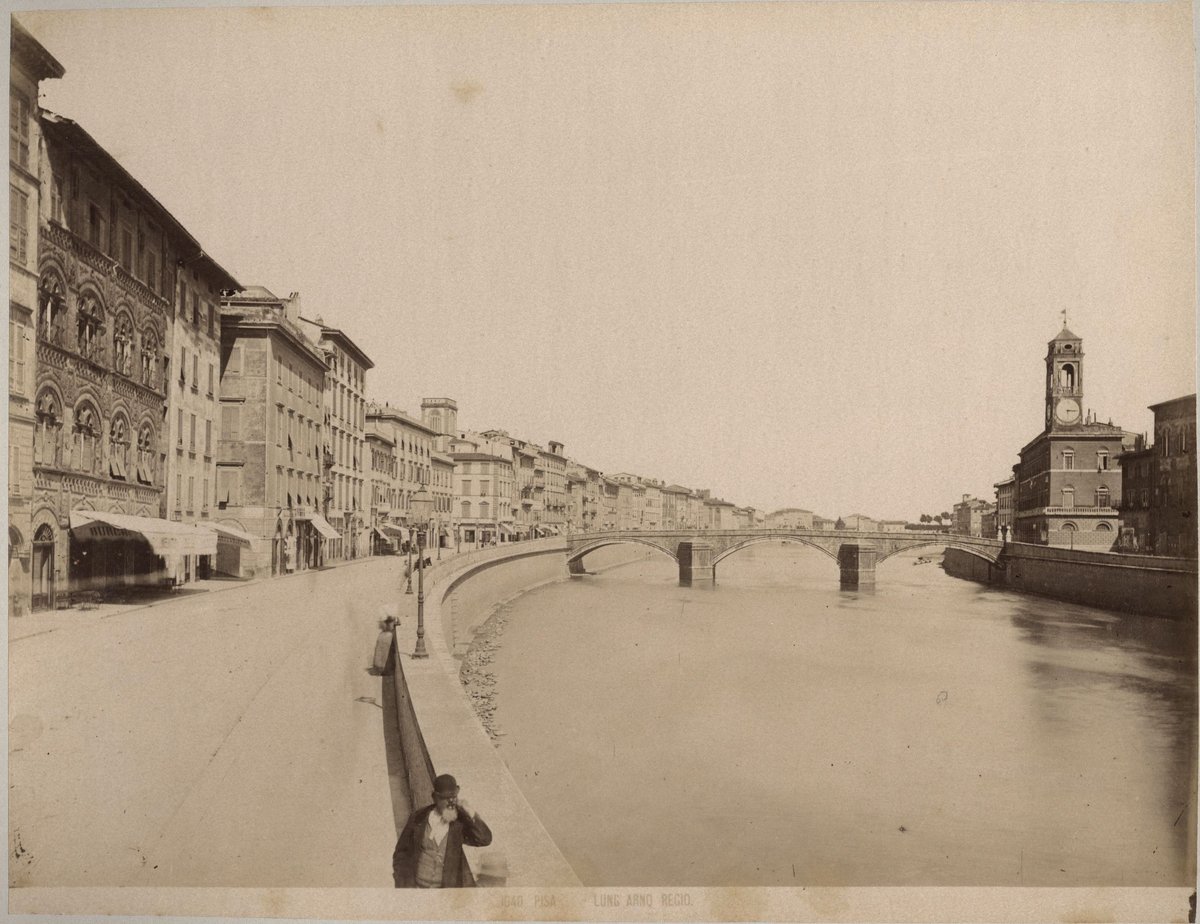
- Lungarni: The scenic riverbanks of the Arno, perfect for a stroll after your walk on the walls.
Frequently Asked Questions (FAQ)
Q: What are the visiting hours for the City Walls of Pisa?
A: Typically 9:00 AM to 6:00 PM daily, with seasonal variations. Check muradipisa.it for updates.
Q: How much do tickets cost?
A: Adults: €5–€7; discounts for students, children, and seniors.
Q: Are the walls accessible for people with mobility issues?
A: Some areas are accessible via elevator (Torre Santa Maria), but other sections may have stairs and uneven surfaces.
Q: Can I take guided tours?
A: Yes, guided tours are available in multiple languages.
Q: Can I take photos on the walls?
A: Absolutely—photography is encouraged for personal use.
Summary and Final Recommendations
A visit to the City Walls of Pisa offers an unparalleled journey through history, architecture, and culture. The well-preserved walls allow you to experience Pisa’s medieval grandeur while enjoying breathtaking views over the city and surrounding Tuscany (muradipisa.it; The Intrepid Guide). For the best experience, book tickets in advance, wear comfortable shoes, visit during less crowded times, and consider joining a guided tour. Support ongoing preservation by respecting guidelines and engaging with educational programs (forzapisa.it; Dolcevita Tour).
To enhance your trip, download the Audiala app for interactive maps, audio guides, and up-to-date visitor information. Connect with Pisa’s living history and enjoy one of Italy’s most iconic historical experiences (Authentic Tuscany; The Travel Folk).
Listen to the full story in the app
Your Personal Curator, in Your Pocket.
Audio guides for 1,100+ cities across 96 countries. History, stories, and local insight — offline ready.
Audiala App
Available on iOS & Android
Join 50k+ Curators
Sources
- verified
- verified
- verified
- verified
- verified
- verified
- verified
- verified
- verified
- verified
- verified
Last reviewed: