Plan and listen to Perugia Cathedral with Audiala.
Audio guide in your pocket, itinerary in your browser. Built for the way you actually visit.
Introduction
Perugia Cathedral, officially known as the Metropolitan Cathedral of St. Lawrence (Cattedrale di San Lorenzo), is a landmark of profound historical, artistic, and religious significance in the heart of Perugia, Italy. Nestled in Piazza IV Novembre alongside iconic sites like the Palazzo dei Priori and the Fontana Maggiore, the cathedral serves as both a spiritual center and a focal point of civic life. Its layered architecture—from medieval roots through Gothic, Renaissance, and Baroque transformations—offers visitors a journey through centuries of Umbrian history.
This guide provides all the essential information for planning your visit, including Perugia Cathedral's visiting hours, ticketing policies, accessibility, and insights into guided tours and nearby attractions. Whether you are an art lover, history buff, or pilgrim, this article will help you experience the full richness of this remarkable site (Perugia Cathedral Wikipedia, Italia.it, Umbria Tourism).

Etruscan-Roman Roots and Early Christian Foundations
Perugia’s religious and civic traditions date back to its origins as an Etruscan city, later becoming a significant Roman settlement after the Battle of Sentino in 295 BC (Italia.it). The earliest Christian cathedral was situated outside the city walls at San Pietro, succeeded by Santo Stefano in Castellare, before the episcopal seat was permanently transferred to San Lorenzo—today’s cathedral site (Perugia-Italy.org).
Medieval and Gothic Construction
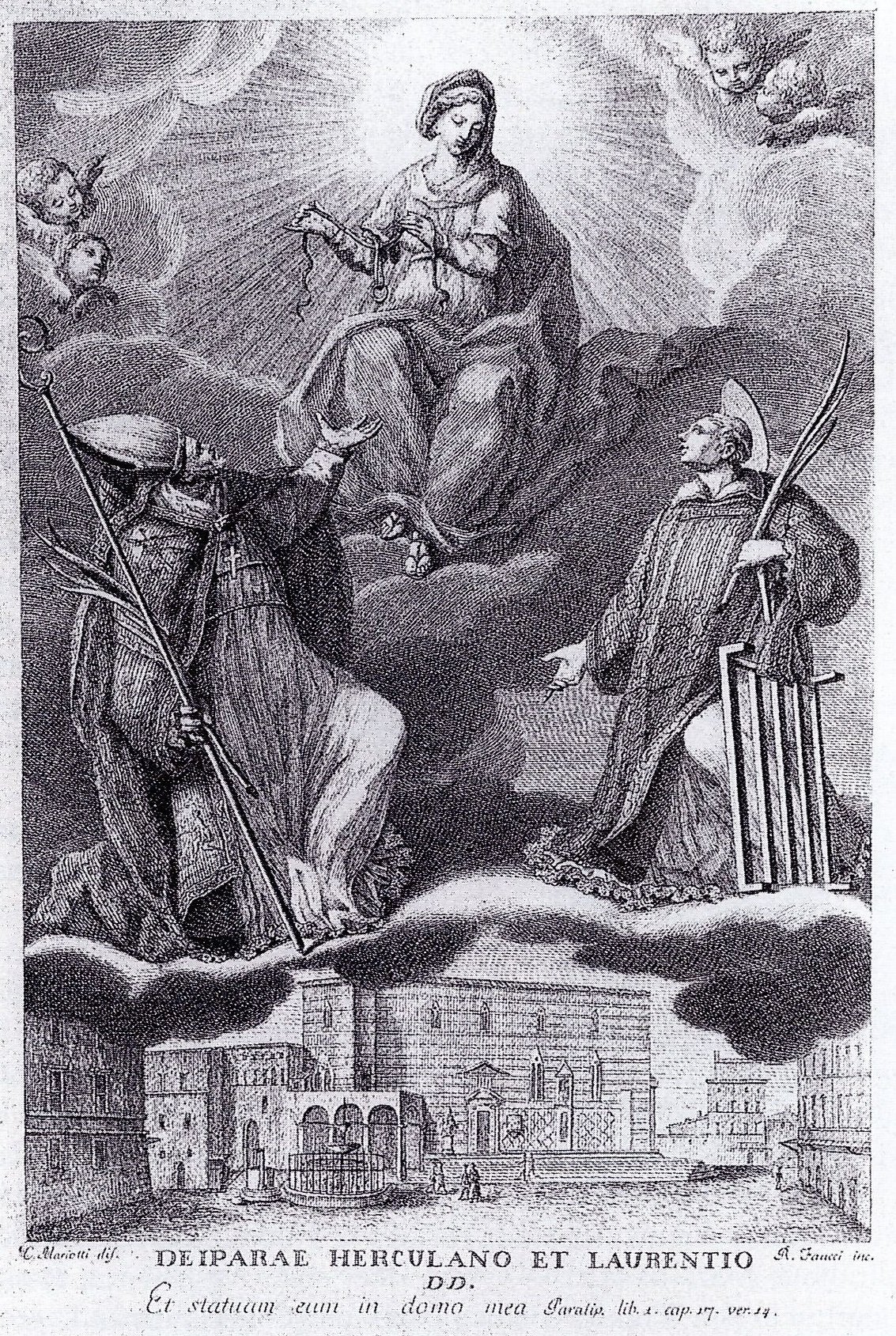
Christian worship at the current cathedral site began by the 10th century, with major construction of the present building starting in 1345 under Fra Bevignate. The project continued for nearly 150 years, resulting in a grand Gothic edifice completed in 1490 and dedicated to both Saint Lawrence and Perugia’s patron, Saint Herculanus (Wikipedia).
Renaissance, Baroque, and Modern Enhancements
The cathedral’s evolution continued through the Renaissance and Baroque periods, adding features like the bronze statue of Pope Julius III and the Renaissance portal by Ippolito Scalza. In the 19th and 20th centuries, Neo-Gothic restorations and modern additions—such as Nello Palloni’s stained glass window for the Jubilee of 2000—further shaped the building’s character (Italyscapes).
Architectural Features
Exterior and Façade
The cathedral’s exterior is distinguished by its unfinished pink and white marble façade, with only a portion facing Piazza Danti completed in decorative stonework. The principal entrance, unusually, is on the southern side, oriented toward Piazza IV Novembre and sheltered by the Renaissance Loggia di Braccio—a structure originally part of the Palazzo del Podestà (Pineqone). The blend of Gothic and Renaissance elements, along with the visible traces of unfinished work, gives the cathedral a unique and austere charm.
Interior and Artworks
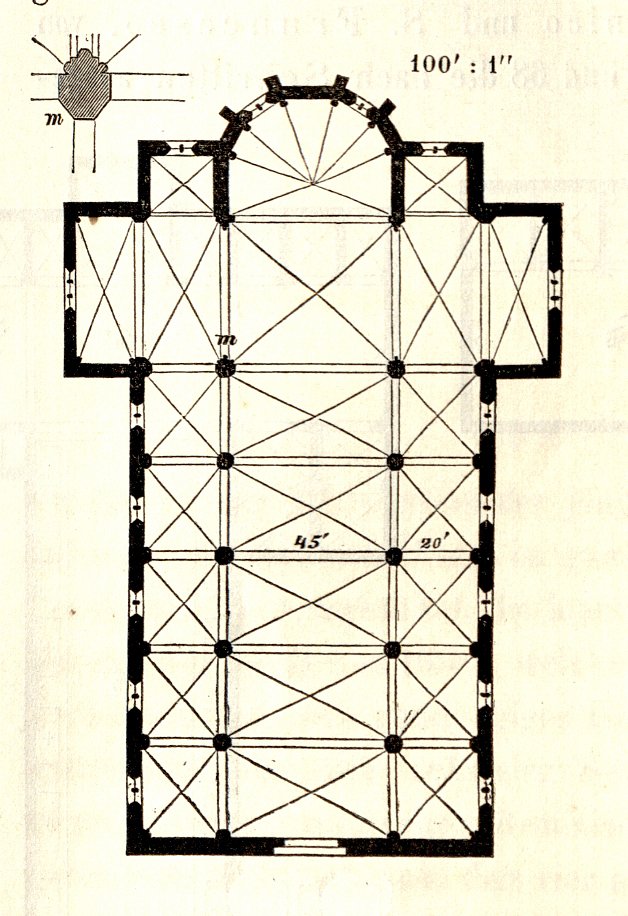
Inside, the cathedral features a Latin cross plan with three naves, divided by imposing columns and pointed arches that emphasize the verticality of Gothic architecture. Highlights include:
- Wooden Choir: An intricately carved Renaissance masterpiece behind the high altar.
- High Altar: Crafted from polychrome marble, adorned with gilded details.
- The Deposition by Federico Barocci (1569): A renowned Mannerist painting.
- Fresco Cycles: Including works by Pandolfi in the Sacristy, depicting the life of Saint Lawrence (Strictly Italy).
- The Chapel of the Holy Ring (Cappella del Santo Anello): Houses the Santo Anello, believed to be the Virgin Mary’s wedding ring, displayed annually in July and September.
Archaeological Layers
Beneath the cathedral, an underground archaeological area reveals traces of Etruscan, Roman, and medieval structures. Accessible via the Capitular Museum, visitors can explore remnants such as a Roman road and ancient temple foundations, connecting the site to over two millennia of continuous worship (Strictly Italy).
Visiting Perugia Cathedral: Essential Information
Visiting Hours (as of June 2025)
- Monday to Saturday: 7:30 AM – 12:30 PM and 3:00 PM – 7:00 PM
- Sunday and Religious Holidays: 8:00 AM – 1:00 PM and 4:00 PM – 7:00 PM
Hours may vary for religious services and special events. Always check the official tourism website before your visit.
Tickets and Admission
- Cathedral: Admission is free.
- Chapter Museum & Archaeological Site: Entry fee typically €3–€5.
- Guided Tours: Available in Italian and English, bookable online or at tourist offices. Advance booking is recommended during peak periods.
Accessibility
- Wheelchair Access: Ramps at the main entrance; some historic areas (sacristy, museum) may have limited accessibility.
- Special Assistance: Contact visitor services in advance for specific needs.
Dress Code and Visitor Guidelines
- Attire: Shoulders and knees must be covered. Hats should be removed.
- Photography: Permitted without flash, but may be restricted during services or in certain chapels.
- Behavior: Silence and respect are expected, especially during religious ceremonies.
Travel Tips and Nearby Attractions
- Best Times to Visit: Mornings before 10:00 AM or late afternoons for fewer crowds and beautiful lighting.
- Piazza IV Novembre: The cathedral’s setting is ideal for exploring nearby landmarks such as the Palazzo dei Priori and the Fontana Maggiore.
- Practical Amenities: Cafés, restaurants, public restrooms, and the tourist information office are all within easy reach.
- Transportation: The city center is pedestrianized. Minimetrò and bus stops are nearby; parking is available at Piazza Partigiani.
Special Events and Cultural Insights
Perugia Cathedral is central to the city's religious and cultural life, hosting:
- Major liturgical celebrations (Easter, Christmas, feast of San Lorenzo on August 10).
- Annual display of the Santo Anello relic (July and September).
- Concerts, exhibitions, and events, especially during local festivals like Umbria Jazz and Perugia 1416.
The cathedral’s artworks and relics reflect Perugia’s identity, and local guides can illuminate stories of saints, popes, and artistic patrons connected to the site.
Frequently Asked Questions (FAQ)
Q: What are Perugia Cathedral’s visiting hours?
A: Monday to Saturday, 7:30 AM – 12:30 PM and 3:00 PM – 7:00 PM; Sundays and religious holidays, 8:00 AM – 1:00 PM and 4:00 PM – 7:00 PM (subject to change).
Q: Is there an entrance fee?
A: Cathedral entry is free; the Chapter Museum and archaeological site may charge a small fee.
Q: Are guided tours available?
A: Yes, in Italian and English, with audio guides for independent visitors.
Q: Is the cathedral wheelchair accessible?
A: Yes, the main entrance is accessible, but some areas have limited access.
Q: Can I take photos inside?
A: Yes, without flash. Restrictions may apply during services.
Plan Your Visit
To make the most of your Perugia Cathedral experience:
- Check the latest visiting hours and ticket options.
- Book a guided tour for deeper insights.
- Respect dress codes and visitor etiquette.
- Combine your visit with nearby attractions for a full day of cultural discovery.
For up-to-date information, visit the Umbria Tourism website.
Final Tips
Perugia Cathedral stands as a testament to the city’s enduring history and vibrant cultural life. Its unique blend of architectural styles, rich artistic treasures, and central role in Perugia’s community make it an essential destination for every traveler. Plan ahead, embrace the atmosphere of Piazza IV Novembre, and immerse yourself in the legacy of one of Umbria’s most treasured monuments.
For more travel insights and event updates, download the Audiala app and explore our related articles on Palazzo dei Priori and Fontana Maggiore Guide.
Tickets & tours.
These are guided options from our partners — same price as booking direct.
Prices are indicative — final pricing and availability are confirmed at checkout. Audiala may earn a commission from bookings made through these links.
Listen to the full story in the app
The whole Perugia Cathedral,
told well.
Audio guides for 1,100+ cities across 96 countries. History, stories, and local insight — offline ready.
Verified, and shown.
Researched and written by the Audiala editorial team from historical records, architectural archives, and local expertise.
Researched from Wikidata, Wikipedia & official sources · fact-checked · How we make our guides →
