

Medieval Origins and Civic Role
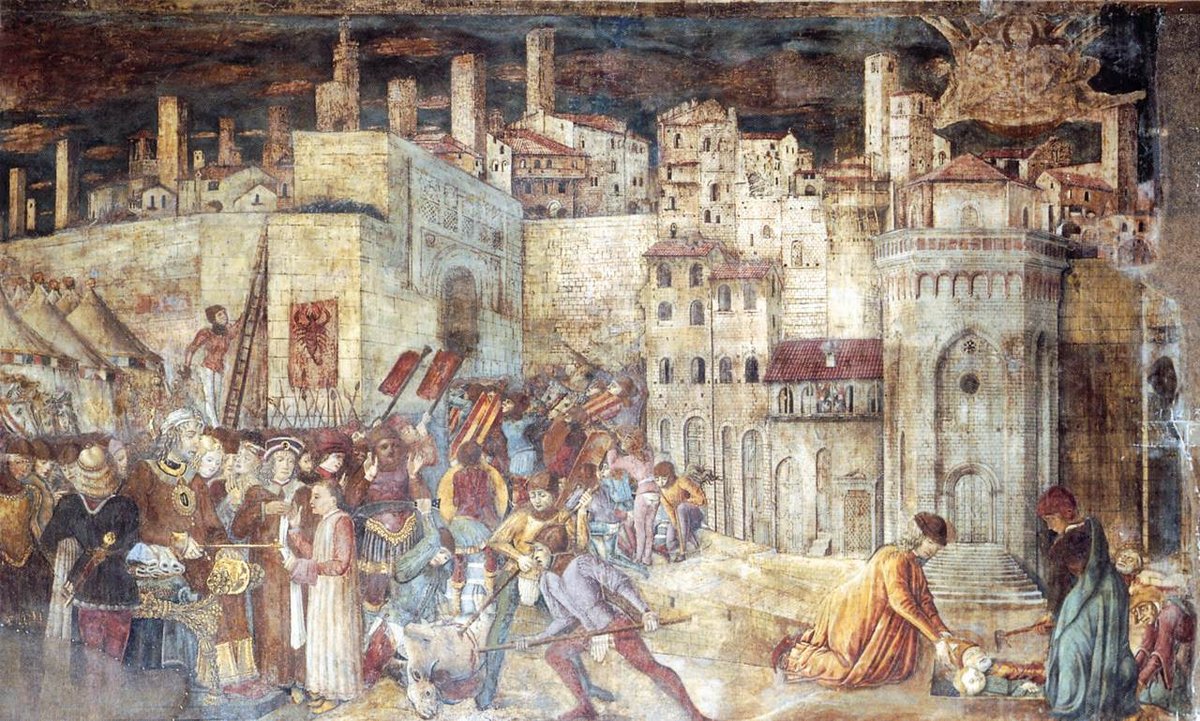
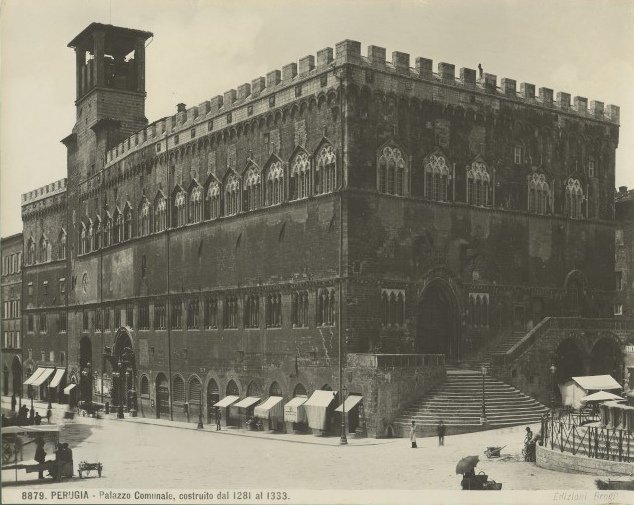
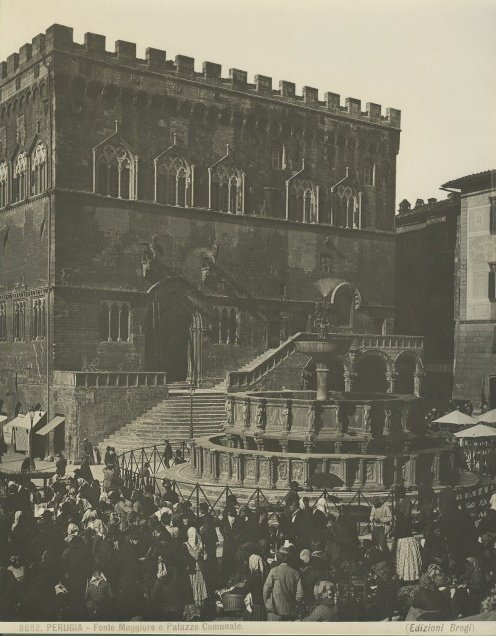
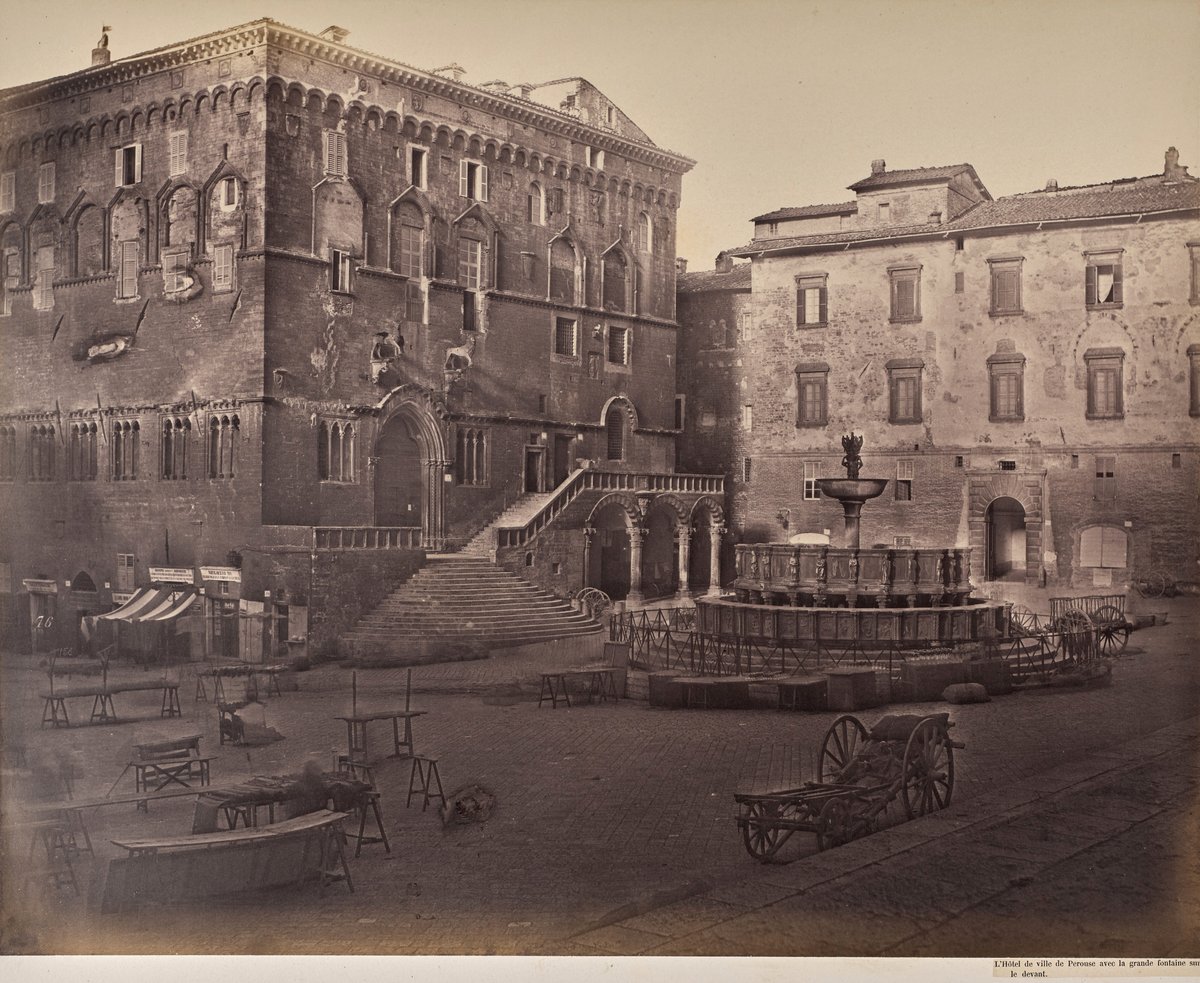
The Palazzo dei Priori was established as the center of Assisi’s civil administration in the early 14th century, with the Priori governing from 1330 onward (keytoumbria.com). Initially, the Priori purchased a house on the main square from the influential Bardi family in 1337, marking the transformation of the building into the city’s political hub (Assisi Itinerari). The palace’s location next to the Palazzo del Popolo and Temple of Minerva reflects its centrality to Assisi’s political and social life.
Renaissance Restorations and Social Functions
Palazzo dei Priori underwent significant expansion and Renaissance-style restoration during the late 15th century under Pope Sixtus IV. The ground floor loggia became home to the Monte di Pietà, a charitable pawn institution founded in 1468 to combat usury and support the city’s poor, illustrating the palace’s dual civic and social mission.
Civic Identity and Cultural Legacy
Throughout its history, the palace has hosted council meetings, judicial proceedings, and ceremonial events. Architectural emblems and frescoes highlight the influence of patrons such as Cardinal Latino Orsini and Cardinal Giovanni Battista Savelli, as well as the incorporation of Assisi into the Papal States (keytoumbria.com). The building’s ongoing municipal function connects today’s visitors to over seven centuries of civic tradition.
Architectural and Artistic Heritage
Structure and Layout
- Façade and Exteriors The irregular façade is a result of centuries of expansions, integrating multiple medieval buildings and crowned with heraldic plaques commemorating key historical figures and events.
- Loggia and Vaulted Passageways The ground floor loggia, once a site for artisan activity, and the vaulted Arco dei Priori archway connect the palace to the city’s old street network.
- Council Chambers The Sala della Conciliazione and Sala del Consiglio are adorned with frescoes and heraldic symbols celebrating Assisi’s civic history (Umbria Tourism).
- Volta Pinta Beneath the palace runs the Volta Pinta, a corridor decorated with 16th-century frescoes that blend civic and artistic themes.
Art Collections
- Pinacoteca Comunale The palace houses the municipal art gallery, showcasing Umbrian painting and rare secular frescoes from the 13th century.
- Decorative Details Allegorical frescoes and painted ceilings in council halls represent virtues and commemorate notable citizens.
Visiting Hours and Ticket Information
- Opening Hours The palace is typically open to visitors from 9:00 AM to 6:00 PM, Tuesday through Sunday. Last entry is generally 30 minutes before closing. Hours may vary for public holidays or special events, so always check the official tourism website in advance.
- Admission Entry is usually free during public events, while access to the Pinacoteca or guided tours generally requires a ticket (about €5 for adults, with discounts for students and seniors). Tickets can be purchased online or at the entrance.
- Guided Tours Available in multiple languages and highly recommended for those seeking deeper context. Advance booking is advised, especially during peak seasons.
Accessibility and Visitor Tips
- Physical Accessibility The ground floor and main entrance are accessible, but some upper floors and historic sections may be challenging for visitors with mobility impairments. Contact the Assisi tourism office ahead to plan accessible routes.
- Facilities As a working municipal building, visitor amenities are limited (no cloakrooms or cafés inside). Public restrooms and numerous cafés are available in Piazza del Comune.
- Photography Photography is generally allowed in public areas, though restrictions may apply in exhibition spaces or during official ceremonies. Always check onsite signage.
Guided Tours and Events
Access to many rooms is often linked to special exhibitions, cultural events, or festivals such as Calendimaggio di Assisi in May. These occasions provide opportunities for guided tours and deeper insights into the palace’s history. The Assisi Welcome Card and local tourism offices offer up-to-date schedules for tours and events.
Nearby Attractions
- Temple of Minerva A spectacular Roman temple converted into a church, located on the same square.
- Torre del Popolo The adjacent civic tower, offering panoramic views when open.
- Palazzo del Capitano del Popolo Another key medieval civic building nearby.
- Basilica of St. Francis The world-renowned UNESCO site is a short walk from Piazza del Comune.
Photography and Facilities
- Recommended Photo Spots The Palazzo’s façade, the bustling Piazza del Comune, and views from Torre del Popolo offer excellent photo opportunities. Early morning or golden hour lighting enhances the building’s stonework.
- Facilities No souvenir shops or food services within the palace, but plenty of options are available in the square and neighboring streets.
Travel Tips
- Getting There
- By Train Assisi’s train station is in Santa Maria degli Angeli; regular buses and taxis connect to the old town (Nomads Travel Guide).
- By Car Parking is available outside the historic center, with shuttle buses or escalators for uphill access.
- On Foot The palace is centrally located and accessible from all main sites.
- Best Time to Visit Spring and autumn offer pleasant weather and fewer crowds. Summer is busier; winter is quieter but may feature reduced hours.
- Duration Allow 30–60 minutes for the palace itself; combine your visit with other Piazza del Comune landmarks for a fuller experience.
Frequently Asked Questions (FAQ)
Q: What are the current visiting hours for Palazzo dei Priori?
A: Typically 9:00 AM to 6:00 PM, Tuesday–Sunday, but always verify on the official tourism website for updates.
Q: Do I need a ticket to enter?
A: Entry is often free during public events; however, the Pinacoteca and guided tours require a ticket.
Q: Is the palace accessible for people with disabilities?
A: Some areas are accessible; contact the Assisi tourism office for detailed information.
Q: Are guided tours available?
A: Yes, in various languages, with advance booking recommended.
Q: Can I take photos inside?
A: Generally yes, except in certain exhibition areas or during official events—always check with staff.