Plan and listen to University Of Palermo with Audiala.
Audio guide in your pocket, itinerary in your browser. Built for the way you actually visit.
Introduction to the University of Palermo and Its Historical Significance
Situated in the lively heart of Sicily’s capital, the University of Palermo (Università degli Studi di Palermo) is an institution where centuries of academic tradition meet the vibrant culture and layered history of Palermo. Founded in 1498 as an academy under Jesuit guidance, the university has evolved through periods of political change, integrating medieval, baroque, and modern architectural styles across its city-spanning campus. Central to its identity is the Palazzo Chiaramonte-Steri, a 14th-century Gothic palace that served as the seat of the Spanish Inquisition and now functions as the university’s rectorate.
The campus is surrounded by Palermo’s iconic landmarks, including the Orto Botanico di Palermo and the UNESCO World Heritage-listed Palermo Cathedral, renowned for its blend of Norman, Moorish, Gothic, and Baroque architecture. The University of Palermo encompasses 12 faculties and is a leader in research and innovation, with notable alumni such as President Sergio Mattarella and anti-mafia judges Giovanni Falcone and Paolo Borsellino, highlighting its ongoing commitment to social justice and regional development.
This comprehensive guide details the university’s visiting hours, ticketing, accessibility, guided tours, and nearby attractions. Whether you're a history enthusiast, a prospective student, or a cultural traveler, the University of Palermo offers a multidimensional journey into Sicily’s intellectual and architectural heritage. For the latest visitor information, consult the University of Palermo visitor page, the Palermo Cathedral official website, and discover hidden gems through Italy Chronicles.

Historical Development and Architectural Heritage
Origins and Early Foundations
The University of Palermo was established in 1498 as an Academy of Studies managed by Jesuit priests, initially emphasizing law and medicine. The Jesuits were expelled in 1767 but returned nearly 40 years later, and the institution was officially recognized as a university in 1806 (UniversityReview.org).
Growth Through Political Change
Following Italy’s unification in 1860, the university underwent modernization and expansion, with figures like chemist Stanislao Cannizzaro and Arab Studies expert Michele Amari updating curricula to European standards. Many religious buildings were repurposed for academic use (UniversityReview.org).
Architectural Landmarks
The university’s main building, Palazzo Chiaramonte-Steri, is a 14th-century Gothic palace that once housed the Chiaramonte family and later the Spanish Inquisition. Today, it stands as a symbol of Palermo’s intricate past and academic excellence (UniversityReview.org). The campus’s architecture is a tapestry of medieval, baroque, and contemporary styles.
Academic Structure and Research Excellence
Faculties and Departments
The University of Palermo boasts 12 faculties, including Architecture, Agriculture, Economics, Arts and Humanities, Engineering, Education, Natural Sciences, Law, Medicine, Pharmacy, Physics, and Political Sciences, fostering multidisciplinary collaboration (UniversityReview.org).
Research Output and Global Rankings
As of 2025, the university ranks 15th in Italy and 501st globally, excelling in disciplines such as Biology, Chemistry, Medicine, Engineering, Physics, Environmental Science, Computer Science, and Liberal Arts. With over 75 research facilities and 80 PhD programs, it is a hub for advanced research (EduRank).
International Collaboration and Innovation
The university actively engages in international partnerships, facilitating student and faculty exchanges, joint research, and multicultural academic experiences (StandYou).
Cultural and Societal Influence
Integration with Palermo’s Urban Fabric
The university is seamlessly woven into Palermo’s vibrant cityscape, with its buildings nestled among historic palaces and churches. This proximity offers students and visitors immediate access to the city’s social and cultural life, helping to revitalize neighborhoods and preserve monuments (StandYou).
Notable Alumni and Societal Contributions
Alumni from the University of Palermo have left their mark in science, politics, literature, and the arts, with the alumni association offering mentorship and career opportunities to current students (EduRank).
Role in Regional and National Identity
The university addresses pressing regional issues such as sustainability and social justice, contributing to Mediterranean and European dialogues and supporting Palermo’s civic life (StandYou).
Visitor Experience and Academic Tourism
Visiting Hours and Tickets
- General Hours: Monday–Friday, 9:00 AM–5:00 PM (for historical sites like Palazzo Steri).
- Entry: Free for most sites; guided tours may require advance booking and a nominal fee.
- Check official channels for up-to-date hours and ticketing.
Accessibility and Travel Tips
The main campus at Piazza Marina, 61, is accessible via public transport. Facilities accommodate wheelchair users, and assistance is available on request. Wear comfortable shoes for exploring historic sites.
Unique Visitor Experiences
Highlights include the Palazzo Steri courtyard, panoramic campus views, and frequent public cultural events. Attractions nearby include Teatro Massimo and Arab-Norman UNESCO sites (StandYou).
Frequently Asked Questions (FAQ)
Q: What are the University of Palermo visiting hours?
A: Generally Monday–Friday, 9:00 AM–5:00 PM. Confirm on the official website.
Q: Is there an entrance fee?
A: Entry is free for most sites; some tours require a ticket.
Q: Are the buildings accessible?
A: Yes, with assistance available.
Q: Can I join guided tours?
A: Yes, but booking in advance is advisable.
Q: What other sites are nearby?
A: Teatro Massimo, Arab-Norman sites, Palermo Cathedral, and local markets.
Visiting the University of Palermo: Campus Architecture, Hours, Tickets, and Nearby Attractions
Campus Setting and Layout
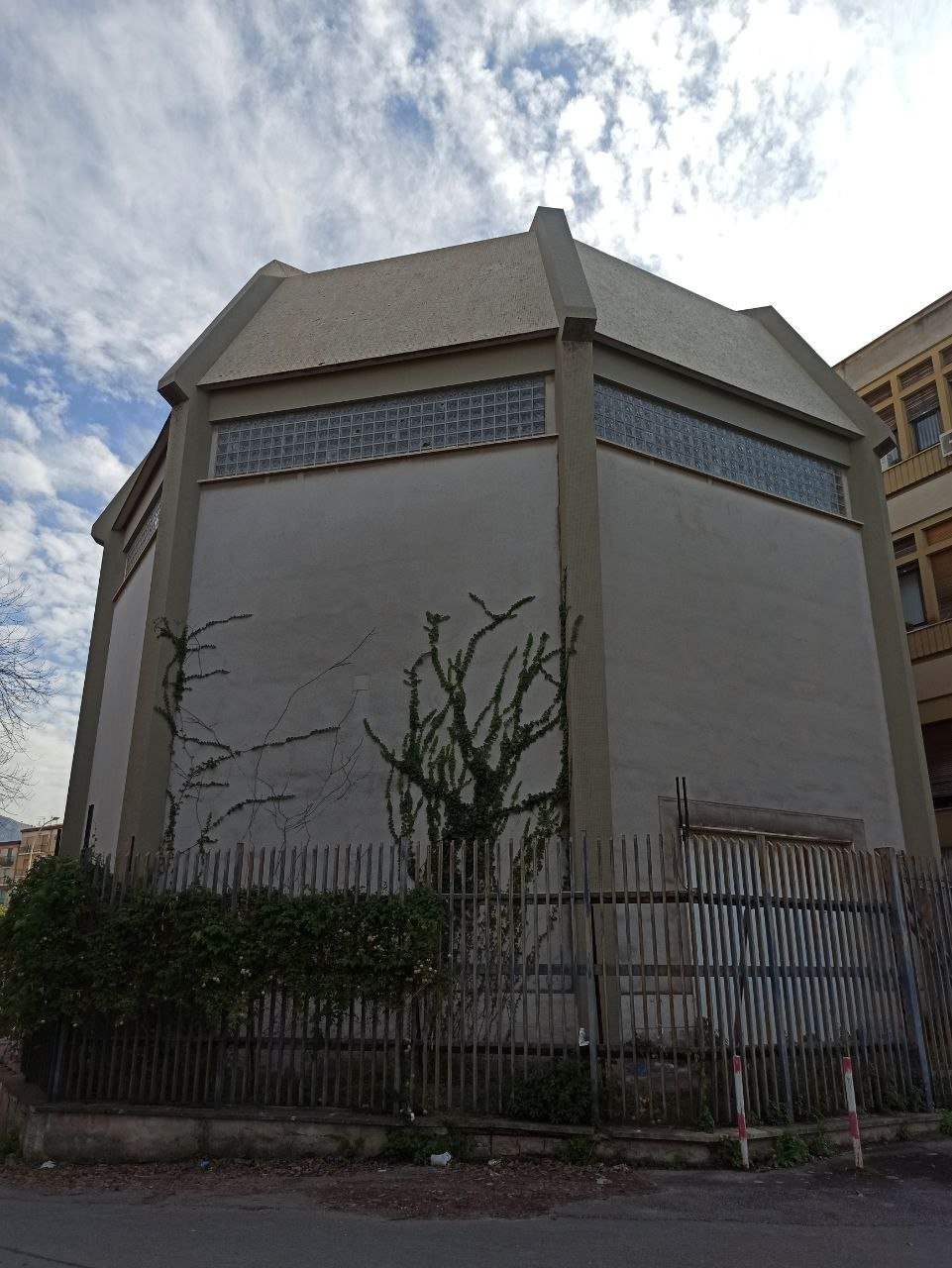
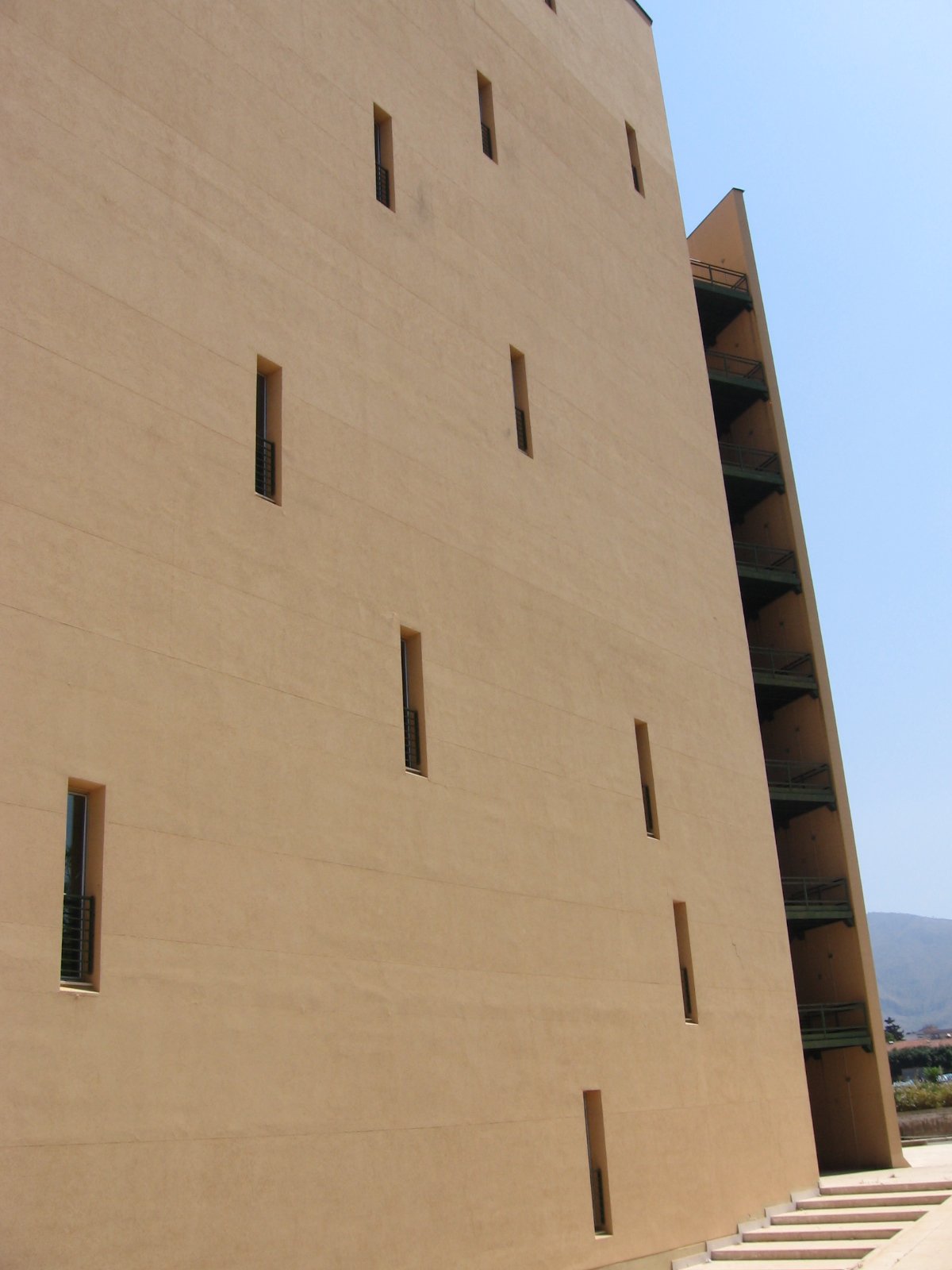
The campus is a blend of historic and modern buildings in Palermo’s Kalsa district, close to the seafront and major landmarks. The open, city-integrated layout lets visitors experience academic and urban life together (Wikipedia; UNIPA International).
Architectural Highlights
Palazzo Chiaramonte-Steri
A 14th-century Gothic palace and the university’s focal point, Palazzo Steri has served as a noble residence and the seat of the Spanish Inquisition. Guided tours reveal frescoed halls and Inquisition prison graffiti (Wikipedia; Italy Chronicles).
- Hours: Tuesday–Sunday, 9:00 AM–6:00 PM
- Tickets: €5 (discounts for students/seniors; official visitor page)
Orto Botanico di Palermo (Botanical Gardens)
Founded in 1789, the 10-hectare Orto Botanico boasts over 12,000 plant species and neoclassical pavilions (Savoring Italy).
- Hours: Daily, 8:30 AM–5:30 PM
- Tickets: €6 (free for children under 12 and university students; UNIPA Botanic Gardens)
Collegio Massimo and Other Historic Buildings
Collegio Massimo al Cassero, a 16th-century Jesuit college, and several repurposed palazzi and convents house university departments, blending Baroque and modern architecture (Wikipedia).
Visitor Experience
Access: Sites are walkable from central Palermo and close to public transport. Maps and bilingual signage are available (UNIPA International).
Guided Tours: Advance booking is recommended for Palazzo Steri and Orto Botanico tours.
Facilities: Cafés, bookshops, and rest areas are on campus. The nearby Ballarò and Vucciria markets offer authentic local food (Savoring Italy).
Accessibility: Most areas are accessible, though some historic buildings have limitations.
Safety: Standard urban precautions apply. The area is busiest during the academic year but is open year-round.
Tips:
- Check current hours before visiting (official university visitor page).
- Book tours in advance during peak periods.
- Combine your visit with sites like Palazzo dei Normanni and Church of San Giovanni degli Eremiti (The Crazy Tourist).
Architectural Significance and Rankings
The university is among Italy’s top 20 for architecture, and the campus is a living showcase for students and visitors alike (EduRank).
Immersive Cultural Context
The university’s diverse architecture and location reflect Palermo’s multicultural legacy, inviting exploration and cultural engagement (Italy Chronicles).
Notable Alumni and Visitor Guide: Exploring the University of Palermo and Palazzo Chiaramonte-Steri
Visiting Palazzo Chiaramonte-Steri: Practical Information
- Hours: Monday–Saturday, 9:00 AM–6:00 PM (may vary on holidays)
- Tickets: €5–€10; discounts for students, seniors, and groups
- Guided Tours: Available and recommended; some may be free during special events
- Accessibility: Most areas accessible, some limitations due to medieval structure
- Nearby Sites: Palermo Cathedral, Quattro Canti, Norman Palace
Distinguished Alumni
- Sergio Mattarella: President of Italy (edurank.org)
- Vittorio Emanuele Orlando: Prime Minister of Italy (edurank.org)
- Giuseppe Alessi: First President, Sicilian Regional Assembly (leverageedu.com)
- Giovanni Falcone & Paolo Borsellino: Anti-mafia magistrates (edurank.org)
- Giulia Bongiorno: Lawyer, former Minister (leverageedu.com)
- Giuseppina Fabbiano: Astrophysicist (edurank.org)
- Bruno Caruso: Writer and artist (leverageedu.com)
Institutional Contributions
- Research: The university leads regional innovation, notably through UniNetLab (leverageedu.com).
- International Collaboration: Partnerships with nearly 100 institutions (leverageedu.com).
- Community Engagement: CUS Palermo sports teams and a central urban campus enrich student life (leverageedu.com).
- Humanities Legacy: Palermo’s role as a translation hub in the 12th century continues to inspire UNIPA’s mission (daisakuikeda.org).
Summary Table of Notable Alumni
| Name | Field | Notable Role/Contribution |
|---|---|---|
| Sergio Mattarella | Politics/Law | President of Italy (2015–present) |
| Vittorio Emanuele Orlando | Politics | Prime Minister of Italy (1917–1919) |
| Giovanni Falcone | Law | Anti-mafia judge |
| Paolo Borsellino | Law | Anti-mafia judge |
| Giulia Bongiorno | Law/Politics | Minister for Public Administration |
| Giuseppe Alessi | Politics | First President of Sicilian Regional Assembly |
| Giuseppina Fabbiano | Science | Astrophysicist, Smithsonian Astrophysical Observatory |
| Elda Pucci | Academia/Politics | Professor, former Mayor of Palermo |
| Bruno Caruso | Arts/Literature | Writer and artist |
Visitor Tips
- Book Palazzo Steri tickets in advance.
- Pair your visit with the Botanical Gardens.
- Wear comfortable shoes for city walking.
- Check for university events for added cultural value.
- Use public transport or walk to other historic sites.
Visiting the Palermo Cathedral: Hours, Tickets, and Visitor Information
Palermo Cathedral is a UNESCO World Heritage site that fuses Norman, Moorish, Gothic, and Baroque elements. Founded in 1185, it has been expanded and renovated over centuries and houses royal tombs and intricate mosaics, symbolizing Palermo’s multicultural past.
Visiting Hours
- Monday–Saturday: 7:00 AM–7:00 PM
- Sunday/Public Holidays: 8:00 AM–8:00 PM
- Rooftop: 9:00 AM–5:00 PM (last admission 4:30 PM)
- Verify on official website before visiting.
Ticket Information
- General Admission: €5
- Reduced (EU 18–25): €3
- Children <18: Free
- Rooftop access: Included with admission
- Combined tickets for nearby monuments available
Tickets can be purchased online or at the entrance.
Guided Tours & Audio Guides
Guided and audio tours are available in several languages, providing insights into the cathedral’s history and architecture.
Accessibility
The cathedral is fully accessible with ramps and elevators. Assistance is available on request.
Photography
No-flash photography is permitted. Tripods require prior permission.
Special Events
The cathedral hosts regular Mass and special events, which may affect visiting hours. Concerts and cultural activities are also held periodically.
Nearby Attractions
- Palazzo dei Normanni
- Quattro Canti
- Mercato di Ballarò
Visitor Tips
- Arrive early to avoid crowds.
- Dress modestly (shoulders and knees covered).
- Use public transport; parking is limited.
Summary of Key Visitor Information and Tips
The University of Palermo integrates historical heritage with a thriving academic community, centered on landmarks like the Palazzo Chiaramonte-Steri and Orto Botanico. Visitors can enjoy accessible campus facilities, affordable tickets, and guided tours, with easy access to surrounding landmarks such as Palermo Cathedral and Norman Palace. The university’s legacy, reflected in its distinguished alumni and research, continues to shape Palermo’s cultural landscape.
Plan your visit by consulting the University of Palermo visitor page, the Palermo Cathedral website, EduRank, and StandYou.
Listen to the full story in the app
The whole University Of Palermo,
told well.
Audio guides for 1,100+ cities across 96 countries. History, stories, and local insight — offline ready.
Verified, and shown.
Researched and written by the Audiala editorial team from historical records, architectural archives, and local expertise.
Researched from Wikidata, Wikipedia & official sources · fact-checked · How we make our guides →