Plan and listen to Opera Dei Pupi with Audiala.
Audio guide in your pocket, itinerary in your browser. Built for the way you actually visit.
Introduction
Opera dei Pupi, Sicily’s celebrated puppet theatre tradition, stands as a testament to the island’s rich cultural heritage and artistic ingenuity. Originating in the early 19th century, this unique form of storytelling brings medieval epics to life through intricately crafted marionettes, captivating audiences with tales of heroism, justice, and Sicilian identity. Recognized by UNESCO as an Intangible Cultural Heritage of Humanity, Opera dei Pupi continues to enchant locals and visitors alike in Palermo’s historic family-run theatres and the renowned Antonio Pasqualino International Puppet Museum. This comprehensive guide provides everything you need to know about visiting hours, ticketing, accessibility, and practical tips to make your Opera dei Pupi experience in Palermo unforgettable (Atlas Obscura; Wikivoyage; UNESCO; GoWorldTravel).

Origins and Early Development
Opera dei Pupi emerged in Sicily during the early 19th century, shaped by European puppet traditions and local cultural dynamics. Rooted in working-class entertainment, it found its unique Sicilian form through the adaptation of medieval epics—particularly the tales of Charlemagne and his paladins—presented as serialized performances that drew enthusiastic audiences (Wikivoyage; PalermoViva). These stories, rich with themes of valor, loyalty, and struggle against oppression, resonated deeply with Sicilian society.
Golden Age: 19th to Early 20th Century
By the late 1800s, Palermo was home to dozens of puppet theatres, each typically operated by a single family. Puppeteers, or pupari, passed down their craft over generations, ensuring the continuity of both storytelling and puppet-making. The marionettes themselves grew more elaborate, often reaching up to a meter in height and weighing as much as 10 kilograms, adorned with finely crafted armor and costumes. Theatres were intimate spaces where the puparo not only manipulated the puppets but also painted sets and composed accompanying music (Atlas Obscura; Wikipedia).
Regional Variations
Two primary schools of Opera dei Pupi developed: the Palermitana (Palermo, Agrigento, Trapani) and the Catanese (Catania, Messina, Syracuse). Palermo’s puppets are typically heavier and less articulated, ideal for dramatic swordplay, while Catania’s are lighter and more flexible, enabling nuanced movement. These distinctions reflect local artistic preferences and regional identity (Wikivoyage).
Decline and Transformation
The mid-20th century saw a sharp decline in Opera dei Pupi, as cinema and television drew audiences away. By 1950, only a few theatres remained in Palermo (Atlas Obscura). Surviving families adapted by streamlining performances for tourists and focusing on action scenes to maintain appeal. Crucially, the craft and stories were preserved within family workshops, sustaining the tradition through periods of adversity (Wikivoyage).
UNESCO Recognition and Revival
In 2001, UNESCO proclaimed Opera dei Pupi a “Masterpiece of the Oral and Intangible Heritage of Humanity,” ensuring international recognition and new support for preservation. The Antonio Pasqualino International Puppet Museum was established in Palermo, safeguarding marionettes, scripts, and performance techniques. Annual festivals, such as the Morgana Festival, further invigorate public interest and ensure the tradition’s vitality (UNESCO; Atlas Obscura).
Visitor Information: Hours, Tickets, and Locations
Where to See Performances
- Teatro dei Pupi Famiglia Argento
Palazzo Asmundo, Via Pietro Novelli, 1 (opposite Palermo Cathedral) - Teatro Carlo Magno Enzo Mancuso
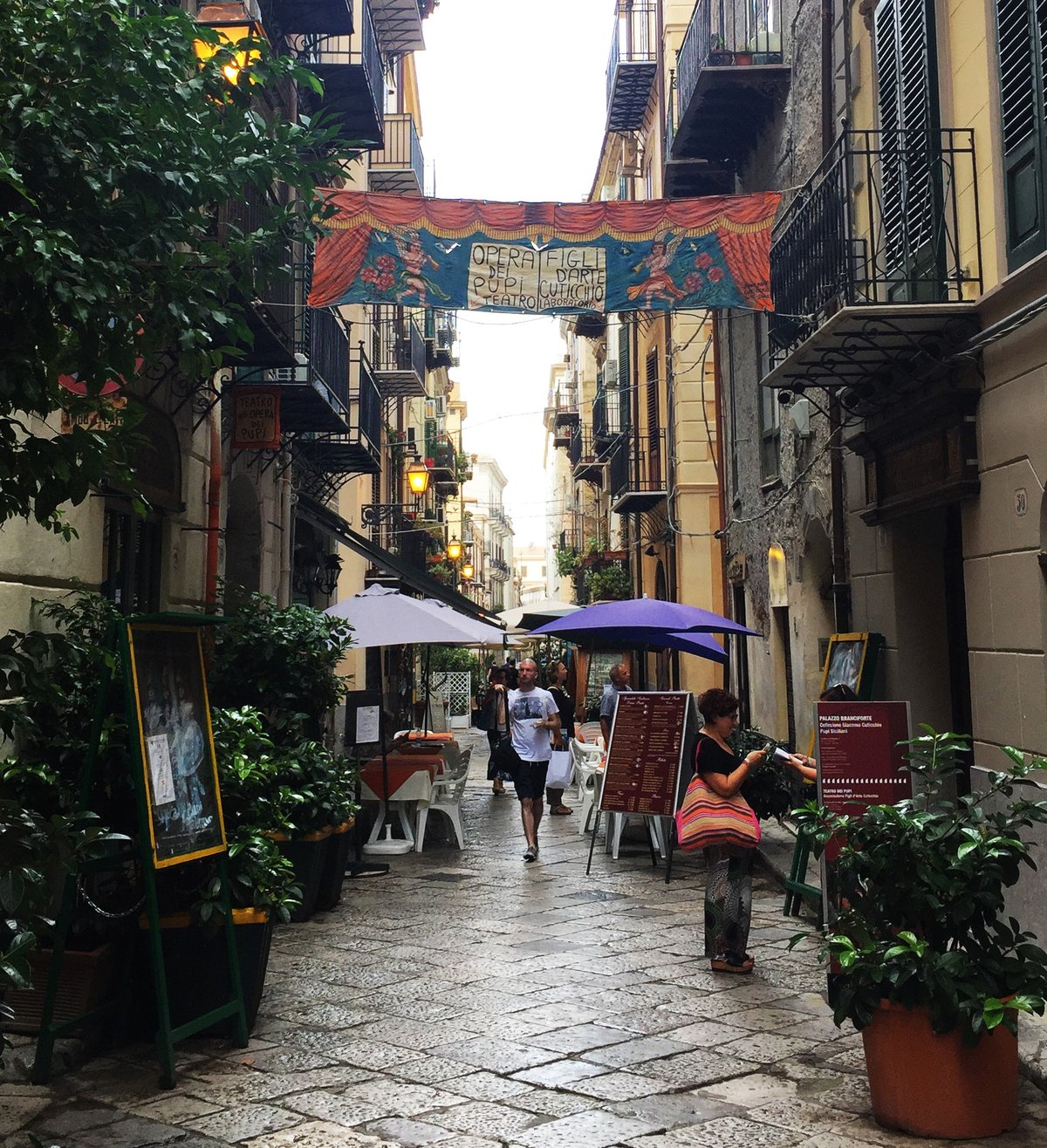
Via Collegio di Maria al Borgo Vecchio, 17 - Teatro dei Pupi di Mimmo Cuticchio
Via Bara all’Olivella, 95 - Antonio Pasqualino International Puppet Museum
Via Bara all'Olivella, 24
These venues are centrally located and accessible by foot or public transport, making them perfect stops in a Palermo sightseeing itinerary.
Visiting Hours & Ticketing
- Teatro Argento: Daily performances at 17:30 (5:30 PM); tickets €12 (adults), €6 (reduced for seniors and children 6+), free for children under 6 (GoWorldTravel)
- Teatro Carlo Magno: Performances typically in the late afternoon or evening; ticket prices and schedule online (Italia.it)
- Museum: Open Tuesday–Sunday, 10:00–18:00; tickets €8 (adults), €5 (reduced), children under 12 free
Advance booking is recommended, especially during festivals and peak tourist seasons. Tickets can be reserved at box offices, by phone, or online (Eventbrite).
Accessibility
While the Antonio Pasqualino Museum is wheelchair accessible, historic theatres may have limitations. Contact venues in advance to discuss specific needs.
Guided Tours & Workshops
Many venues offer guided tours by request, as well as hands-on workshops where visitors can observe puppet-making or try manipulating a pupo. Workshops are ideal for families and educational groups; inquire in advance for availability (mancusopupi.it; figlidartecuticchio.com).
Travel Tips & Nearby Attractions
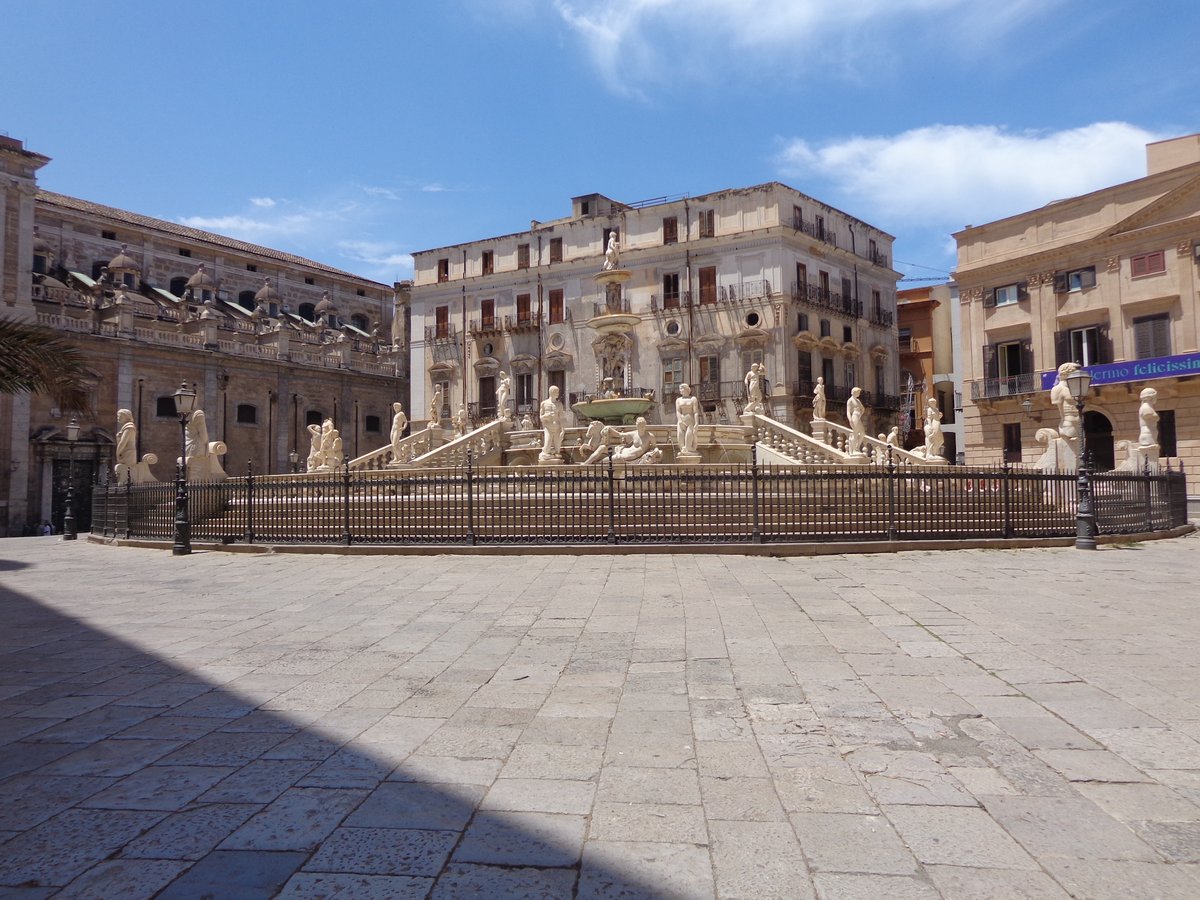
- Combine your visit with Palermo Cathedral, Quattro Canti, Piazza Pretoria, and the Palazzo dei Normanni—all within walking distance.
- Best seasons: Spring and autumn offer mild weather and lively festivals.
- Souvenirs: Theatres often sell handmade puppets and books as unique mementos.
- Dress code: Casual attire is fine; arrive 15 minutes early for the best seats.
Contemporary Challenges & Adaptations
Opera dei Pupi faces modern challenges, including the impact of the COVID-19 pandemic and changing audience tastes (Atlas Obscura). Many troupes now stream performances online and update storylines to address contemporary themes, ensuring the tradition remains vibrant and relevant. Debates continue between purists and innovators on how best to preserve Opera dei Pupi’s spirit while attracting new generations (Atlas Obscura).
Family Tradition, Craftsmanship, and Community
The heart of Opera dei Pupi lies in its family-run theatres and artisan workshops. Puppets are hand-carved, painted, and dressed in metal armor, with each puparo mastering not only performance but also set and costume design. These skills are passed down through generations, making each show a living link to Sicily’s past (Life in Italy; GoWorldTravel).
Frequently Asked Questions (FAQ)
Q: How do I buy Opera dei Pupi tickets?
A: At the theatre box office, by phone, or online. Advance booking is recommended.
Q: What are typical visiting hours?
A: Performances usually start at 5:30 PM; museum hours are 10:00–18:00, Tuesday–Sunday.
Q: Is the show suitable for children?
A: Yes, the colorful puppets and action make it popular with all ages.
Q: Is the theatre accessible?
A: The museum is accessible; check with other venues in advance.
Q: Are guided tours or workshops available?
A: Yes, by request—book ahead for the best experience.
Q: Can I take photos during performances?
A: Generally not during the show, but often allowed before or after—ask staff for guidance.
Discover More
A visit to Palermo’s Opera dei Pupi offers a rare opportunity to witness a living tradition at the crossroads of history, art, and community. Attend a performance, explore a puppet workshop, or visit the Antonio Pasqualino Museum to experience Sicily’s storytelling magic firsthand. Plan ahead by checking showtimes, booking tickets, and exploring Palermo’s historic center for a truly immersive cultural journey.
For up-to-date schedules, guided tours, and special events, follow the theatres on social media and consider downloading the Audiala app for insider tips on Palermo’s historical and cultural attractions.
Listen to the full story in the app
The whole Opera Dei Pupi,
told well.
Audio guides for 1,100+ cities across 96 countries. History, stories, and local insight — offline ready.
Verified, and shown.
Researched and written by the Audiala editorial team from historical records, architectural archives, and local expertise.
Researched from Wikidata, Wikipedia & official sources · fact-checked · How we make our guides →