Introduction
Palermo smells like jasmine and fried spleen, often at the same time. Sicily's capital is a city where a 12th-century Arab pleasure palace sits a few blocks from a Baroque fountain full of naked gods that scandalized the nuns so badly they named it the Fountain of Shame — and where 8,000 mummified corpses hang in their Sunday best beneath a Capuchin monastery. This is not a place that resolves into a single mood. Palermo, Italy's most layered city, rewards the traveler who accepts its contradictions whole.
Every empire that crossed the Mediterranean left a deposit here. Phoenicians built the first harbor. Arabs engineered underground irrigation channels — qanats — that turned the surrounding valley into the Conca d'Oro, a golden shell of citrus groves. Normans arrived in 1072 and, rather than erasing what they found, hired Arab architects and Byzantine mosaicists to build churches that exist nowhere else on earth: domes shaped like mosques, walls blazing with gold tessera, ceilings dripping with muqarnas honeycomb vaulting. Nine of these monuments earned UNESCO status in 2015 under the banner "Arab-Norman Palermo," but the designation barely captures the strangeness of walking into the Cappella Palatina and finding Islamic calligraphy running alongside images of Christ Pantocrator.
The city's markets are the truest expression of its character. Ballarò, the oldest, stretches through the Albergheria quarter in a cascade of stacked swordfish heads, pyramids of blood oranges, and vendors performing theatrical sales pitches — abbanniate — in a tradition that predates the Renaissance. At the Capo market, a few streets north, you eat stigghiola (lamb intestines grilled on skewers with spring onion) standing up, beside grandmothers buying aged ricotta. The food here is not refined; it is specific. Pani ca meusa — a spleen sandwich fried in lard, served plain (schetta) or married with ricotta (maritata) — descends from the city's medieval Jewish community and survives as street food almost nowhere else.
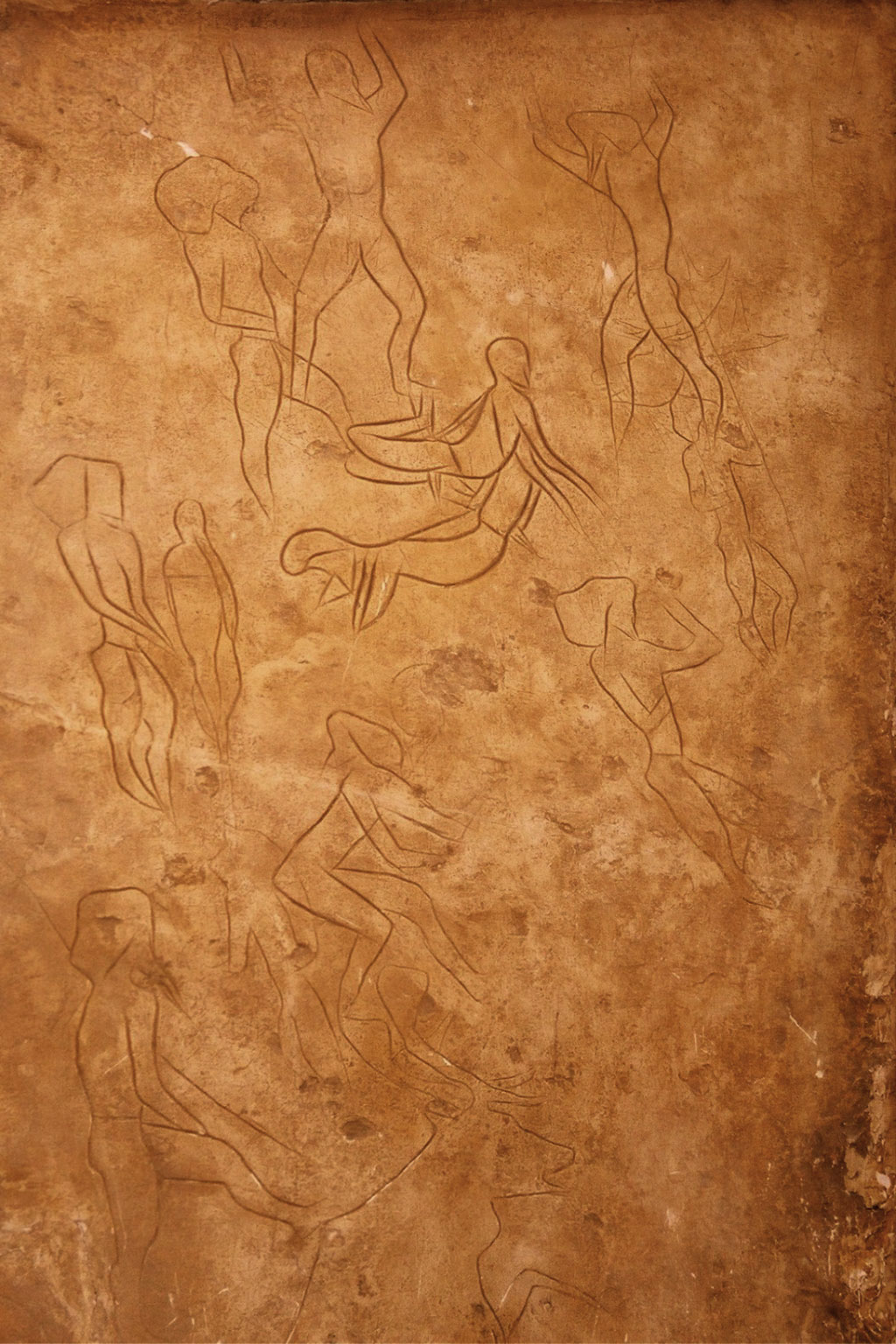
Palermo spent decades as a byword for neglect and Mafia violence. What has emerged since the early 2000s is not a polished tourism product but something more interesting: a city reclaiming its own buildings. Roofless churches serve as concert halls. The Steri palace, where the Inquisition imprisoned heretics, now displays their cell-wall graffiti as an act of witness. Palazzo Butera, a crumbling seafront noble residence, was bought by Milanese collectors and reopened in 2019 as a contemporary art space. The energy is uneven, sometimes chaotic, and entirely genuine.
24H Of Italian Food in PALERMO, Sicily | Local Markets & Insane Street Food
Alex Mark TravelPlaces to Visit
The Most Interesting Places in Palermo
Opera Dei Pupi
Opera dei Pupi represents one of Sicily’s most enchanting and enduring cultural treasures: a traditional puppet theatre that has captivated audiences for over…
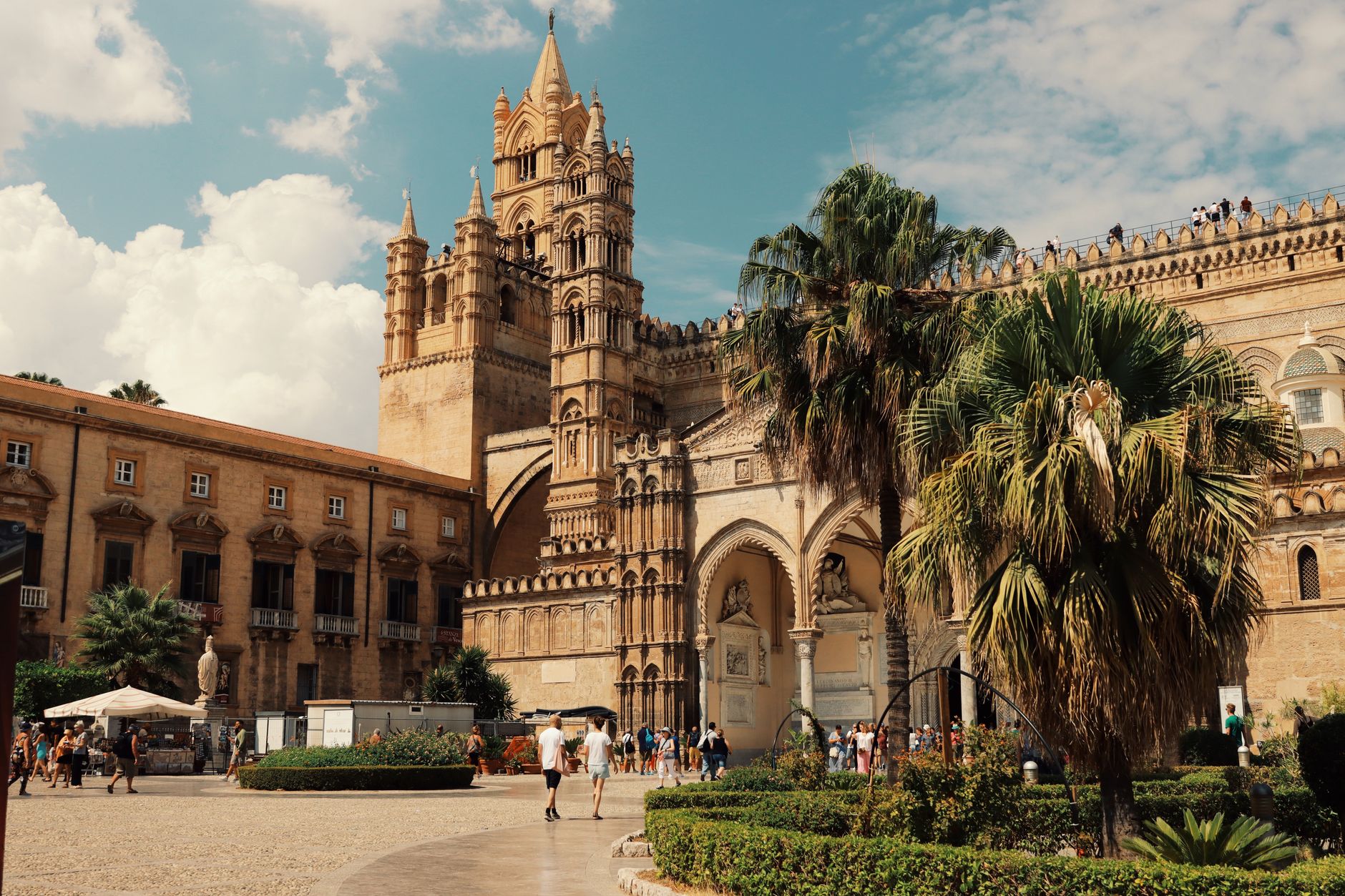
Palermo Cathedral
The Cattedrale Santa Vergine Maria Assunta, more commonly known as the Palermo Cathedral, is a monumental testament to the rich and diverse history of…
Catacombe Dei Cappuccini
Nestled in the vibrant city of Palermo, Sicily, the Catacombe dei Cappuccini (Capuchin Catacombs) stand as one of Europe’s most extraordinary historical and…
Foro Italico
The Foro Italico in Palermo, Italy, stands as a testament to the city's rich historical and cultural heritage.
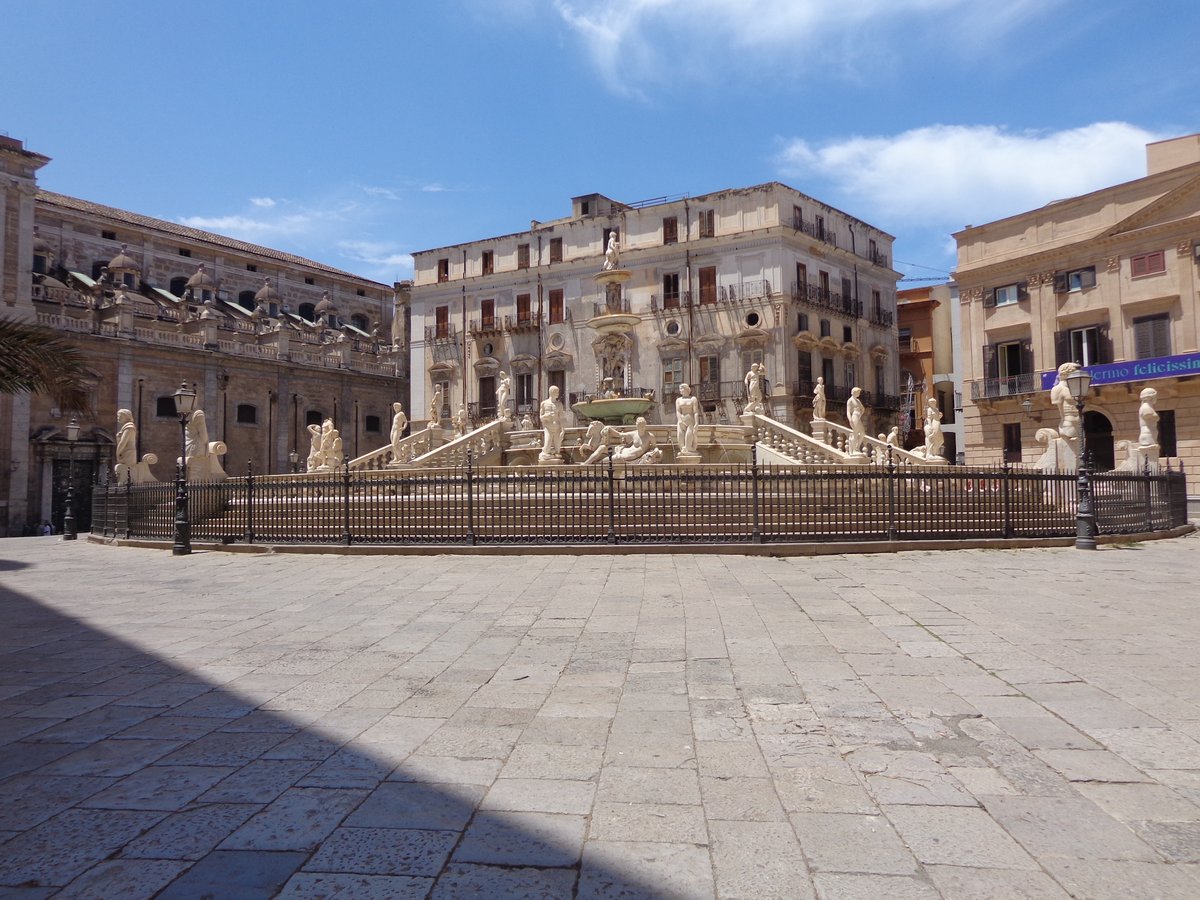
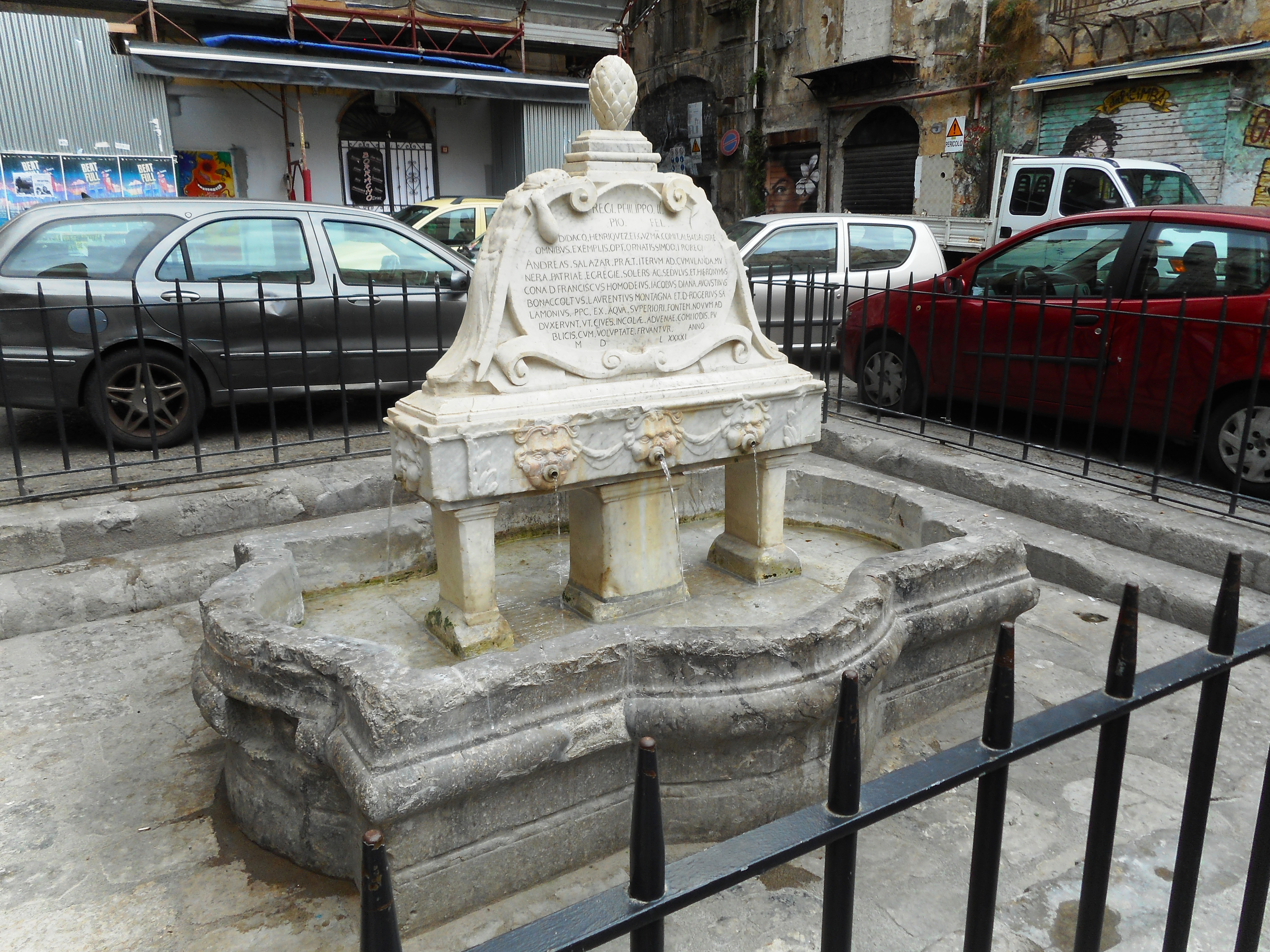
Fontana Pretoria
Fontana Pretoria, a magnificent 16th-century fountain located in Palermo, Sicily, is often referred to as the 'Fountain of Shame' due to the controversial…
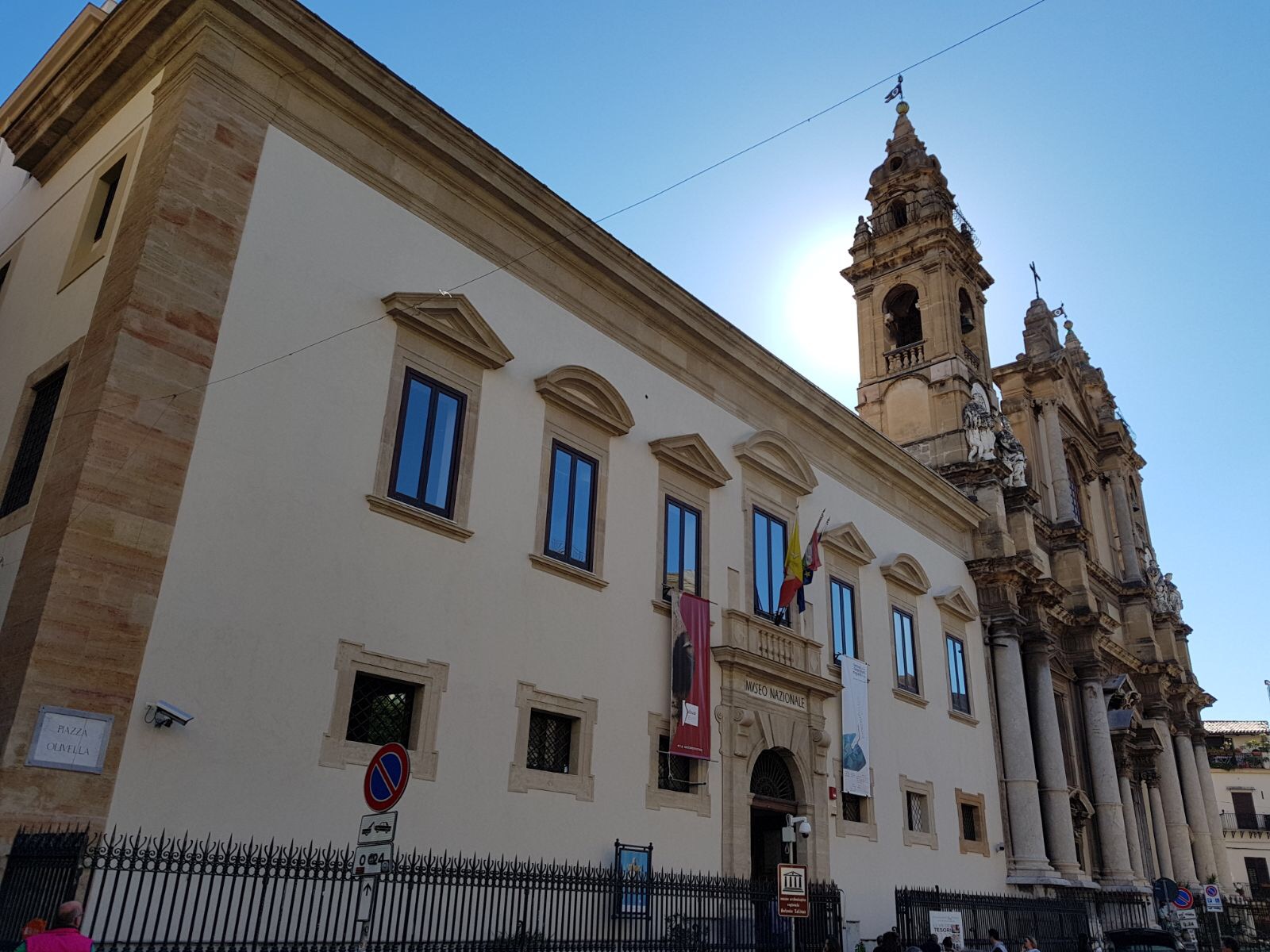
Regional Archaeological Museum Antonino Salinas
Nestled in the historic heart of Palermo, Italy, the Regional Archaeological Museum Antonino Salinas stands as a premier destination for those eager to…
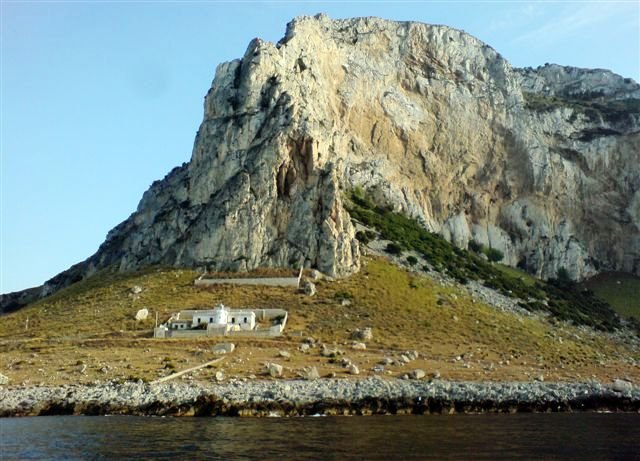
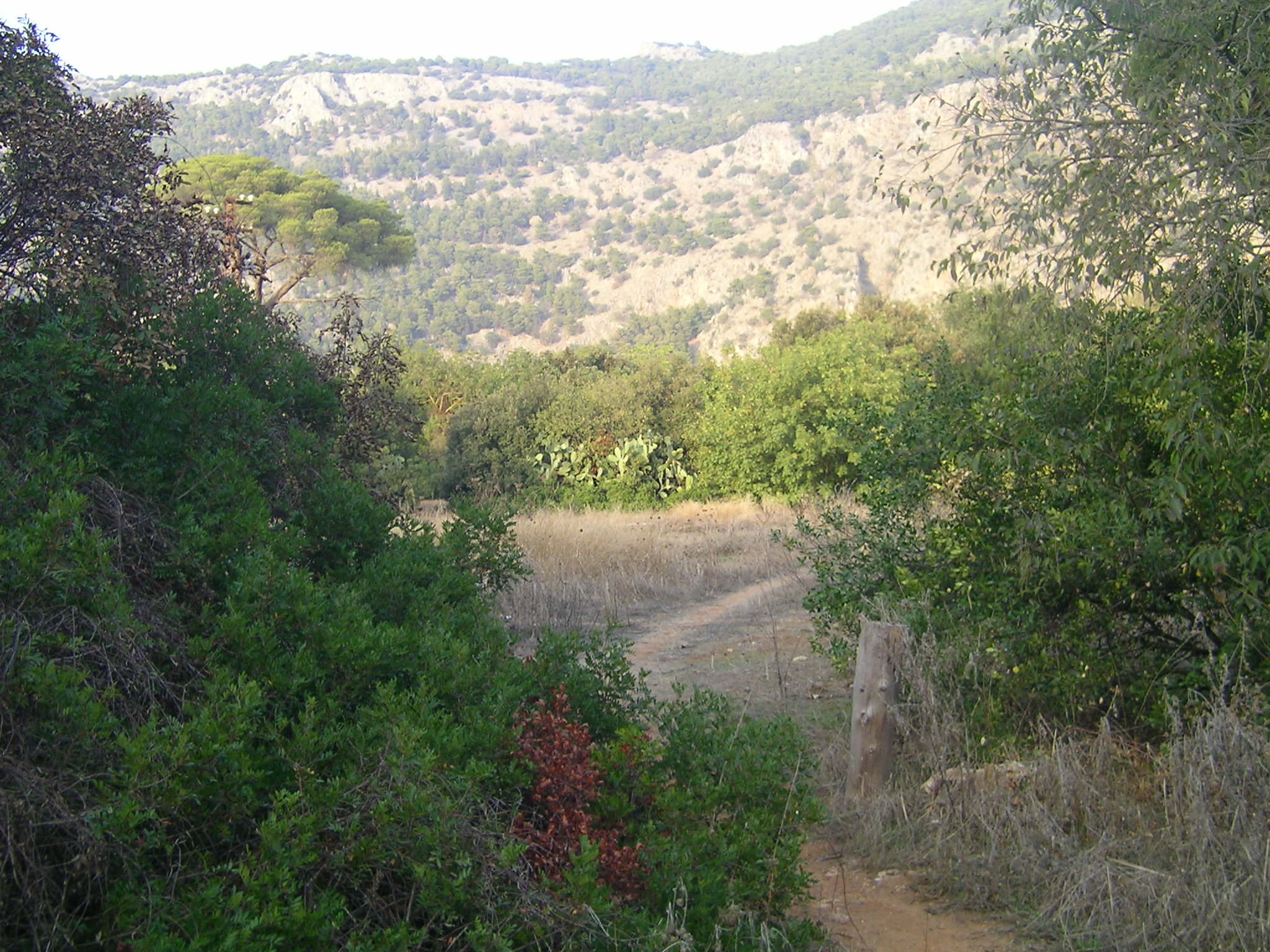
Riserva Naturale Orientata Capo Gallo
Capo Gallo, a magnificent limestone promontory extending into the Tyrrhenian Sea, serves as a testament to the rich historical and cultural tapestry of Sicily.
Church of the Gesu
Nestled in the vibrant historic heart of Palermo, Italy, the Church of the Gesù—also known as Casa Professa—is a stunning emblem of Sicilian Baroque grandeur…
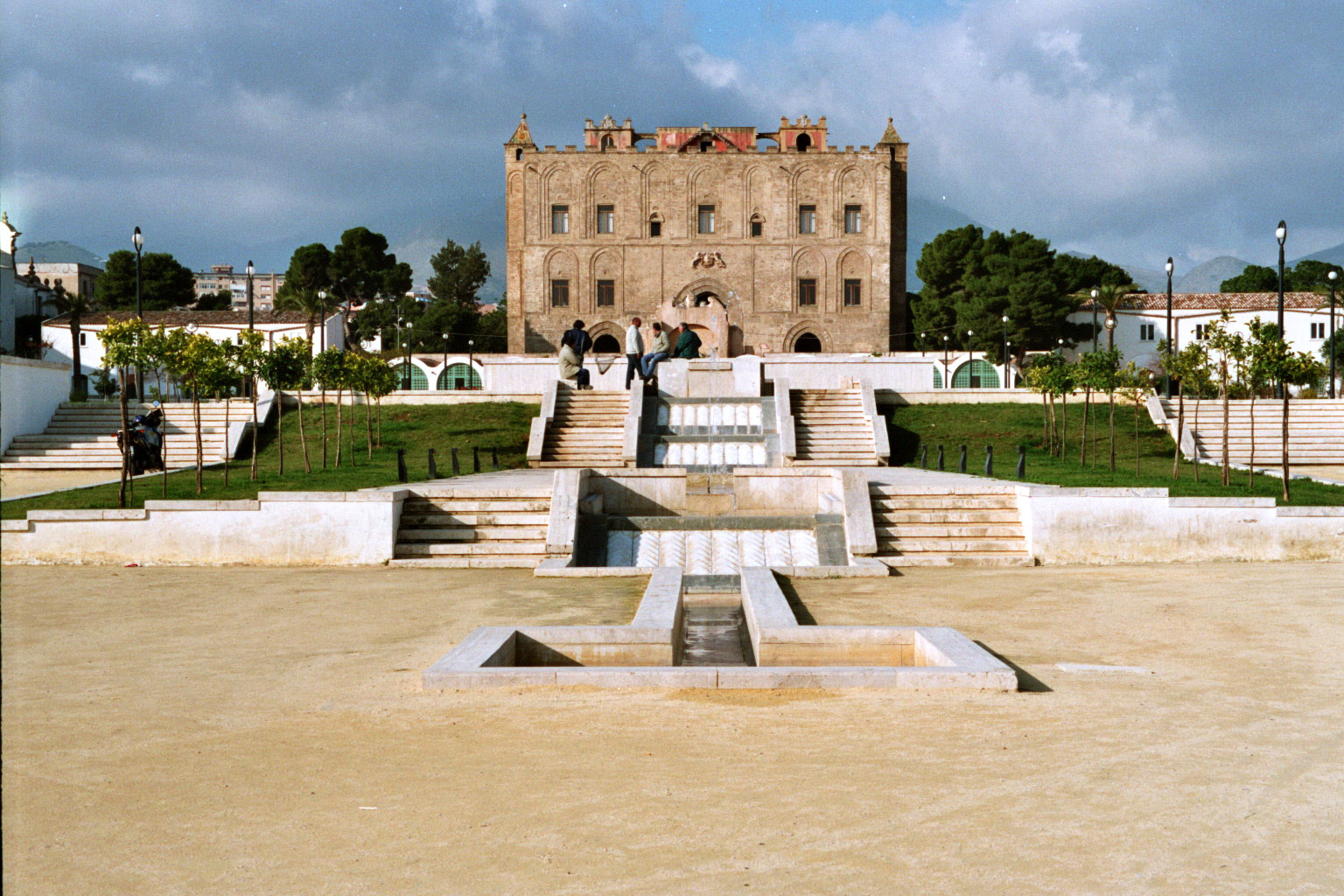
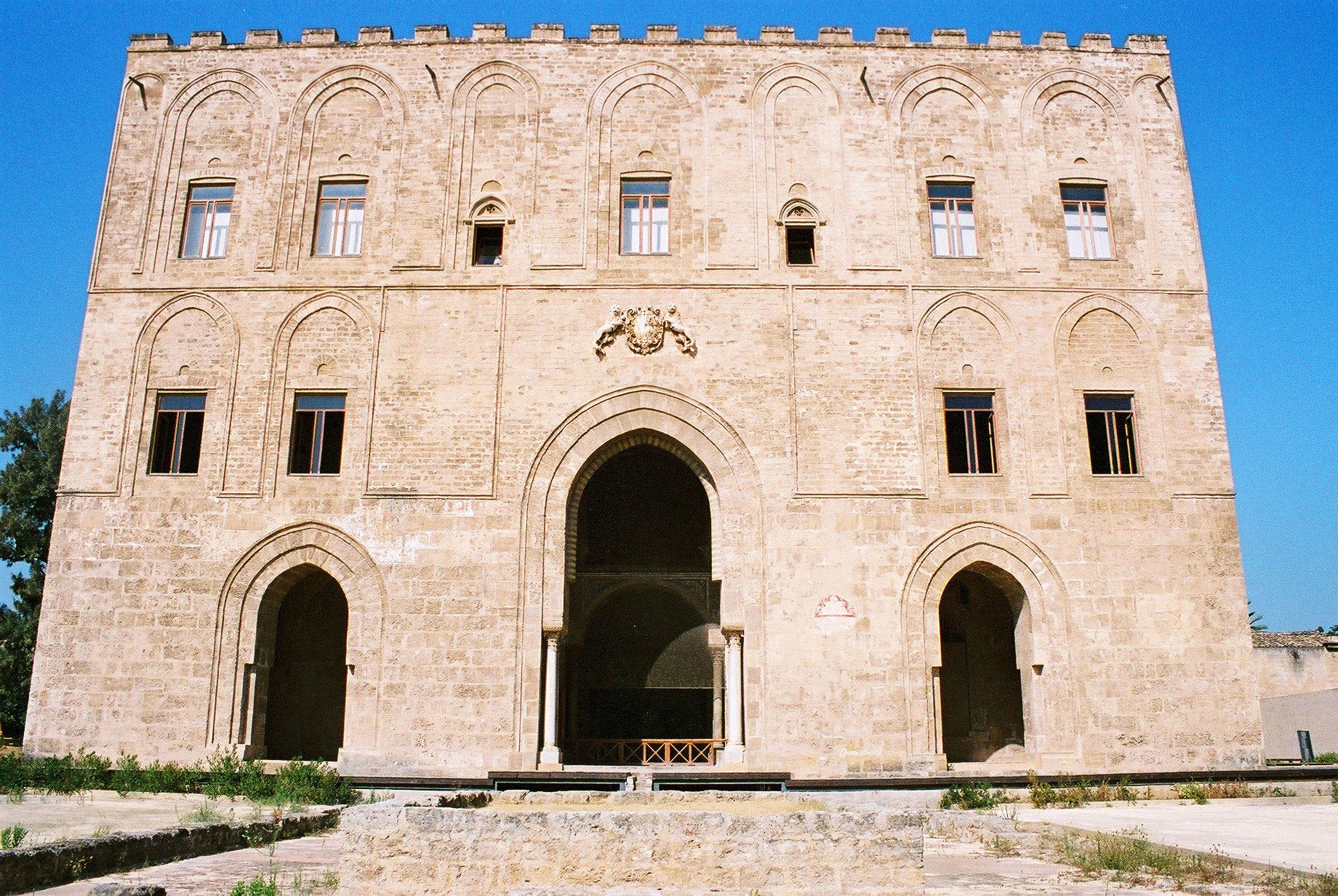
Zisa Castle
La Zisa, located in Palermo, Sicily, is an extraordinary example of Arab-Norman architecture, embodying the rich cultural and historical tapestry of the region.
Modern Art Gallery Sant'Anna
Nestled in Palermo’s historic Kalsa district, the Modern Art Gallery Sant’Anna (Galleria d’Arte Moderna Sant’Anna or GAM Palermo) stands as a vibrant…
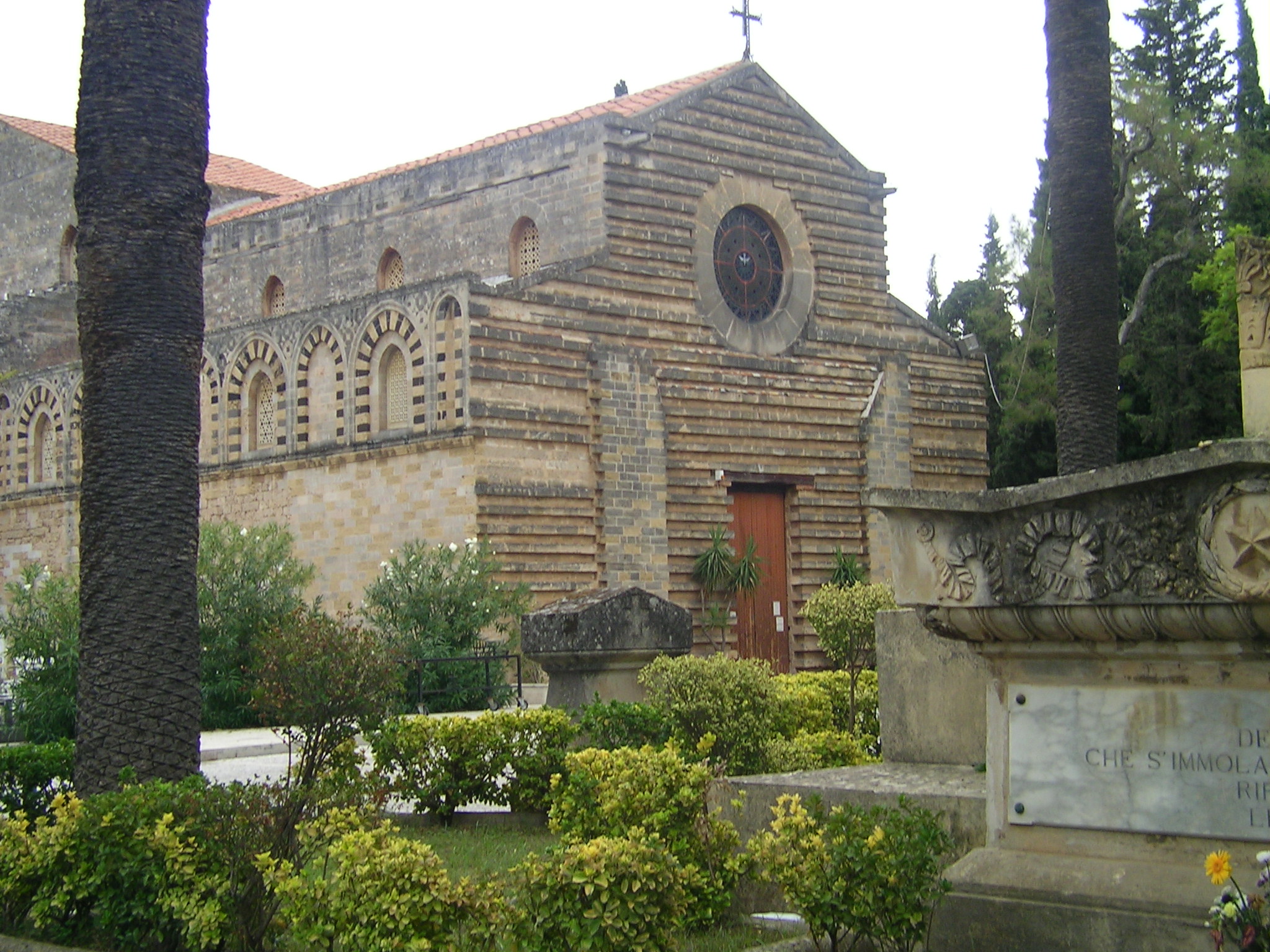
Archivio Di Stato Di Palermo
Nestled in the vibrant historical heart of Palermo, Sicily, the Archivio di Stato di Palermo stands as a premier cultural and research institution preserving…
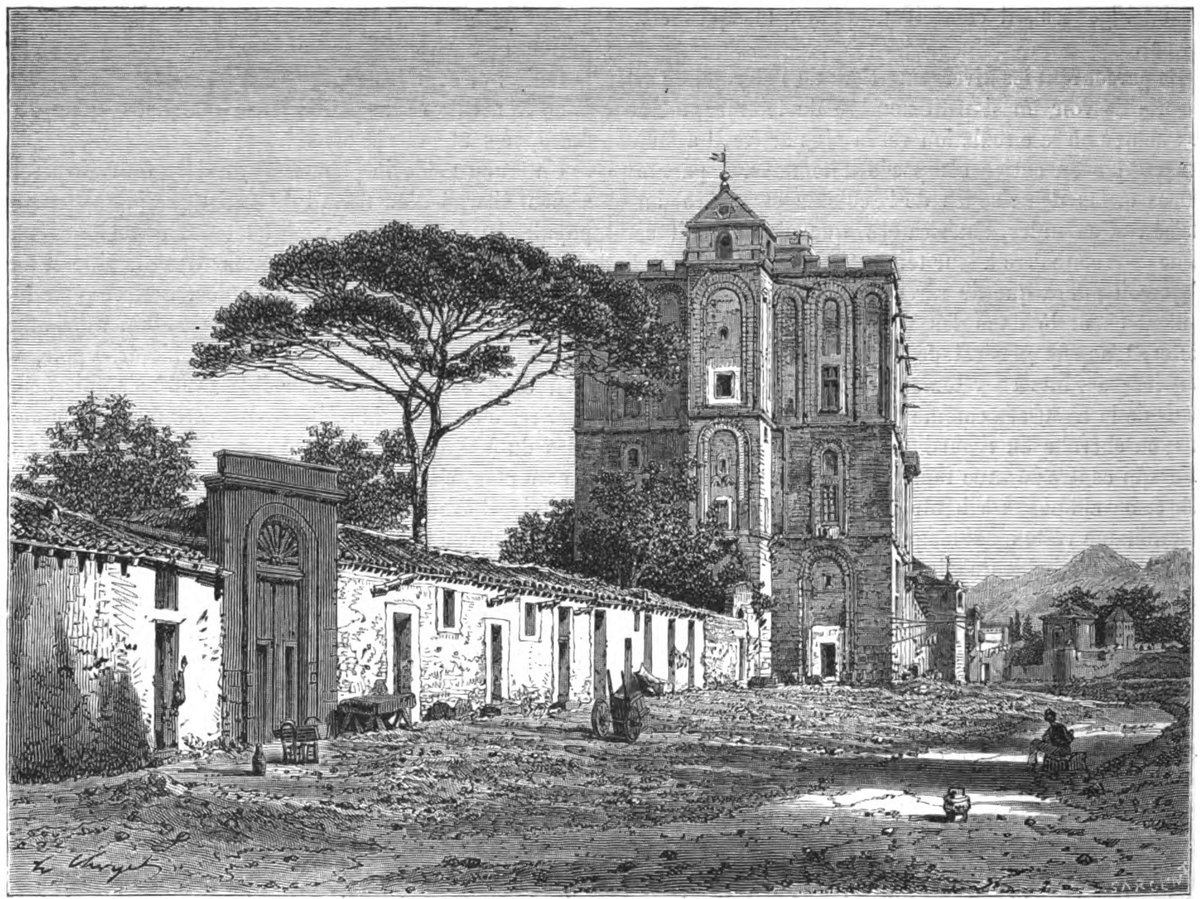
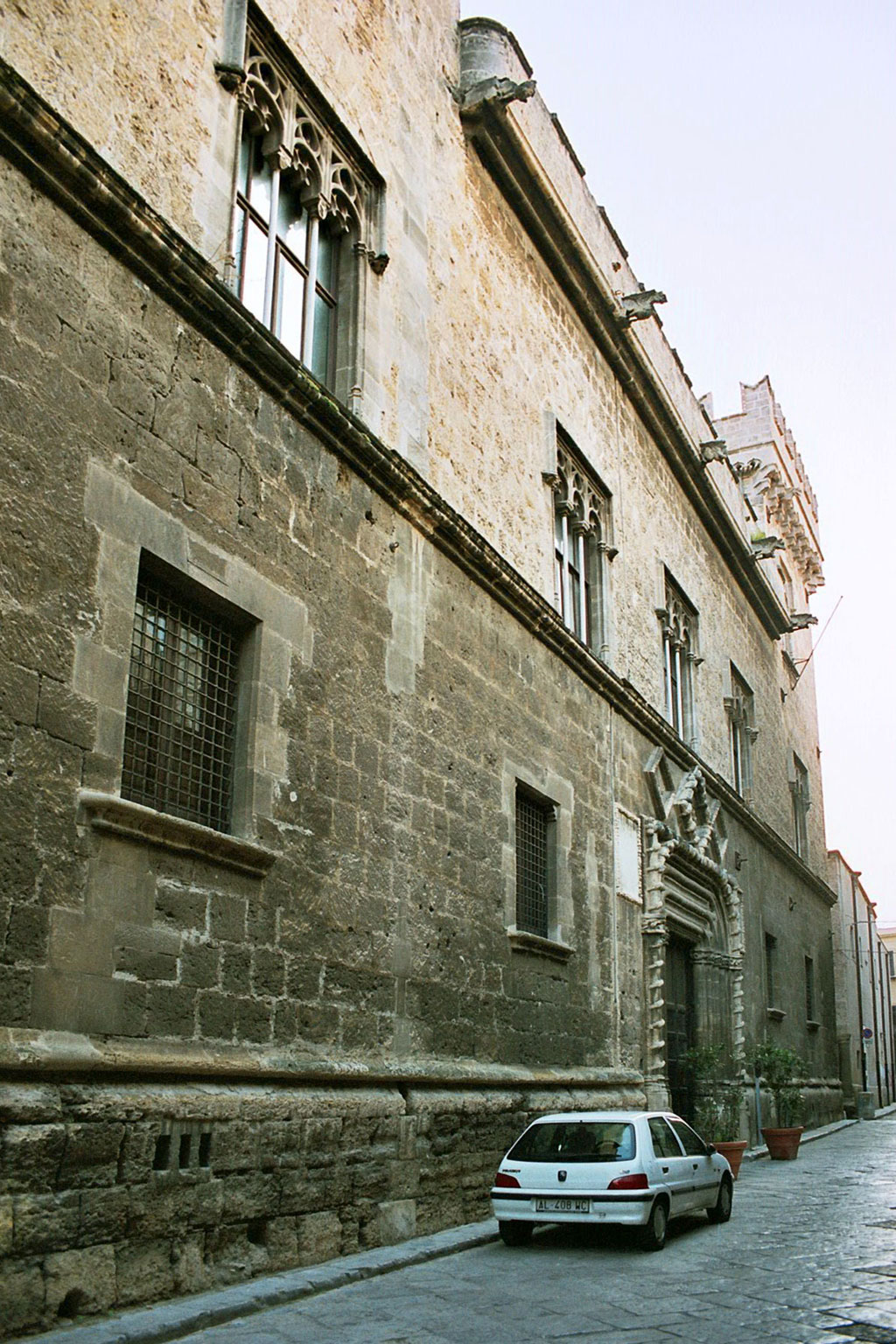
Cuba Palace
Nestled in the heart of Palermo, Italy, the Cuba Palace (Palazzo della Cuba) stands as a magnificent testament to Sicily’s rich multicultural heritage,…
What Makes This City Special
Arab-Norman Layering
Nine UNESCO-listed monuments where Byzantine gold mosaics meet Islamic muqarnas vaulting and Norman military ambition — all built within a single 12th-century generation. The Cappella Palatina alone holds more gold mosaic per square metre than anywhere else in Europe.
Street Food Capital
Palermo's markets are open-air kitchens where vendors still perform theatrical sales pitches called abbanniate. Spleen sandwiches, grilled lamb intestines, and fried rice balls aren't tourist curiosities — they're lunch, served from the same stalls since the Arab period.
Serpotta's Stucco Oratories
Giacomo Serpotta spent fifty years filling Palermo's oratories with white plaster figures so fluid they look like frozen theatre. Almost no visitors do the circuit — San Lorenzo, Santa Cita, San Domenico — yet it rivals any sculpture collection in Italy.
Monte Pellegrino & the Sea
Goethe called it the most beautiful headland in the world, and the 600-metre limestone cliff still dominates the city. A cave shrine to Santa Rosalia drips stalactite water at the summit; below, Mondello's Art Nouveau bathhouse stands on stilts over white sand.
Historical Timeline
Where Conquerors Came to Be Conquered
Three millennia of invasion, absorption, and reinvention
Phoenicians Found Ziz
Phoenician traders from Tyre planted a colony they called Ziz — "the flower" — on a natural harbour sheltered by the mass of Monte Pellegrino. The site was strategic: a way station on the sea route between Carthage and the Iberian trading posts. Two rivers flanked the promontory, creating a defensible anchorage that every subsequent empire would covet. Three thousand years later, the city's oldest street pattern still echoes those first Punic walls.
Rome Seizes Panormus
During the First Punic War, Roman legions under Lucius Caecilius Metellus captured Panormus after routing Carthaginian war elephants outside the walls — a victory so decisive that Metellus paraded the beasts through Rome. The conquest gave Rome control of western Sicily and turned Palermo into a prosperous municipium. It was a comfortable provincial posting — wine, grain, mild winters — but never a city Rome felt the need to monumentalise. That anonymity would end spectacularly eight centuries later.
The Aghlabids Storm the Walls
After a brutal year-long siege, Arab forces from Ifriqiya — modern Tunisia — finally breached Palermo's Byzantine defences. The conquest was violent, and chronicles record significant depopulation. But what followed was transformation on a scale the city had never known: the new rulers renamed it Balarm, made it their capital, and within a generation mosques, souks, and sophisticated qanat irrigation channels were reshaping the urban fabric entirely.
The Jewel of the Mediterranean
When the Arab geographer Ibn Hawqal visited Palermo in the 970s, he counted over 300 mosques — more, he sniffed, than the population warranted. But his account reveals a genuine metropolis: perhaps 100,000 inhabitants, extensive markets, lush gardens fed by qanat water systems, and a cultural life rivalling Cairo and Córdoba. The citrus groves, the jasmine, and the neighbourhood names — Kalsa from al-khalisa, "the chosen" — remain.
The Normans Take the City
Count Roger de Hauteville and his brother Robert Guiscard took Palermo after a five-month siege, ending two and a half centuries of Arab rule. But the Normans, unlike most medieval conquerors, chose absorption over erasure. Arab administrators kept their posts, Greek churches reopened alongside functioning mosques, and the new rulers adopted Arab court dress and bureaucratic methods. The result was Europe's most improbable multicultural experiment — a kingdom that spoke Arabic, Greek, Latin, and Norman French simultaneously.
Roger II Crowned King of Sicily
On Christmas Day 1130, Roger II was crowned in Palermo Cathedral, unifying the Norman conquests of southern Italy and Sicily into a single kingdom. He immediately set about making Palermo worthy of the title: expanding the Palazzo dei Normanni, centralising royal administration, and commissioning the Tabula Rogeriana — a world map so accurate that nothing would surpass it for three centuries. The coronation mantle he wore, inscribed in Arabic, is now in Vienna's Kunsthistorisches Museum.
The Cappella Palatina Gleams to Life
When the mosaic programme in Roger II's private chapel was substantially complete, the result stunned visitors then and stuns them now. Byzantine craftsmen laid gold tesserae across every surface while Arab artisans carved a muqarnas honeycomb ceiling above, and Latin inscriptions framed the whole composition. Three civilisations collaborated on a single room no larger than a modest church. No other building in the world compresses that much cultural complexity into so small a space.
Frederick II, the Wonder of the World
Born in Jesi but orphaned young and raised in Palermo's streets, Frederick II grew up speaking Arabic, Greek, Latin, and Sicilian — a polyglot education only this city could have provided. As Holy Roman Emperor and King of Sicily, he turned the court into an intellectual furnace: writing a zoological treatise on falconry, corresponding with Muslim scholars, and scandalising successive popes with his independence. He is buried in Palermo Cathedral in a porphyry sarcophagus, the Wonder of the World returned to the city that made him.
The Sicilian Vespers Uprising
On Easter Monday, as vesper bells rang at the Church of the Holy Spirit, a French soldier's insult to a Sicilian woman ignited a massacre. Within hours, some 2,000 Frenchmen in Palermo were dead. The uprising spread across the island in days, ending Angevin rule and installing the Aragonese dynasty. The Vespers became a foundational myth of Sicilian identity: proof that the island could expel any occupier, given sufficient provocation.
The Quattro Canti Takes Shape
Under Spanish viceroy Juan Fernández Pacheco, the intersection of Palermo's two main streets was sliced into an octagonal piazza with four matching curved facades — each representing a season, a Spanish king, and a patron saint. Completed over several decades, the Quattro Canti became the ceremonial heart of Spanish Palermo, a piece of Counter-Reformation theatre where every surface preaches order and hierarchy. It was urban planning as political statement: Baroque symmetry imposed on medieval chaos.
Plague, Bones, and a Patron Saint
The plague reached Palermo in May 1624 and killed roughly a third of the population within a year. In desperation, authorities organised a search on Monte Pellegrino, where the bones of the long-forgotten hermit Rosalia were reportedly discovered in a cave. When the relics were paraded through the streets, the plague receded — miracle or coincidence, the effect was permanent. Rosalia displaced the city's four previous patron saints overnight, and the Festino on July 15 remains Palermo's most extravagant celebration.
Giacomo Serpotta, Sculptor in Stucco
Born into a family of marble workers in the Kalsa quarter, Serpotta never left Palermo — and never needed to. Working exclusively in stucco, a humble material he elevated to impossible refinement, he filled the city's oratories with swooping putti, theatrical allegories, and cascades of white plaster so fluid they seem caught mid-motion. The Oratorio di San Lorenzo and the Oratorio del Rosario are his masterpieces: rooms that feel like the inside of a cloud designed by a genius with a sense of humour.
Scarlatti, Born in the Kalsa
Baptised on May 2, 1660 at Santa Maria della Pietà, Alessandro Scarlatti would go on to virtually invent Neapolitan opera and compose over 600 cantatas. He left Palermo at twelve for Rome, but the city's musical culture — its street musicians, its church choirs, its appetite for theatrical spectacle — shaped his ear for drama. His son Domenico became arguably the greatest keyboard composer before Bach. Palermo rarely claims the Scarlattis, but the baptismal records are unambiguous.
An Astronomer Spots a New World
On New Year's Day 1801, Giuseppe Piazzi was mapping stars at the Palermo Astronomical Observatory — perched, improbably, atop the Palazzo dei Normanni — when he noticed a faint object drifting against the fixed stars. He had discovered Ceres, the largest body in the asteroid belt and later reclassified as a dwarf planet. It was the first new solar system object found since antiquity, spotted from a Norman palace roof in Sicily.
Palermo Fires the First Shot
On January 12, 1848, Palermo erupted in revolution — the first of the uprisings that would sweep across Europe that year. Barricades went up in every quarter, and within weeks the Bourbon garrison was expelled. Under Ruggero Settimo's presidency, Sicily declared an independent constitutional government that lasted sixteen months before Ferdinand II's troops retook the island. The failure was temporary; the idea of self-determination was not.
Garibaldi Enters Palermo
On May 27, 1860, Giuseppe Garibaldi and his Thousand — reinforced by several thousand Sicilian irregulars — fought their way into the city after three days of savage street battle against 20,000 Bourbon troops. Palermo fell, and with it the Kingdom of the Two Sicilies. Within months, Sicily was absorbed into a united Italy for the first time. For Palermo, it meant new citizenship but a familiar condition: provincial capital of someone else's state.
Lampedusa, Chronicler of Faded Grandeur
Giuseppe Tomasi di Lampedusa was born into one of Palermo's oldest noble families, growing up in a palazzo near the Quattro Canti that would later be destroyed by Allied bombs. He spent decades reading, thinking, and writing almost nothing — until, in his final years, he produced Il Gattopardo, a novel about the Sicilian aristocracy watching its own irrelevance arrive with Garibaldi. Published posthumously in 1958, it became Italy's most celebrated modern novel. "If we want things to stay as they are, things will have to change."
Teatro Massimo Finally Opens
After twenty-two years of construction and considerable cost overruns, Palermo's Teatro Massimo opened on May 16, 1897 with a performance of Verdi's Falstaff. Italy's largest opera house and Europe's third, it was a statement of civic ambition from a city that felt its post-unification marginalisation acutely. The neoclassical facade climbs a monumental staircase; the auditorium seats 1,350 in gilded horseshoe tiers. A century later, Coppola chose those same steps for the final scene of The Godfather Part III.
Allied Bombs Level the Old City
Between May and July 1943, Allied bombers struck Palermo repeatedly in preparation for Operation Husky, the invasion of Sicily. The historic centre absorbed devastating damage — churches, palazzi, entire neighbourhoods reduced to rubble. When American troops entered on July 22, they found a population exhausted and hungry but largely relieved. Many bomb-scarred buildings stood unrepaired for decades, their hollow shells an accidental monument to the war and to the neglect that followed.
The Maxi Trial Begins
On February 10, 1986, inside a purpose-built concrete bunker-courtroom beside Ucciardone prison, the largest criminal trial in Italian history opened. Prosecutors Giovanni Falcone and Paolo Borsellino had spent years assembling evidence against 475 alleged Mafia members. When the verdicts came in December 1987, 360 were convicted and sentences totalled over 2,600 years. The trial shattered Cosa Nostra's myth of untouchability — and sealed the fate of the two men who built the case.
Capaci and Via D'Amelio
On May 23, a half-ton of explosives detonated beneath the A29 motorway as Giovanni Falcone's motorcade passed Capaci, killing the judge, his wife, and three bodyguards. Fifty-seven days later, a car bomb on Via D'Amelio killed Paolo Borsellino and five officers. The double assassination convulsed Italy and transformed Palermo. Bedsheets bearing anti-Mafia slogans appeared on balconies across the city, the airport was renamed Falcone-Borsellino, and a generation grew up refusing to look away.
UNESCO Recognises the Layers
UNESCO inscribed Palermo's Arab-Norman monuments — the Palazzo dei Normanni, Cappella Palatina, cathedral, La Martorana, San Cataldo, La Zisa, and San Giovanni degli Eremiti — as a World Heritage Site. The designation honoured not individual buildings but their collective testimony to a moment when Christian, Muslim, and Byzantine cultures produced something none could have achieved alone. For a city long defined by what it had lost, the recognition acknowledged what endures.
Notable Figures
Frederick II, Holy Roman Emperor
1194–1250 · Holy Roman Emperor and King of SicilyOrphaned at three, Frederick grew up in Palermo speaking Arabic, Greek, Latin, and Sicilian simultaneously — the most cosmopolitan court education in medieval Europe. As emperor he conducted scientific experiments, wrote poetry in the Sicilian vernacular, and corresponded with Islamic philosophers, all from the Palazzo dei Normanni whose Norman towers still stand. He asked to be buried in Palermo Cathedral, where his red porphyry sarcophagus sits in a chapel just right of the entrance.
Giacomo Serpotta
1656–1732 · Stucco sculptorSerpotta spent his entire career decorating Palermo's private oratories with white stucco figures of such precision that visitors sometimes mistake them for marble. He hid a self-portrait in the Oratorio del Rosario di San Domenico as a weasel — serpotta means 'little snake' in Sicilian dialect — which says something about his sense of humor. The three oratories he completed in Palermo rank among the finest Baroque interiors in Europe and remain almost entirely off the tourist circuit.
Giuseppe Tomasi di Lampedusa
1896–1957 · NovelistBorn into one of Sicily's oldest noble families, Lampedusa watched his family palace destroyed by Allied bombing in 1943 and spent the rest of his life writing about the slow dissolution of Sicilian aristocracy. The novel he finished shortly before he died — Il Gattopardo (The Leopard) — was rejected twice before being published posthumously in 1958; it won the Strega Prize, became a Visconti film, and is ranked among the greatest Italian novels ever written. The ballroom scene was filmed at Palazzo Gangi in the old city, which still hosts private dinners.
Giovanni Falcone
1939–1992 · Anti-Mafia magistrateFalcone grew up in Palermo's Kalsa quarter — the same working-class neighborhood that produced many of the men he would spend his career prosecuting. His Maxi Trial of 1986–87 resulted in 360 convictions and broke the myth of Mafia impunity. On May 23, 1992, Cosa Nostra detonated 500 kilograms of explosive beneath the A29 motorway near Capaci; the city's international airport now bears his name alongside that of his colleague Paolo Borsellino, killed just 57 days later.
Alessandro Scarlatti
1660–1725 · Baroque composerPalermo's baptismal records confirm Scarlatti was born here on May 2, 1660, though he left for Rome as a teenager and built his reputation in Naples, founding what became the Neapolitan school of opera. He composed over 600 cantatas and 115 operas, establishing the formal conventions that Handel and Mozart would later inherit. Palermo rarely claims him loudly; the city has a habit of overlooking the figures who left and made their names elsewhere.
Letizia Battaglia
1935–2022 · PhotojournalistBattaglia took up photography in her late thirties and spent the next four decades arriving before police at Mafia murder scenes, building a black-and-white archive of terror that won the World Press Photo award and was exhibited across Europe and America. Her images of blood on Palermo's streets through the 1970s and 80s are among the most powerful documentary photographs of 20th-century Italy, and are not comfortable to look at — which is exactly the point. She died in Palermo in 2022 at 87, having also served in city government and pushed hard for its cultural renewal.
Saint Rosalia
c. 1130–c. 1166 · Patron saint of PalermoAccording to tradition, Rosalia was born into the Norman nobility, rejected court life, and retreated to a cave on Monte Pellegrino above the city, where she died alone. She was largely forgotten for five centuries until 1624, when her bones were found during a plague that had killed thousands — a procession was staged with her relics, the plague stopped, and every July 15 since 1625 Palermo has filled its streets with a gilded float and harbor fireworks in collective, theatrical gratitude.
Totò Schillaci
1964–2024 · FootballerSchillaci grew up in Palermo's Zisa neighborhood, in the shadow of the 12th-century Arab-Norman palace of the same name — a detail that captures something about the city's layered geography. A late developer who didn't reach Serie A until 25, he scored six goals in seven games at Italia '90, winning both the Golden Boot and Golden Ball and becoming the face of one of football's most remembered tournaments. When he died in September 2024, Palermo mourned him in the streets.
Photo Gallery
Explore Palermo in Pictures
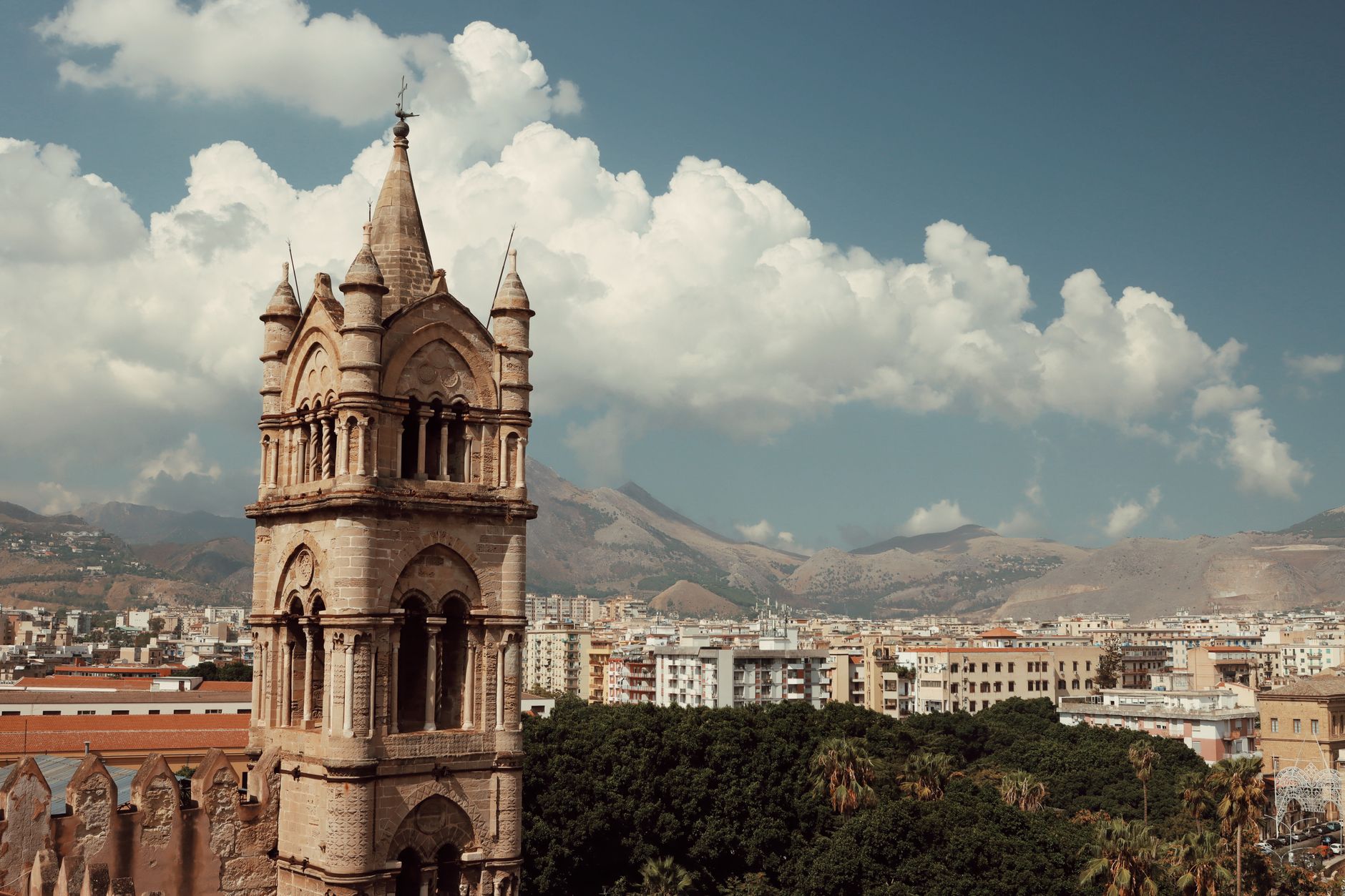
The ornate bell tower of the Cathedral of Palermo rises above the city, framed by the majestic mountains of Sicily.
Efrem Efre on Pexels · Pexels License
The stunning Palermo Cathedral showcases a unique blend of architectural styles against the vibrant blue sky of Sicily, Italy.
MaksUAtravel on Pexels · Pexels License
A beautifully sculpted religious statue stands prominently before the historic architecture of the Palermo Cathedral in Sicily, Italy.
Efrem Efre on Pexels · Pexels License
The stunning Palermo Cathedral stands as a testament to Sicily's rich history, surrounded by lush gardens and a bustling plaza under a bright Italian sky.
Efrem Efre on Pexels · Pexels License
A scenic aerial perspective of the bustling port of Palermo, Italy, framed by the majestic Monte Pellegrino mountain at sunset.
Masi on Pexels · Pexels License
The stunning Palermo Cathedral showcases a unique blend of architectural styles set against a vibrant blue sky in the heart of Sicily, Italy.
José Barbosa on Pexels · Pexels License
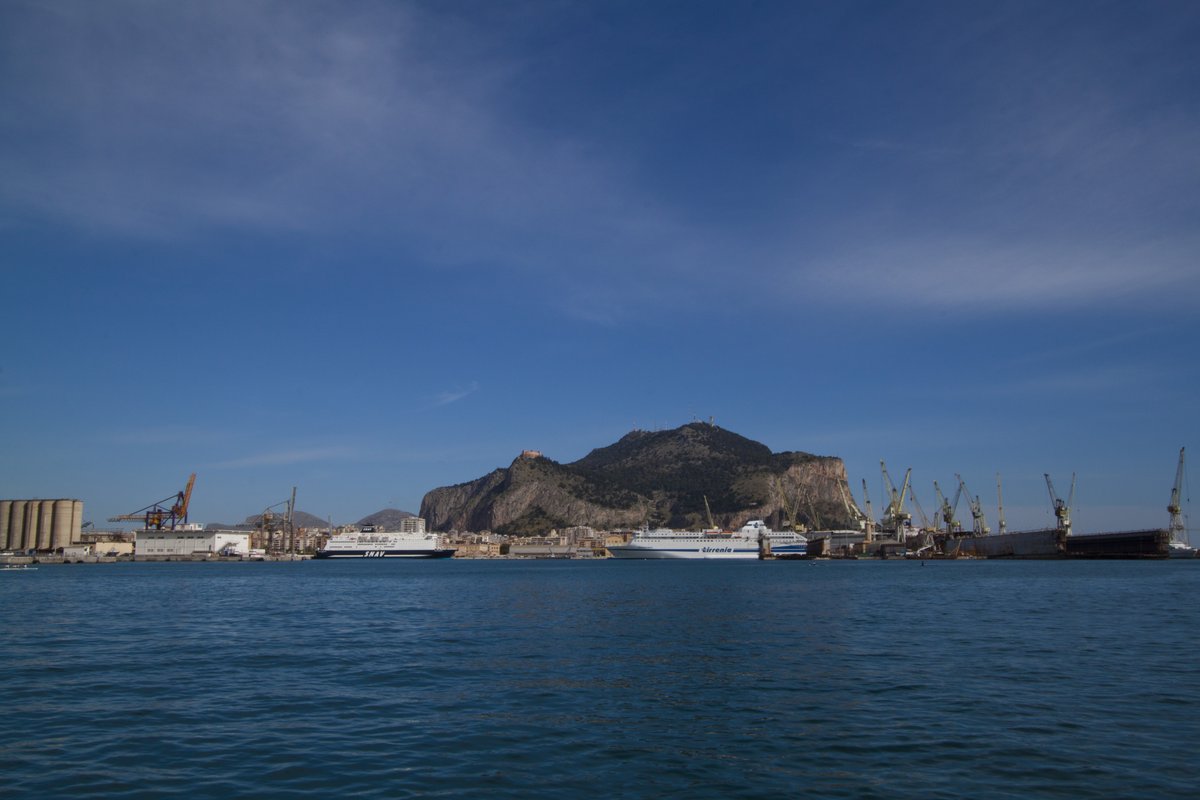
A scenic aerial perspective of the Palermo harbor, where industrial buildings meet the calm Mediterranean sea against a backdrop of majestic mountains.
Masi on Pexels · Pexels License
The stunning Palermo Cathedral showcases a unique blend of architectural styles, standing as a historic landmark in the heart of Sicily, Italy.
Inmaculada Peña on Pexels · Pexels License
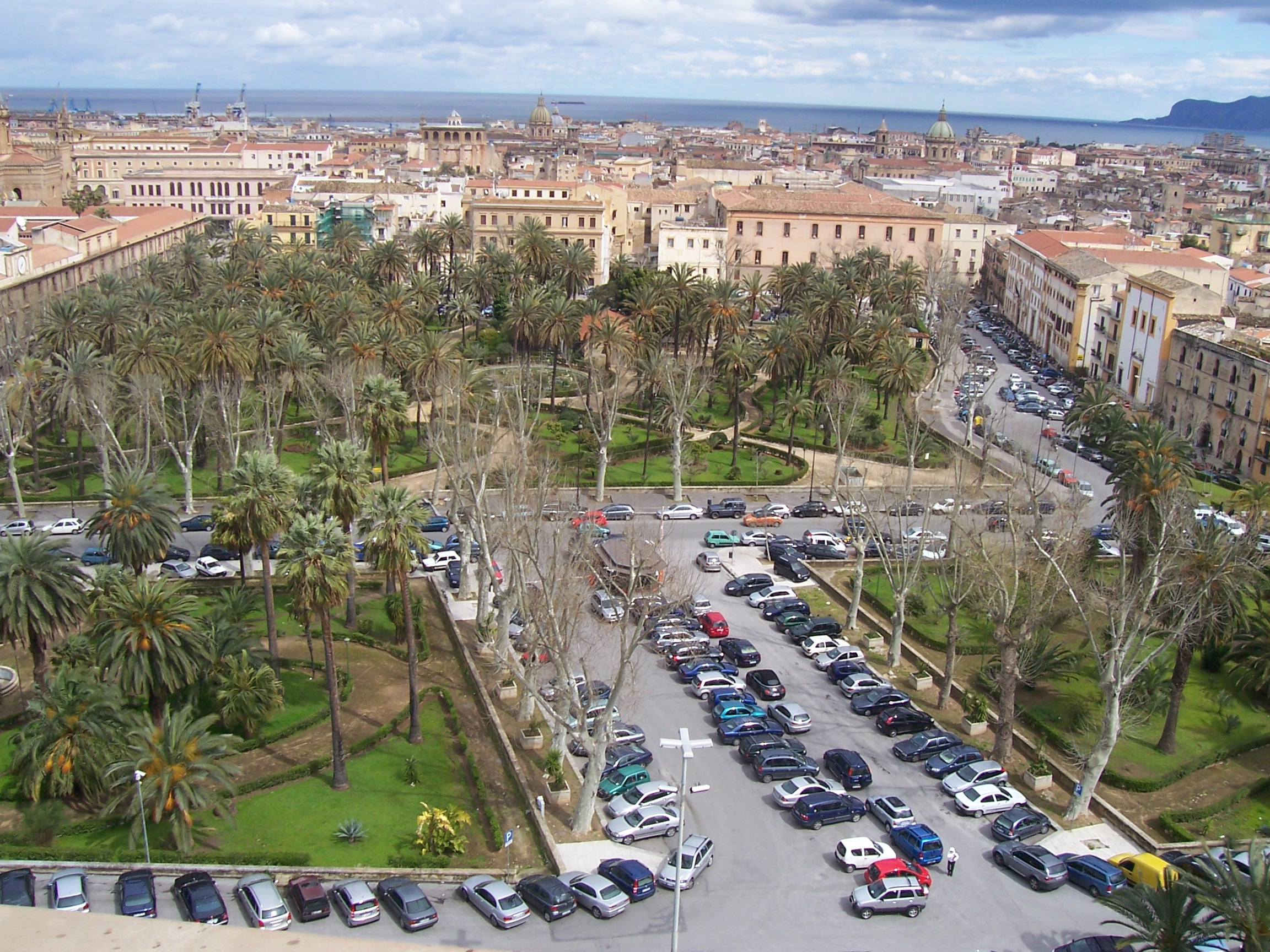
A scenic, elevated view of the historic skyline of Palermo, Italy, showcasing traditional terracotta rooftops and iconic church architecture.
Efrem Efre on Pexels · Pexels License
The majestic Teatro Massimo in Palermo, Italy, stands as a stunning example of neoclassical architecture under a bright, clear sky.
Inmaculada Peña on Pexels · Pexels License
The magnificent Palermo Cathedral stands as a testament to Sicily's rich history, showcasing stunning Arab-Norman architectural details under a clear blue sky.
Inmaculada Peña on Pexels · Pexels License
Videos
Watch & Explore Palermo
Palermo, Sicily — Italy Walking Tour 4K 🇮🇹
Palermo, Sicily bucket list: 10 best things to see & do on a day trip to Palermo
The ULTIMATE Sicilian STREET FOOD TOUR in Palermo, Italy - (Sicily with a local)
Practical Information
Getting There
Falcone-Borsellino Airport (PMO) sits 35 km west of the city. The Prestia e Comandè express bus runs every 30 minutes to Politeama and Palermo Centrale station (about €6.30, 50 min), or the Trinacria Express train follows a scenic coastal route for roughly €5.90. Palermo Centrale connects directly to Cefalù (45 min), Agrigento (2 hr), Trapani (2 hr), and Catania (3 hr) via Trenitalia — Italo does not serve Sicily. Overnight ferries from GNV and Grimaldi reach Naples in 10.5 hours and Civitavecchia in 13.5.
Getting Around
The historic centre is compact — roughly 2 km across — and best covered on foot, especially the pedestrianised Via Maqueda. AMAT runs city buses and four tram lines; a single 90-minute ticket costs about €1.40, a day pass €3.50, and a weekly pass €12. For Mondello beach, take bus 806. There is no metro system. Contactless payment is being rolled out but carry paper tickets from any tabacchi shop as backup — validate on boarding, inspectors check.
Climate & Best Time
Mediterranean heat defines the calendar: July and August hit 32°C with almost no rain, making prolonged sightseeing punishing. April and May (18–25°C, under 40 mm rain, 8–9 hours of sun) and late September through October (21–29°C, sea still swimmable) are the sweet spot — lower prices, open terraces, manageable crowds. Winter brings 70–90 mm of monthly rain and short days, though temperatures rarely dip below 9°C.
Language & Currency
English proficiency is lower than in northern Italy — museum staff and hotel desks manage fine, but market vendors, bus drivers, and neighbourhood trattorie operate in Italian only. Write your destination down for taxi drivers. Euro is the currency; cash remains essential for markets, street food, and smaller restaurants where card terminals are absent. Use bank-branch ATMs (UniCredit, Intesa Sanpaolo) and always decline dynamic currency conversion.
Safety
Palermo is generally safe and organised crime has no meaningful tourist impact. Standard vigilance applies at Ballarò and Capo markets for pickpockets — front pockets, bags on the building side. The Centrale station area and Borgo Vecchio warrant normal caution after dark. Use only official white taxis and confirm the airport flat fare (about €45) before boarding; unofficial parking attendants (parcheggiatori abusivi) are not legally owed anything.
Where to Eat
Don't Leave Without Trying
Ancient Saint Francis Focaccia Shop
local favoriteOrder: Pane câ Meusa — boiled spleen and lung in a sesame bun. Order it 'maritata' (with ricotta) if it's your first time. This is the dish that defines Palermo.
Operating since 1834, this is the most storied address in Palermo street food. The family famously testified against the mafia in the 1990s — every sandwich carries a little history.
Ai Normanni
local favoriteOrder: Pasta con le sarde — sardines, wild fennel, saffron, pine nuts, raisins, toasted breadcrumbs. Arab-Norman Palermo in a single plate. Follow with involtini di pesce spada if it's on the menu.
Named after the Normans who gave Palermo its medieval golden age, this trattoria sits on one of the city's most atmospheric piazzas. The cooking is honest and rooted — no concessions to tourist expectations.
Pasticceria Cappello
cafeOrder: The Setteveli — a seven-layer hazelnut-chocolate mousse cake that Cappello invented and that pastry chefs across Italy now imitate. Cannoli filled to order only. Get here early; the Setteveli sells out.
Palermo's most respected pastry shop, full stop. Their cannoli shells are filled on demand — if you ever see pre-filled cannoli in a display case, you're in the wrong place. The Setteveli alone justifies the taxi.
Malox Cult
quick biteOrder: Whatever's on the board — the menu rotates around fried Sicilian snacks, arancine, and panelle. Order one of everything; that's the point.
The name implies you'll need antacid — and you won't care. A genuine cult haunt with zero pretension and a rotating menu of things fried in very good oil. The locals who eat here regularly are the review.
Il Mirto e la Rosa
local favoriteOrder: Caponata di melanzane — sweet-sour eggplant stew with capers, olives, and celery that tastes different in every kitchen. Order the daily pasta special alongside it.
Palermo isn't known for vegetarian cooking, but this intimate restaurant does it better than almost anywhere in the city. A kitchen that treats vegetables with the same seriousness usually reserved for fish.
La Corte dei Mangioni Savoca OSTERIA 1999
local favoriteOrder: Ask what's fresh — pasta con le sarde when fennel is in season, grilled fish when the market was good that morning. This kitchen cooks to its pantry, not to a laminated menu.
A proper osteria doing sincere Sicilian cooking since 1999, evenings only, in a room that feels untouched by tourism. This is where Palermitans eat on a Wednesday night when they want something that tastes like home.
Vespa Café
cafeOrder: Aperitivo from 6 PM — Sicilian wines by the glass with small plates. The Nero d'Avola cocktails are the move if you want something beyond wine.
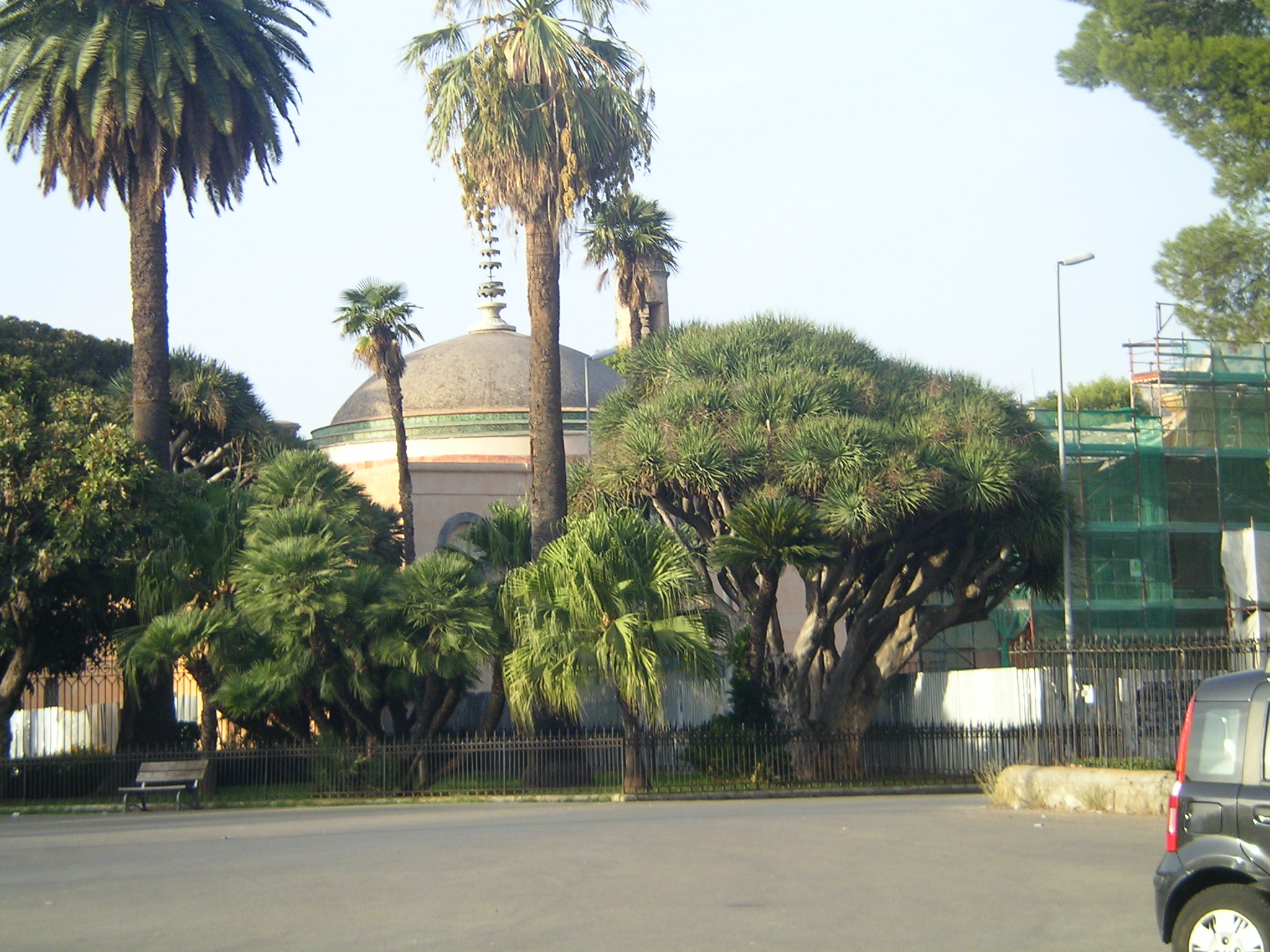
Palermo's best aperitivo bar: candlelight, Vespa iconography, and a wine list that actually knows its Sicilian producers. Evening only, which makes it the mandatory pre-dinner stop for the first two hours of the night.
Palermo Store and Cafe
cafeOrder: Sfincione — thick Palermitan pizza with tomatoes, onions, anchovies, caciocavallo, and breadcrumbs. Nothing like Neapolitan pizza and better for it. Perfect standing lunch on Via Maqueda.
A smart café-deli hybrid on the city's main pedestrian axis — the kind of place you return to three times a day when you're exploring on foot. Good for a quick morning coffee and an even better midday stop.
Antico Caffè Spinnato
cafeOrder: Granita con brioche col tuppo — almond granita is the classic, mulberry (gelso) if you're here in June. Dip the brioche directly into the granita. This is the Sicilian breakfast.
An institution since 1860 on Palermo's elegant pedestrian street. The terrace is the best seat in the city for the morning passeggiata — order slowly and watch the neighborhood wake up.
Snack Away
quick biteOrder: Pane e panelle — chickpea fritters in a sesame bun, the working-class lunch of Palermo. Ask for crocchè (potato croquette) stuffed inside as well. Eat standing.
A no-frills counter in a quiet piazza near the water that does some of the city's best panelle. The kind of place you'd never find without a tip — which is exactly why you're here.
Pasticceria Massaro
cafeOrder: Morning cornetto and espresso at the bar, then come back for seasonal granita and their cassata — lighter than the baroque versions you'll find in tourist spots.
The neighborhood daily pasticceria for the residential quarter near the university — no tourist markup, honest prices, and the casual warmth of a place that knows its regulars by name.
Bacio Nero - Stazione Centrale
cafeOrder: Brioche and granita at dawn — the only correct breakfast before a 5 AM train, and the only café near the station worth knowing about.
Opens at 4:30 AM, which makes it indispensable. No station café clichés here — just a proper Sicilian breakfast counter doing what it does without fuss, for whoever shows up before the city wakes.
Dining Tips
- check Lunch runs 1:00–3:00 PM, dinner rarely before 8:00 PM — kitchens at proper restaurants are not open at 6:30 PM
- check Cash is essential at markets and street food stalls; carry coins for sfincione carts and frittola vendors
- check Tipping is not customary — rounding up the bill is a gesture of appreciation, not an obligation
- check Cannoli rule: if the shell looks damp or the ends were pre-filled, walk away and find somewhere else
- check Say 'arancina' not 'arancino' — Palermo insists on the feminine form; you will be corrected, gently but firmly
- check A coperto (cover charge) of €1–2 per person is normal at sit-down restaurants — it's printed on the menu and not negotiable
- check Ballarò and Vucciria markets wind down by early afternoon — street food peaks at lunchtime, not in the evening
- check For top restaurants, call or email at least a week ahead for weekend dinners; for trattorias, a same-day call is usually enough
Restaurant data powered by Google
Tips for Visitors
Book Cappella Palatina Early
Palazzo dei Normanni restricts public visits on parliamentary session days — check normannipalermo.it and book online; arrive at 9am to see the floor-to-ceiling gold mosaics before tour groups arrive.
Hit Markets Before Noon
Ballarò and Capo markets peak Tuesday–Saturday mornings; the theatrical hawkers' calls (abbanniate) are half the experience, and stalls start packing up after noon.
Order the Spleen Sandwich
Pani ca meusa — beef spleen and lung fried in lard, served plain (schetta) or with ricotta (maritata) — is the definitive Palermo street food and costs under €3 at market vendors near Ballarò.
Tour the Serpotta Oratories
The three oratories decorated by Giacomo Serpotta (San Lorenzo, Santa Cita, San Domenico) have erratic opening hours — book a guided tour through Amici dei Musei or Palermo per Tutti to guarantee entry.
Airport: Bus Over Train
The Prestia e Comandè express bus (€6.30, every 30 min) drops near most hotels and Palermo Centrale with no reservation needed; the Trinacria Express train (€5.90) is slightly cheaper but check last departures for late flights.
Avoid Midsummer Heat
July–August temperatures reach 35°C+ with sea humidity; April–June and September–October give you ideal 20–25°C weather and thinner crowds without the ordeal.
Climb Santa Caterina
The recently opened rooftop terrace of Santa Caterina church gives a direct overhead view of Fontana Pretoria and the Quattro Canti intersection — arrive at opening time before groups fill the narrow staircase.
Plan Around July 15
The Festino di Santa Rosalia fills the entire city with a street procession, a gilded float, and harbor fireworks — plan deliberately around it or for it, because the city is committed to nothing else that night.
Explore the city with a personal guide in your pocket
Your Personal Curator, in Your Pocket.
Audio guides for 1,100+ cities across 96 countries. History, stories, and local insight — offline ready.
Audiala App
Available on iOS & Android
Join 50k+ Curators
Frequently Asked
Is Palermo worth visiting? add
Palermo is one of Italy's most rewarding cities — architecturally richer than most, significantly cheaper than Rome or Florence, and unpolished enough to feel genuinely lived-in. Nine UNESCO Arab-Norman monuments are concentrated within walking distance of each other; add the street food markets, Serpotta's oratories, and Teatro Massimo and you have four days of material without trying.
How many days do I need in Palermo? add
Three full days covers the UNESCO monuments, one market morning, and Teatro Massimo. Four to five days lets you add the Serpotta oratory circuit, Palazzo Abatellis, Monte Pellegrino, and the beach at Mondello. Budget at least a half-day for Monreale — the Duomo's 6,340 sq m of Byzantine mosaics are 30 minutes by bus and are easily the most spectacular interior in Sicily.
Is Palermo safe for tourists? add
Palermo is safe by any reasonable standard — pickpocketing occurs around markets and crowded streets, so keep bags in front, but violent crime against tourists is rare. The Mafia associations are largely historical; the Cosa Nostra that Falcone and Borsellino dismantled has been substantially reduced. Neighborhoods like Kalsa and Vucciria, once genuinely rough, are now the most atmospheric places to spend an evening.
How do I get from Palermo airport to the city center? add
The Prestia e Comandè express bus (€6.30) runs every 30 minutes to Via Emerico Amari near Politeama and Palermo Centrale — no reservation needed, 45–60 minutes journey time. The Trinacria Express train (€5.90, Trenitalia) is slightly cheaper with a scenic coastal route, but check last departure times if arriving on a late flight.
What is the best time to visit Palermo? add
April–May and September–October are ideal: 20–25°C, manageable crowds, and all sites open with normal hours. July 15 is worth targeting specifically for the Festino di Santa Rosalia — Palermo's great baroque street festival, running continuously since 1625. Otherwise, July–August heat and humidity make extended sightseeing genuinely grueling.
What food is Palermo known for? add
Palermo has one of Italy's most distinctive street food cultures built around its three ancient markets. The signature dishes are pani ca meusa (spleen sandwich), arancine (round rice balls — the shape matters here, unlike Catania's pointed arancino), sfincione (thick focaccia pizza), and stigghiola (grilled lamb intestines). For pastry, the cassata and summer-only gelo di mellone — watermelon jelly set with jasmine and chocolate — are unlike anything found elsewhere in Italy.
Do I need a car to visit Palermo? add
No — the historic center is compact and walkable, and airport buses plus local lines cover most needs. A car becomes useful for day trips to Segesta (85km), Agrigento (130km), or the Marsala wine country; for Monreale and Mondello, regular buses run frequently and parking in Palermo's center is a genuine ordeal.
Sources
- verified UNESCO World Heritage — Arab-Norman Palermo — Official UNESCO documentation for the 9-monument Arab-Norman serial site, designated 2015
- verified Palermo Tourism Official Portal — Official city tourism information including events, opening hours, and transport
- verified Prestia e Comandè — Airport Express Bus — Airport express bus timetables and current fares — verify before travel
- verified Trenitalia — Trinacria Express — Airport train schedules and fares, Punta Raisi to Palermo Centrale
Last reviewed: