Plan and listen to Porte Contarine with Audiala.
Audio guide in your pocket, itinerary in your browser. Built for the way you actually visit.
Introduction
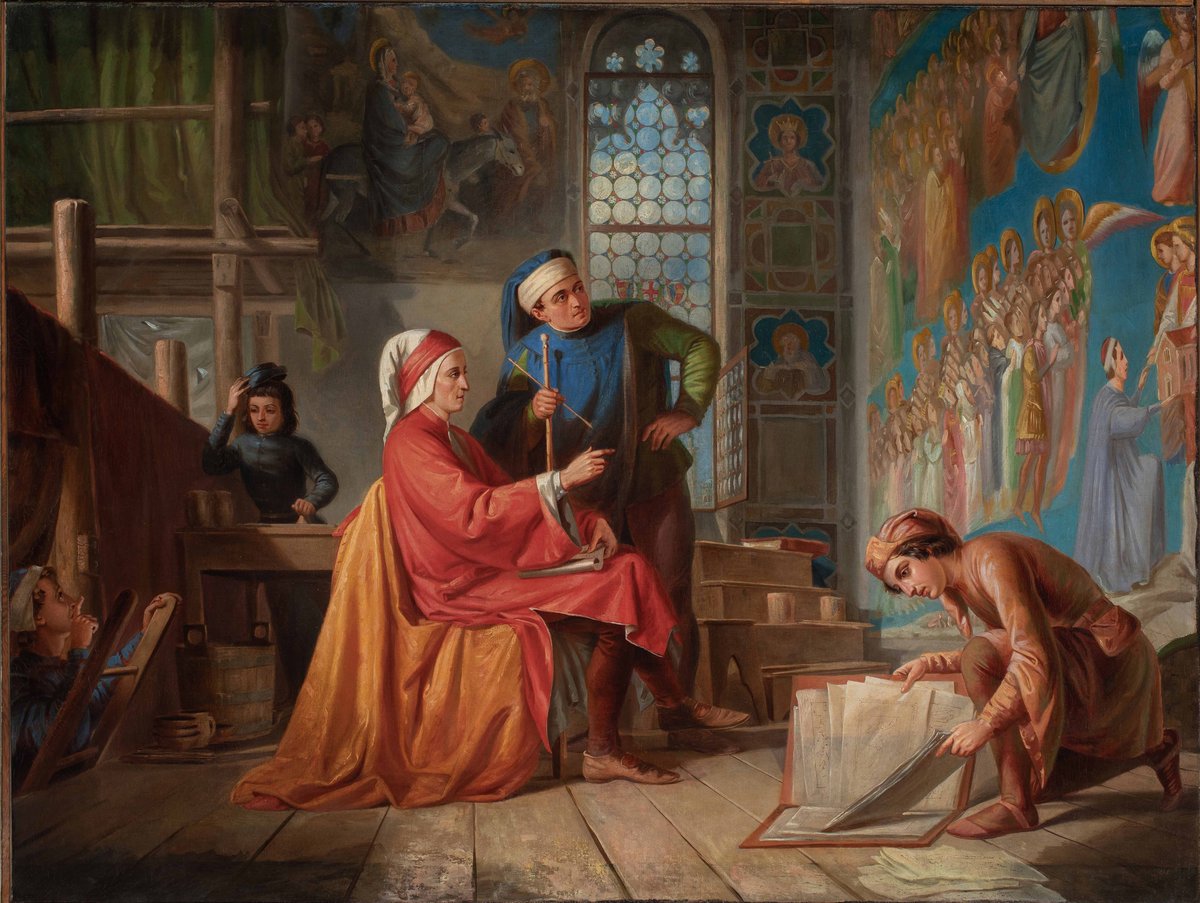
The Chiesa di Maria Vergine, also known as the Church of the Virgin Mary, is a magnificent blend of Gothic and Renaissance architectural styles that stands as a testament to the rich cultural and religious heritage of Padua, Italy. Established in the 14th century, this Roman Catholic church governed by the Servite Order has undergone various modifications and restorations over the centuries, reflecting the evolving artistic and architectural trends of its time. The church is renowned for its intricate stone carvings, stunning frescoes, and the remarkable wooden crucifix by the renowned Renaissance sculptor Donatello. Located conveniently on Via Roma, the Chiesa di Maria Vergine is not just a place of worship but a significant historical site that has profoundly impacted the cultural landscape of Padua. This comprehensive guide aims to provide visitors with an in-depth understanding of the church's history, architectural marvels, artistic contributions, and practical visitor information, ensuring an enriching and memorable visit to this iconic landmark. (source)


History and Origin
Foundation and Early Construction
The construction of Chiesa di Santa Maria dei Servi began in 1372 and was completed in 1390. The project was financed by Fina Buzzaccarini, the wife of Francesco I da Carrara, the Prince of Padua. The church was built on the site of the razed palace of Nicholas Carrara, who betrayed Francesco by conspiring with Cangrande I della Scala in 1327. After Fina's death in 1378, her sister Anna, the abbess of the monastery of St. Benedict, took over the responsibility of completing the church's construction. In 1393, Francesco Novello da Carrara, Fina's son and the lord of Padua, donated the church to the Servite Order.
Architectural Style and Features
Exterior
The church is a remarkable example of Romanesque-Gothic architecture. Its unique layout has the nave running parallel to Via Roma. The street frontage features an elegant portico dating back to 1510, supported by ten octagonal pillars originally from the Chapel of St. Anthony in the Basilica del Santo. The main entrance is a richly decorated doorway under the arcade.
Interior
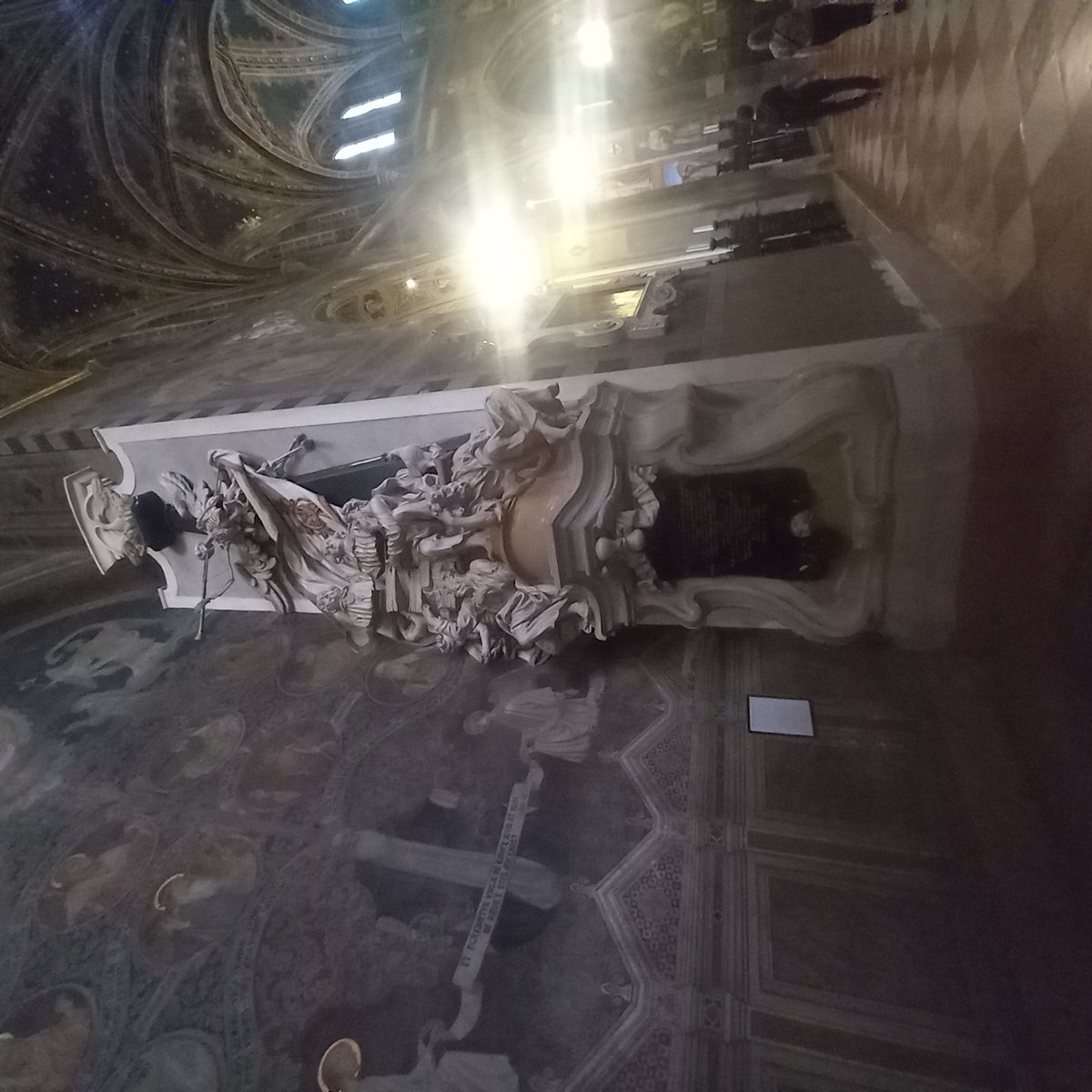
The interior of the church underwent extensive restoration between 1927 and 1930, returning it to its austere 14th-century appearance. The single nave has a high ceiling with exposed beams. Opposite the entrance, in the east wall, stands a monumental Baroque altar dedicated to Our Lady of Sorrows, created by Antonio Bonazza. This altar includes a 15th-century statue of the Madonna and Child.
Historical Significance and Changes
The church was part of a larger convent complex that included the convent of the Servants of Mary and the Oratory of Sant'Omobono. The convent was home to Fra Paolo Sarpi, a notable figure in the history of the Servite Order. Unfortunately, the convent was demolished in the 1950s. In 1807, during the Napoleonic era, the Servite Fathers were expelled, and the church was confiscated and forfeited as state assets. It was then established as a parish church run by secular clergy. The church was reconsecrated in 1963 after the interior restoration. In June 2014, the Bishop of Padua accepted the request of the Superior of the Order of Servants of Mary to return to their historic church after 207 years of administration by the secular clergy. The official handover took place on September 6, 2014.
Artistic Contributions
Frescoes and Artistic Masterpieces
The Chiesa di Maria Vergine is renowned for its stunning collection of frescoes, which are part of the larger UNESCO World Heritage site known as "The frescoed cycles of the 14th century in Padua." These frescoes depict various scenes from the lives of the Virgin Mary and Christ, painted with remarkable attention to detail and emotional depth. Notable works include "The Meeting at the Golden Gate" and "The Massacre of the Innocents," which capture complex human emotions through intricate artistry (source).
Notable Burials
The church is also the final resting place for several notable individuals, including Count Emilio Campolongo and Doimo Olzignani.
Visitor Information
Visiting Hours and Tickets
The Chiesa di Maria Vergine is open to visitors daily. Visiting hours are typically from 9:00 AM to 6:00 PM, but it is advisable to check the official website or contact the parish for the most up-to-date information. Admission to the church is €6 for adults and €4 for students and seniors. The Urbs Picta Card allows entrance to multiple UNESCO World Heritage sites in Padua, including the Chiesa di Maria Vergine (source).
Travel Tips
The church is conveniently located on Via Roma, making it easily accessible by public transportation. The closest bus stop is Duomo, which is right in front of the cathedral on the bus Line U02. For those driving, parking is available nearby. Photography is allowed inside the church, but please be respectful of the ongoing services and other visitors.
Guided Tours and Accessibility
Guided tours can be arranged through the parish office or local tour operators. Virtual tours are also available for those who cannot visit in person (source). The church is accessible to visitors with mobility issues, with ramps and elevators available for ease of access.
Nearby Attractions
While visiting the Chiesa di Maria Vergine, consider exploring other nearby historical sites in Padua, such as the Scrovegni Chapel, known for its stunning frescoes by Giotto, and the Basilica of Saint Anthony, another significant religious site in the city. The Piazza dei Signori and the Prato della Valle are also worth visiting for their historical and cultural significance.
FAQ
What are the visiting hours for Chiesa di Maria Vergine?
The church typically opens from 9:00 AM to 6:00 PM. It is recommended to check the official website for the most accurate visiting hours.
Do I need to buy tickets to enter the Chiesa di Maria Vergine?
Entry to the church is generally free. However, check for any special events or guided tours that may require tickets.
How do I get to Chiesa di Maria Vergine?
The church is located on Via Roma, easily accessible by foot or public transportation. The closest bus stop is Duomo on the bus Line U02.
What are some nearby attractions?
Nearby attractions include the Scrovegni Chapel, Basilica of Saint Anthony, Piazza dei Signori, and Prato della Valle.
Listen to the full story in the app
The whole Porte Contarine,
told well.
Audio guides for 1,100+ cities across 96 countries. History, stories, and local insight — offline ready.
Verified, and shown.
Researched and written by the Audiala editorial team from historical records, architectural archives, and local expertise.
(2024). Visiting the Scrovegni Chapel. The Geographical Cure
Things to Do in Padua, Italy
Padua - A Historic and Artistic Hub in Northern Italy
Researched from Wikidata, Wikipedia & official sources · fact-checked · How we make our guides →