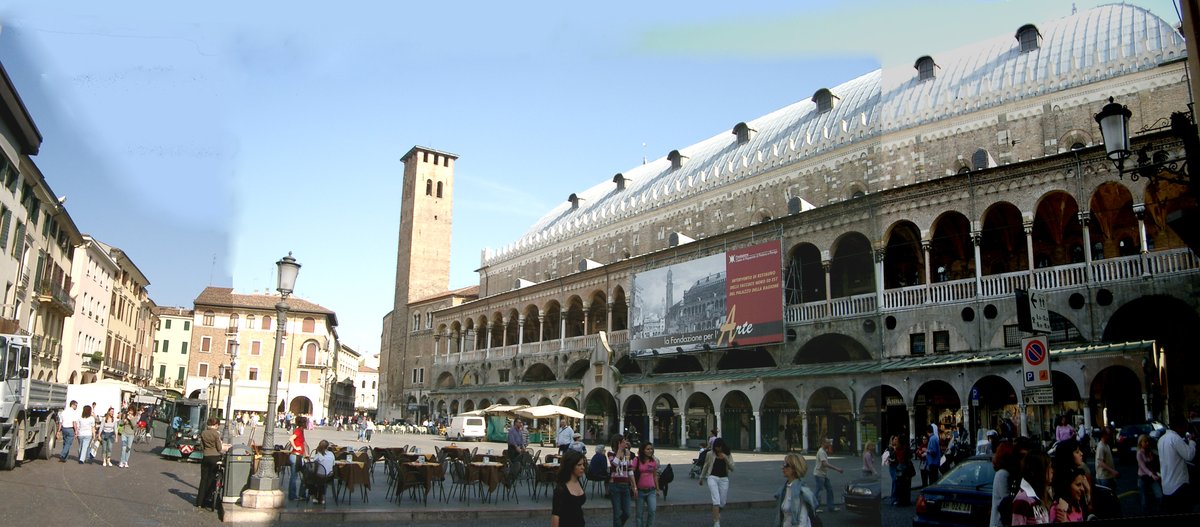
Introduction to Piazza della Frutta
Piazza della Frutta, translating to "Fruit Square," is one of the most historically rich and vibrant marketplaces in Padua, Italy. The square has been an integral part of Paduan life for over eight centuries, evolving from its Roman origins to become a focal point of commerce and social activity. The long, rectangular layout of Piazza della Frutta echoes the typical Roman forum, underscoring its ancient roots when the city was known as Patavium. This square has witnessed the city's transformation through the Middle Ages, Renaissance, and modern times, making it a living testament to Padua's enduring spirit (source).
The square is dominated by the impressive Palazzo della Ragione, also known as the Salone, which has served as a symbol of Paduan justice and administration since its construction in the 13th century. The Renaissance period brought a wave of prosperity that further solidified Piazza della Frutta's role as a bustling market, expanding its offerings to include local produce, spices, fabrics, and even livestock. Today, the market is a lively hub where vendors sell a vibrant array of fruits, vegetables, and local delicacies, maintaining the square's historical essence (source).
Whether you're a history enthusiast, a food lover, or simply curious about Italian culture, Piazza della Frutta offers something for everyone. This guide will explore the square's rich history, key attractions, visiting hours, and tips to make the most of your visit. From the architectural marvel of Palazzo della Ragione to the daily market's sensory feast, Piazza della Frutta is a must-visit destination that beautifully encapsulates the heart and soul of Padua.
Photo Gallery
Explore Piazza Della Frutta in Pictures
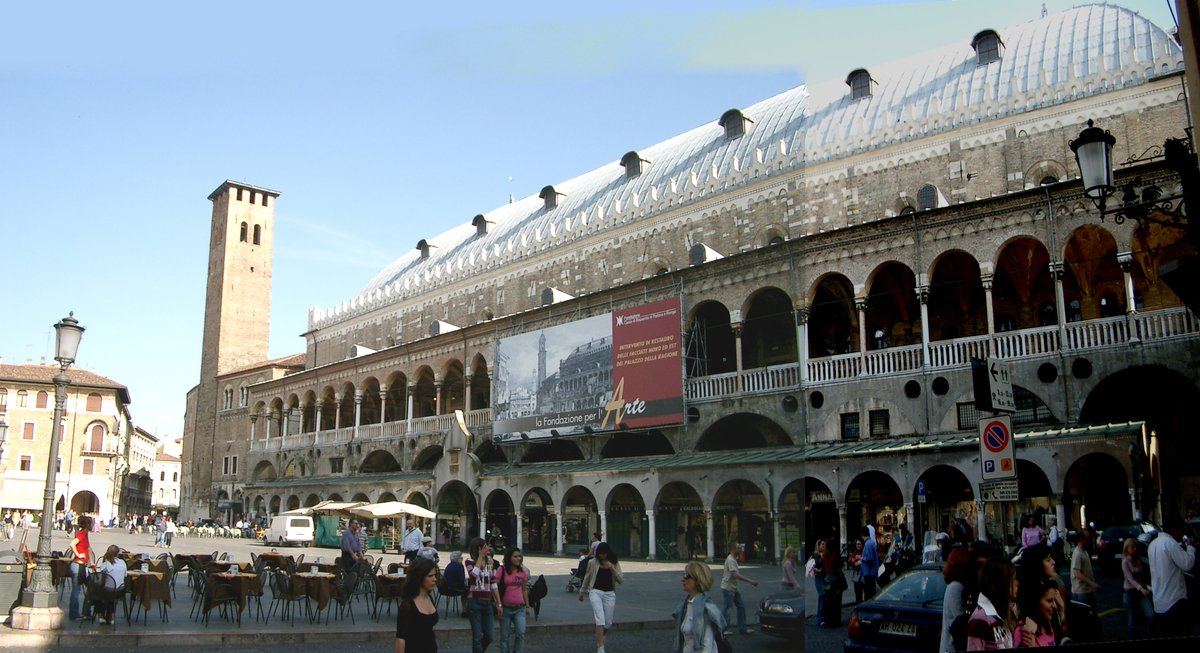
Roman Origins and Medieval Transformation
The square's roots trace back to the Roman era. It stood as the heart of the ancient Roman city of Patavium, which was known for its wool production and trade. The layout of the square, with its long, rectangular shape, echoes the typical Roman forum, suggesting it was a center for commerce and public life even then.
As Padua transitioned into the Middle Ages, Piazza della Frutta maintained its significance. The square became a focal point for markets, with vendors setting up stalls to sell their wares. This period saw the construction of several notable buildings around the square, including the Palazzo della Ragione. This impressive medieval edifice, with its iconic hanging roof, became a symbol of Paduan justice and administration.
Renaissance Flourishing and the Rise of the Market
The Renaissance brought a wave of prosperity and artistic fervor to Padua, and Piazza della Frutta reflected this cultural blossoming. The market flourished, expanding to encompass a wide range of goods beyond just fruit. Local produce, spices, fabrics, and even livestock changed hands under the watchful gaze of the Salone.
This period also saw the construction of the Palazzo delle Debite, a beautiful building that once housed the offices for managing public debt. Its presence further solidified the square's role as a center of civic and economic activity.
From Grain to Modernity: The Evolution of the Market
Interestingly, while the name "Piazza della Frutta" suggests a focus on fruit, the square was once primarily a grain market. This historical quirk highlights the evolving nature of the square, adapting to the needs and products of the time.
Over the centuries, the market's offerings shifted, eventually encompassing the vibrant array of fruits, vegetables, and local delicacies that visitors enjoy today. Despite these changes, the spirit of the market, with its lively atmosphere and the cacophony of vendors hawking their goods, has remained remarkably consistent.
Visitor Information
Visiting Hours
The market is open daily from 8:00 AM to 7:00 PM, though individual vendor hours may vary.
Tickets
Entry to the square is free; however, some surrounding attractions like the Palazzo della Ragione may have an entrance fee.
Accessibility
The square is wheelchair accessible, with several ramps and accessible pathways.
Travel Tips
The best time to visit is early in the morning to avoid the crowds and enjoy the freshest produce.
Nearby Attractions
Don't miss the nearby Piazza delle Erbe, another historic market square, and the Scrovegni Chapel, famous for its Giotto frescoes.
Special Events
Seasonal festivals and special market days often take place, providing a unique glimpse into local culture.
Guided Tours
Several local companies offer guided tours of the square and its historical surroundings.
Photographic Spots
Capture stunning photos from the steps of the Palazzo della Ragione, offering a panoramic view of the bustling market below.
Cultural Significance and Historical Events
A Marketplace Through the Ages
Since the Middle Ages, Piazza della Frutta has been Padua's primary marketplace. Imagine a time when vendors hawked their wares from colorful stalls, filling the air with the sights and smells of fresh produce, aromatic spices, and local crafts. This daily ritual wove the square into the fabric of daily life, a tradition that continues today, albeit in a modernized form.
The Palazzo della Ragione: Witness to History
Dominating the piazza is the impressive Palazzo della Ragione, also known as "Il Salone." This architectural marvel, with its iconic suspended wooden roof, speaks volumes about Padua's rich history. Built in the 13th century, the Palazzo della Ragione served as the city's law court and council chamber.
Imagine the significant debates, trials, and decisions that unfolded within these walls, shaping the destiny of Padua. Today, the Palazzo della Ragione houses a fascinating museum, offering a glimpse into the city's past and the grandeur of the medieval period.
Echoes of Ancient Rome
Beneath the lively atmosphere of Piazza della Frutta lies a hidden treasure – the remains of an ancient Roman forum. This archaeological site, discovered during excavations, reveals the layers of history embedded in the square. It serves as a tangible reminder of Padua's Roman past, when the city, then known as Patavium, flourished as a vital center of the Roman Empire.
The Heart of Festivities and Gatherings
Piazza della Frutta has always been the stage for Padua's vibrant cultural scene. Throughout the year, the square comes alive with festivals, markets, and events that draw locals and tourists alike.
- Market Days: Experience the lively atmosphere of the daily market, where you can find everything from fresh produce and local cheeses to clothing and household goods.
- Festa di Sant'Antonio: Witness the city's biggest celebration, the Feast of St. Anthony, held every June. The piazza transforms with religious processions, traditional music, and a palpable sense of community.
- Christmas Market: During the holiday season, Piazza della Frutta is adorned with twinkling lights and festive stalls, offering unique gifts and seasonal treats.
Main Attractions and Visitor Tips
Palazzo della Ragione
Dominating the piazza is the impressive Palazzo della Ragione, also known as Salone. This colossal building, once the seat of Padua’s law courts, is an architectural marvel. Its most striking feature is the enormous suspended hall, one of the largest in the world, with a wooden ceiling resembling an inverted ship’s hull.
- Inside the Salone: Step inside to marvel at the vast, fresco-free interior, a unique characteristic after a fire in 1420. Today, the walls are adorned with a cycle of astrological frescoes, a 15th-century wooden horse, and a gigantic Foucault’s Pendulum, a constant reminder of the earth’s rotation.
- Visitor Tip: Allow ample time to explore the Salone. Its sheer size and the wealth of historical details within can easily captivate visitors for hours.
Sotto il Salone (Under the Salone)
Beneath the grandeur of the Salone lies another world altogether – the Sotto il Salone. This expansive space, once a bustling marketplace, is a labyrinth of vaulted arcades and passageways.
- A Glimpse into the Past: Today, the Sotto il Salone houses a variety of shops and eateries, offering a unique shopping and dining experience. As you wander through the arcades, imagine the lively atmosphere of centuries past, when merchants hawked their wares, and citizens gathered to barter and socialize.
- Gastronomic Delights: Sotto il Salone is a paradise for food lovers. Here, you can sample local delicacies, purchase fresh produce, and savor the authentic flavors of Padua.
The Daily Market
Piazza della Frutta truly comes alive during its daily market, a tradition that has endured for centuries. From early morning until the afternoon, the square transforms into a kaleidoscope of colors, scents, and sounds.
- A Sensory Feast: Stroll through the stalls laden with fresh fruits and vegetables, pungent cheeses, cured meats, and fragrant flowers. Engage with the vendors, many of whom are local farmers and artisans, and experience the genuine warmth of Italian hospitality.
- Visitor Tip: Arrive early for the best selection, as the market tends to get crowded, especially on weekends. Don’t be afraid to haggle a bit – it’s all part of the experience!
Piazza delle Erbe and the "Padovani"
Just steps away from Piazza della Frutta lies Piazza delle Erbe, the "Square of Herbs." These two squares, separated only by the Palazzo della Ragione, are often considered as one large public space, the beating heart of Padua.
- A Tapestry of Life: Observe the lively interactions between vendors and locals, a testament to the enduring spirit of community that defines Padua. Listen to the melodic cadence of the Paduan dialect, a source of local pride.
- Visitor Tip: Take a moment to simply soak in the atmosphere. Find a bench, enjoy a gelato, and watch the world go by. This is the essence of la dolce vita – the sweet life – that Italy is renowned for.
Beyond the Squares
While Piazza della Frutta and Piazza delle Erbe are captivating destinations in their own right, they also serve as excellent starting points for exploring the rest of Padua’s historical center.
- A City of Treasures: From the squares, you can easily reach other notable landmarks, including the Basilica di Sant’Antonio, the Scrovegni Chapel with its Giotto frescoes, and the University of Padua, one of the oldest in the world.
- Visitor Tip: Consider joining a guided walking tour to delve deeper into the city’s rich history and uncover hidden gems you might otherwise miss.
FAQ
- What are the best times to visit Piazza della Frutta?
- The best times to visit are during the morning market hours or late afternoon for a more relaxed atmosphere.
- Is there an entry fee for the Palazzo della Ragione?
- Yes, there is usually an entry fee of around €6 for adults and €4 for children and seniors.
- Are there any guided tours available?
- Yes, guided tours are available and can be booked through local tour operators or the official website of the Palazzo della Ragione.
- What other attractions are nearby?
- Nearby attractions include Piazza dei Signori, the Scrovegni Chapel, and the University of Padua.
Listen to the full story in the app
Your Personal Curator, in Your Pocket.
Audio guides for 1,100+ cities across 96 countries. History, stories, and local insight — offline ready.
Audiala App
Available on iOS & Android
Join 50k+ Curators
Sources
- verified
- verified
- verified
Last reviewed: