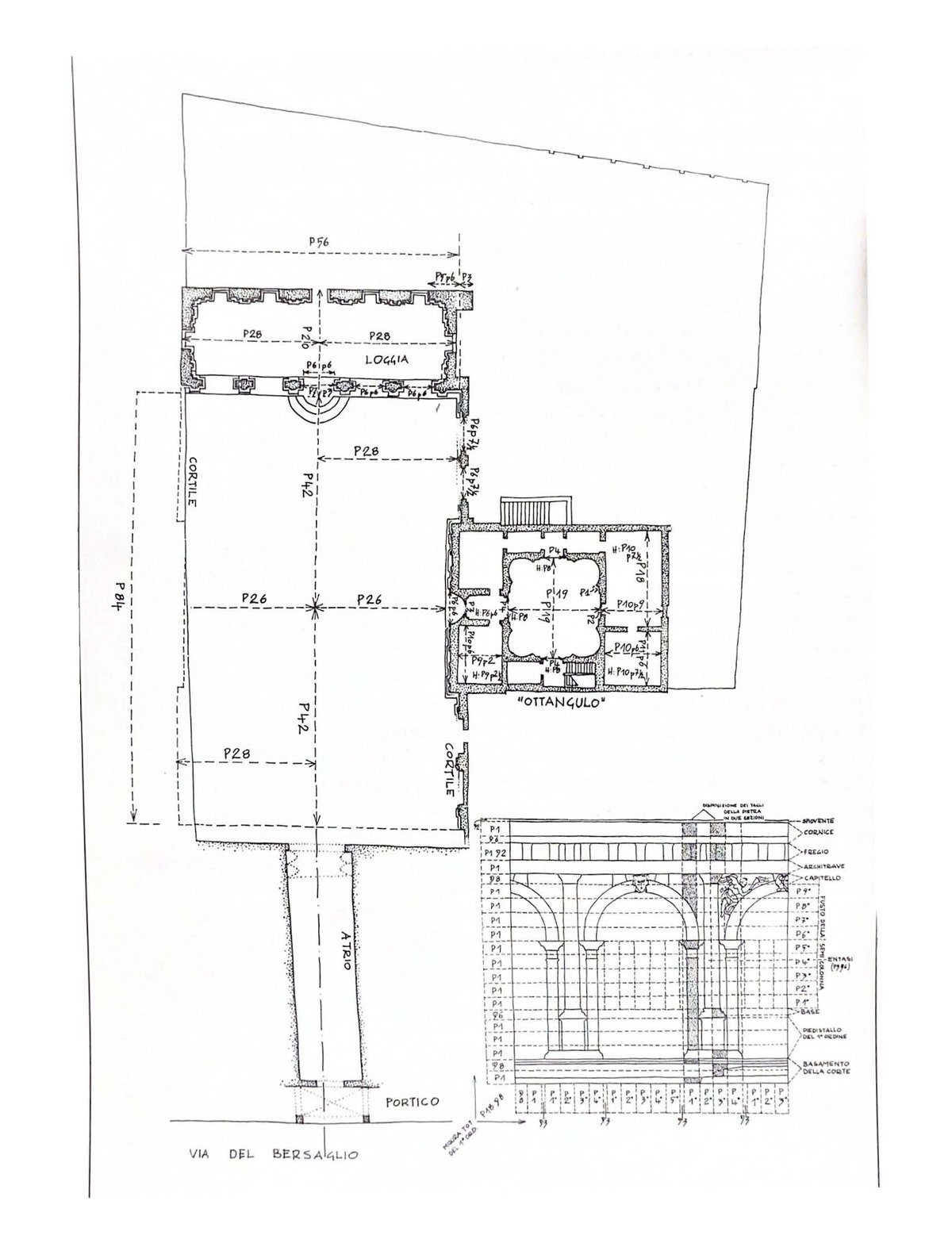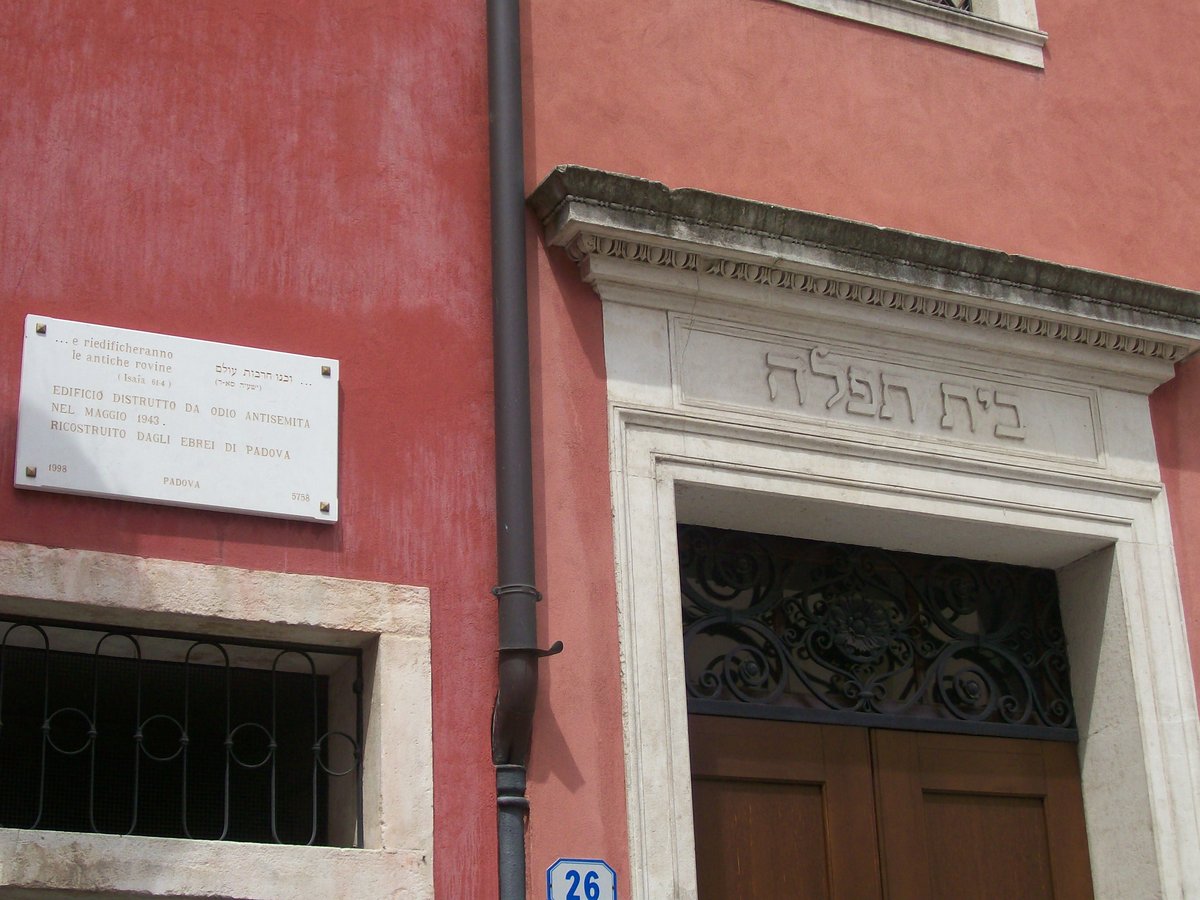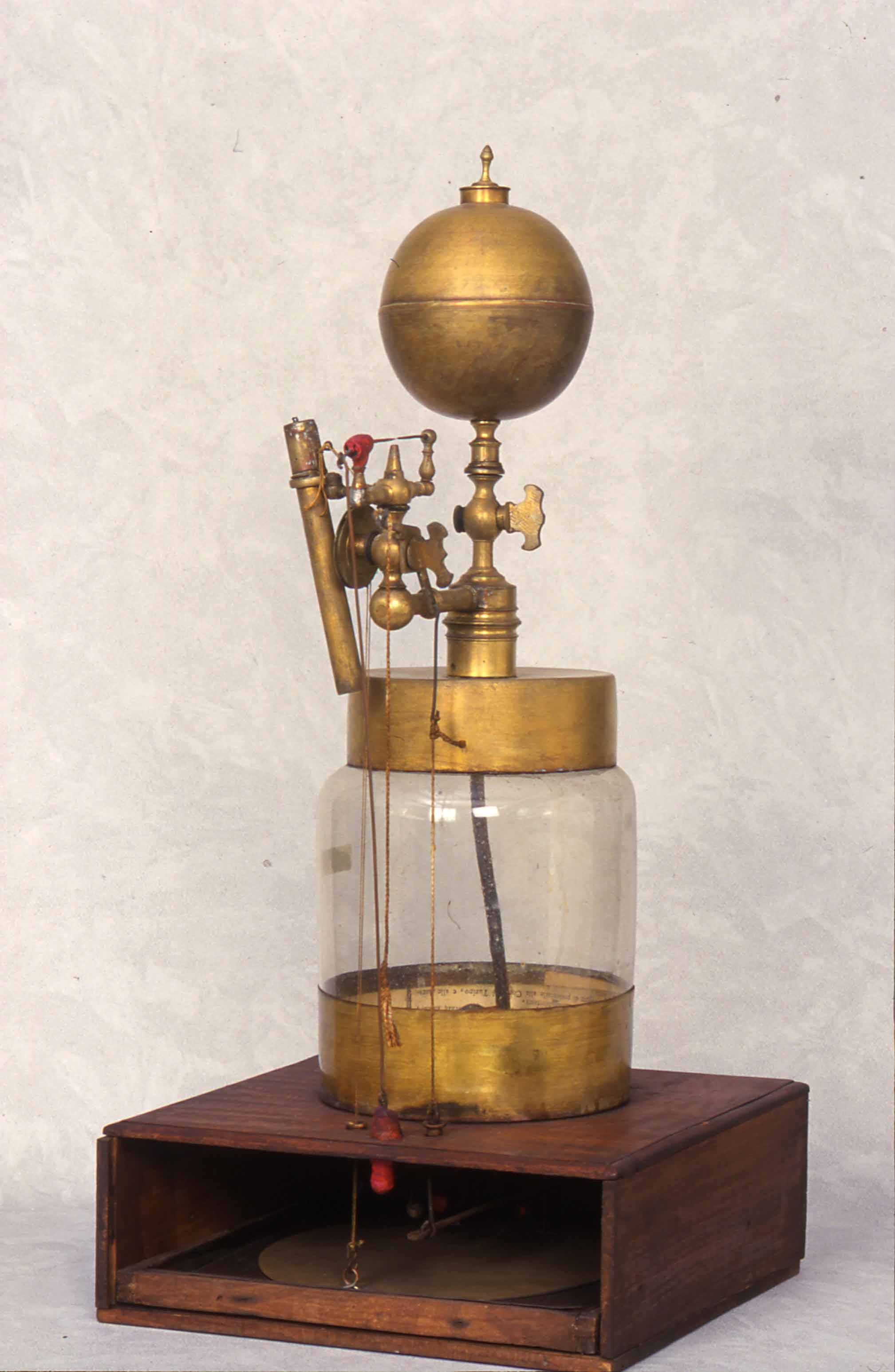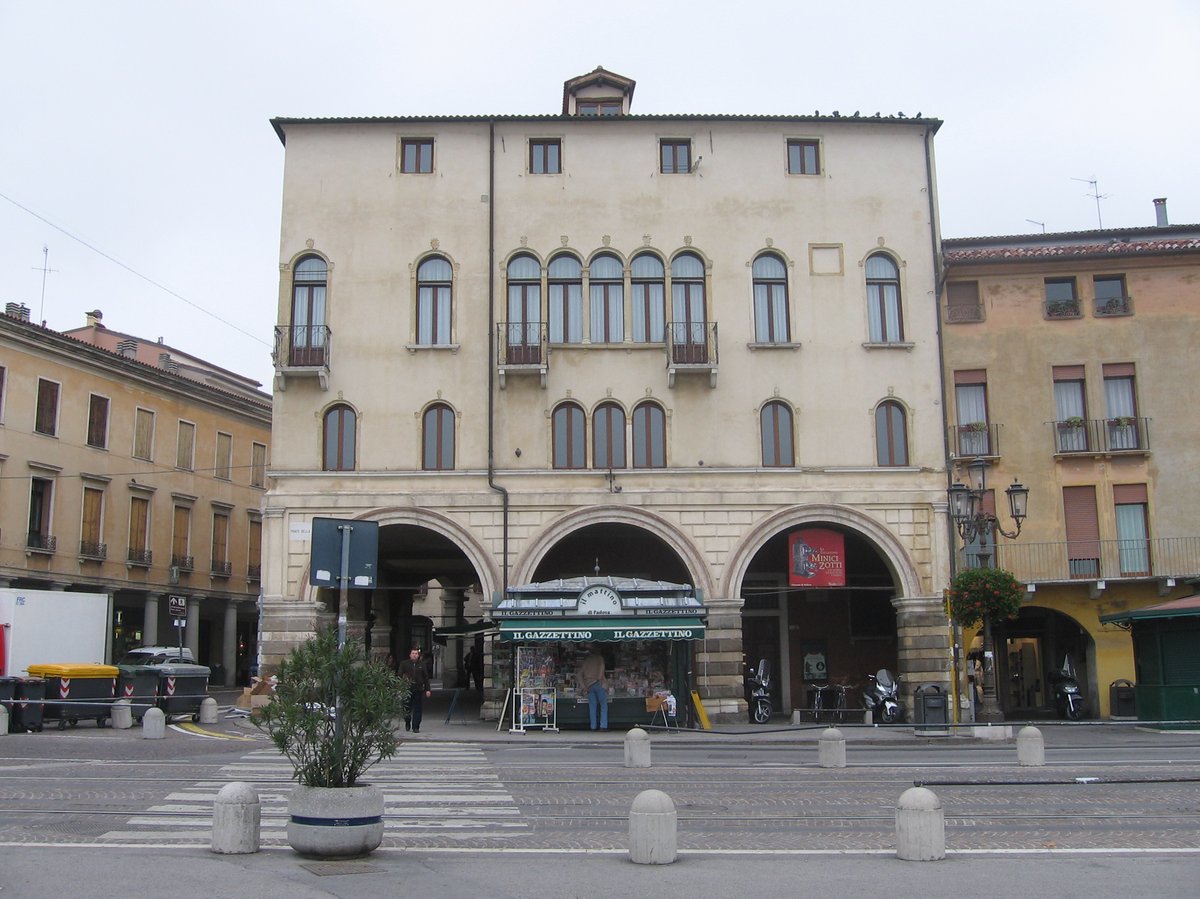
Introduction
The Musei Civici agli Eremitani, located in the historic city of Padua, Italy, is a renowned cultural institution that showcases the region's rich cultural and historical heritage. Established in the early 19th century, the museum is housed in the former convent of the Eremitani, an architectural marvel dating back to the 13th century. The museum's collection has grown significantly over the years, encompassing a wide array of ecclesiastical artifacts, artworks, coins, medals, and antiquities. This guide aims to provide a comprehensive overview of the museum's history, notable collections, visitor information, and travel tips to ensure a memorable visit. To explore this cultural gem in Padua, continue reading for detailed insights and practical information (Padua Tourism, Musei Civici agli Eremitani).
Photo Gallery
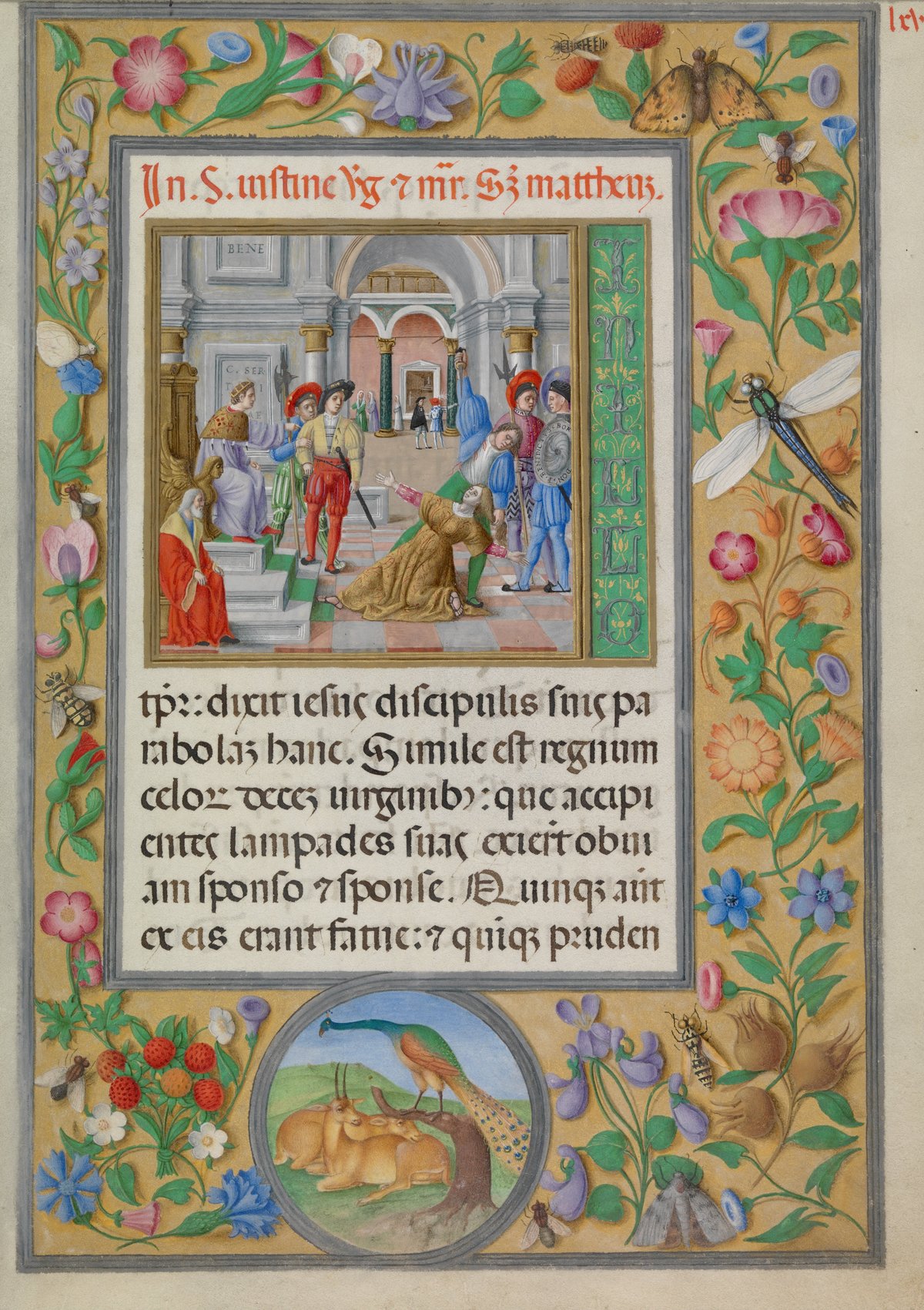
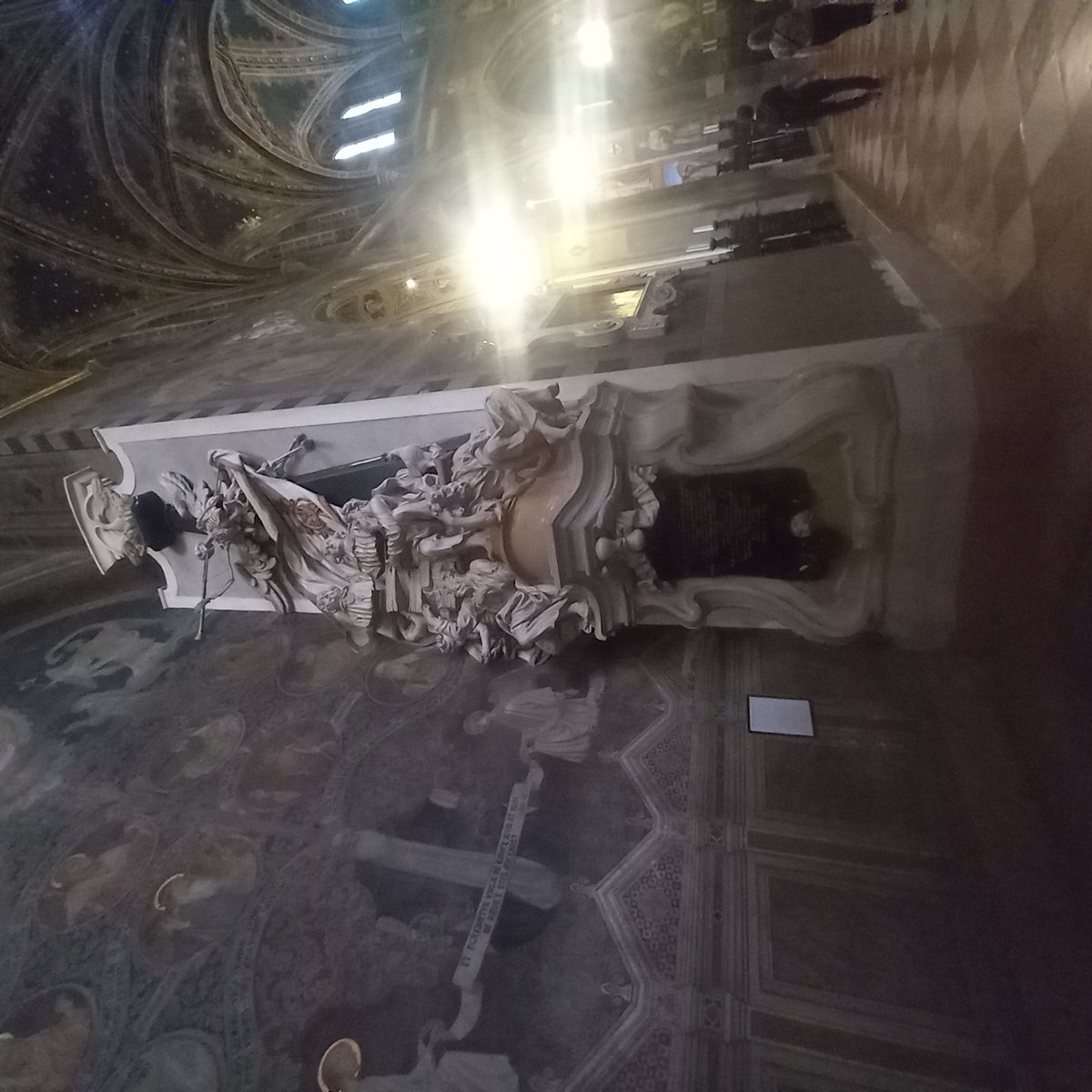
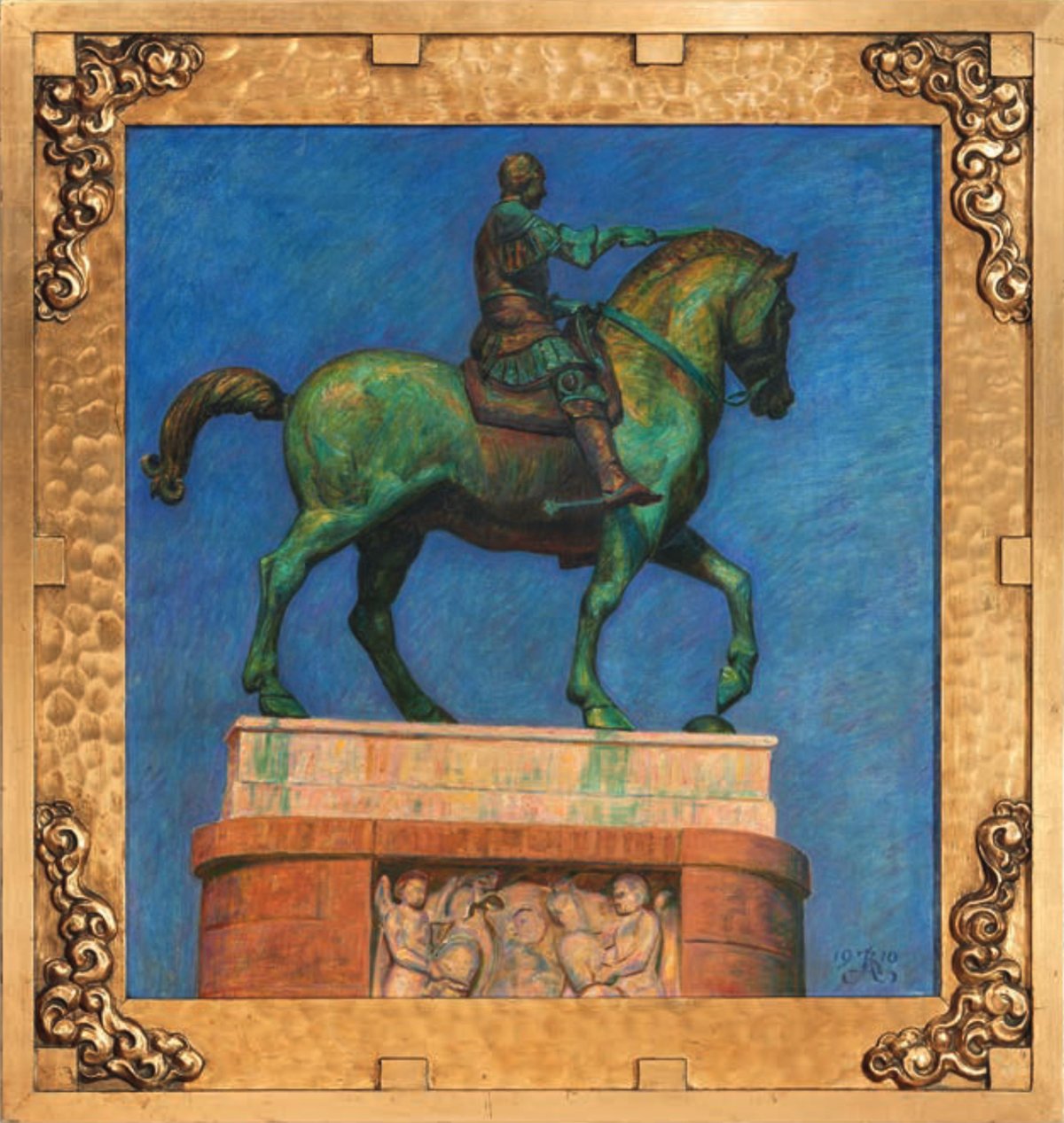
Explore Civic Museums of Padua in Pictures
History of Musei Civici agli Eremitani
Origins and Establishment
The Musei Civici agli Eremitani, located in Padua, Italy, is a significant cultural institution with a rich history dating back to the early 19th century. The museum complex is housed in the former convent of the Eremitani, an Augustinian order established in the 13th century. The convent itself is an architectural marvel, reflecting the Gothic style prevalent during its construction. The museum was officially founded in 1825, following the suppression of religious orders by Napoleon, which led to the secularization of many church properties, including the Eremitani convent.
Development and Expansion
Throughout the 19th and 20th centuries, the Musei Civici agli Eremitani underwent significant development and expansion. Initially, the museum's collection was modest, comprising mainly ecclesiastical artifacts and artworks from local churches. However, over time, the collection grew substantially through acquisitions, donations, and archaeological excavations. A pivotal moment in the museum's history was the acquisition of the Bottacin Collection in 1865, which included a vast array of coins, medals, and antiquities, significantly enhancing the museum's numismatic and archaeological holdings.
World War II and Reconstruction
The Musei Civici agli Eremitani faced a major setback during World War II. On March 11, 1944, an Allied bombing raid severely damaged the Eremitani Church and the adjacent museum buildings. The destruction resulted in the loss of numerous artworks and historical artifacts. The post-war period was marked by extensive reconstruction efforts aimed at restoring the damaged structures and salvaging the remaining collections. The reconstruction was completed in the 1950s, and the museum reopened to the public, showcasing its resilience and commitment to preserving cultural heritage.
Modern Era and Renovations
In the latter half of the 20th century and into the 21st century, the Musei Civici agli Eremitani continued to evolve, embracing modern museological practices and technologies. Significant renovations were undertaken to improve the museum's infrastructure and enhance the visitor experience. In 2000, the museum complex was further expanded with the addition of new exhibition spaces and state-of-the-art facilities. These developments have enabled the museum to host a diverse range of temporary exhibitions and cultural events, attracting visitors from around the world.
Notable Collections and Exhibits
The Musei Civici agli Eremitani is renowned for its extensive and diverse collections, which span various historical periods and artistic styles. Some of the most notable collections include:
Archaeological Collection
This collection features artifacts from the prehistoric, Roman, and medieval periods, providing valuable insights into the region's ancient history. Highlights include Roman mosaics, sculptures, and everyday objects that illustrate the daily life and culture of ancient Padua.
Art Gallery
The museum's art gallery boasts an impressive array of paintings, sculptures, and decorative arts from the medieval to the modern era. Noteworthy pieces include works by renowned artists such as Giotto, Tintoretto, and Veronese. The gallery also houses a significant collection of Renaissance and Baroque art, reflecting the rich artistic heritage of the Veneto region.
Bottacin Collection
As mentioned earlier, the Bottacin Collection is a cornerstone of the museum's holdings. It includes over 20,000 coins, medals, and antiquities, making it one of the most important numismatic collections in Italy. The collection offers a comprehensive overview of the history of coinage and medal-making from antiquity to the modern era.
Practical Visitor Information
Visiting Hours and Tickets
- Opening Hours: The Musei Civici agli Eremitani is typically open from Tuesday to Sunday, with varying hours depending on the season. It is advisable to check the official museum website for the most up-to-date information on opening hours and any special closures.
- Tickets: Tickets can be purchased at the museum entrance or online. Discounts are often available for students, seniors, and groups. It is recommended to book tickets in advance, especially during peak tourist seasons.
Guided Tours and Accessibility
- Guided Tours: The museum offers guided tours in multiple languages, providing in-depth insights into the collections and exhibits. These tours can be booked in advance and are highly recommended for those interested in a more comprehensive understanding of the museum's offerings.
- Accessibility: The museum is accessible to visitors with disabilities, with ramps and elevators available throughout the complex. It is advisable to contact the museum in advance to arrange any specific accessibility needs.
Photography Policy
- Photography: Photography is generally allowed in the museum, but the use of flash and tripods is typically prohibited. Visitors should check the museum's photography policy upon arrival.
Nearby Attractions and Travel Tips
- Nearby Attractions: While in Padua, visitors can explore other historical sites such as the Scrovegni Chapel, known for its frescoes by Giotto, and the Basilica of Saint Anthony. The city's rich history and charming streets provide ample opportunities for exploration.
- Travel Tips: Padua is well-connected by train and bus, making it easy to reach from major cities like Venice and Milan. Comfortable walking shoes are recommended for exploring the museum and the city's attractions.
Frequently Asked Questions
What are the visiting hours of the Musei Civici agli Eremitani?
The museum is typically open from Tuesday to Sunday, with varying hours depending on the season. Check the official website for current hours.
How can I buy tickets for the Musei Civici agli Eremitani?
Tickets can be purchased at the museum entrance or online. Discounts are available for students, seniors, and groups.
Are guided tours available?
Yes, the museum offers guided tours in multiple languages. These can be booked in advance.
Is the museum accessible to visitors with disabilities?
Yes, the museum is accessible, with ramps and elevators available throughout the complex.
Can I take photographs inside the museum?
Photography is generally allowed, but the use of flash and tripods is typically prohibited.
Listen to the full story in the app
Your Personal Curator, in Your Pocket.
Audio guides for 1,100+ cities across 96 countries. History, stories, and local insight — offline ready.
Audiala App
Available on iOS & Android
Join 50k+ Curators
Sources
- verified
- verified
- verified
- verified
- verified
Last reviewed: