Published On: 04/07/2025
Whitewashed Wonder: Where Olive Groves Meet Sun-Soaked Stone
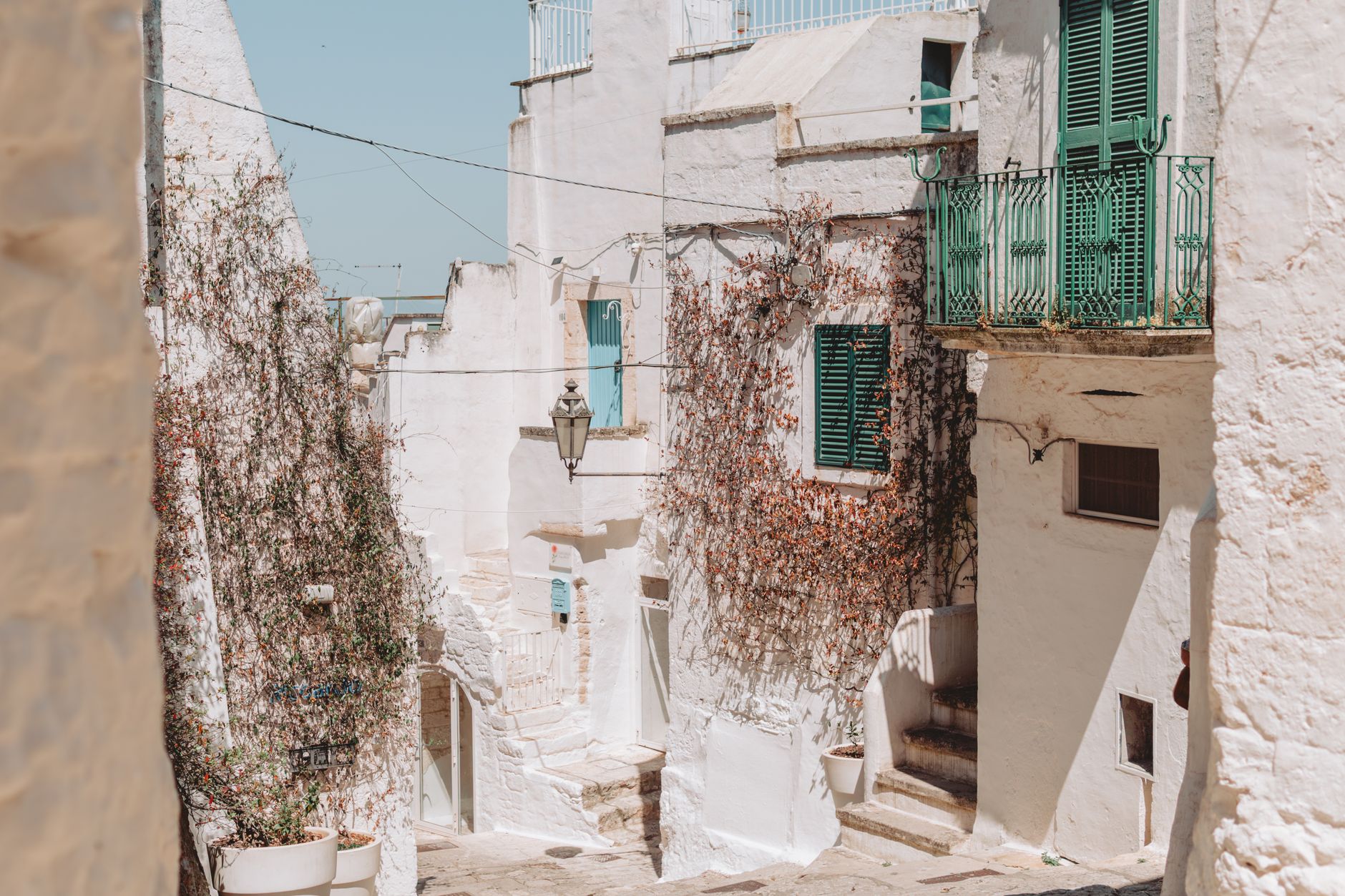
Imagine a city so brilliantly white you need sunglasses to read the street signs. Welcome to Ostuni—the iconic 'Città Bianca' of Puglia—where every sun-soaked alley, geranium-bright balcony, and tumble of ancient stone beckons you to get gloriously lost. Ostuni is far more than a photogenic backdrop for your Instagram feed; it’s a labyrinth shaped by millennia of stories, where wild oregano perfumes the air, and where legends of Mesappii warriors mingle with tales of baroque duchesses. This is a city that responded to the plague by making itself glow like a Mediterranean snowstorm (Ostuni: The White-Labyrinth Where History Wears Sunglasses).
Venture into Ostuni’s winding streets and you’ll discover more than just photo opportunities. The past here is playfully alive. The old town’s labyrinthine layout was designed to confuse invaders (and, conveniently, modern travelers), leading you past a fairy-tale rose window, pint-sized doorways, and olive groves twisted into ancient sculptures. Every sense is heightened: the tang of lemons, the snap of fresh focaccia, cicadas tuning their evening symphony, and the cool touch of stone beneath your fingers (Ostuni: The White City’s Dazzling Maze).
This isn’t just a city—it’s a living legend and a sensory playground. Count the many shades of white, search for the narrowest alley (warning: cheek-to-cheek proximity very likely), or stumble upon the mysterious blue door rumored to hide a secret bakery (Ostuni: The White City’s Secret Recipe for Sustainable Wanderlust).
So lace up your cobblestone-ready shoes, practice your ‘Buongiorno!’, and prepare to wander. Ostuni is where history wears sunglasses, where every turn is a plot twist, and where you’re destined to leave with more stories (and olive oil stains) than you bargained for.
What Awaits: Your Map to Marvels
Historical and Cultural Significance
- Ancient origins: Stone Age roots, Messapii fortifications, and Roman, Norman, and Aragonese influences.
- Strategic hilltop defenses and the city’s iconic whitewashed facades.
- The Centro Storico: a maze designed for delightful confusion.
- Insider tips and hidden gems.
- Engage your senses: sights, smells, sounds, tastes, and textures unique to Ostuni.
- Interactive quests, pop culture nods, and local legends.
- Local lingo and etiquette.
- Ostuni’s seasonal transformations and mythbusters.
- FAQ—direct from the piazza.
Urban Structure & Experiences
- The city as a living canvas: white labyrinth, medieval walls, scenic viewpoints.
- Piazza della Libertà and the Cathedral of Santa Maria Assunta.
- Quirky corners, artisan shops, and bustling markets.
- Masserie experiences and olive oil alchemy.
- Food highlights and the evening passeggiata.
- Day trips, seaside escapes, and shopping for local crafts.
- Festivals, pop culture cameos, and sample itineraries.
- Local etiquette and practical advice.
Sustainable Wanderlust
- Getting there, getting around, and where to stay.
- Sensory Ostuni: what to see, taste, and experience.
- Sustainability tips: water, waste, and low-impact travel.
- Storytime: local legends, including the blue door bakery.
- Detailed FAQ and a call to action for conscious travel.
Ostuni: The White-Labyrinth Where History Wears Sunglasses
High on a sun-bleached hill, the aromas of wild oregano and fresh focaccia drift through the air, and cicadas tune up their summer symphony. Before you lies a maze of alleys so blindingly white you’ll think you’ve stepped onto a film set. Ostuni, Italy’s legendary "Città Bianca," is a place where every corner hides a secret, and every stone could tell a tale—if only you knew a bit of Apulian dialect.
A Living Storybook
Ostuni’s story stretches back to the Stone Age, with the Messapii tribe choosing the hilltop for its strategic views. The town’s name, “Astu neon” (Greek for “New Town”), hints at its ancient roots. Over the centuries, Greeks, Romans, Normans, and Aragonese all left their mark—each era layering new stories on old stones. Hannibal once flattened the town, but it sprang back, more dazzling than before. The Museo di Civiltà Preclassiche houses a 25,000-year-old pregnant woman, a testament to Ostuni’s deep history.
Defended by Height, Defined by White
Perched 200 meters above sea level, Ostuni was built for defense, with panoramic views and imposing walls. The city’s gates—Porta Nova and Porta San Demetrio—once welcomed knights and merchants. But Ostuni’s most iconic feature is its whitewashed facades, a tradition born in the 17th century to combat the plague and the relentless sun. Every spring, locals refresh their homes, keeping the city luminous and cool. (Pro tip: sunglasses are essential.)
The Centro Storico: Where Getting Lost Is the Point
The old town is a glorious web of cobbled alleys, staircases, and secret courtyards. Designed to confuse invaders, these narrow streets now delight visitors. Can you find Vicolo Bacio ("Kiss Alley"), so tight you must slide sideways? At the heart of the maze, the Cathedral of Santa Maria Assunta features a stunning 24-ray rose window and frescoes that tell tales of saints and summer romances.
Local Secrets & Insider Tips
- Osteria del Tempo Perso Dine in a cave carved from ancient dwellings.
- Ancient Olive Groves Some trees are over 1,000 years old—picnic among their gnarled roots.
- La Mercanteria Flea Market On the first Sunday monthly, hunt for vintage ceramics and unique finds.
Senses on Overdrive
- See Whitewashed walls, vibrant flowers, sea-blue doors.
- Smell Lemons, wood-fired pizza, sea air.
- Hear Church bells, laughter, clinking espresso cups.
- Taste Orecchiette with turnip tops, panzerotti, burrata, and vibrant olive oil.
- Touch Cool walls, warm railings, pillowy focaccia.
Interactive Missions
- Count the Whites Spot and name the various shades.
- Labyrinth Challenge Find Piazza della Libertà without a map before your gelato melts.
- Word Hunt Discover the meaning of "uagnone" from a local.
Do’s and Don’ts
- Do Greet everyone with "buongiorno."
- Don’t Attempt to whitewash walls yourself.
- Do Linger over your coffee.
- Don’t Wear high heels in the old town.
Pop Culture & Legends
Ostuni has featured in magazines, TV shows, and movies. Locals swap tales of ghostly duchesses and near-celebrity house purchases.
Choose-Your-Own Ostuni Adventure
- History Buff Museum, cathedral, city gates, and a rooftop Primitivo.
- Foodie Espresso, pasta class, market snacks, seafood, and sunset Spritz.
- Secret Seeker Olive groves, artisan shops, and hidden bars.
Local Lingo
- Mo’ Now.
- Uagnone Young man or big kid.
- Ciucciariello Little donkey.
Impress locals with: "Mo’, dove sta la focaccia più buona?" (Now, where’s the best focaccia?)
Ostuni Through the Seasons
- Spring Wildflowers and bustling markets.
- Summer Festivals and lively nights.
- Autumn Olive harvest and golden hills.
- Winter Quiet charm and twinkling lights.
Mythbusting
- Winter fog can make Ostuni even more beautiful.
- No two houses are truly identical—look for unique tiles and door knockers.
- The labyrinth was mapped by a priest in the 1800s who claimed he never got lost.
Storytime
Legend tells of a time when the town ran out of lime and used flour to whitewash, making Ostuni glow beige for a week.
FAQ—Straight from the Piazza
- Is Ostuni really THAT white? Yes—bring sunglasses!
- Can I drive in the old town? No—park outside and explore on foot.
- Best local dish? Orecchiette with turnip tops.
- Can’t-miss event? The Cavalcata di Sant’Oronzo in August.
Ostuni: The White City’s Dazzling Maze—Your Passport to Getting Lost (and Loving It)
Ostuni is a living work of art. Perched atop three hills, the old town is a whirling labyrinth of whitewashed alleys, winding staircases, and medieval walls. You’ll never find the same route twice—locals say that’s part of the charm.
Must-See Spots
- Piazza della Libertà Ostuni’s social heart, alive with music, laughter, and the evening passeggiata.
- Cathedral of Santa Maria Assunta A rose window with 24 rays, baroque altars, and a hush of centuries.
- Arco Scoppa The elegant stone bridge perfect for photos.
- Secret Gardens & Viewpoints Seek out hidden courtyards and the best Adriatic views at golden hour.
- Markets & Masserie Sample cheeses, taralli, and olive oil at the Saturday market or a local farm estate.
Food & Evening Rituals
- Dine with a View Try Sapere & Sapori or Borgo Antico for classic Puglian dishes.
- Evening Passeggiata Dress to impress and join the nightly stroll.
Day Trips & Shopping
- Nearby towns Alberobello’s trulli, Locorotondo and Cisternino’s scenic streets, and Ostuni Marina’s beaches.
- Artisan Finds Hand-painted ceramics and olive wood goods abound—just remember the afternoon pausa!
Festivals & Surprises
- Festa di Sant’Oronzo August’s grand celebration with processions and fireworks.
- Seasonal Highlights Spring wildflowers and winter’s quiet magic.
Myths & Misconceptions
- Ostuni is not just a tourist trap—off-season, it reveals its authentic, sleepy beauty.
- The white limewash began as a practical defense against disease and is now a source of pride.
Sample Itinerary
- Morning Enter through Porta Nova and wander without a map.
- Noon Pause at a café for pasticciotto and cappuccino.
- Afternoon Olive oil tasting at a masseria.
- Evening Passeggiata in Piazza della Libertà, then sunset from the cathedral.
Local Etiquette & FAQ
- Do Greet shopkeepers and locals.
- Don’t Expect early dinners.
- FAQ The old town is steep and cobbled—bring sturdy shoes; parking is outside the walls; best times to visit are spring, late summer, or winter; and even a little Italian goes a long way.
Welcome to Ostuni: Where Every Alley Whispers a Secret
Crest a golden hill at sunset, and Ostuni’s swirl of whitewashed houses shimmers before you. Here, history, hospitality, and sustainability blend in every sun-bleached stone. Whether you’re an explorer, a foodie, or a seeker of secret alleyways, Ostuni is ready to reveal its stories.
Ostuni’s Secret Recipe for Sustainable Wanderlust
Step 1: Getting There and Around
- Airports Brindisi (30 min) and Bari (1 hr).
- Car rental recommended for countryside adventures; trains stop 3 km from the old town, with buses and taxis available.
- Eco-tip Find the Ape Calessino (tuk-tuk) at the station for a unique ride.
Step 2: Navigating the Labyrinth
- Old town Best explored on foot; e-bikes and tuk-tuks help with hills.
- Footwear Sturdy shoes essential.
- Hidden quest Seek the blue door on Via Cattedrale, rumored to hide a secret bakery.
Step 3: Where to Dream
- Stay in masserie or trulli Many offer eco-friendly amenities and homemade breakfasts.
- Look for sustainability certifications and choose family-run B&Bs for an authentic experience.
Step 4: When & How to Visit
- Spring Wildflowers and quiet charm.
- Summer Festivals and crowds.
- Autumn Harvests and empty piazzas.
- Winter Peaceful and magical.
Best months: May and late September for fewer crowds and fragrant air.
Step 5: Sensory Ostuni
- See White facades, laundry, panoramic views.
- Hear Bells, card games, cicadas.
- Smell Olive oil, basil, sea breeze.
- Taste Local bread, olive oil, Verdeca wine.
- Touch Cool stone, sea breeze, warm hospitality.
Step 6: Do’s, Don’ts, and Dolci
- Do Greet everyone, dress modestly in churches, and try local dialect.
- Don’t Drive in the old town or photograph people without permission.
- Cappuccino rule Only before 11 am!
Step 7: Myth-Busting & Surprises
- Reality Ostuni’s white is accented by colorful doors, secret gardens, and even a pink house.
- Traditions Homes are whitewashed every spring; the Madonna della Grata festival lights up August.
Step 8: Sample Itineraries
- Flâneur Wander, count cats, espresso in the piazza, picnic in the park, get lost, and enjoy aperitivo.
- Culinary Sleuth Cooking class, trattoria lunch, olive oil tasting, and hunt for the best pasticciotto.
- Nature Buff Cycle to Torre Guaceto, hike dunes, and kayak at sunset.
Step 9: Speak Like an Ostunese
- “Uagnone” Kid or young person.
- “Scè” Yes (local dialect).
- Practice “Ci vediamo dopo!” (See you later!)
Step 10: Pop Culture & Legends
- On screen Ostuni appears in ‘Pane e Tulipani’ and nearly in a James Bond film.
- Legend Tunnels beneath the cathedral, once used by pirates and priests.
Step 11: Sustainable Secrets
- Refill water bottles at public fountains.
- Recycle Ask your host about local color-coded bins.
- Carpool or use e-bikes for eco-friendly exploration.
- Join a kayak tour to help clean the coast.
Step 12: Waste Not, Want Not
- Short showers, rainwater-using accommodations, and reusable towels keep Ostuni’s beauty intact.
Step 13: Storytime – The Legend of the Blue Door
A tiny blue door hides a legendary bakery, open only to those who know the first line of a folk song. Find it, sing, and you may taste the city’s best focaccia.
Step 14: Ostuni Unlocked—FAQ
- Parking Outside the walls only.
- Family-friendly Yes, but keep track of children in the maze.
- Best photo times Sunrise and sunset.
- Tap water Safe to drink.
Step 15: Ready to Unlock Ostuni?
Download the Audiala app for interactive maps, local legends, and audio guides. Whether hunting blue doors, learning dialect, or savoring local treats, Audiala is your companion to Ostuni’s labyrinth.
Unlock Ostuni: Your Next Adventure Awaits with Audiala
Ostuni is not simply a destination—it’s a living puzzle and a celebration of the unexpected. Whether you’re seeking the narrowest alley, tasting orecchiette glistening with olive oil, or chasing the legend of the blue door, Ostuni’s true magic lies in its hidden stories and sustainable spirit (Ostuni: The White-Labyrinth Where History Wears Sunglasses; Ostuni: The White City’s Dazzling Maze; Ostuni: The White City’s Secret Recipe for Sustainable Wanderlust).
Ostuni invites you to slow down, savor, and see with fresh eyes. Sustainable travel here is a way of life, from eco-friendly stays to joining the passeggiata and leaving only footprints. Let Audiala be your witty, wise guide—unlocking the White City’s stories, legends, and secrets. Download Audiala now, and let Ostuni’s labyrinth lead you to your next adventure.