Plan and listen to Fortezza Albornoz with Audiala.
Audio guide in your pocket, itinerary in your browser. Built for the way you actually visit.
Introduction
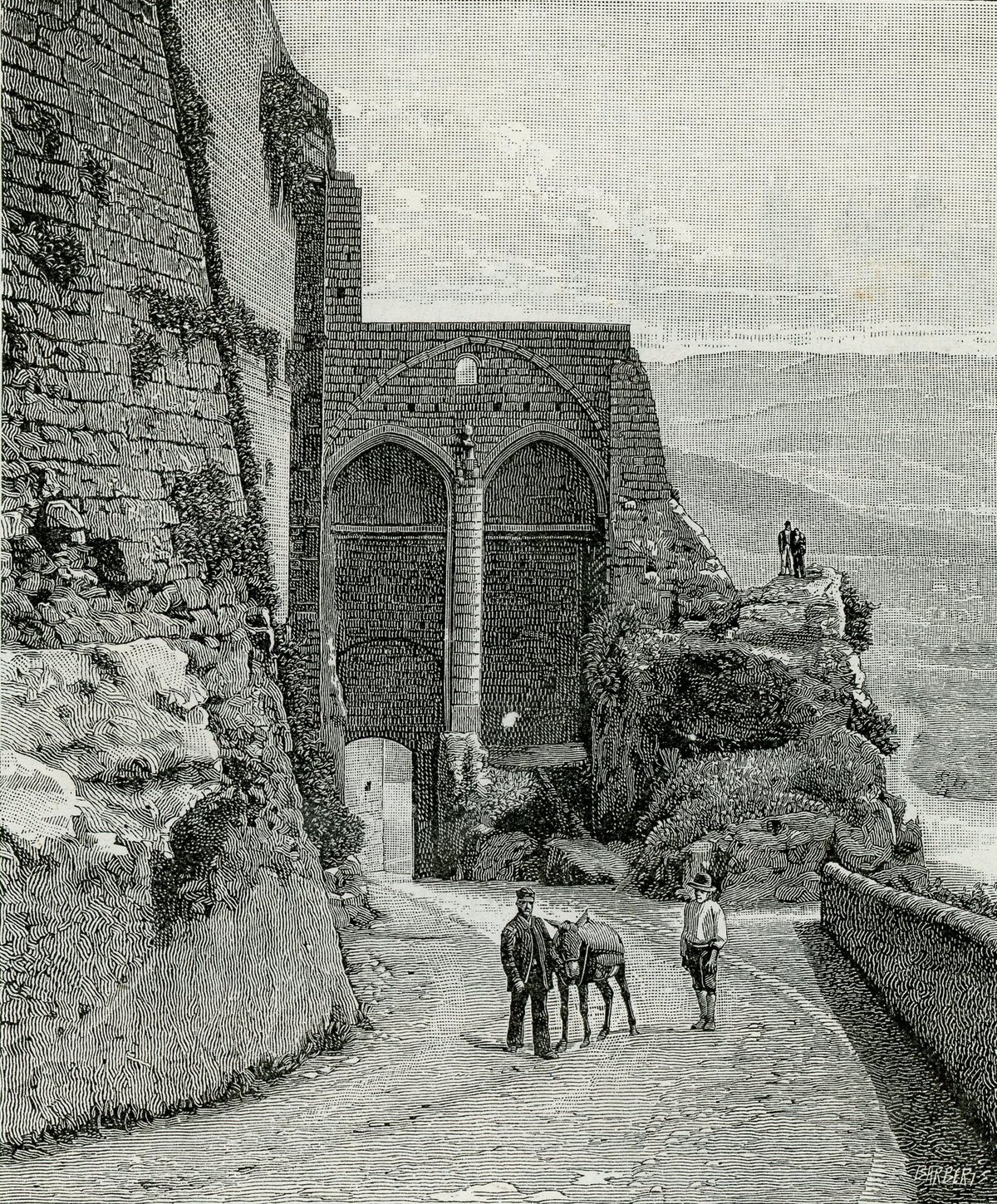
Nestled in the picturesque hilltop town of Orvieto, Italy, Fortezza Albornoz, also known as Rocca di Albornoz, stands as a testament to medieval military architecture and historical significance. Strategically perched on Piazza Cahen on the eastern edge of the historical center, this majestic fortress offers visitors a rich blend of history, stunning views, and cultural significance. Originally commissioned by Cardinal Egidio Albornoz under the directive of Pope Innocent VI, Fortezza Albornoz was constructed in 1364 to bolster the defensive capabilities of Orvieto (ItalyScapes). Over the centuries, it has undergone various reconstructions and modifications, reflecting the turbulent history and evolving architectural styles of the region.
Today, the fortress has been transformed into a serene public park, offering panoramic views of the Umbrian countryside and a peaceful environment for locals and tourists alike. Whether you are a history enthusiast, a casual traveler, or a local looking to rediscover Orvieto, Fortezza Albornoz provides an enriching experience that embodies the resilience and adaptability of the town and its people. This comprehensive guide will take you through the fortress's historical background, visitor information, nearby attractions, and practical tips to help you make the most of your visit.

Historical Background
Origins and Construction
Fortezza Albornoz was commissioned by Cardinal Egidio Albornoz under the directive of Pope Innocent VI. Construction began on September 25, 1364, overseen by military architect Ugolino di Montemarte. Strategically positioned on the eastern edge of a cliff, the fortress provided a commanding view over the valley of the Paglia River, enhancing Orvieto's defensive capabilities. The original structure was a massive quadrangular building with defensive towers and a moat with two drawbridges (ItalyScapes).
Early Destruction and Rebuilding
In 1389, the fortress faced its first significant challenge, partially destroyed during internal city struggles. By 1395, rebellious Ghibelline factions had razed it to the ground. Recognizing its strategic importance, it was rebuilt under Pope Nicholas V, who added a circular tower to the structure (ItalyGuides). In 1413, Francesco I Orsini strengthened the fortress's defenses, but it still fell to Ladislaus the Magnanimous, King of Naples, in the following year (ItalyScapes).
Renaissance Modifications
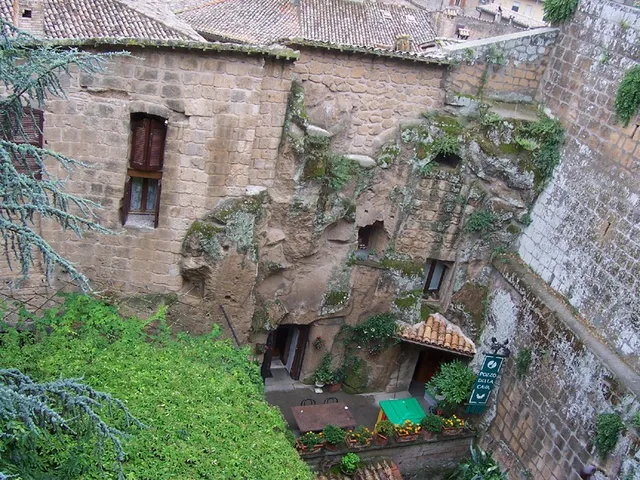
In the 16th century, significant modifications were made under Pope Clement VII, who ordered the construction of the Well of Saint Patrick to ensure a reliable water supply during sieges. This well is a remarkable engineering feat with a double-helix staircase. Antonio da Carpi further rebuilt the fortress using local tufa stone, adding both aesthetic and structural value (Exploring Umbria).
Later Developments and Current State
Completed in the 1600s under the papacies of Urban VIII and Alexander VII, the fortress had lost its military function by the 19th century. It was transformed into a public garden, now featuring green spaces, panoramic views, and a children's playground. The original house of Luigi Barzini, a famous writer and journalist, is also located here (ItalyGuides). Today, part of the original perimeter wall, a tower, and the rampart walk remain. The fortress is accessible from Piazza Cahen, making it a popular spot for both locals and tourists (OrvietoViva).
Visitor Information
Visiting Hours and Tickets
Fortezza Albornoz is open to the public throughout the year. However, visiting hours may vary depending on the season, so it is recommended to check the official website or contact local tourist information centers for the most up-to-date information. Ticket prices are generally affordable, with discounts available for children, students, and seniors. Guided tours are also available, providing in-depth historical insights and access to restricted areas.
Travel Tips
- Accessibility: The fortress is accessible from Piazza Cahen. While the main areas are easily accessible, some parts of the fortress may have uneven terrain, so comfortable footwear is recommended.
- Best Time to Visit: Spring and autumn offer the best weather for exploring the fortress and its gardens.
- Facilities: The site includes a children's playground, restrooms, and benches for relaxation.
Nearby Attractions
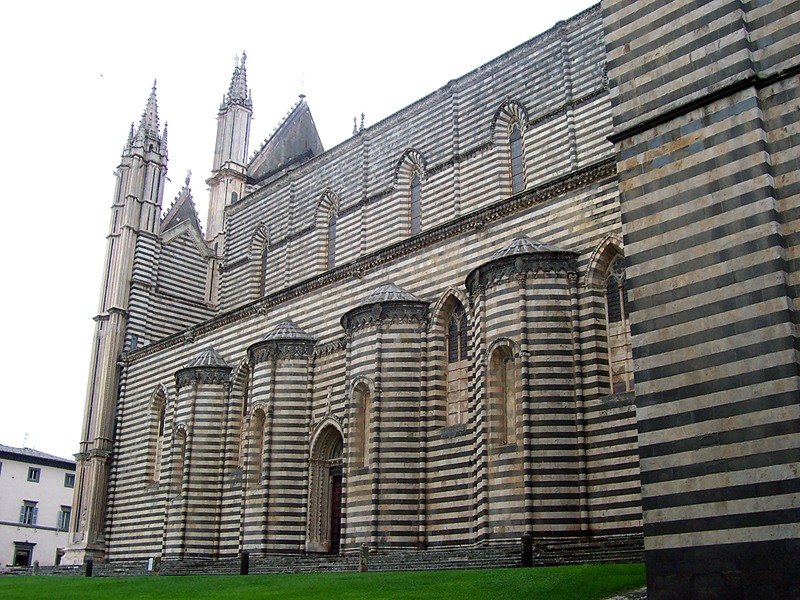
- Orvieto Cathedral: A stunning example of Gothic architecture, located just a short walk from the fortress.
- Pozzo di San Patrizio: The Well of Saint Patrick, another engineering marvel ordered by Pope Clement VII, is nearby and worth a visit.
- Museo Claudio Faina: This museum houses an impressive collection of Etruscan artifacts and is located near the cathedral.
Significance in Historical Context
Fortezza Albornoz stands as a symbol of papal power and the turbulent history of Orvieto. Its construction was part of the Church's broader effort to regain control over Central Italy during a period of weakened papal authority. The fortress's repeated destruction and rebuilding underscore its strategic importance and the ongoing conflicts that shaped the region's history. Its transformation into a public garden reflects the changing nature of its role in the community (Exploring Umbria).
In summary, Fortezza Albornoz is not just a historical monument but a testament to the resilience and adaptability of Orvieto and its people. Its rich history, architectural significance, and current role as a public space make it a must-visit destination for anyone interested in the historical and cultural heritage of Italy.
FAQ
- What are the visiting hours for Fortezza Albornoz? Visiting hours vary by season. Check the official website or local tourist information for the latest updates.
- How much are tickets to Fortezza Albornoz? Ticket prices are generally affordable, with discounts available for children, students, and seniors.
Tickets & tours.
These are guided options from our partners — same price as booking direct.
Prices are indicative — final pricing and availability are confirmed at checkout. Audiala may earn a commission from bookings made through these links.
Listen to the full story in the app
The whole Fortezza Albornoz,
told well.
Listen to sourced travel stories with local history and practical context — ready offline.
Verified, and shown.
Researched and written by the Audiala editorial team from historical records, architectural archives, and local expertise.
Built from cited sources · see the method · How we make our guides →