Plan and listen to Castello Di Prodo with Audiala.
Audio guide in your pocket, itinerary in your browser. Built for the way you actually visit.
Introduction
Nestled atop a dramatic rocky outcrop in the Umbrian countryside near Orvieto, Castello di Prodo is a striking example of medieval military architecture and a living testament to the region’s layered history. Established in the early 13th century by the noble Prodenzani family, this fortress was strategically positioned to guard vital routes between Orvieto and Todi, serving both as a defensive bastion and a symbol of feudal power in a turbulent era (Orvietodeiquartieri; Orvietoviva).
Though privately owned and generally closed to regular public visits, the castle’s imposing exterior and the picturesque village of Prodo offer visitors a window into centuries of local tradition, agricultural life, and the tumultuous events that shaped central Italy (Umbriaonline). This guide provides a comprehensive overview of Castello di Prodo, covering its history, architectural features, visiting logistics, and nearby attractions for those seeking an authentic Umbrian experience.
Origins and Early History
Castello di Prodo, historically referenced as castra Podium Prodi, is first documented in 1222. Its location atop a natural promontory, overlooking three deep ravines, made it a formidable outpost for monitoring and controlling movement across the region (Orvietodeiquartieri). The fortress’s construction was a direct response to ongoing territorial disputes and threats from rival families and external powers.
Architectural Evolution
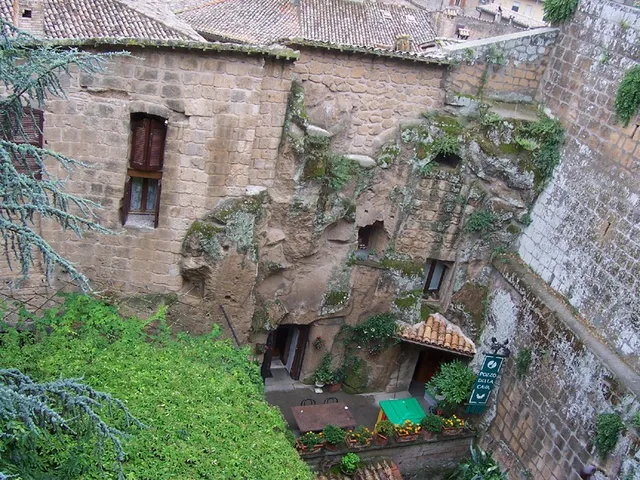
The castle’s trapezoidal layout, thick tufa stone walls, and distinctive square and round towers are emblematic of medieval fortification. Defensive features included bertesche (projecting wooden galleries), beccatelli (stone corbels), and a blend of square and circular towers providing panoramic viewpoints (Orvietodeiquartieri). In the 14th century, significant reconstruction reinforced its defenses in response to regional instability.
Within the walls stood the church of San Rocco, serving spiritual and communal needs until its demolition in the late 19th century. Restoration efforts since the 1800s have focused on preserving the castle’s medieval character (Orvietodeiquartieri).
Historical Significance
As one of the key “castra” protecting Orvieto, Castello di Prodo played a vital role in regional defense and governance. In 1458, it became property of the Opera del Duomo of Orvieto before passing into private hands in the late 19th century (Orvietoviva). The castle is also known for sheltering Giuseppe Garibaldi during the Italian Risorgimento, underscoring its ongoing strategic importance (Umbriaonline).
Castello di Prodo Today
Preservation and Current Status
Despite being privately owned, the castle’s external appearance remains largely unchanged since its last major restoration. The village of Prodo, clustered around the fortress, retains its rural charm and agricultural traditions (Virtourist). Occasional special events and guided tours are organized, often in cooperation with local tourism authorities (Umbriaonline).
Location and Setting
Castello di Prodo is located in the hamlet of Prodo, about 20 km southwest of Orvieto in the province of Terni. Perched atop a rocky spur, it offers panoramic views across the Umbrian hills and the artificial Corbara Lake, a scenic reservoir along the Tiber River (iluoghidelsilenzio.it; umbriatourism.it).
Visitor Information
Hours, Access, and Tickets
- Castle Access: The castle is privately owned and not open for general public visits. The exterior and village are freely accessible year-round for scenic walks and photography.
- Guided Tours & Events: Special guided tours and cultural events are occasionally offered. Check with the Orvieto tourist office or local tourism websites for event dates and booking details (Umbriaonline).
- Tickets: No tickets are required for external visits. Fees and ticketing arrangements for special events or private tours vary.
Getting There
- By Car: The most convenient access is by car from Orvieto (25–30 minutes via SS205). Parking is available in the village.
- Public Transportation: There is no direct public transport. The nearest railway station is Orvieto; taxis or private transfers are necessary for the final leg.
Accessibility
Due to its hilltop location and the historic nature of the site, accessibility for those with mobility challenges is limited. Paths are uneven and include stone steps. Comfortable walking shoes are highly recommended.
Accommodation and Facilities
- Staying at the Castle: Portions of the castle have been converted into a boutique hotel and event venue, with rooms and suites featuring period decor, gardens, and panoramic views. Advance booking is essential.
- Dining: On-site dining is typically available for guests. For broader options, nearby Orvieto offers a variety of restaurants and local trattorias (Our Escape Clause).
- Amenities: Guests enjoy facilities like a swimming pool, gardens, Wi-Fi, and event spaces, all within a unique historic setting.
Things to Do and See
In and Around Prodo
- Explore the Village: Wander Prodo’s charming lanes, admire the castle’s architecture, and enjoy peaceful rural vistas.
- Hiking and Nature: Nearby trails lead to the Campione Gorge and offer views over Corbara Lake.
- Local Culture: The Romanesque parish church of San Leonardo and annual festivals, such as the Festa di San Michele, enrich the visitor experience.
Nearby Attractions
- Orvieto: Famous for its Gothic cathedral, medieval tunnels, Torre del Moro, and vibrant food scene (Mama Loves Italy; Following the Rivera).
- Other Hilltop Castles: Discover additional medieval fortresses and villages throughout Umbria.
- Lago di Corbara: Ideal for kayaking, birdwatching, and picnics.
Travel Tips
- Best Time to Visit: Spring and autumn offer pleasant weather and fewer crowds.
- What to Bring: Comfortable shoes, layered clothing, camera, and cash for rural purchases.
- Etiquette: Respect private property and event restrictions. Photography is allowed in public areas; request permission for interiors or private events.
Sustainability
Support local businesses, minimize waste, and respect the natural landscape to help preserve Prodo’s heritage.
Frequently Asked Questions (FAQ)
Q: Can I tour the inside of Castello di Prodo?
A: No, the interior is not open for regular public visits. Occasionally, guided tours are arranged for events—check with local tourism offices.
Q: Are tickets required to visit?
A: No tickets are needed to explore the exterior and village. Private tours or event participation may require advance booking and payment.
Q: How accessible is the castle?
A: The site has uneven terrain and limited accessibility for those with mobility issues. Contact ahead for specific accommodations.
Q: What are nearby attractions?
A: Orvieto’s Duomo, underground tunnels, Lago di Corbara, and other Umbrian hill towns.
Summary and Recommendations
Castello di Prodo offers an evocative glimpse into Umbria’s medieval past, with its robust architecture, storied history, and sweeping views over the surrounding landscape. While access to the interior is limited, the castle and its village remain a must-see for travelers exploring Orvieto and the wider Umbrian region. Prepare for rustic paths, check for special events or guided tours, and enjoy the authentic charm of central Italy (Orvietodeiquartieri; iluoghidelsilenzio.it; orvietoviva.com).
Listen to the full story in the app
The whole Castello Di Prodo,
told well.
Listen to sourced travel stories with local history and practical context — ready offline.

Verified, and shown.
Researched and written by the Audiala editorial team from historical records, architectural archives, and local expertise.
Built from cited sources · see the method · How we make our guides →