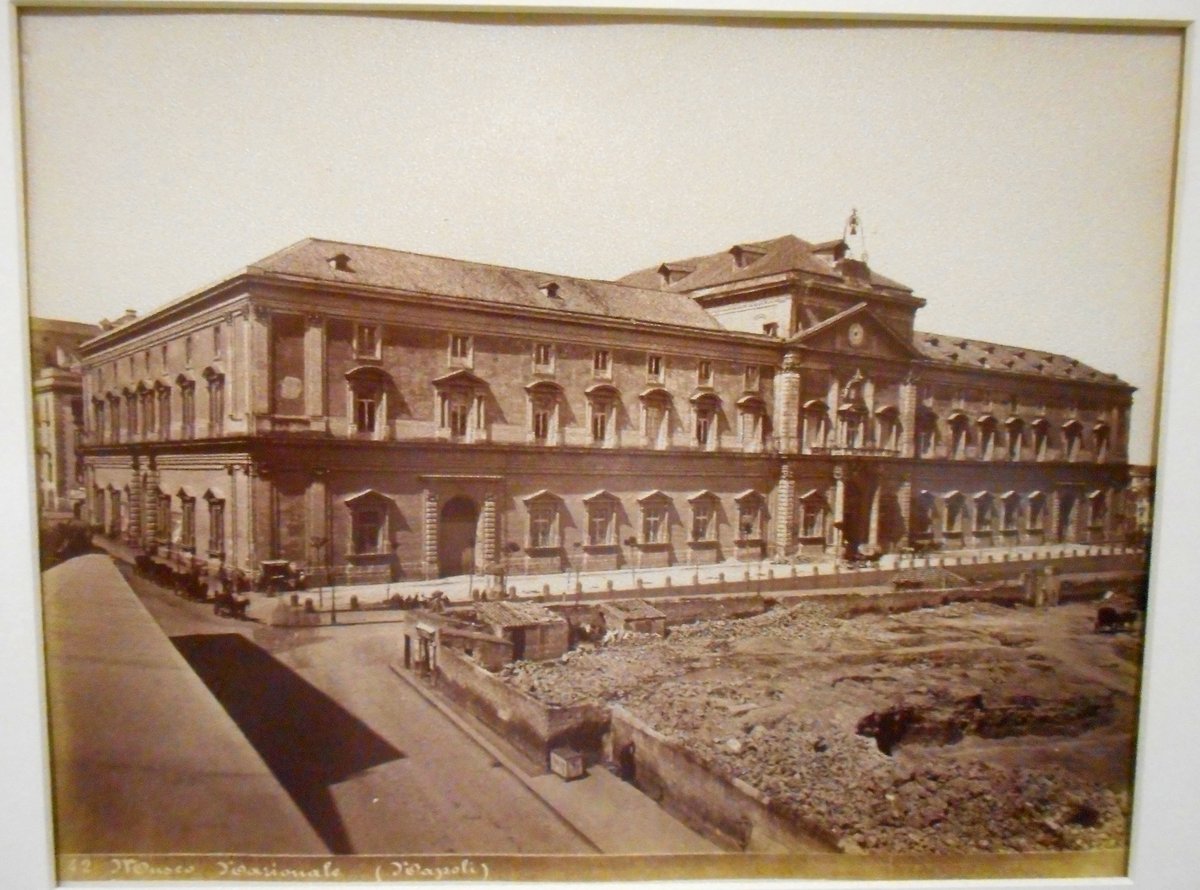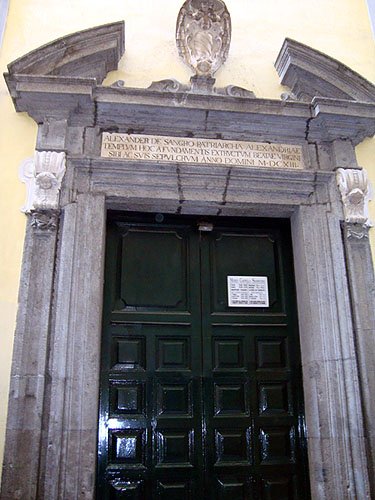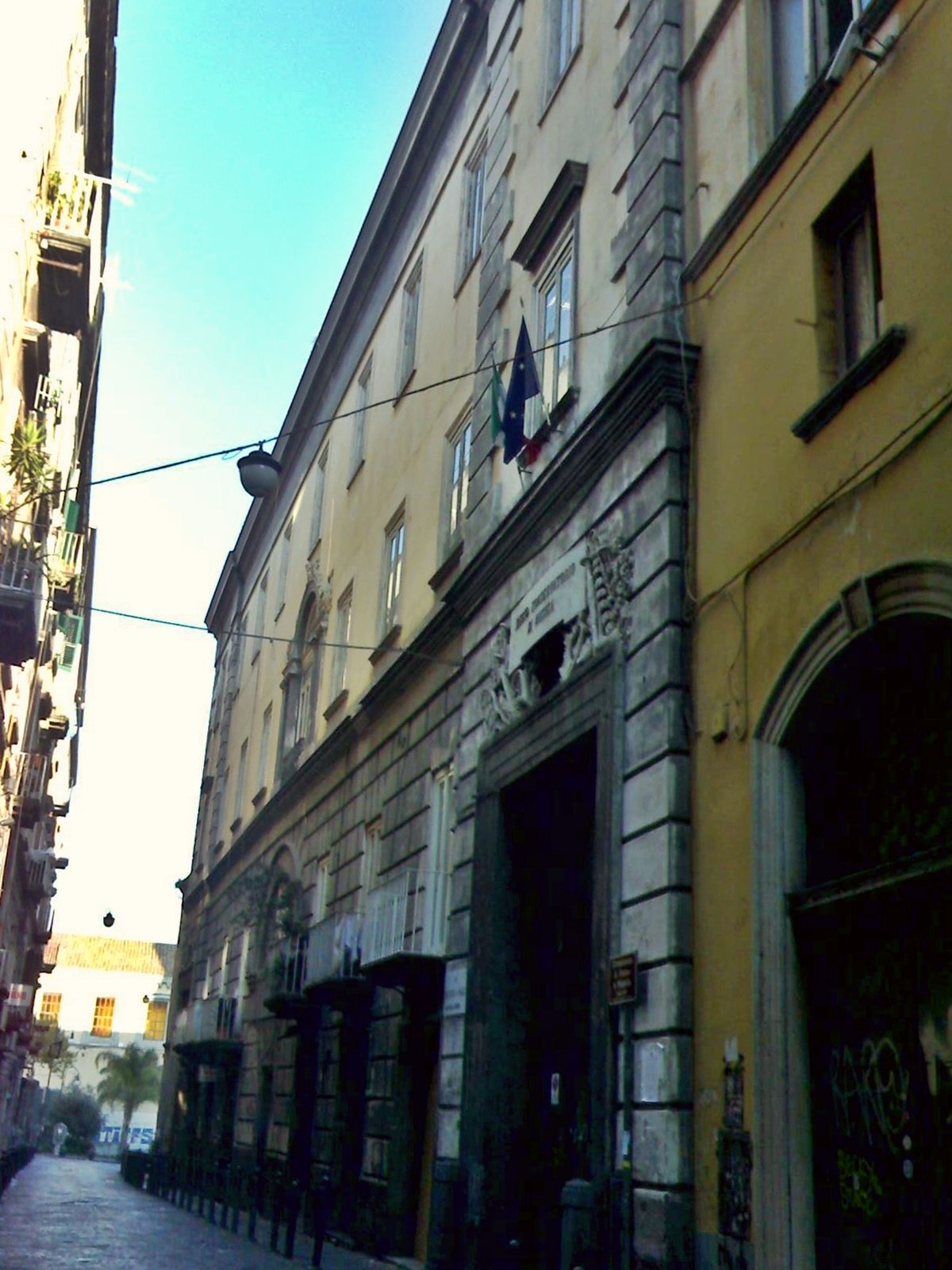
Plan and listen to San Pietro A Majella Conservatory Of Naples with Audiala.
Audio guide in your pocket, itinerary in your browser. Built for the way you actually visit.
Introduction
The San Pietro a Majella Conservatory in Naples is both a living center of musical excellence and a historic monument that encapsulates centuries of the city’s artistic and cultural development. Situated in the heart of Naples, it evolved from a monastic institution in the 16th century into one of Europe’s most influential conservatories, shaping the course of Western music and nurturing generations of renowned composers. Today, it offers visitors a unique opportunity to explore its storied halls, rare collections, and dynamic cultural life, making it an essential destination for music lovers, cultural travelers, and anyone interested in Naples’ rich history (everything.explained.today, napoli-turistica.com).
This comprehensive guide covers the conservatory’s historical evolution, architectural highlights, major collections, practical visitor information, and recommendations for making the most of your visit.

Origins and Evolution
The conservatory’s origins trace back to the early 16th century, when Naples’ “conservatories” were charitable institutions providing shelter and musical education to orphans. Over the centuries, four major conservatories emerged:
- Santa Maria di Loreto (1535)
- Pietà dei Turchini (1583)
- Sant’Onofrio a Capuana (1578)
- Poveri di Gesù Cristo (1589)
These institutions laid the groundwork for Naples’ reputation as a European musical capital. In 1807, during the Napoleonic reforms, the surviving conservatories were merged into the Real Collegio di Musica, which moved to its current location in 1826, occupying the former Celestine monastery attached to the Church of San Pietro a Majella (wikipedia).
Architectural and Cultural Highlights
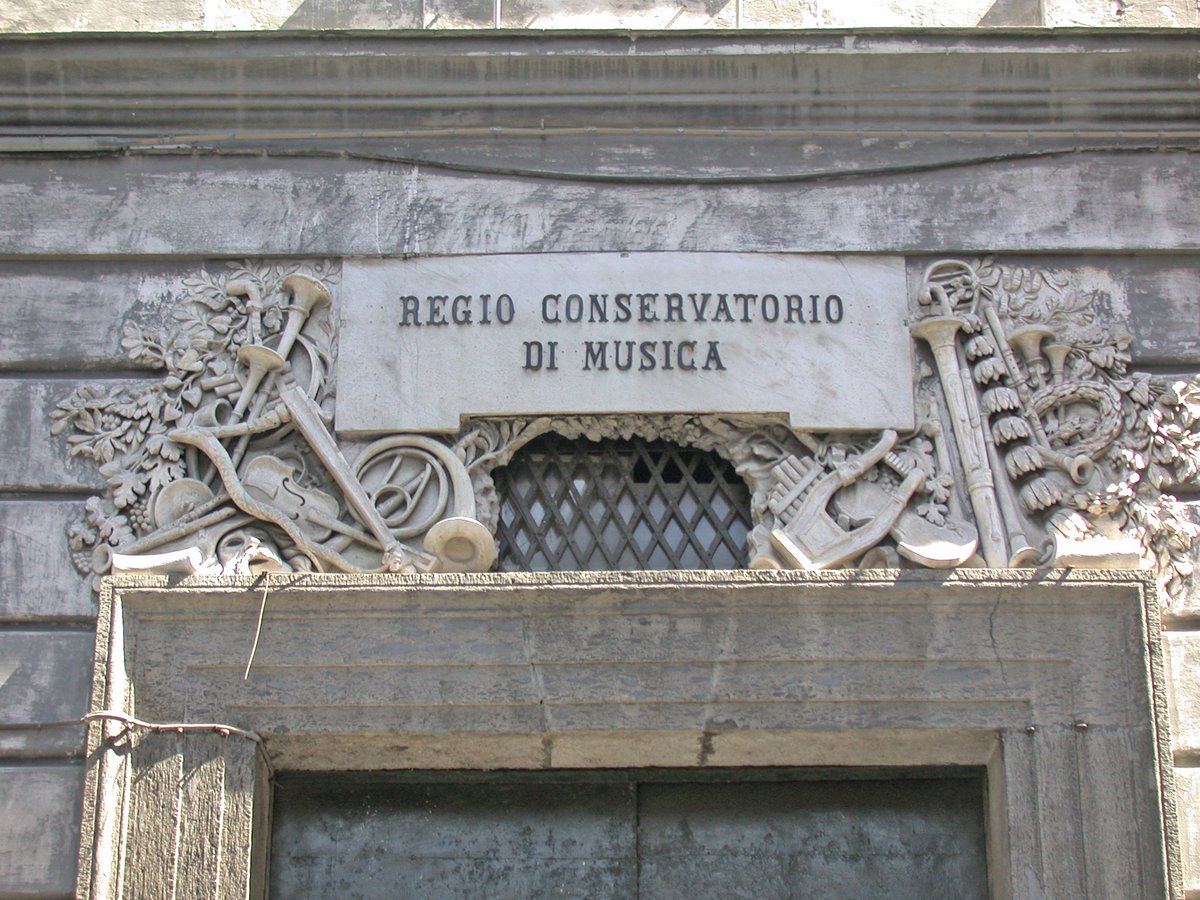
The building itself is a masterpiece, blending monastic Gothic structures with neoclassical elements. Visitors enter through a grand marble portal adorned with musical motifs, leading to tranquil cloisters and gardens that retain the contemplative spirit of its monastic past. Notable features include the Sala Scarlatti—renowned for its concerts and acoustics—and the Beethoven statue by Francesco Jerace, symbolizing the institution’s reverence for musical genius (napolike.com).
The Conservatory’s Role in Music History
San Pietro a Majella has been pivotal in the development of the Neapolitan School, influencing European music from the Baroque through the Romantic era. Its faculty and alumni include luminaries such as Alessandro Scarlatti, Giovanni Battista Pergolesi, Vincenzo Bellini, Saverio Mercadante, Domenico Cimarosa, Gaetano Donizetti, Riccardo Muti, and many others (discovercampania.it, studyqa.com).
The conservatory continues to foster musical innovation, hosting international competitions, masterclasses, and a vibrant concert calendar—ensuring its status as a living, dynamic institution.
Collections: Library and Museum
Library
The conservatory’s library is renowned across Europe for its vast holdings:
- Manuscripts and Scores: Thousands of original manuscripts, including autographs by Scarlatti, Bellini, and Mercadante.
- Archival Documents: Treatises, correspondence, and early printed editions, forming a core resource for musicological research.
- Historic Preservation: A royal decree in 1795 required Naples’ theaters to deposit copies of works performed, resulting in an unparalleled collection (napoli-turistica.com).
Major modernization and digitization efforts were spearheaded in the late 20th century, particularly under the leadership of Roberto De Simone in 1998, making many resources available to scholars worldwide (Cronache della Campania).
Museum
The museum showcases rare instruments and memorabilia, such as:
- A Stradivari “arpetta” (miniature harp)
- A 1636 harpsichord by Andreas Ruckers
- Pianos owned by Cimarosa and Paisiello
- The rare “pianoforte a cristallo,” a Neapolitan invention inspired by the glass harmonica
These displays highlight the evolution of musical craftsmanship and Naples’ legacy as a center for instrument making (napoli-turistica.com).
Visitor Information
Opening Hours
- Museum and Library: Generally open Tuesday through Saturday, 9:00 AM – 1:00 PM (sometimes until 5:00 PM for special events)
- Closed: Sundays, Mondays, and public holidays
- Note: Hours can vary due to academic activities. Always check the official website before visiting.
Tickets and Admission
- Museum and Library: Free admission, though donations are welcomed (whichmuseum.com)
- Concerts and Special Events: Ticketed; prices vary by event. Booking in advance is recommended during peak seasons or for high-profile concerts.
Guided Tours
- Available by prior arrangement through the conservatory’s administration.
- Tours offer in-depth insights into collections, architecture, and the conservatory’s history.
- Group bookings and educational programs are also available.
Accessibility
- The building is partially accessible due to its historic structure; ramps and elevators are present in some areas.
- Visitors with mobility needs should contact the conservatory in advance to arrange assistance.
Facilities
- Restrooms and cloakrooms are available but may be shared with the conservatory.
- No on-site café—plan accordingly.
Photography
- Allowed for personal use (no flash). Some restrictions may apply for rare or delicate items.
Getting There and Nearby Attractions
- Location: Via San Pietro a Majella, 35, Naples
- Transport: Easily accessible via Metro Line 1 (Dante or Università stations) and several bus routes.
- Nearby Sites: Piazza Bellini, Naples National Archaeological Museum, Sansevero Chapel, Via dei Tribunali, and the Naples Cathedral offer further cultural exploration.
Special Events and Community Engagement
The conservatory regularly hosts:
- International competitions such as the Severino Gazzelloni Flute Competition (flutealmanac.com)
- Masterclasses, public concerts, lectures, and thematic exhibitions
- Educational outreach programs, making the conservatory a hub for Naples’ contemporary cultural life
Frequently Asked Questions (FAQ)
Q: What are the visiting hours for the museum and library?
A: Tuesday to Saturday, typically 9:00 AM – 1:00 PM (verify with the official website for changes).
Q: Is there an entrance fee?
A: Admission to the museum and library is free.
Q: Can I book a guided tour?
A: Yes, through the conservatory’s administration or website.
Q: Is the building fully accessible?
A: Accessibility is limited; contact the conservatory in advance if you have mobility needs.
Q: Are there concerts or events open to the public?
A: Yes, the conservatory regularly hosts concerts and events. Check the calendar online.
Q: Are digital resources available for researchers?
A: Yes, many manuscripts and scores have been digitized and are available online or by appointment.
Visitor Recommendations
- Plan Ahead: Check hours and event schedules on the official website.
- Combine Visits: Nearby attractions such as the National Archaeological Museum and Piazza Bellini make for a rich cultural itinerary.
- Guided Tours: Enhance your experience by arranging a tour, especially if you are interested in detailed historical or technical information.
- Language: Most exhibit information is in Italian; consider using a translation app or arranging for a guide if needed.
- Stay Connected: Download the Audiala app for guided audio tours, updates, and related content. Follow the conservatory’s social media channels for news on concerts and exhibitions.
Listen to the full story in the app
The whole San Pietro A Majella Conservatory Of Naples,
told well.
Audio guides for 1,100+ cities across 96 countries. History, stories, and local insight — offline ready.
Verified, and shown.
Researched and written by the Audiala editorial team from historical records, architectural archives, and local expertise.
Researched from Wikidata, Wikipedia & official sources · fact-checked · How we make our guides →