Plan and listen to Porta Nolana with Audiala.
Audio guide in your pocket, itinerary in your browser. Built for the way you actually visit.
Introduction
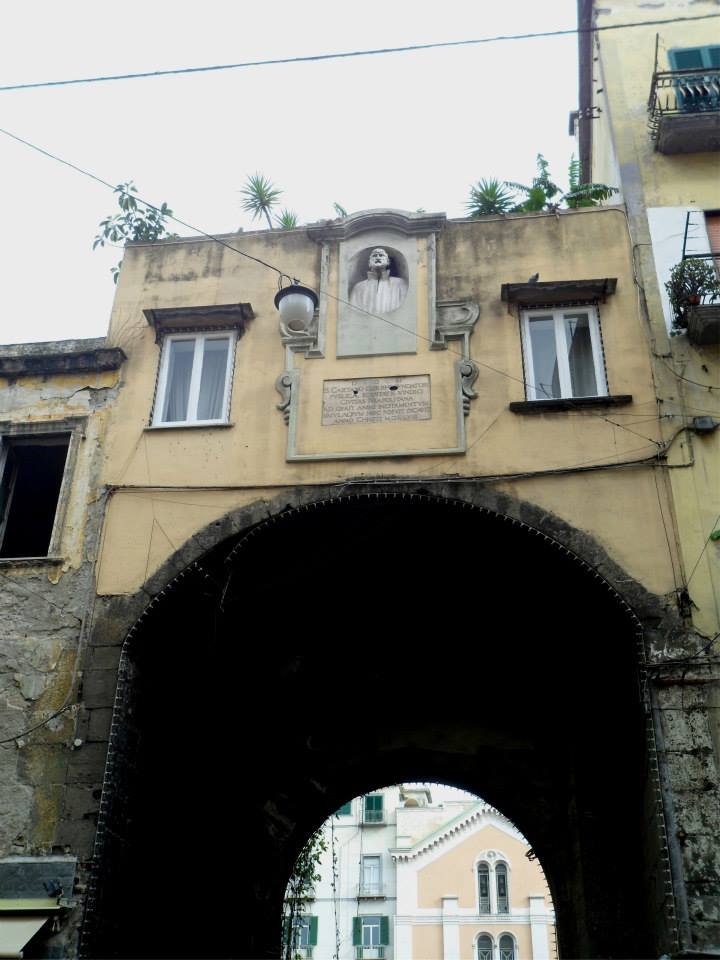
Porta Nolana, one of the ancient gates of Naples, Italy, stands as a significant relic of the city's rich historical and architectural heritage. Constructed in the 15th century under the reign of King Ferdinand I of Naples, the gate was initially part of the city's defensive walls designed to protect it from invasions. The name 'Nolana' is derived from its orientation towards the town of Nola, a notable settlement in the Campania region (Naples Historical Society).
The architectural marvel of Porta Nolana is characterized by its robust structure, featuring two cylindrical towers made from local volcanic tuff, a material known for its durability. During the Renaissance period, the gate underwent several modifications, including the addition of decorative elements and the prominent display of the coat of arms of the House of Aragon, reflecting the artistic and political influences of the time (Architectural Digest).
Beyond its defensive role, Porta Nolana played a crucial part in Naples' trade and commerce, serving as a vital gateway for merchants and traders. Goods such as agricultural produce, textiles, and artisanal crafts frequently passed through this gate, contributing to the city's economic prosperity. The gate's proximity to markets and ports further facilitated the exchange of goods and services (Economic History of Naples).
Today, Porta Nolana is not only a historical monument but also a cultural landmark that attracts tourists and history enthusiasts from around the world. This guide will provide comprehensive insights into the historical significance, architectural beauty, and practical visitor information for exploring Porta Nolana and its surrounding attractions.

Origins and Early History
Porta Nolana has a rich history dating back to the medieval period. The gate was originally constructed in the 15th century under the reign of King Ferdinand I of Naples. It was part of the city's defensive walls, which were crucial for protecting Naples from invasions and attacks. The gate's name, 'Nolana,' is derived from its orientation towards the town of Nola, a significant settlement in the Campania region (Naples Historical Society).
Architectural Significance
The architectural design of Porta Nolana is a testament to the military engineering of the time. The gate features a robust structure with two cylindrical towers flanking the main entrance. These towers were designed to provide a strategic advantage, allowing defenders to monitor and repel any approaching threats. The gate's construction utilized local volcanic tuff, a material known for its durability and resistance to erosion (Architectural Digest).
Renaissance Influence
During the Renaissance period, Porta Nolana underwent several modifications to enhance its aesthetic appeal and functionality. The gate was adorned with decorative elements, including intricate carvings and reliefs that reflected the artistic trends of the time. One notable feature is the coat of arms of the House of Aragon, which is prominently displayed above the entrance. This emblem signifies the gate's association with the Aragonese rulers who played a pivotal role in the history of Naples (Architectural Digest).
Role in Trade and Commerce
Porta Nolana was not just a defensive structure; it also served as a vital gateway for trade and commerce. The gate's strategic location made it a bustling hub for merchants and traders who traveled between Naples and the surrounding regions. Goods such as agricultural produce, textiles, and artisanal crafts passed through Porta Nolana, contributing to the economic prosperity of Naples. The gate's proximity to the city's markets and ports further facilitated the exchange of goods and services (Economic History of Naples).
Historical Events and Transformations
Over the centuries, Porta Nolana witnessed numerous historical events that shaped its legacy. During the 16th century, the gate played a crucial role in defending Naples against the French invasion led by Charles VIII. The fortifications around Porta Nolana were reinforced to withstand the siege, and the gate became a symbol of the city's resilience and determination.
In the 19th century, with the advent of modernization and urban expansion, the defensive walls of Naples, including Porta Nolana, underwent significant changes. Parts of the walls were dismantled to accommodate the growing city's infrastructure needs. Despite these transformations, Porta Nolana retained its historical significance and continued to be a landmark of Naples.
Preservation and Restoration Efforts
In recent years, efforts have been made to preserve and restore Porta Nolana to its former glory. The gate has been the focus of various conservation projects aimed at maintaining its structural integrity and historical authenticity. These initiatives have included cleaning and repairing the stonework, restoring the decorative elements, and implementing measures to protect the gate from environmental damage.
The restoration of Porta Nolana has been supported by both governmental and non-governmental organizations, highlighting the importance of preserving cultural heritage. The gate now stands as a testament to Naples' rich history and architectural heritage, attracting tourists and history enthusiasts from around the world (Preservation Society of Naples).
Practical Visitor Information
Porta Nolana Tickets and Visiting Hours
- Visiting Hours: Porta Nolana is accessible to the public 24/7.
- Tickets: There is no entrance fee to visit Porta Nolana.
Nearby Attractions
- Piazza Garibaldi: A bustling area known for its markets, shops, and eateries.
- Castel Capuano: One of the oldest castles in Naples, located nearby.
- Ancient Roman ruins of Pompeii: Easily accessible from Porta Nolana.
Travel Tips
- Best Time to Visit: Early morning or late afternoon to avoid crowds.
- Accessibility: The area around Porta Nolana is pedestrian-friendly but may have uneven surfaces (Naples Public Transport).
Cultural and Tourist Significance
Today, Porta Nolana is not only a historical monument but also a cultural landmark that offers visitors a glimpse into Naples' past. The gate is located near the vibrant Piazza Garibaldi, a bustling area known for its markets, shops, and eateries. Visitors can explore the surrounding neighborhood, which is rich in history and culture, and experience the lively atmosphere of Naples.
Porta Nolana also serves as a starting point for exploring other historical sites in Naples, such as the nearby Castel Capuano and the ancient Roman ruins of Pompeii. The gate's accessibility and proximity to major transportation hubs make it a convenient destination for tourists (Modern Naples Tourism).
Special Events and Guided Tours
Porta Nolana often features in local festivals and celebrations, such as the annual San Gennaro festival. Guided tours are available and provide comprehensive insights into the gate's historical and cultural significance. These tours often include other nearby historical sites, offering a holistic experience of Naples' rich heritage (Local Guides Naples).
Modern-Day Relevance
In contemporary times, Porta Nolana continues to be a symbol of Naples' rich history and cultural diversity. It serves as a reminder of the city's resilience and its ability to adapt and thrive through various historical epochs. The gate is also a popular tourist attraction, drawing visitors from around the world who are eager to explore its historical significance and architectural beauty (Modern Naples Tourism).
Educational Value
Porta Nolana offers immense educational value for students and researchers interested in history, architecture, and urban studies. The gate provides a tangible link to the past, allowing for a deeper understanding of the historical events and cultural practices that have shaped Naples. Educational institutions often organize field trips to Porta Nolana, providing students with firsthand experience of historical research and preservation techniques. Additionally, the gate serves as a case study for architectural conservation and urban planning, highlighting the challenges and successes of preserving historical landmarks in a modern city (Educational Tours Naples).
Accessibility
Porta Nolana is easily accessible by various modes of transportation. The gate is located near the Napoli Centrale railway station, making it convenient for visitors arriving by train. Public buses and trams also have stops close to Porta Nolana, providing easy access from different parts of the city. For those preferring to explore on foot, the gate is within walking distance from many of Naples' other historical attractions, allowing for a comprehensive tour of the city's rich heritage (Naples Public Transport).
Local Insights
Engaging with local residents can enhance the experience of visiting Porta Nolana. Neapolitans are known for their warmth and hospitality, and many are eager to share stories and anecdotes about the gate and its significance. Local guides often provide personalized tours, offering unique insights that are not available in standard guidebooks. Additionally, exploring the nearby neighborhoods can provide a deeper understanding of the local culture and lifestyle, making the visit to Porta Nolana even more enriching (Local Guides Naples).
FAQ
Q: What are the visiting hours for Porta Nolana? A: Porta Nolana is accessible to the public 24/7.
Q: Is there an entrance fee to visit Porta Nolana? A: No, there is no entrance fee to visit Porta Nolana.
Q: What are some nearby attractions to Porta Nolana? A: Nearby attractions include Piazza Garibaldi, Castel Capuano, and the ancient Roman ruins of Pompeii.
Q: Are there guided tours available for Porta Nolana? A: Yes, guided tours are available and offer comprehensive insights into the gate's historical and cultural significance.
Listen to the full story in the app
The whole Porta Nolana,
told well.
Audio guides for 1,100+ cities across 96 countries. History, stories, and local insight — offline ready.
Verified, and shown.
Researched and written by the Audiala editorial team from historical records, architectural archives, and local expertise.
Porta Nolana
Porta Nolana
Porta Nolana
Porta Nolana
Porta Nolana
Researched from Wikidata, Wikipedia & official sources · fact-checked · How we make our guides →