Plan and listen to Pietrarsa Railway Museum with Audiala.
Audio guide in your pocket, itinerary in your browser. Built for the way you actually visit.
Introduction
Overlooking the shimmering Gulf of Naples and set against the imposing backdrop of Mount Vesuvius, the Pietrarsa Railway Museum (Museo Nazionale Ferroviario di Pietrarsa) is a cornerstone of Italy’s industrial and railway heritage. Established in 1840 on the grounds of the Royal Mechanical Workshops by Ferdinand II of the Two Sicilies, Pietrarsa chronicles Italy’s transformation from the age of steam to modern electric locomotives. Its historic pavilions, meticulously restored 19th-century architecture, and panoramic vistas make it one of Europe’s premier railway museums and a must-visit for history enthusiasts, families, and railway aficionados alike.

Origins and Foundation
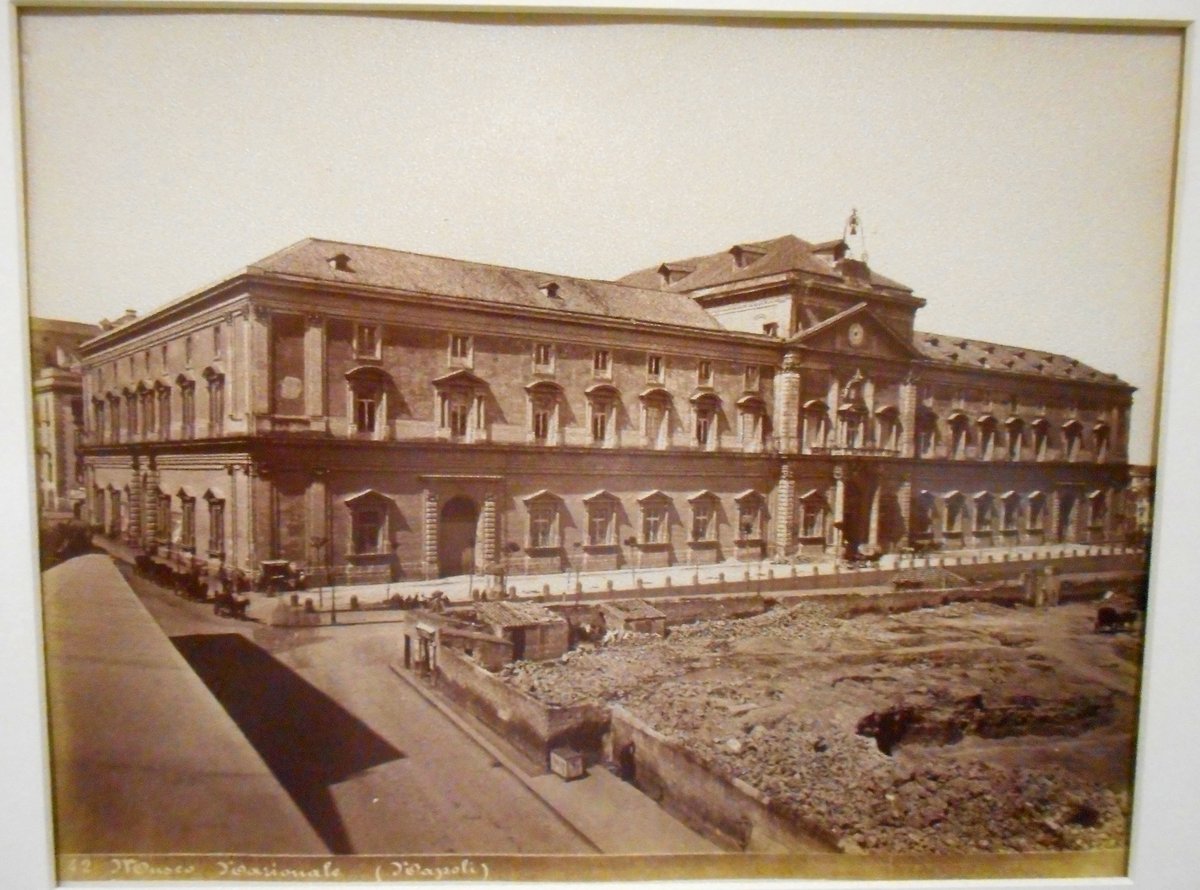
Pietrarsa’s story begins in 1840, when Ferdinand II of Bourbon established the Royal Mechanical, Pyrotechnic, and Locomotive Works in response to the region’s need for local locomotive production and technical self-reliance (Napolike). The workshops were built on the “White Stone” coastal stretch, later renamed “Pietrarsa” (“burnt stone”) after a Vesuvius eruption in 1839.
The Naples–Portici Line
The museum’s roots intertwine with the Naples–Portici railway—the first railway line in Italy, inaugurated in 1839. Pietrarsa served as the industrial heart of this pioneering project, constructing and maintaining the locomotives and rolling stock, including the iconic “Bayard” engine, a highlight of the museum’s collection (Napolike).
Nationalization and Industrial Expansion
After Italian unification in 1861, Pietrarsa was absorbed into the national railway system. The workshops grew into one of Italy’s largest industrial centers, producing steam, diesel, and electric locomotives, as well as carriages and rails. Its strategic coastal location and proximity to Naples made it a linchpin in Italy’s railway modernization throughout the 19th and 20th centuries.
Decline, Restoration, and Museum Transformation
With the decline of heavy manufacturing in the post-war era, Pietrarsa’s industrial activity waned. By the 1980s, the site faced abandonment, but preservationists recognized its historical value. Intensive restoration followed, and in 1989, Pietrarsa reopened as Italy’s National Railway Museum (Napolike). Today, its 36,000-square-meter campus and 14,000 square meters of covered exhibitions form a “living archive” of Italian and European railway history (Fondazione FS).
Planning Your Visit
Opening Hours
- Wednesdays: 6:00 p.m. – 11:00 p.m. (by reservation)
- Thursdays to Sundays: 9:30 a.m. – 11:00 p.m.
- Closed: Mondays and Tuesdays (exceptions may apply for holidays or special events)
Ticket Prices and Discounts
- Standard Adult: €7 (includes Virtual Bayard Tour)
- Reduced (under 18, over 65): €5
- Children under 6: Free
- Family ticket (2 adults + 2 children under 18): €20
- Guided Tours: €9 (adults), €7 (reduced)
- Special Promotions: Thursdays after 2:00 p.m., adults €4, children €3; Saturdays after 2:00 p.m., family ticket €10
(Kanoa)
Tickets can be purchased online at the official museum website or at the entrance. Advance booking is recommended during peak seasons.
Accessibility
The museum features barrier-free access, adapted restrooms, ramps, and elevators. Assistance is available upon request, ensuring a smooth visit for all guests (Fondazione FS).
Directions and Transportation
- By Train: Take local or regional trains on the Naples-Salerno line to Pietrarsa-San Giorgio a Cremano Station, adjacent to the museum. The heritage “Pietrarsa Express” offers a vintage rail experience from Naples Central Station (Italia.it).
- By Car: Easily accessible via the A3 motorway, with secure parking available 30 meters from the entrance (Fondazione FS).
- From Airport: Take the ALIBUS to Naples Central Station, then transfer to the regional train.
Collections and Exhibitions
Pavilion Highlights
The museum is organized into seven main pavilions, each reflecting a different era or aspect of railway technology (WhichMuseum):
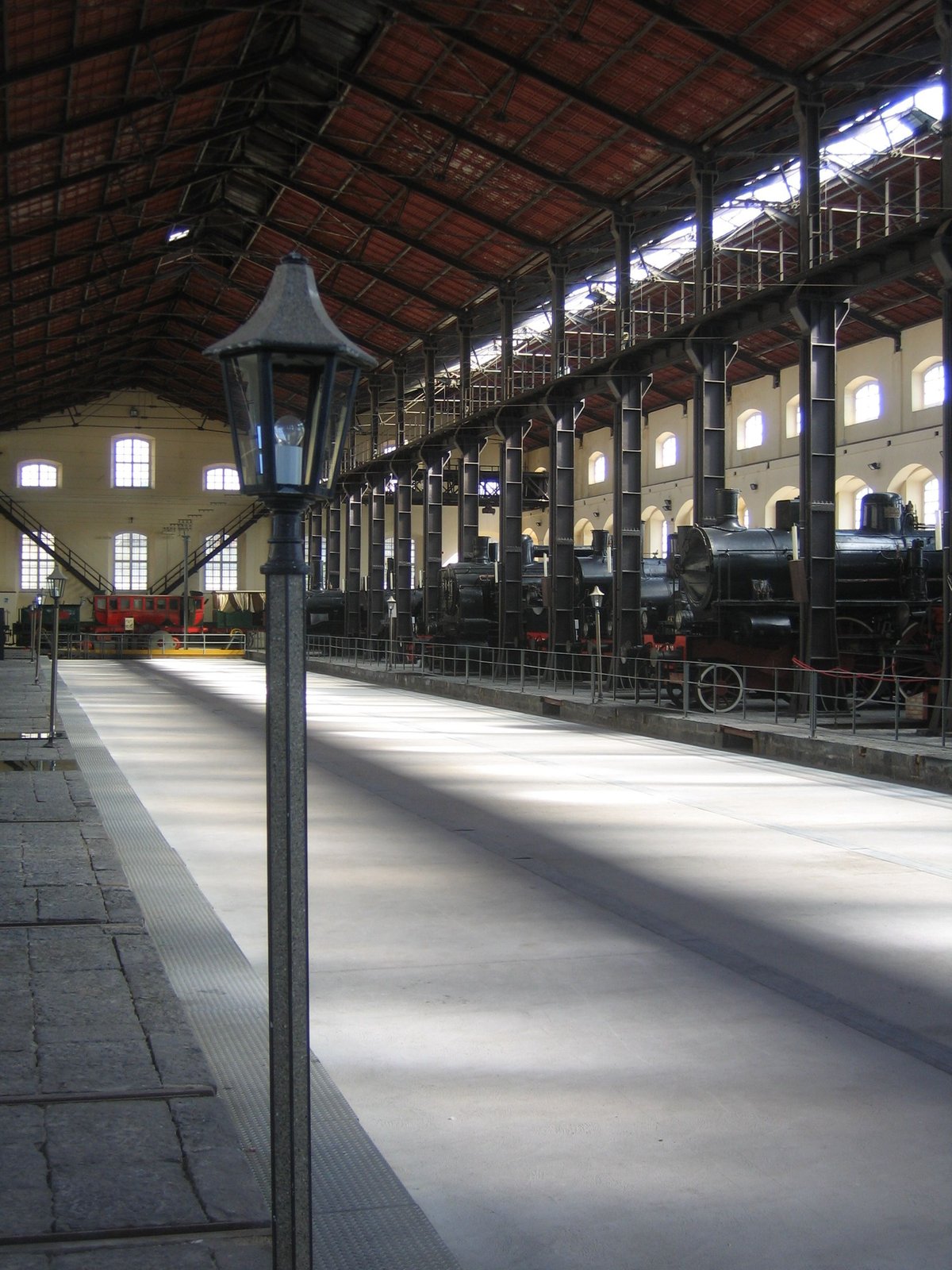
- Pavilion A: 26 steam locomotives and four three-phase electric locomotives, tracing steam’s evolution.
- Pavilions B & C: Passenger and freight carriages, including luxury royal carriages and everyday rolling stock, with interiors open for exploration (Visit Italy).
- Pavilion D: Diesel locomotives, highlighting the transition from steam to diesel.
- Pavilion E: Cinema hall for screenings and educational presentations (Destination Naples).
- Pavilion F: Industrial machinery and equipment from the original workshops.
- Pavilion G: Model trains, memorabilia, and interactive displays, especially for children.
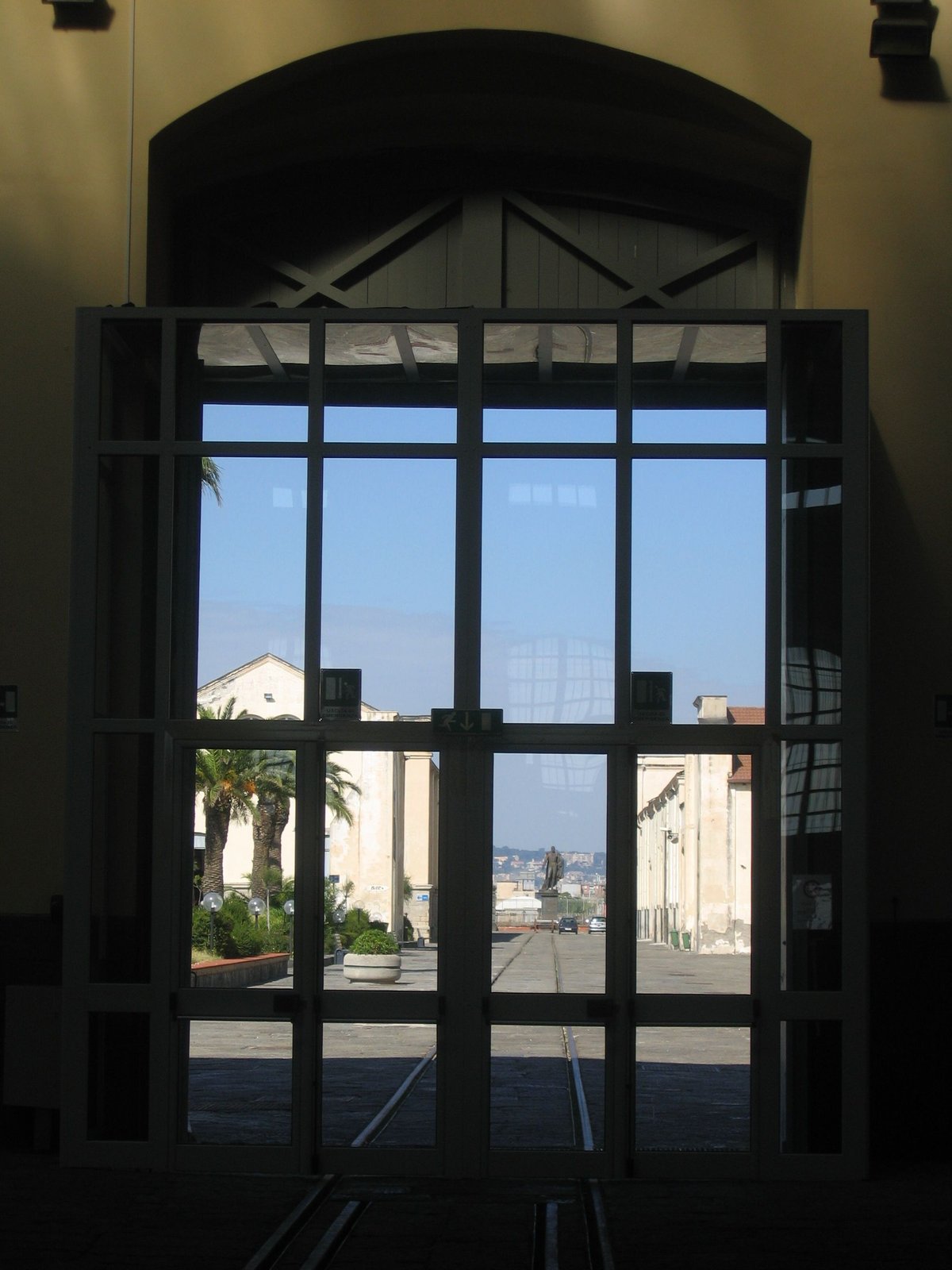
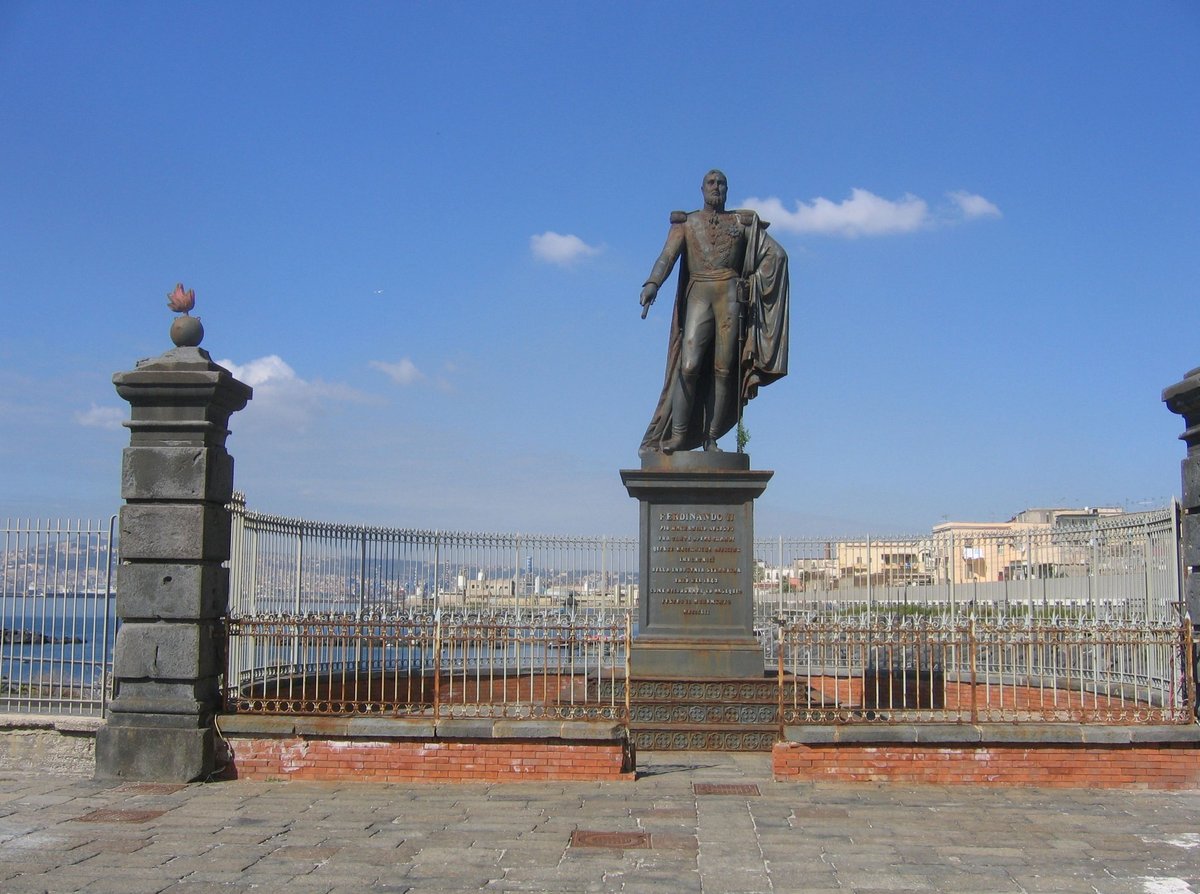
Key highlights include the faithful reproduction of the Bayard locomotive and the cast iron statue of Ferdinand II of Bourbon (Kanoa). The Mediterranean gardens and glass terrace offer scenic relaxation spots.
Interactive and Multimedia Experiences
- Virtual Bayard Tour: A multimedia, augmented reality journey aboard Italy’s first locomotive (Fondazione FS).
- Cinema Room: Documentaries and educational films.
- Hands-on Activities: Model railways and interactive displays for children and families (Movery).
Visitor Services and Amenities
- Parking: Secure, discounted for visitors (Fondazione FS).
- Restrooms: Adapted for accessibility.
- Shop and Refreshments: Museum gift shop and refreshment areas available.
- Languages: Signage and tours in Italian, English, and French.
- Pets: Allowed on museum grounds.
Special Events and Community Engagement
Pietrarsa is a vibrant venue for concerts, festivals, exhibitions, and conferences, often hosting up to 2,500 attendees (Destination Naples). The Mediterranean Garden and seafront terrace provide stunning event settings. Check the official website for current programs.
Visitor Tips and FAQs
Q: Are guided tours available?
A: Yes, in several languages. Book in advance for groups or private tours.
Q: Is the museum wheelchair accessible?
A: Yes, with ramps, elevators, and adapted facilities.
Q: Can I bring pets?
A: Yes, pets are welcome.
Q: What’s the best time to visit?
A: Late afternoon or early evening for sunset views. Allocate 2–3 hours for your visit.
Q: Are there special ticket promotions?
A: Yes, discounted rates are available at certain times (see Ticket Prices section).
Q: Is photography allowed?
A: Generally yes, but check for restrictions in special exhibits.
Tickets & tours.
These are guided options from our partners — same price as booking direct.
Prices are indicative — final pricing and availability are confirmed at checkout. Audiala may earn a commission from bookings made through these links.
Listen to the full story in the app
The whole Pietrarsa Railway Museum,
told well.
Audio guides for 1,100+ cities across 96 countries. History, stories, and local insight — offline ready.
Verified, and shown.
Researched and written by the Audiala editorial team from historical records, architectural archives, and local expertise.
Researched from Wikidata, Wikipedia & official sources · fact-checked · How we make our guides →