Plan and listen to Piazza San Gaetano with Audiala.
Audio guide in your pocket, itinerary in your browser. Built for the way you actually visit.
Introduction
The Basilica di San Paolo Maggiore, nestled in the historic center of Naples, Italy, stands as a magnificent testament to the city's rich and diverse cultural heritage. This basilica is not merely a religious monument; it is a symbol of the architectural and historical layers that define Naples. From its origins as a Roman temple dedicated to the Dioscuri, Castor and Pollux, in the 1st century AD, to its transformation into a Christian basilica in the 8th century and subsequent Baroque redesign in the late 16th century, the Basilica di San Paolo Maggiore encapsulates centuries of art, architecture, and religious devotion. Visitors to this site can witness an extraordinary blend of ancient Roman elements, medieval transformations, and Baroque splendor, all under one roof (Naples Tourism, Italy Magazine). This guide aims to provide a comprehensive overview of the basilica's history, architectural highlights, visitor information, and travel tips, ensuring that your visit to this cultural gem is both enriching and memorable.

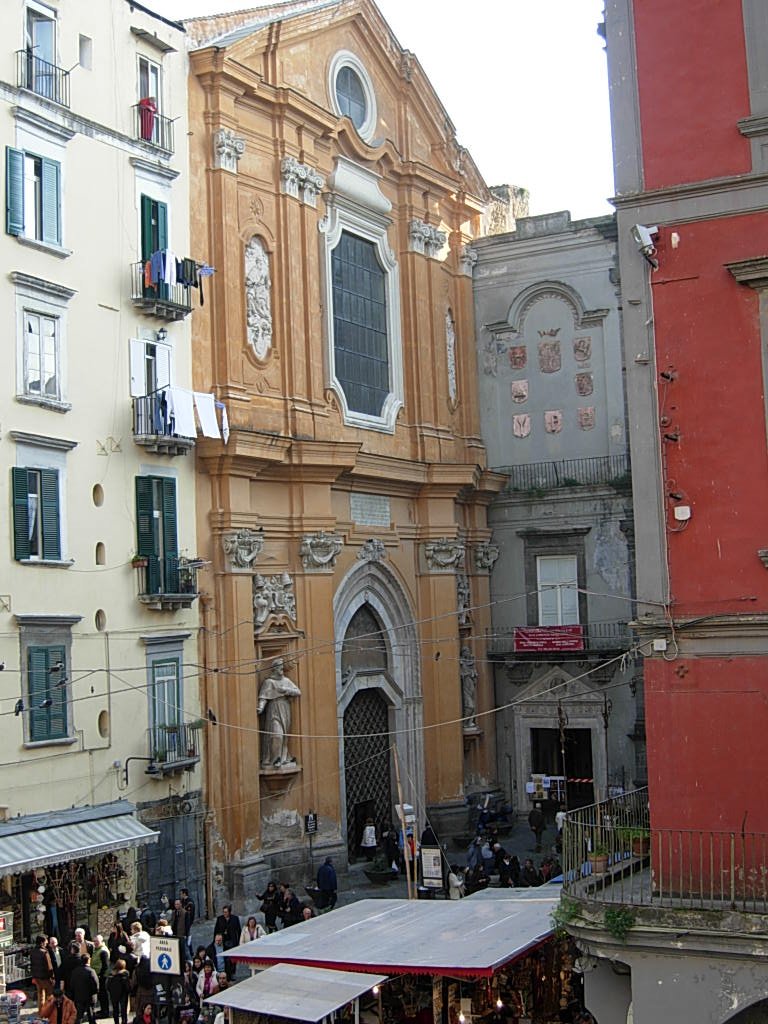
History of Basilica di San Paolo Maggiore
Origins and Early History
The Basilica di San Paolo Maggiore stands as a testament to Naples' vibrant past. Originally, the site hosted a Roman temple dedicated to the Dioscuri, Castor and Pollux, dating back to the 1st century AD. The remains of this ancient temple, including two Corinthian columns and part of the entablature, are still visible and integrated into the basilica's façade, providing a direct link to its classical past (Naples Tourism).
Medieval Transformations
The transition from a pagan temple to a Christian basilica began in the 8th century. The Normans, who established their rule over Southern Italy in the 11th century, made significant modifications to the modest initial church structure, promoting the construction of grand religious edifices like San Paolo Maggiore (Italy Magazine).
Renaissance and Baroque Renovations
The Theatine Order, who took over the church in the late 16th century, commissioned architect Francesco Grimaldi to redesign the basilica, resulting in the stunning Baroque interior seen today. Elaborate stucco decorations, frescoes, and a richly adorned high altar were added, with ceiling frescoes by Massimo Stanzione depicting scenes from the life of Saint Paul (Naples Official Tourism).
The 1688 Earthquake and Reconstruction
The devastating earthquake of 1688 caused extensive damage to the basilica. Architect Francesco Solimena led the reconstruction efforts, restoring damaged sections and enhancing the basilica's Baroque features, ensuring its lasting grandeur (Encyclopedia of Naples).
19th and 20th Century Developments
Further modifications and restorations occurred in the 19th century under the Bourbon rulers. During World War II, minor damages from bombing raids were swiftly repaired, preserving the basilica's integrity (Historical Naples).
Modern-Day Significance
Today, the Basilica di San Paolo Maggiore is a significant religious site and a popular tourist attraction. It continues to function as a place of worship while drawing visitors interested in its rich history and architectural splendor. The basilica's integration of ancient Roman elements with medieval, Renaissance, and Baroque features makes it a unique and invaluable part of Naples' cultural landscape (Visit Naples).
Visitor Information
Visiting Hours
The basilica is generally open to visitors from 9 AM to 5 PM, Monday through Saturday. It is recommended to check the official website or contact the basilica directly for the most current visiting hours.
Tickets
Entry to the basilica is typically free, but donations are encouraged to help with maintenance and preservation efforts. Special guided tours may have associated fees.
Architectural Highlights
Façade
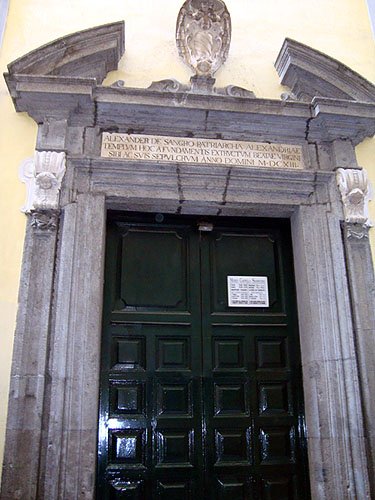
The façade is a striking blend of ancient and Baroque elements, featuring two Corinthian columns from the original Roman temple and an inscription in Latin above the entrance.
Interior
The interior is a Baroque masterpiece, with intricate stucco work, frescoes, and a high altar designed by Francesco Grimaldi. Ceiling frescoes by Massimo Stanzione depict key moments from the life of Saint Paul.
Chapels
The side chapels are equally impressive, each dedicated to different saints and adorned with paintings, sculptures, and altarpieces by notable Baroque artists. The Chapel of Saint Cajetan is particularly renowned for its elaborate decoration (Art and History of Naples).
Travel Tips and Nearby Attractions
Travel Tips
- Wear comfortable shoes as the basilica is located in a historic area with cobblestone streets.
- Photography is usually allowed, but be respectful of worshippers.
- Dress modestly, covering shoulders and knees, as this is a religious site.
Nearby Attractions
Consider visiting other historical sites nearby, such as:
- Naples Cathedral - A stunning example of Gothic architecture.
- National Archaeological Museum - Home to one of the most extensive collections of Greco-Roman artifacts.
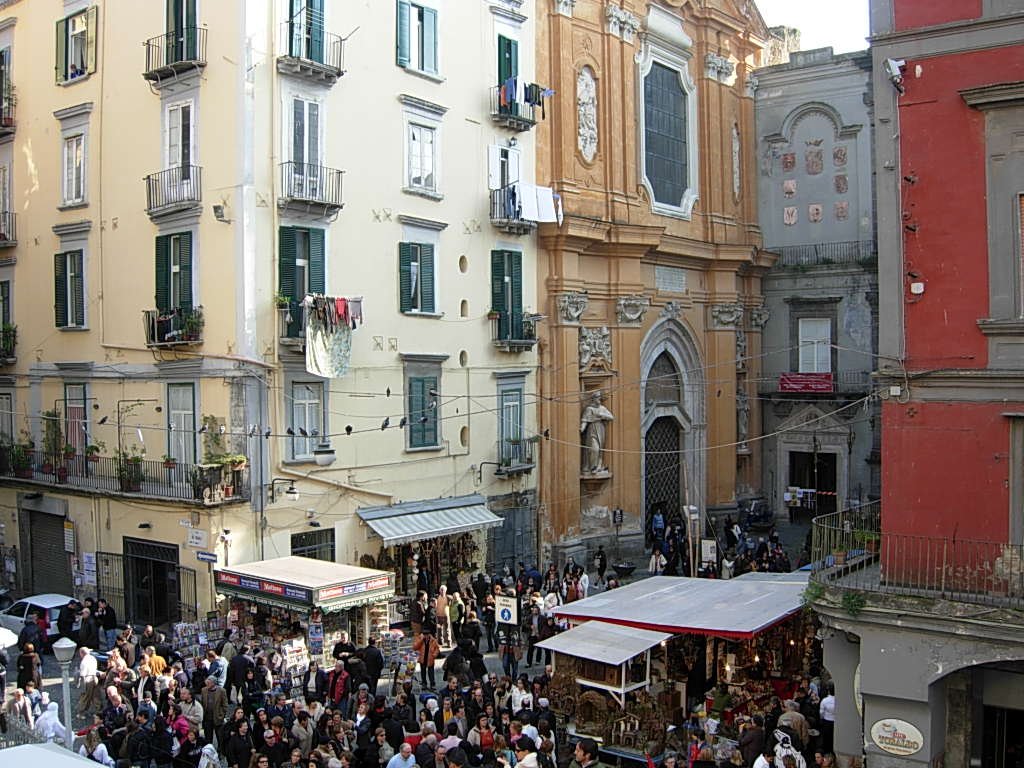
- San Gregorio Armeno - Famous for its artisan shops and nativity scenes.
- Spaccanapoli - A narrow street that cuts through the heart of Naples, offering a glimpse into the city's vibrant street life and history.
FAQ
What are the visiting hours?
The basilica is open from 9 AM to 5 PM, Monday through Saturday. Check the official website for any changes.
How much do tickets cost?
Entry is generally free, but donations are encouraged.
Tickets & tours.
These are guided options from our partners — same price as booking direct.
Prices are indicative — final pricing and availability are confirmed at checkout. Audiala may earn a commission from bookings made through these links.
Listen to the full story in the app
The whole Piazza San Gaetano,
told well.
Audio guides for 1,100+ cities across 96 countries. History, stories, and local insight — offline ready.
Verified, and shown.
Researched and written by the Audiala editorial team from historical records, architectural archives, and local expertise.
Researched from Wikidata, Wikipedia & official sources · fact-checked · How we make our guides →