Plan and listen to Palazzo Serra Di Cassano with Audiala.
Audio guide in your pocket, itinerary in your browser. Built for the way you actually visit.
Introduction
Palazzo Serra di Cassano, an architectural marvel nestled in the heart of Naples, Italy, is a site of immense historical and cultural significance. Constructed in the early 18th century by architect Ferdinando Sanfelice for the Serra family, the palace stands as a testament to the family's influence in banking, insurance, and law (Wikipedia). Featuring a monumental staircase and an exquisite blend of Renaissance and Baroque styles, the palace is adorned with intricate details and opulent furnishings (Wikipedia).
The palace's historical significance is underscored by its pivotal role in the Neapolitan Republic of 1799. Gennaro Serra, the prince of Cassano, was a key figure in the revolution, and his execution marked a turning point for the family. The palace's main entrance was symbolically sealed as a sign of mourning and protest against his beheading (Italics Art).
Today, Palazzo Serra di Cassano continues to be a vibrant cultural and intellectual hub, housing the Italian Institute for Philosophical Studies. The library, once known throughout Europe, and the palace's extensive art collection further cement its place in European history (Wikipedia). With its recent restoration efforts, the palace not only preserves its historical and architectural grandeur but also adapts to modern-day use, making it a must-visit destination for history and art enthusiasts alike.

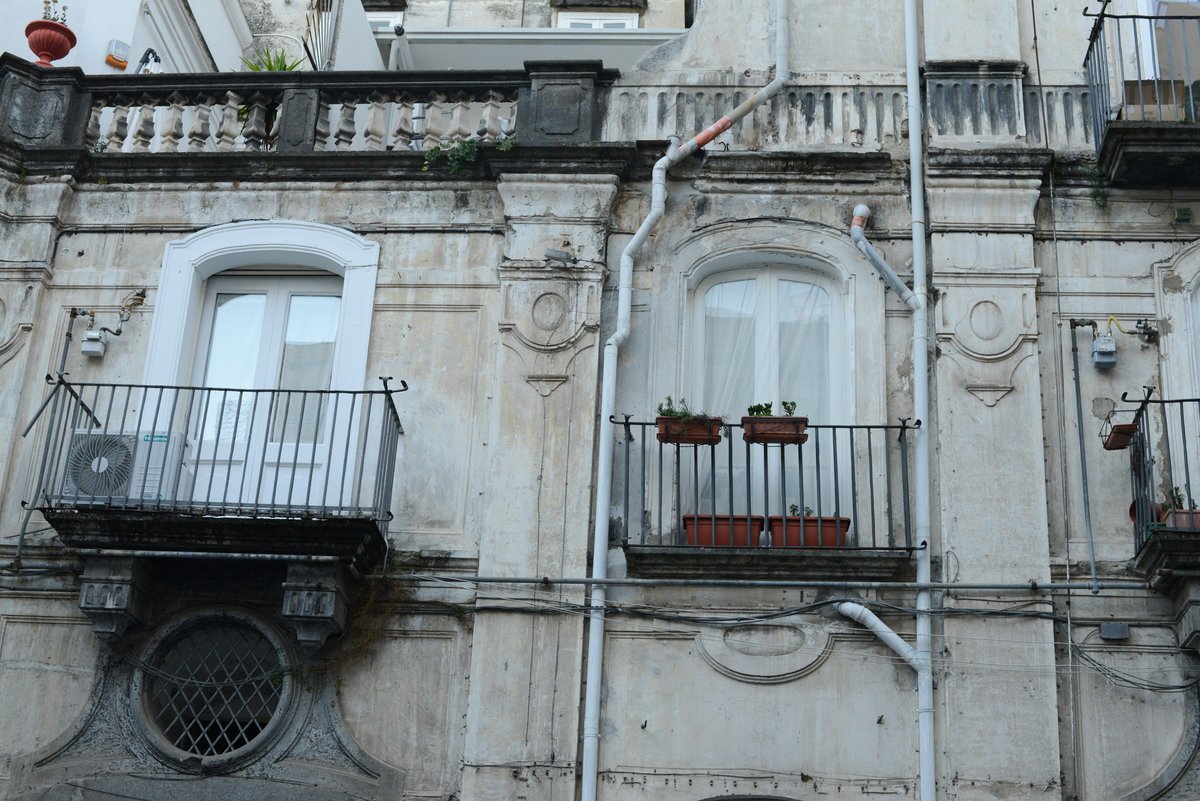
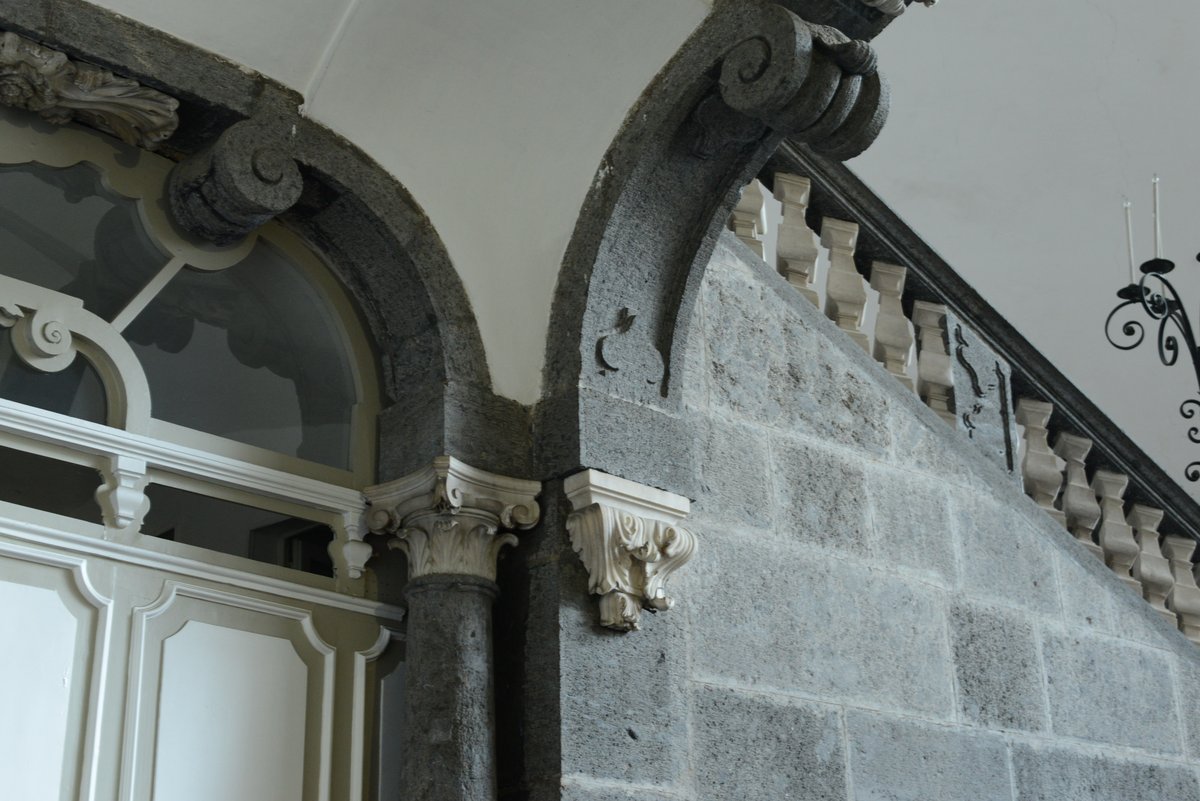
Origins and Construction
Palazzo Serra di Cassano was constructed in the early 18th century for the Serra family, one of the original 54 families of the 'old nobility' of Genoa. The palace's construction began in the 1730s under the direction of Ferdinando Sanfelice, who was also responsible for the nearby Nunziatella, the Bourbon Military Academy (Wikipedia).
Architectural Features
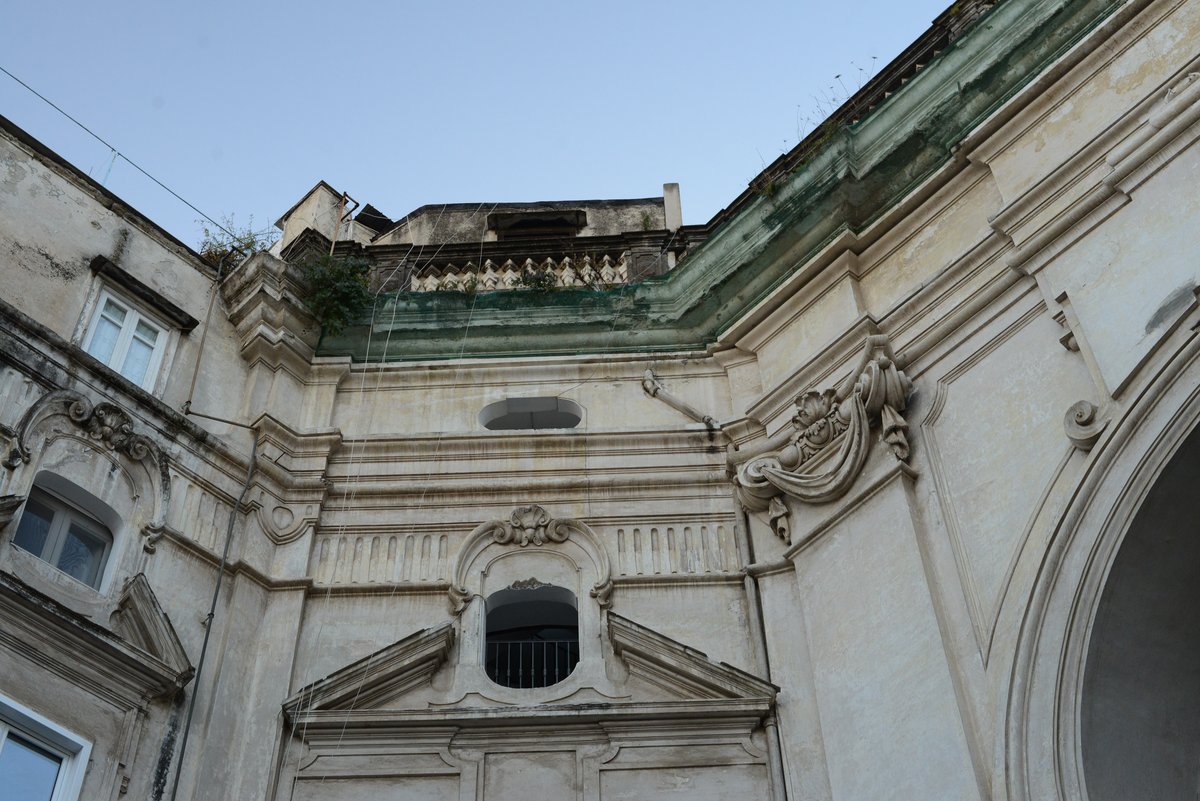
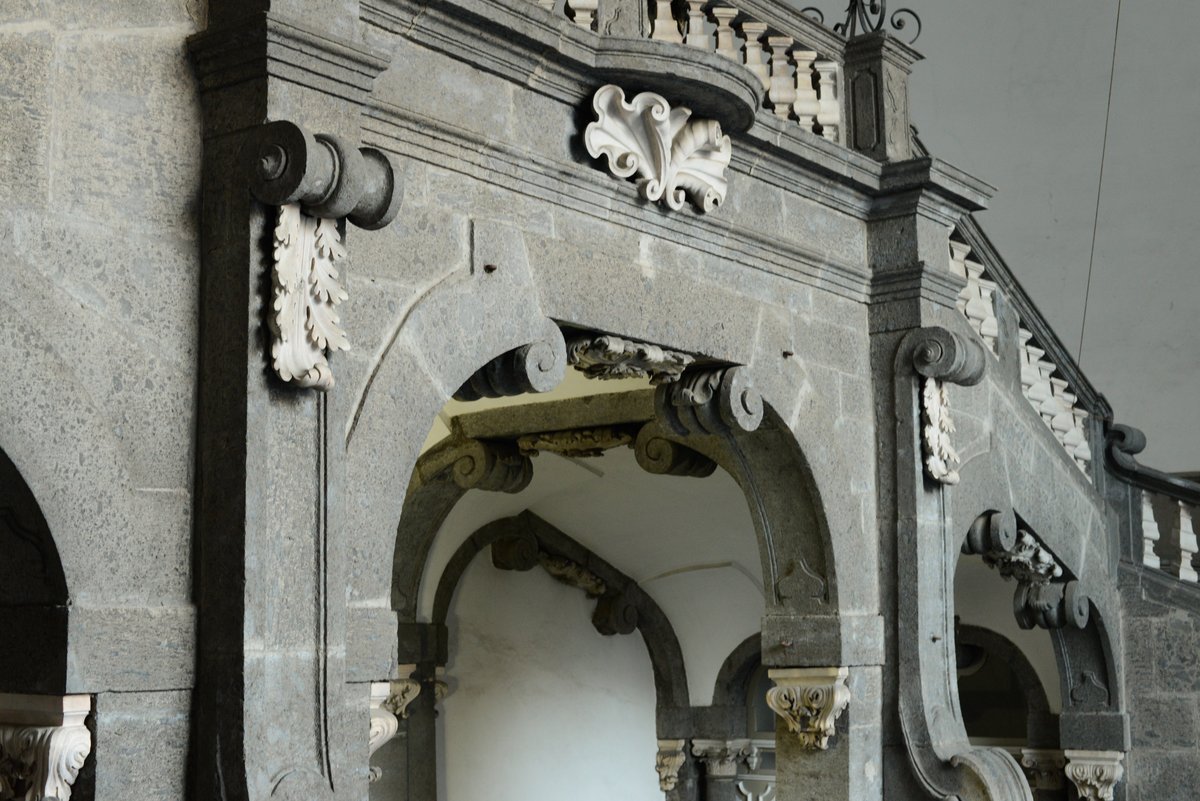
The architectural design of Palazzo Serra di Cassano is notable for its grandiose and imposing structure. One of the most striking features is the monumental staircase, designed by Sanfelice, renowned for its aesthetic appeal and architectural significance. The staircase is closed, with a double ramp and a single body, creating a fascinating contrast with the piperno and white marble that characterize the structure (Wikipedia).
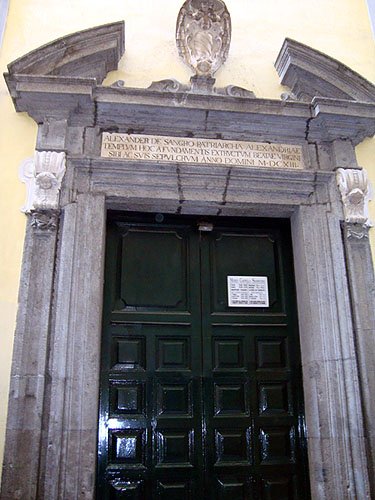
The palace originally had entrances on two different streets. The main entrance on via Monte di Dio opens onto twin curved stairways leading up over an octagonal courtyard. The other entrance, which formerly opened onto via Egiziaca facing the Royal Palace, was closed in 1799 by Luigi Francesco Serra, the Duke of Cassano, in protest of the beheading of his son, Gennaro Serra (Wikipedia).
Historical Significance
Palazzo Serra di Cassano holds a significant place in the history of Naples, particularly in connection with the events of the Neapolitan Republic of 1799. Gennaro Serra, the prince of Cassano, was a prominent figure in the revolution and was the first person to be beheaded in its aftermath (Italics Art).
The palace's historical significance is further underscored by its role as the headquarters of the Italian Institute for Philosophical Studies. This choice was a deliberate political and constitutive act, emphasizing a continuity with the intellectual tradition of Naples and its history as a European capital (Italics Art).
The Library and Cultural Contributions
Both the Duke of Cassano and Palazzo Serra were known throughout Europe for their superb library. In the 19th century, the collection was sold to the 2nd Earl Spencer, and the part which he retained is located today at the John Rylands Library in Manchester (Wikipedia). This library was a testament to the cultural and intellectual contributions of the Serra family, further cementing the palace's place in European history.
Restoration and Modern Use
During World War II, Palazzo Serra di Cassano was damaged by a bombing but was subsequently restored by Duke Francesco Serra di Cassano (1914-1998) (Wikipedia). In recent years, between 2021 and 2024, a significant restoration project was undertaken to restore half of the facade and the courtyards, ensuring the preservation of this historical and architectural gem (Wikipedia).
Today, the building houses the Istituto Italiano per gli Studi Filosofici (Italian Institute for Philosophical Studies), continuing its legacy as a center for intellectual and cultural pursuits (Wikipedia).
Visiting Information
- Visiting Hours: Palazzo Serra di Cassano is open to the public from 9:00 AM to 6:00 PM, Monday to Saturday. It is closed on Sundays and public holidays.
- Ticket Prices: General admission is €10, with discounts available for students and seniors. Guided tours are available for an additional fee.
- Travel Tips: The palace is located in the historical center of Naples, easily accessible by public transport. Nearby metro stations include Toledo and Municipio.
- Nearby Attractions: While visiting Palazzo Serra di Cassano, you can also explore nearby attractions such as the Royal Palace of Naples, Castel dell'Ovo, and the Naples National Archaeological Museum.
The Symbolic Closure of the Entrance
The closure of the entrance facing via Egiziaca in 1799 remains a powerful symbol of the family's protest against the execution of Gennaro Serra. This act of defiance is a poignant reminder of the turbulent history of Naples and the personal sacrifices made by those who fought for the Neapolitan Republic (Wikipedia).
Cultural and Intellectual Hub
Palazzo Serra di Cassano is not just a historical monument but also a vibrant cultural and intellectual hub. The Italian Institute for Philosophical Studies, housed within the palace, plays a crucial role in promoting research, study, and cultural involvement (Italics Art).
The Neighborhood and Its Significance
The neighborhood surrounding Palazzo Serra di Cassano is rich in history and cultural significance. It represents an opportunity to explore a Naples that is not culturally poor but rather disorganized and alive. The area bears the signs and gestures of a city that has a unique interpretative key, providing a fascinating backdrop for the palace and its historical narrative (Italics Art).
FAQ
- What are the visiting hours for Palazzo Serra di Cassano? Palazzo Serra di Cassano is open to the public from 9:00 AM to 6:00 PM, Monday to Saturday. It is closed on Sundays and public holidays.
- How much are tickets for Palazzo Serra di Cassano? General admission is €10, with discounts available for students and seniors. Guided tours are available for an additional fee.
- Are there guided tours available? Yes, guided tours are available for an additional fee.
- What are some nearby attractions? Nearby attractions include the Royal Palace of Naples, Castel dell'Ovo, and the Naples National Archaeological Museum.
Discover More
Don't miss out on exploring one of Naples' most significant historical sites. Plan your visit to Palazzo Serra di Cassano today! For more travel tips and updates, follow us on social media and check out our other articles on Naples historical sites.
Summary of Key Points
Palazzo Serra di Cassano stands as a beacon of Naples' rich historical and cultural heritage. From its grand architectural designs by Ferdinando Sanfelice to its significant role in the Neapolitan Republic of 1799, the palace encapsulates centuries of political intrigue, cultural patronage, and intellectual prowess. Today, it continues to serve as a hub for cultural and intellectual activities through the Italian Institute for Philosophical Studies, preserving its legacy as a center of learning and cultural exchange (Italics Art).
Visiting Palazzo Serra di Cassano offers a unique opportunity to delve into the rich tapestry of Naples' history. With detailed guided tours, visitors can explore the opulent rooms, admire the extensive art collection, and gain insights into the lives of its former inhabitants. The palace's strategic location in the historical center of Naples also makes it a convenient starting point for exploring nearby attractions such as the Royal Palace of Naples and Castel dell'Ovo (Napoli Turistica).
Whether you are a history buff, an art enthusiast, or simply a curious traveler, Palazzo Serra di Cassano promises a captivating journey through time. Plan your visit today to experience the grandeur and historical significance of this architectural masterpiece.
Listen to the full story in the app
The whole Palazzo Serra Di Cassano,
told well.
Audio guides for 1,100+ cities across 96 countries. History, stories, and local insight — offline ready.
Verified, and shown.
Researched and written by the Audiala editorial team from historical records, architectural archives, and local expertise.
Researched from Wikidata, Wikipedia & official sources · fact-checked · How we make our guides →