Plan and listen to Market Square with Audiala.
Audio guide in your pocket, itinerary in your browser. Built for the way you actually visit.
Introduction
Piazza Mercato, nestled in the vibrant heart of Naples, Italy, is a historic square that offers a unique confluence of history, culture, and modern life. Established in the 13th century during the reign of Charles I of Anjou, Piazza Mercato, originally known as 'Campo del Moricino,' quickly became a bustling hub for trade due to its strategic location near Naples' port (Naples History). Over the centuries, this iconic square has borne witness to significant historical events, architectural advancements, and cultural transformations that have shaped the city's rich tapestry.
During the medieval period, Piazza Mercato was a focal point for public events, including markets, fairs, and executions, most notably the execution of Conradin of Swabia in 1268 (Naples Tourist Guide). The square's architectural landscape evolved through the Renaissance and Baroque periods, with notable structures such as the Church of Santa Croce e Purgatorio al Mercato reflecting the artistic advancements of the time (Church of Santa Croce). The 17th century saw the square play a pivotal role in the Revolt of Masaniello, exemplifying its historical importance (Masaniello Revolt).
Today, Piazza Mercato is not only a testament to Naples' historical and cultural heritage but also a vibrant marketplace and social hub. It continues to draw both locals and tourists who come to experience its lively ambiance, historical landmarks, and diverse cultural offerings. Whether you're a history enthusiast, a culture aficionado, or a casual traveler, Piazza Mercato offers an immersive glimpse into the heart of Naples (Piazza Mercato Today).

History of Piazza Mercato
Origins and Early History
Piazza Mercato, originally known as "Campo del Moricino," was established in the 13th century during the reign of Charles I of Anjou. Designed as a commercial hub, the square facilitated trade and commerce in the bustling city of Naples. Its strategic location near the port made it an ideal spot for merchants and traders to gather and conduct business.
Medieval Significance
During the medieval period, Piazza Mercato became a focal point for various public events, including markets, fairs, and even executions. One of the most notable events in its early history was the execution of Conradin of Swabia in 1268. Conradin, the last legitimate heir of the Hohenstaufen dynasty, was captured and executed in the square, marking a significant moment in the history of Naples and the broader European political landscape (Naples History).
Renaissance and Baroque Periods
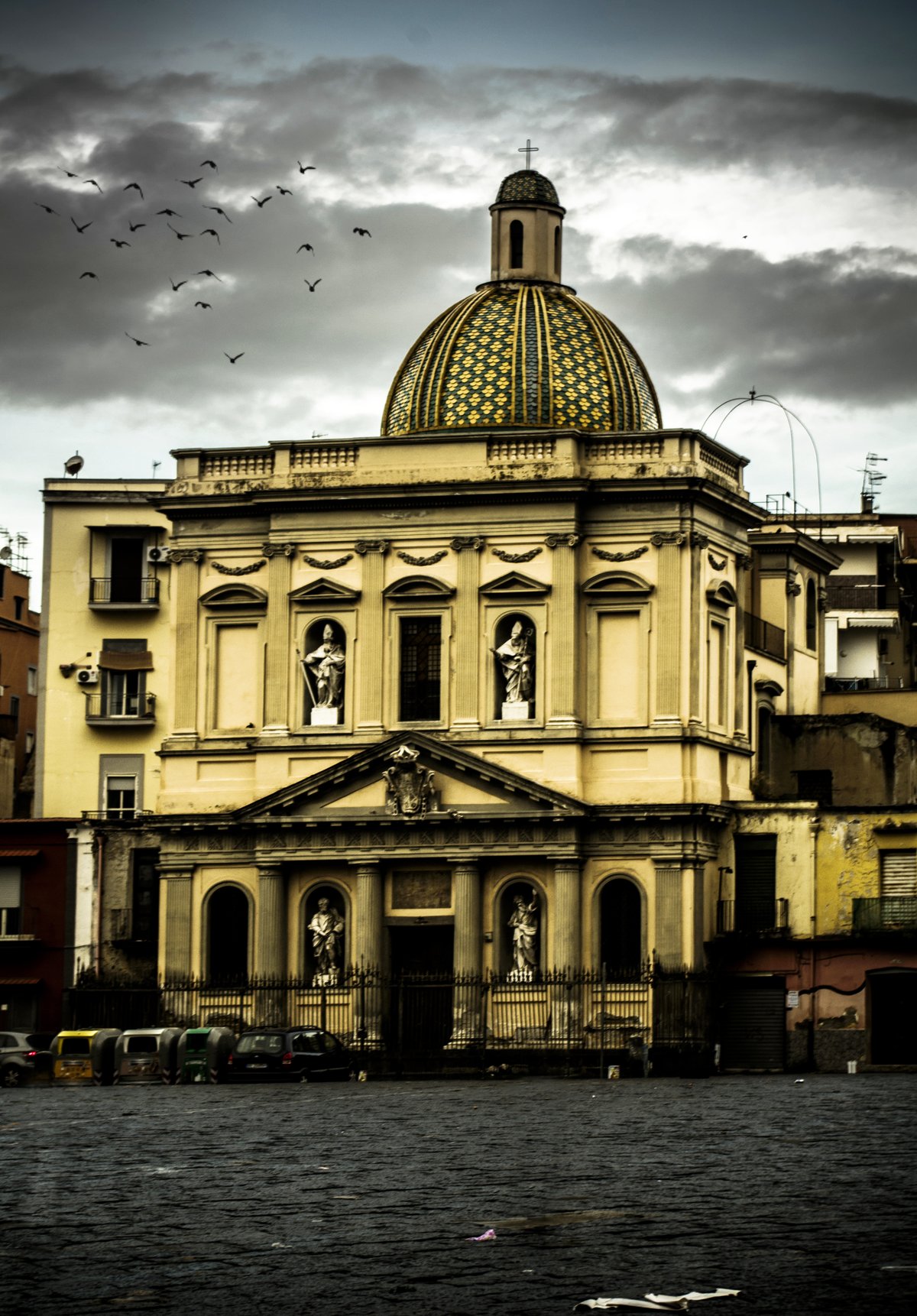
The Renaissance and Baroque periods saw Piazza Mercato evolve both architecturally and culturally. The square was adorned with several notable buildings and monuments, reflecting the artistic and architectural advancements of the time. One of the key structures was the Church of Santa Croce e Purgatorio al Mercato, built in the 14th century and later renovated in the Baroque style. This church became a significant religious and cultural landmark in the square (Church of Santa Croce).
The 1647 Revolt of Masaniello
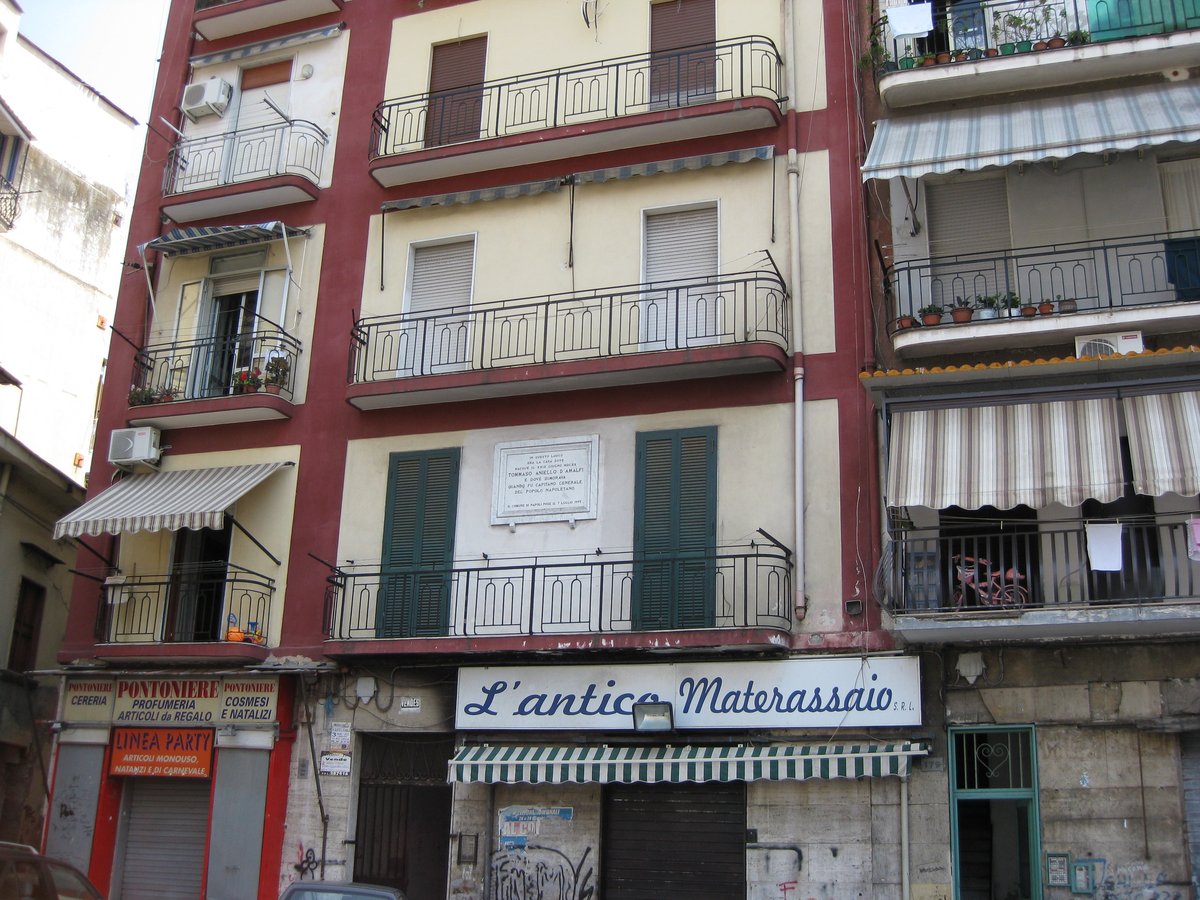
Piazza Mercato played a crucial role in the Revolt of Masaniello in 1647, an uprising against Spanish rule in Naples. Tommaso Aniello, known as Masaniello, was a fisherman who led the revolt, rallying the local populace against oppressive taxation and economic hardship. The square served as the epicenter of the rebellion, with Masaniello delivering impassioned speeches and organizing resistance efforts from this location (Masaniello Revolt).
18th and 19th Centuries
In the 18th and 19th centuries, Piazza Mercato continued to be a vibrant commercial and social hub. The square underwent several renovations and expansions to accommodate the growing population and the increasing volume of trade. During this period, it also became a center for cultural activities, hosting various festivals, performances, and public gatherings (Naples Markets).
The Execution of the Neapolitan Republic Leaders
One of the most tragic events in the history of Piazza Mercato occurred in 1799, during the fall of the Neapolitan Republic. The leaders of the short-lived republic, including prominent figures such as Eleonora Fonseca Pimentel, were executed in the square following the restoration of Bourbon rule (Neapolitan Republic).
20th Century and World War II
The 20th century brought significant changes to Piazza Mercato, particularly during and after World War II. The square suffered considerable damage during the war, with many of its historic buildings and monuments being destroyed or severely damaged. In the post-war period, efforts were made to restore and revitalize the square, preserving its historical significance while adapting it to the needs of a modern city (WWII Impact on Naples).
Contemporary Significance
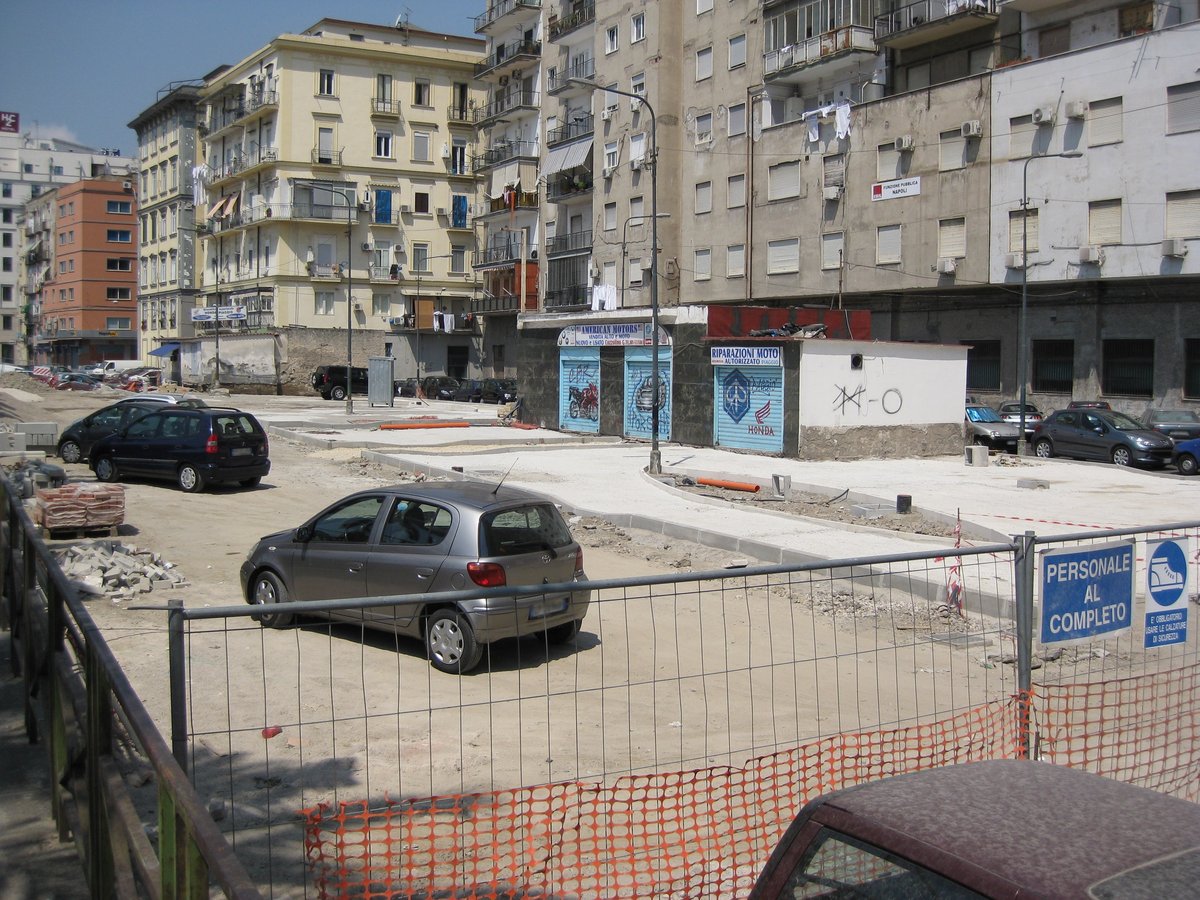
Today, Piazza Mercato remains a vital part of Naples' urban landscape. The square continues to host markets, cultural events, and public gatherings, maintaining its role as a central hub of activity in the city. Efforts to preserve and promote the historical and cultural significance of Piazza Mercato have made it a popular destination for tourists and locals alike (Piazza Mercato Today).
Visiting Piazza Mercato
Visiting Hours and Tickets
Piazza Mercato is open to the public 24 hours a day, seven days a week. There is no entrance fee to visit the square itself. However, if you wish to explore specific attractions like the Church of Santa Croce e Purgatorio al Mercato, check for any applicable visiting hours and ticket prices on their official website (Church of Santa Croce Tickets).
Travel Tips
- Best Time to Visit: The best time to visit Piazza Mercato is during the spring and fall when the weather is pleasant and the square is bustling with activity.
- Getting There: Piazza Mercato is easily accessible by public transportation. You can take the metro to the Piazza Garibaldi station, which is a short walk from the square.
- Nearby Attractions: While in the area, consider visiting other historical sites such as Castel Nuovo, Naples Cathedral, and the Naples National Archaeological Museum.
- Local Cuisine: Don’t miss out on sampling local Neapolitan delicacies at the nearby markets and eateries.
Architectural Highlights
Several architectural highlights in Piazza Mercato reflect its historical evolution. The Church of Santa Croce e Purgatorio al Mercato, with its Baroque façade and intricate interior, stands as a testament to the square's religious and cultural heritage. Additionally, the Fontana del Nettuno, a beautiful fountain originally constructed in the 16th century and later relocated to the square, adds to the aesthetic and historical charm of the area (Fontana del Nettuno).
Cultural and Social Impact
Piazza Mercato's historical significance extends beyond its architectural and political history. The square has been a melting pot of cultures, reflecting the diverse influences that have shaped Naples over the centuries. From medieval merchants to contemporary artists, the square has been a space where different cultures and traditions intersect, contributing to the rich tapestry of Neapolitan life (Cultural Impact of Piazza Mercato).
Frequently Asked Questions (FAQ)
Q: What are the visiting hours for Piazza Mercato?
A: Piazza Mercato is open 24/7. Specific attractions within the square may have different visiting hours.
Q: Is there an entrance fee for Piazza Mercato?
A: There is no entrance fee to visit the square itself. Some attractions may require tickets.
Q: How can I get to Piazza Mercato?
A: Piazza Mercato is easily accessible by public transportation. The nearest metro station is Piazza Garibaldi.
Q: What can I do at Piazza Mercato?
A: You can explore historical landmarks, enjoy local cuisine, and participate in cultural events and markets.
Tickets & tours.
These are guided options from our partners — same price as booking direct.
Prices are indicative — final pricing and availability are confirmed at checkout. Audiala may earn a commission from bookings made through these links.
Listen to the full story in the app
The whole Market Square,
told well.
Audio guides for 1,100+ cities across 96 countries. History, stories, and local insight — offline ready.
Verified, and shown.
Researched and written by the Audiala editorial team from historical records, architectural archives, and local expertise.
Researched from Wikidata, Wikipedia & official sources · fact-checked · How we make our guides →