Plan and listen to Città Della Scienza with Audiala.
Audio guide in your pocket, itinerary in your browser. Built for the way you actually visit.
Introduction
Nestled within the historic city of Naples, Italy, the Città della Scienza stands as a testament to the resilience and cultural richness of the region. After experiencing a devastating fire in 2013 that nearly obliterated the entire complex, this prominent science museum made a remarkable comeback in 2017 with the unveiling of the Corporea exhibition. Corporea is dedicated to the exploration of the human body, with a particular focus on health and prevention, making it an essential educational resource for visitors of all ages (Archimedes Exhibitions). This comprehensive guide delves into the history, significance, and visitor information about Corporea, offering valuable insights for those planning to explore this enlightening attraction.


The Rebirth of Città della Scienza
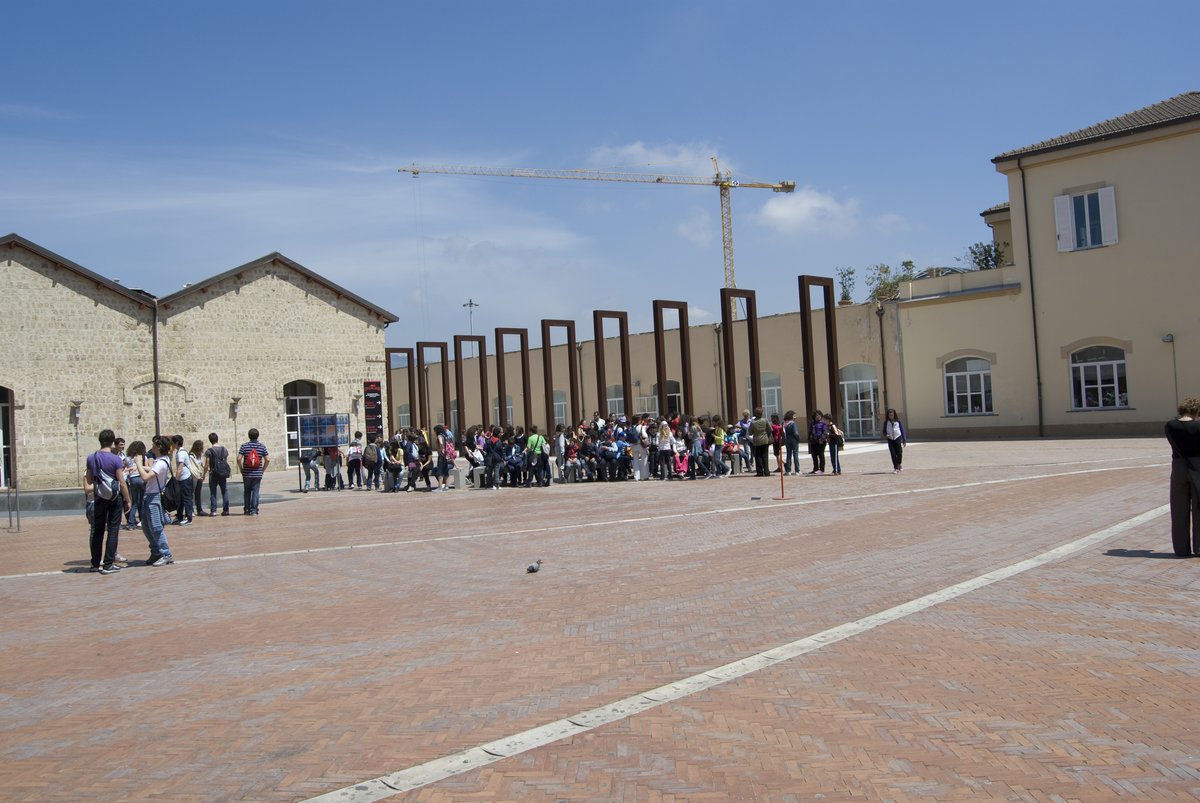
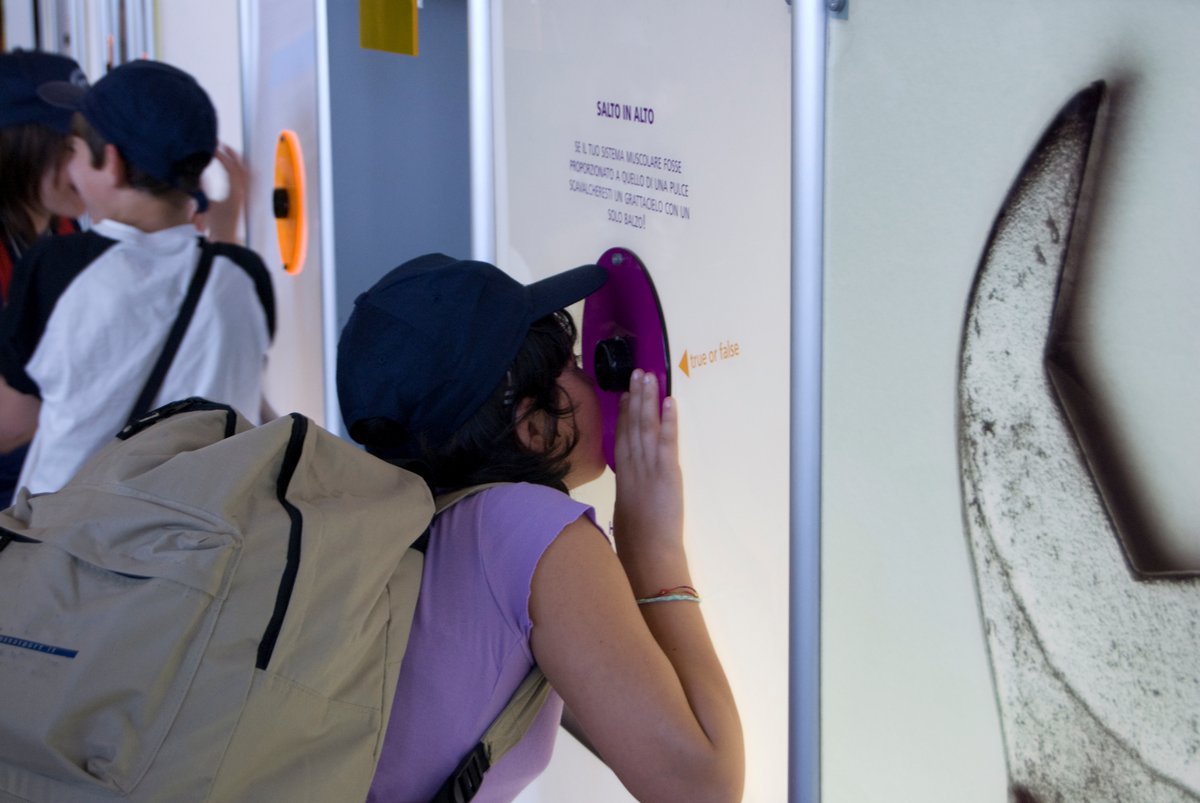
The Città della Scienza in Naples, one of Italy's largest science museums, experienced a devastating fire in 2013 that destroyed nearly the entire building complex. However, the museum made a remarkable comeback, reopening its doors in 2017 with the unveiling of the Corporea exhibition. This rebirth marked a significant milestone in the cultural and educational landscape of Naples and the Campania region. The exhibition was designed and produced by Archimedes, featuring over 100 exhibits, installations, and interactive stations spread across 5,000 square meters and three levels (Archimedes Exhibitions).
Focus on Health and Prevention
Corporea is dedicated to exploring the human body, with a particular emphasis on health and prevention. The exhibition delves into the intricate workings of organs and cells, highlighting their fascinating interplay. It also covers the history of medicine, the importance of vaccination, and sex education, making it a comprehensive educational resource for visitors of all ages. This focus on health and prevention is particularly relevant in today's world, where public health awareness is paramount (Archimedes Exhibitions).
Historical Context of Naples
Naples, known as Neapolis in ancient times, has a rich history that dates back to 470 BC when it was founded by Greek settlers. The city played a crucial role in the development of Ancient Roman culture, based on Greek traditions. Throughout its history, Naples has been a significant city for various empires, including the Roman, Byzantine, Norman, Swabian, and Sicilian reigns. Each of these empires left a lasting legacy on the city's architecture and culture (Britannica).
Influence of the Angevin and Aragonese Dynasties
Between the 13th and 15th centuries, Naples was the most important city for the Angevin dynasty, which expanded its suburbs and built grand churches. The Aragonese dynasty, which controlled the city for the next couple of centuries, emphasized the construction of imposing castles and opulent palaces. These architectural marvels still stand today, contributing to the grandeur of the Historic Centre of Naples, a UNESCO World Heritage Site (Time Travel Turtle).
The Bourbon Kings and Architectural Ambitions
From 1734, the Bourbon Kings embarked on some of the most ambitious architectural projects in Naples. The city became one of the major capital cities of Europe, filled with incredible buildings, squares, and boulevards. This period of architectural flourish added to the city's already rich tapestry of historical and cultural landmarks (Time Travel Turtle).
Early Christian Sites and Cultural Heritage
Naples is also home to significant early Christian sites, such as the Catacombs of St. Januarius and the Catacombs of San Gaudioso. These sites offer a glimpse into the early tribulations of Christians in Naples and are historically significant for their paleo-Christian decoration. The city's patron, St. Januarius, is particularly revered, and his martyrdom is exemplified in these catacombs (Britannica).
The Role of Corporea in Modern Naples
Corporea plays a vital role in the modern cultural and social life of Naples and Campania. By focusing on contemporary issues such as health, medicine, and education, the exhibition bridges the gap between the city's rich historical heritage and its ongoing commitment to public health education. Visitors can explore the intricacies of the human body through engaging and interactive displays, making it a must-visit attraction.
Practical Information for Visitors
Visiting Hours
Corporea is open from Tuesday to Sunday, 9:00 AM to 5:00 PM. It is closed on Mondays and public holidays.
Tickets
General admission tickets are priced at €10 for adults and €7 for children, students, and seniors. Discounts are available for groups and families. Tickets can be purchased online or at the museum entrance.
Accessibility
The museum is fully accessible to visitors with disabilities, with ramps and elevators available throughout the exhibition space.
Guided Tours
Guided tours are available in multiple languages, providing in-depth insights into the exhibits. Booking in advance is recommended.
Nearby Attractions
After visiting Corporea, explore other nearby attractions such as the Naples National Archaeological Museum, the Royal Palace of Naples, and the historic Spaccanapoli street.
Photographic Spots
Don't miss the opportunity to capture memories at the stunning exhibits and installations within Corporea, as well as the panoramic views of Naples from the museum's rooftop terrace.
Frequently Asked Questions (FAQ)
Q: What are the visiting hours for Corporea?
A: Corporea is open from Tuesday to Sunday, 9:00 AM to 5:00 PM. It is closed on Mondays and public holidays.
Q: How much do tickets to Corporea cost?
A: General admission tickets are €10 for adults and €7 for children, students, and seniors. Discounts are available for groups and families.
Q: Is Corporea accessible to visitors with disabilities?
A: Yes, the museum is fully accessible, with ramps and elevators throughout the exhibition space.
Q: Are guided tours available at Corporea?
A: Yes, guided tours are available in multiple languages. It is recommended to book in advance.
Tickets & tours.
These are guided options from our partners — same price as booking direct.
Prices are indicative — final pricing and availability are confirmed at checkout. Audiala may earn a commission from bookings made through these links.
Listen to the full story in the app
The whole Città Della Scienza,
told well.
Audio guides for 1,100+ cities across 96 countries. History, stories, and local insight — offline ready.
Verified, and shown.
Researched and written by the Audiala editorial team from historical records, architectural archives, and local expertise.
Corporea
Naples, Italy: History
Historic Centre of Naples
Official Website
Researched from Wikidata, Wikipedia & official sources · fact-checked · How we make our guides →