Plan and listen to Certosa Di San Martino with Audiala.
Audio guide in your pocket, itinerary in your browser. Built for the way you actually visit.
Introduction
Perched high on Vomero Hill, the Certosa di San Martino is a monumental symbol of Naples’ rich cultural, spiritual, and artistic heritage. Established in 1325 under Charles, Duke of Calabria, and later transformed across Gothic, Renaissance, and Baroque eras, this former Carthusian monastery is a must-see for anyone exploring Naples’ historical sites. Today, it houses the Museo Nazionale di San Martino, showcasing centuries of Neapolitan art, artifacts, and breathtaking views of the Bay of Naples. In this comprehensive guide, you’ll find everything you need to plan your visit, including historical background, ticket and visiting hour details, accessibility, and expert tips to make your experience unforgettable (justnapoli.it, leisure-italy.com, museosanmartino.cultura.gov.it).

Historical Background
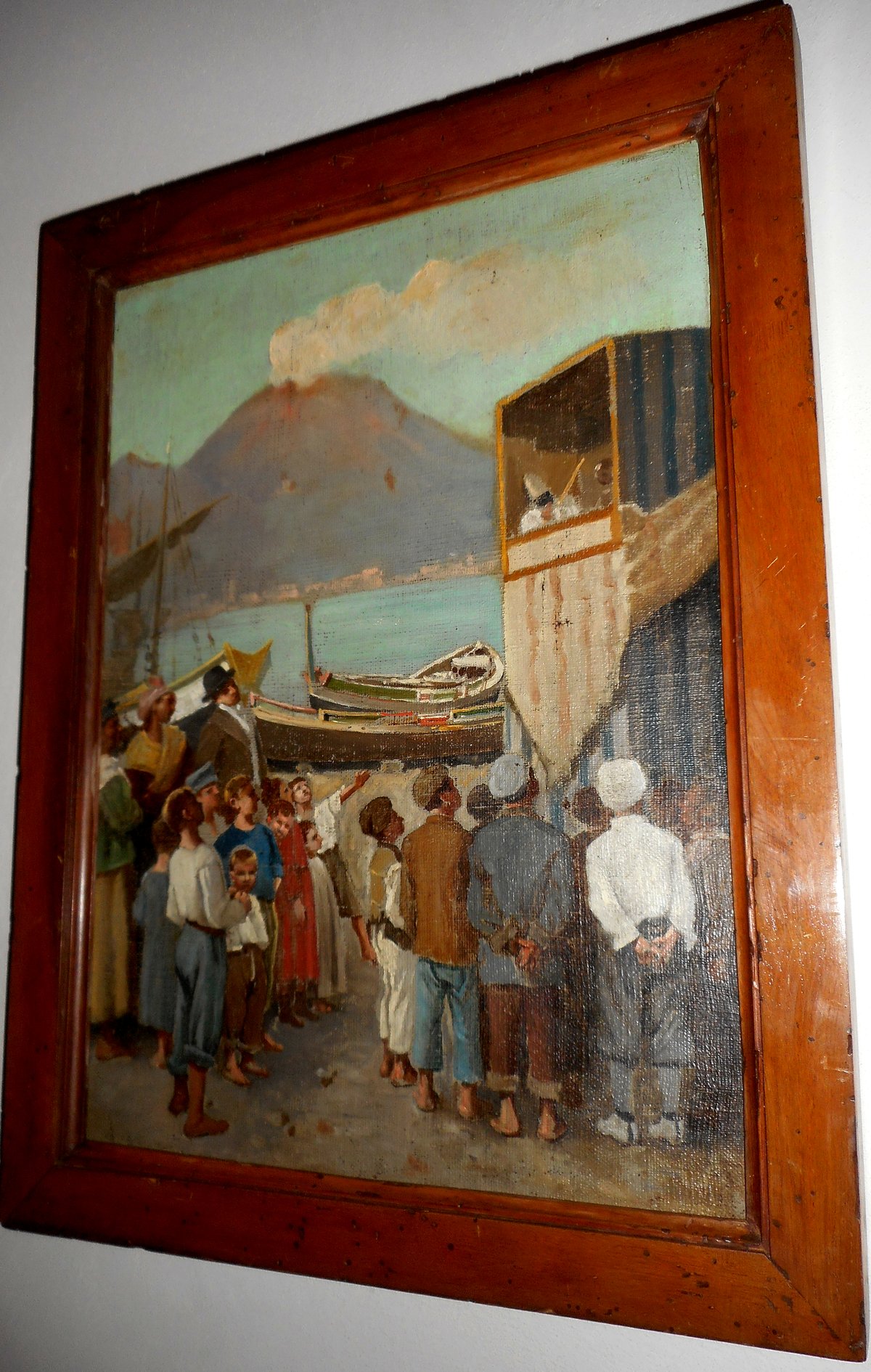
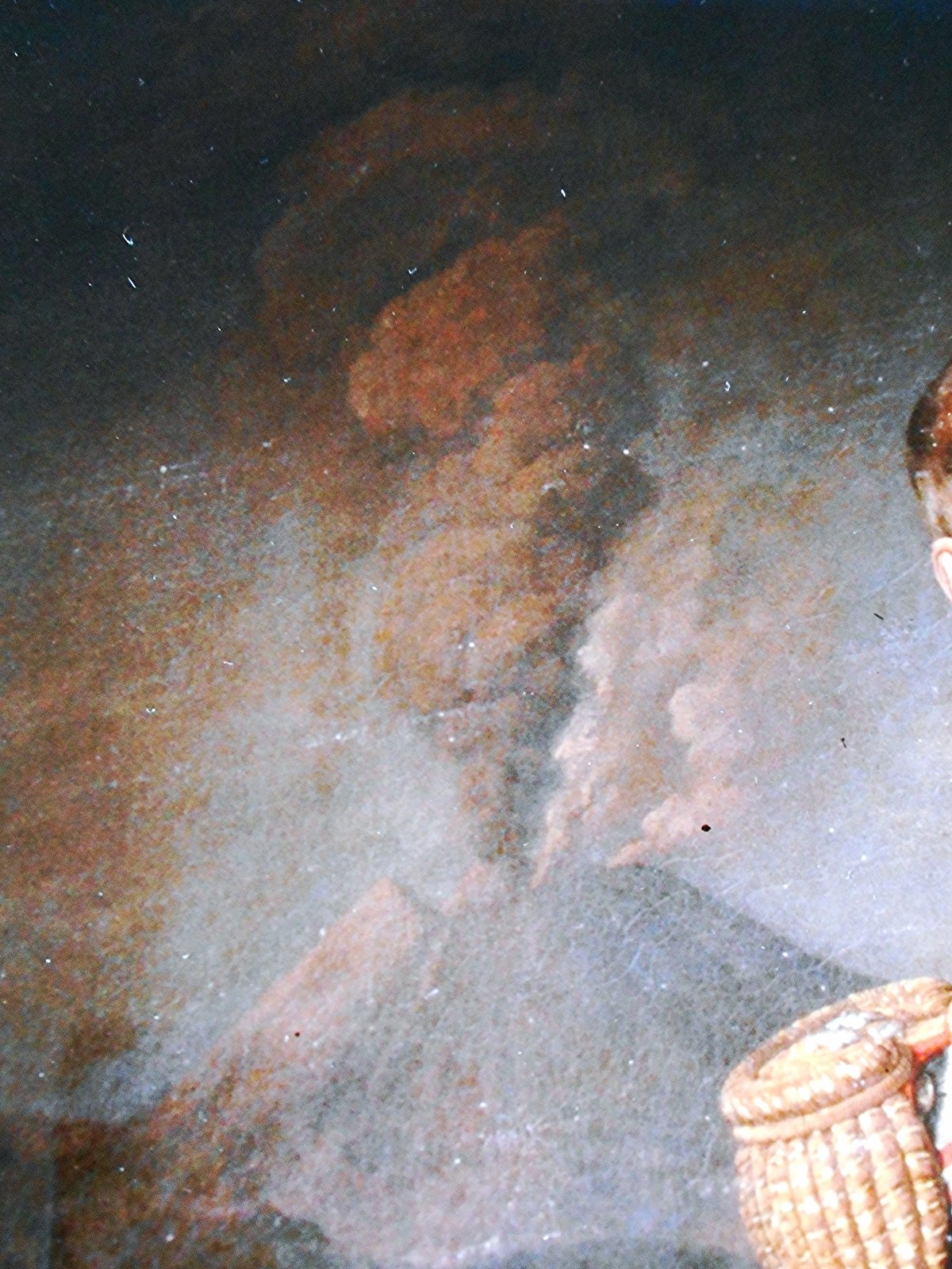
Founded in 1325 by Charles, Duke of Calabria, and completed in 1368 under Queen Joanna I of Anjou, the Certosa di San Martino originally served as a Carthusian monastery (Comune di Napoli). Over the centuries, the complex was expanded and embellished, especially during the Renaissance and Baroque periods, under architects such as Giovanni Antonio Dosio and Cosimo Fanzago. After Italy’s unification, the monastery was secularized in 1866 and became the Museo Nazionale di San Martino, preserving and narrating Naples’ artistic and historical legacy.
Architectural and Artistic Highlights
Founding and Evolution
- Gothic Origins: The earliest structures, designed by Tino di Camaino, feature pointed arches and ribbed vaults (itinerary.expert).
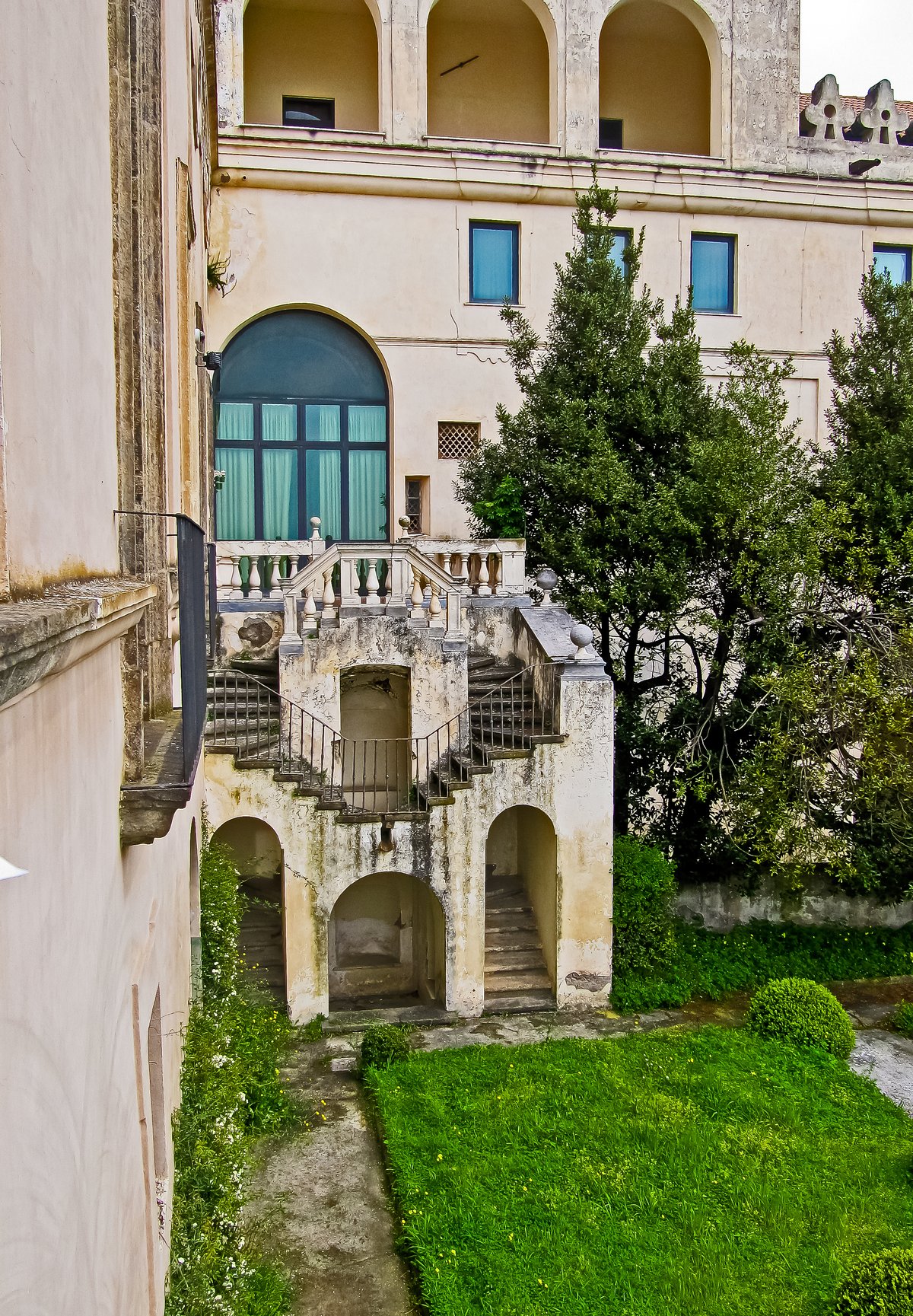
- Renaissance & Baroque Expansion: Beginning in 1623, the site was transformed, blending Renaissance harmony with Neapolitan Baroque exuberance. Fanzago’s marble façade and dramatic staircase are particularly notable (tonylusvardisj.com).
Key Features
- Monumental Courtyards and Cloisters: The main cloister, with its marble columns and memento mori skulls, is both majestic and contemplative (leisure-italy.com).
- Church of San Martino: At the heart of the complex, the Baroque church dazzles with frescoes, marble inlays, and gilded stuccoes.
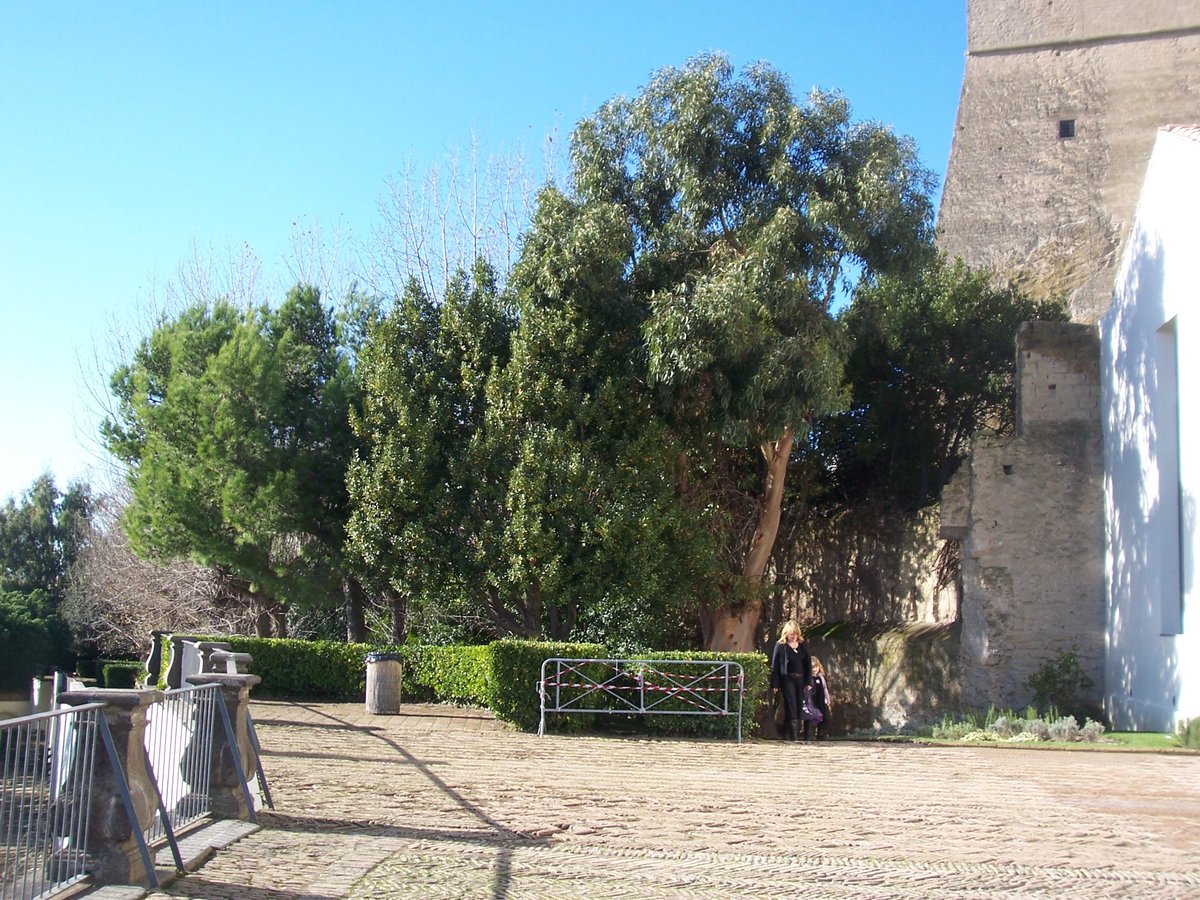
- Gardens and Terraces: Restored monastic gardens offer panoramic vistas of Naples, Mount Vesuvius, and the bay (headout.com).
Artistic Masterpieces
- Cosimo Fanzago’s Designs: His dynamic marble decorations and the Chapel of San Bruno stand out.
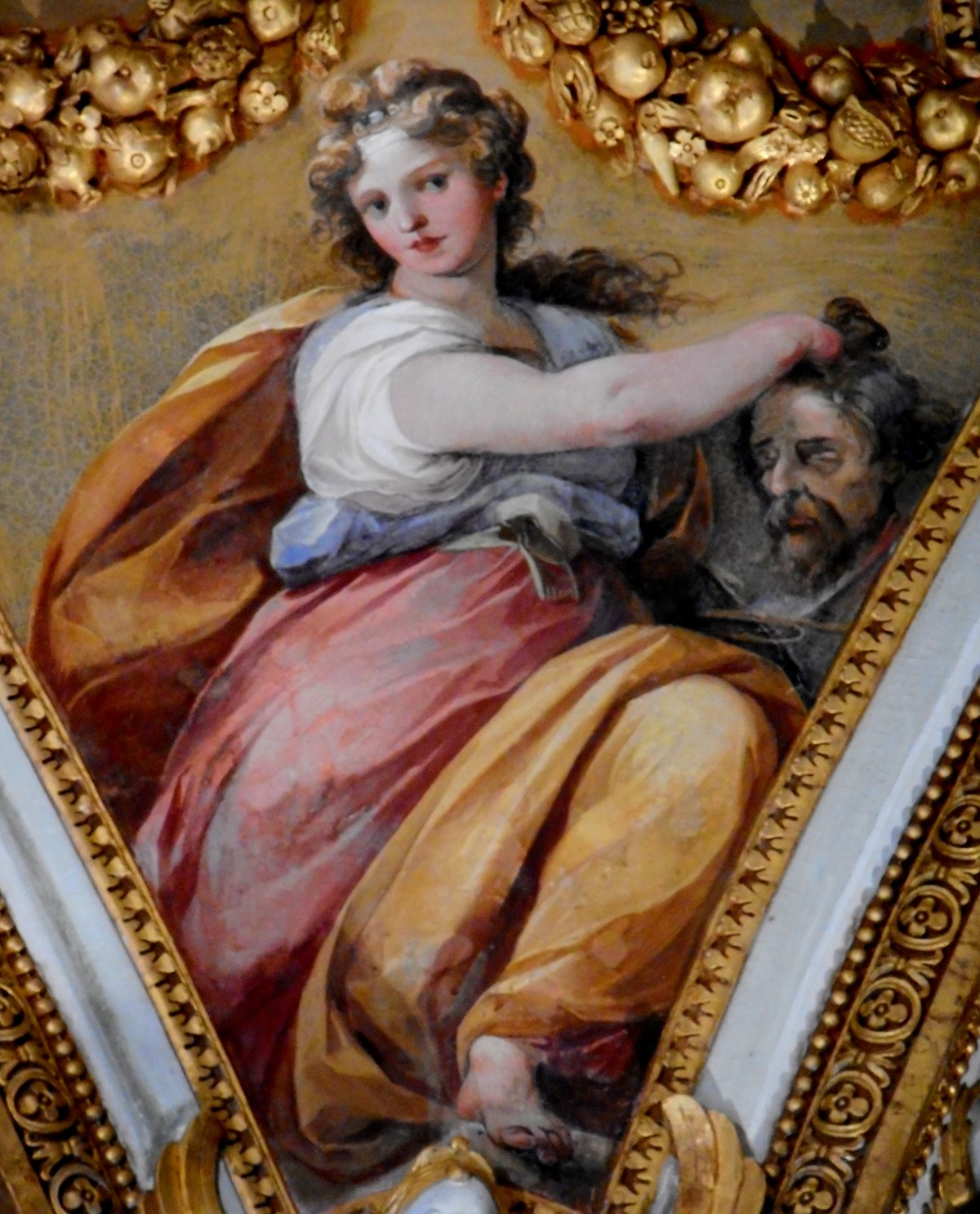
- Frescoes and Paintings: Works by José de Ribera, Battistello Caracciolo, and Giovanni Lanfranco depict biblical and Carthusian themes.
- Sculptural Highlights: Stone skulls in the cloister serve as evocative reminders of mortality, echoing Carthusian spirituality (tonylusvardisj.com).
Museum Collections
Since 1866, the Certosa has housed the Museo Nazionale di San Martino (leisure-italy.com). The museum’s highlights include:
- Neapolitan Presepi (Nativity Scenes): Exquisite 18th-century dioramas depicting local life.
- Art Collections: Paintings and sculptures from the 13th to 19th centuries.
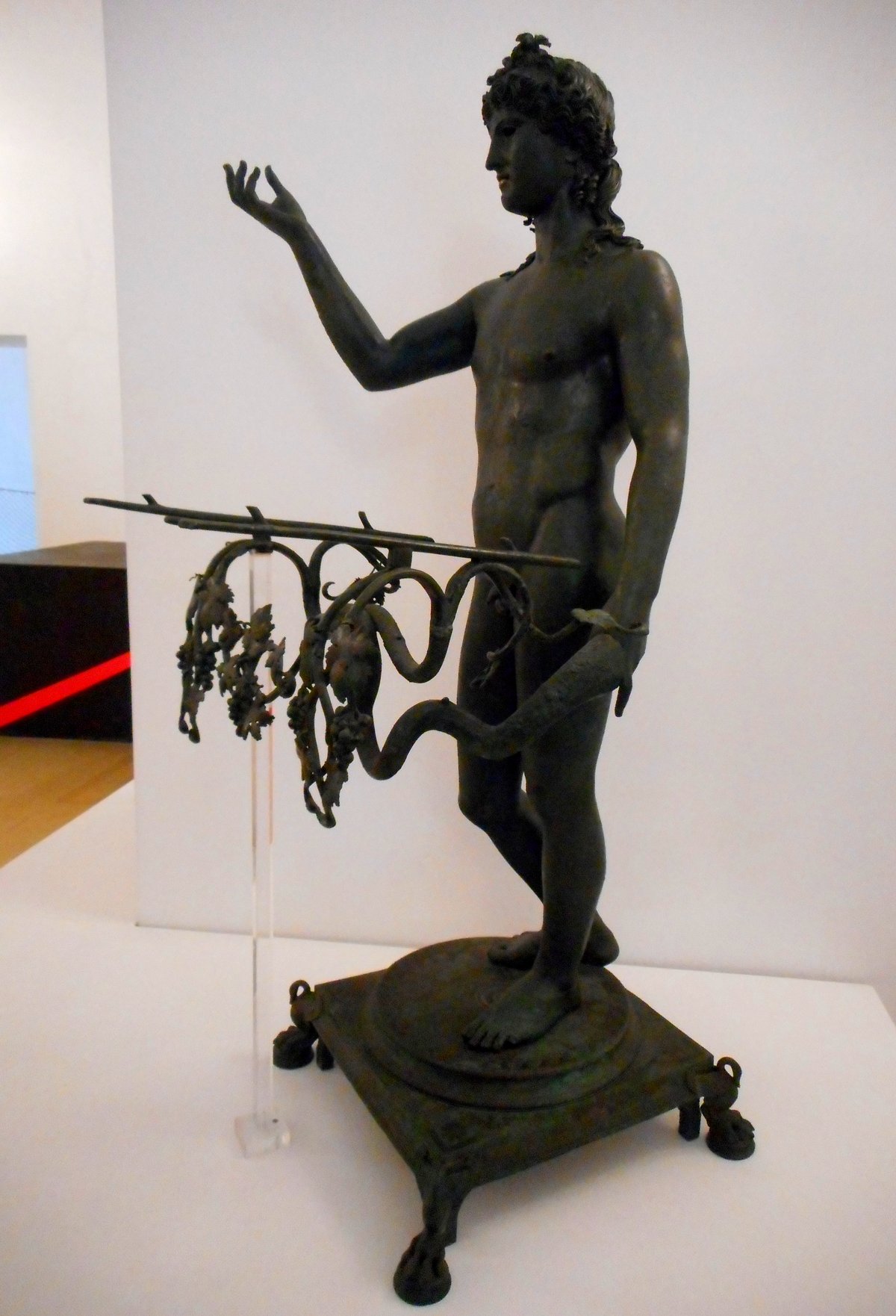
- Historical Artifacts: Royal carriages, Bourbon dynasty memorabilia, and period costumes.
- Naval and Carriage Sections: Detailed models and full-size historic carriages reflecting Naples’ aristocratic legacy.
Panoramic Views & Gardens
The Certosa’s terraced gardens and Belvedere offer some of the best panoramic views in Naples (headout.com). The gardens, with their pergolas and medicinal plants, echo the site’s monastic roots and provide a serene retreat from the city below (justnapoli.it).
Visitor Information
Tickets & Visiting Hours
- General Admission: €6–€10 (check official site for current prices)
- Reduced Rates: Available for EU citizens aged 18–25; free for under 18s and over 65s
- Free Entry: First Sunday of each month (“Domenica al Museo”)
- Hours (2025): Tuesday to Sunday, 8:30 AM–7:30 PM (last entry 6:30 PM). Closed Mondays, January 1st, December 25th (headout.com).
Location & Access
- Address: Largo San Martino, 5, 80129 Naples, Italy
- Public Transport: Funicolare di Montesanto or Funicolare Centrale to “Morghen” stop; Metro Line 1 to “Vanvitelli,” then a short walk (History of EU)
- Parking: Limited; public transport recommended.
Accessibility
- Wheelchair access is available in most main areas; some historic sections remain difficult to navigate due to stairs and uneven floors.
- Ramps and elevators are present in key locations; contact the museum in advance for assistance (History of EU).
Facilities
- Restrooms, café, and museum shop are on-site.
- Lockers or cloakrooms may be available; large backpacks not permitted in exhibition spaces.
Guided Tours and Visitor Support
- Guided Tours: Available in Italian and English for individuals and groups; book in advance (audiala.com).
- Audio Guides: Rentable at the entrance, offering commentary on the monastery’s history and collections.
- Signage: In Italian with English translations in key areas; staff speak English and offer assistance.
Travel Tips
- Timing: Visit early or late afternoon on weekdays for fewer crowds.
- Photography: Allowed for personal use (no flash or tripods); restrictions in some areas.
- Dress Code: Modest attire recommended—cover shoulders and knees in sacred spaces.
- Duration: Allocate 2–3 hours to fully explore the museum and gardens.
- Nearby Attractions: Combine your visit with Castel Sant’Elmo or explore the lively Vomero district.
Frequently Asked Questions (FAQ)
Q: What are the Certosa di San Martino visiting hours?
A: Tuesday to Sunday, 8:30 AM–7:30 PM (last entry 6:30 PM). Closed Mondays, January 1st, and December 25th.
Q: How much do tickets cost?
A: €6–€10 for adults, reduced rates for EU citizens 18–25, free for under 18s and over 65s.
Q: Is the site wheelchair accessible?
A: Most areas are accessible, but some historic sections may have uneven floors or stairs.
Q: Are guided tours or audio guides available?
A: Yes, both guided tours and audio guides are offered in multiple languages.
Q: Can I take photos inside?
A: Photography is allowed in most areas for personal use only, without flash or tripods.
Q: How do I reach the Certosa di San Martino?
A: Take the funicular or Metro Line 1 to Vomero, then walk or use local transport to the entrance.
Summary and Final Tips
The Certosa di San Martino is a captivating window into Naples’ spiritual, artistic, and historical identity. From its Gothic foundations to Baroque artistry, the complex offers a unique blend of monumental architecture, museum treasures, and panoramic vistas. Detailed visitor information, accessibility options, and thoughtful amenities ensure an enriching experience for every guest. For the latest updates, ticketing, and event information, always refer to the official museum website.
Whether you’re drawn by art, history, or the allure of Naples’ skyline, the Certosa di San Martino promises an experience both profound and picturesque. Pair your visit with nearby sites like Castel Sant’Elmo and immerse yourself in the charm of the Vomero district for a complete Neapolitan adventure.
Tickets & tours.
These are guided options from our partners — same price as booking direct.
Prices are indicative — final pricing and availability are confirmed at checkout. Audiala may earn a commission from bookings made through these links.
Listen to the full story in the app
The whole Certosa Di San Martino,
told well.
Audio guides for 1,100+ cities across 96 countries. History, stories, and local insight — offline ready.
Verified, and shown.
Researched and written by the Audiala editorial team from historical records, architectural archives, and local expertise.
Researched from Wikidata, Wikipedia & official sources · fact-checked · How we make our guides →