Plan and listen to Capodimonte Park with Audiala.
Audio guide in your pocket, itinerary in your browser. Built for the way you actually visit.
Introduction
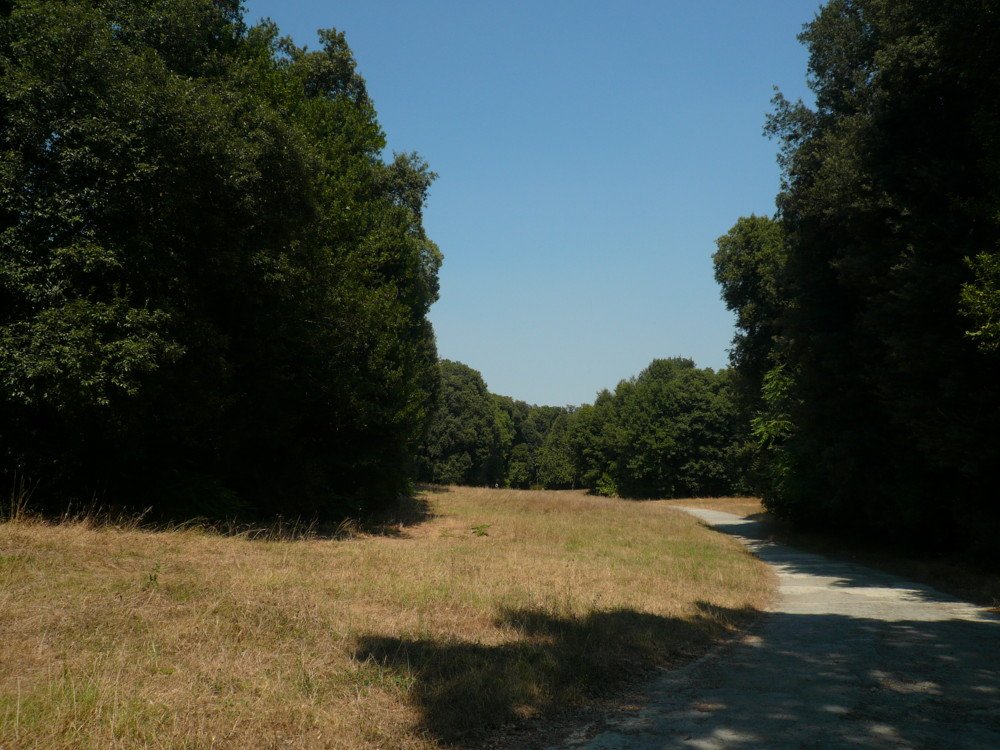
Welcome to your comprehensive guide to visiting Porta Miano - Bosco di Capodimonte in Naples, Italy. This historic and culturally significant site offers a unique blend of natural beauty, historical architecture, and artistic treasures. Established in the early 18th century under the reign of Charles VII of Naples, the Bosco di Capodimonte was initially designed as a royal hunting ground and later transformed into a public park (Capodimonte Museum). The park spans approximately 134 hectares and includes diverse landscapes, from formal gardens to dense woodlands, influenced by French and English garden styles (Naples Tourism). Porta Miano, the main entrance to this vast park, stands as an architectural marvel with its neoclassical design, symbolizing the transition from the bustling city of Naples to the serene natural environment of the park (Capodimonte Gate). Over the centuries, the Bosco di Capodimonte has evolved, witnessing numerous historical events and undergoing transformations, including its conversion into a public park and the establishment of the Royal Palace of Capodimonte as a museum housing an extensive collection of art and historical artifacts (Italian Unification). Today, the Bosco di Capodimonte is a cherished landmark for locals and tourists alike, offering a peaceful retreat and a vibrant cultural hub within Naples (Naples Cultural Events).


History of Porta Miano - Bosco di Capodimonte, Naples, Italy
Origins and Early History
The origins of Porta Miano and the Bosco di Capodimonte date back to the early 18th century. The area was initially developed under the reign of Charles VII of Naples, who later became Charles III of Spain. In 1738, Charles commissioned the construction of the Royal Palace of Capodimonte, which would serve as a hunting lodge and a royal residence. The surrounding forest, known as the Bosco di Capodimonte, was intended to be a royal hunting ground (Capodimonte Museum).
Development of the Royal Park
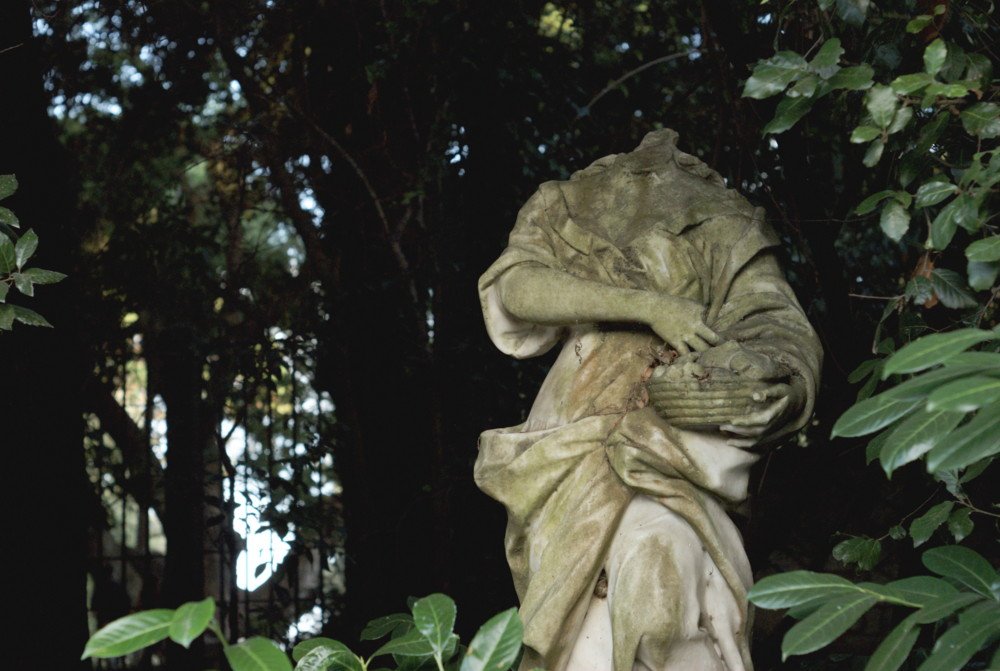
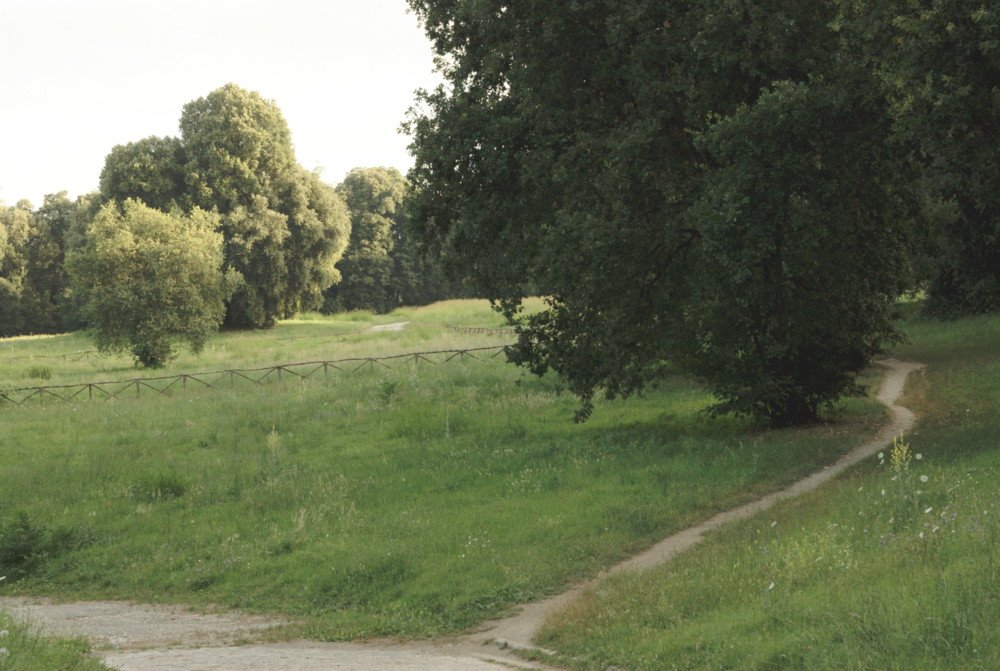
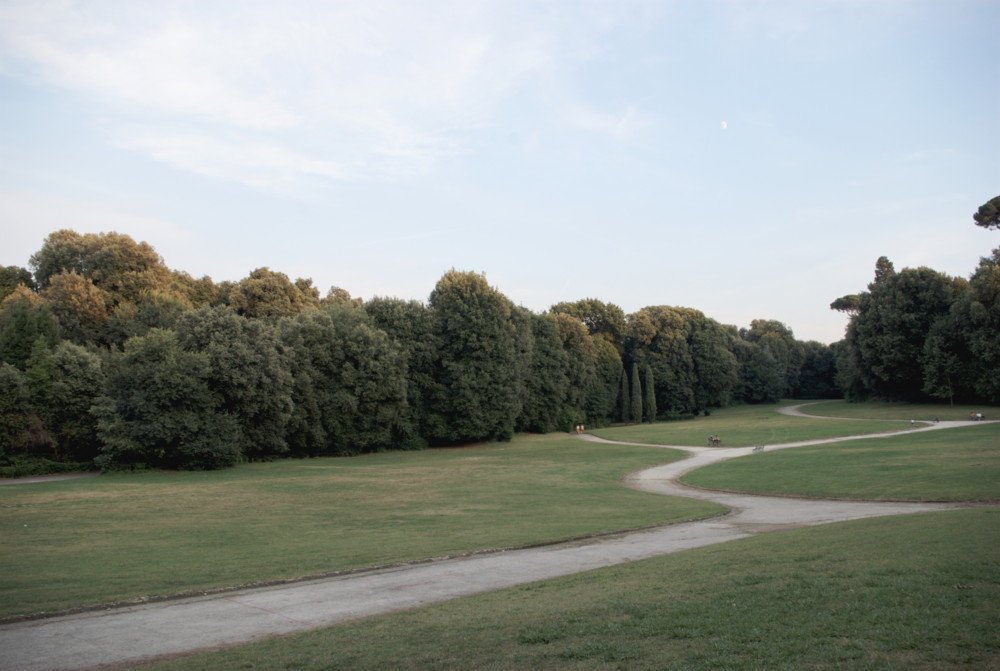
The development of the Bosco di Capodimonte as a royal park was a significant undertaking. The park spans approximately 134 hectares and includes a variety of landscapes, from formal gardens to dense woodlands. The design of the park was influenced by the French and English garden styles, which were popular in Europe at the time. The park was meticulously planned to include avenues, fountains, and statues, creating a picturesque setting for the royal family and their guests (Naples Tourism).
Architectural Significance
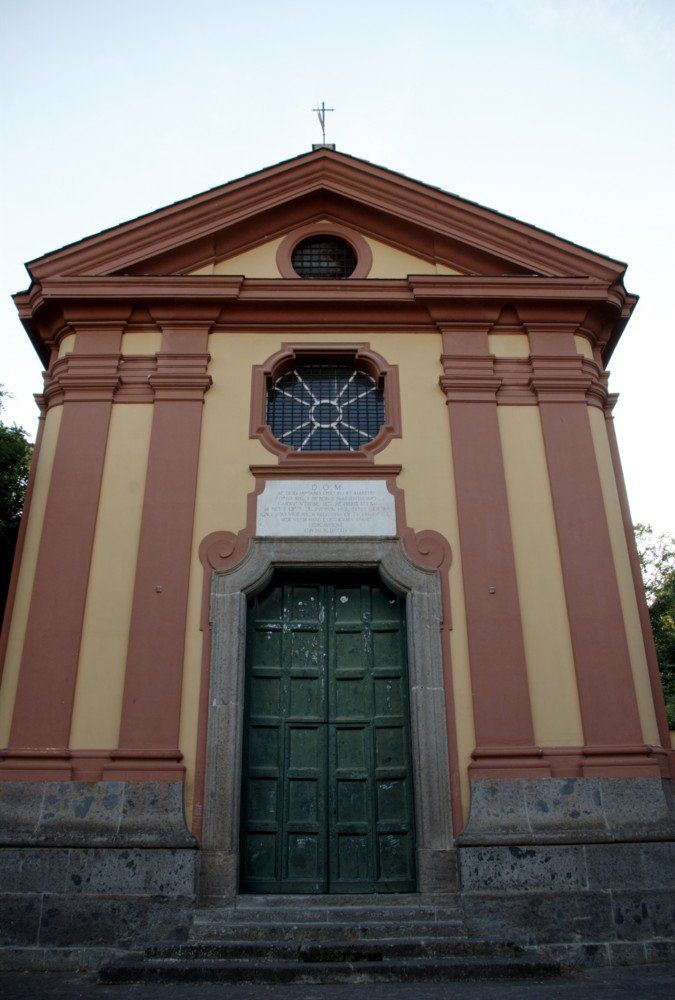
Porta Miano, the main entrance to the Bosco di Capodimonte, is an architectural marvel in its own right. The gate was designed to reflect the grandeur and elegance of the royal park it leads into. The entrance is characterized by its neoclassical design, featuring columns and intricate stonework. The gate serves as a symbolic threshold between the bustling city of Naples and the serene, natural beauty of the park (Capodimonte Gate).
Historical Events and Changes
Over the centuries, the Bosco di Capodimonte has witnessed numerous historical events and changes. During the Napoleonic Wars, the park and the palace were occupied by French troops. Later, in the 19th century, the unification of Italy brought about significant changes to the management and use of the park. The royal family’s influence waned, and the park became more accessible to the public (Italian Unification).
20th Century and Modern Era
In the 20th century, the Bosco di Capodimonte underwent further transformations. The park was officially opened to the public, and efforts were made to preserve its historical and natural features. The Royal Palace of Capodimonte was converted into a museum, housing an extensive collection of art and historical artifacts. Today, the Bosco di Capodimonte is a popular destination for both locals and tourists, offering a peaceful retreat from the urban environment of Naples (Capodimonte Museum).
Cultural Significance
The Bosco di Capodimonte holds significant cultural importance for the city of Naples. It is not only a historical site but also a cultural hub, hosting various events, exhibitions, and performances throughout the year. The park’s rich history and natural beauty make it a cherished landmark for the people of Naples and a must-visit destination for tourists (Naples Cultural Events).
Visitor Information
Visiting Hours and Tickets
The Bosco di Capodimonte is open to the public year-round. Visiting hours may vary depending on the season, so it's recommended to check the official website for the most up-to-date information. Ticket prices for entry to the Royal Palace of Capodimonte and its museum can also be found on the official website, with options for guided tours and group discounts.
Travel Tips
When visiting Porta Miano and the Bosco di Capodimonte, comfortable walking shoes are a must, as the park is vast and offers numerous walking trails. It's advisable to bring water and snacks, especially during the warmer months. The park is easily accessible by public transportation, and there are parking facilities available for those who prefer to drive.
Nearby Attractions
In addition to the Bosco di Capodimonte, visitors can explore other nearby attractions such as the Naples National Archaeological Museum, the Catacombs of San Gennaro, and the historical center of Naples. These sites offer a deeper insight into the rich history and culture of the region.
Preservation Efforts
Preservation efforts have been crucial in maintaining the historical and ecological integrity of the Bosco di Capodimonte. Various organizations and government bodies have worked together to ensure that the park remains a well-preserved and accessible space for future generations. These efforts include regular maintenance, restoration projects, and initiatives to promote environmental sustainability (Capodimonte Preservation).
Visitor Experience
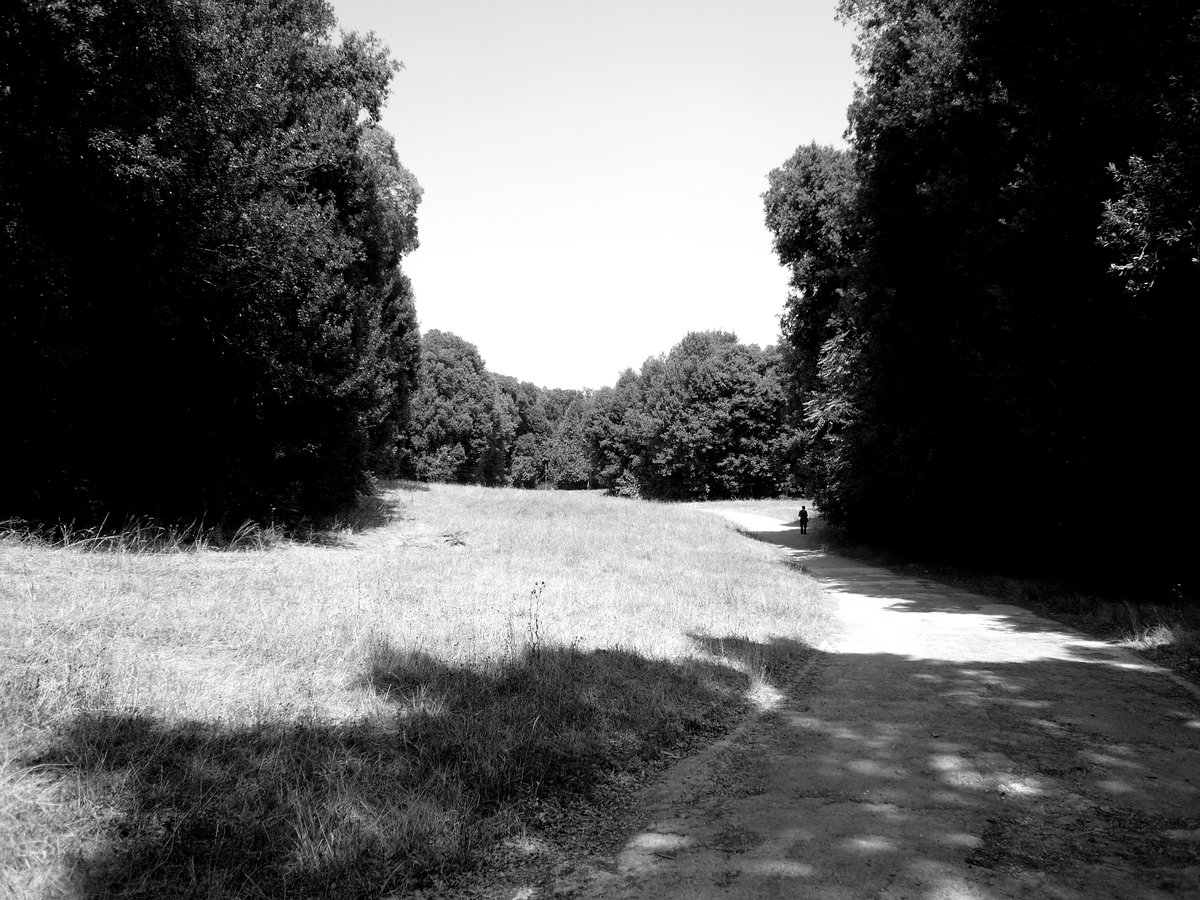
Today, visitors to Porta Miano and the Bosco di Capodimonte can enjoy a wide range of activities and experiences. The park offers scenic walking trails, guided tours, and educational programs that highlight its historical and natural significance. The Royal Palace of Capodimonte, now a museum, provides an opportunity to explore the rich artistic heritage of Naples, with collections that include works by renowned artists such as Caravaggio and Titian (Capodimonte Museum Collections).
FAQ Section
Q: What are the visiting hours for Porta Miano and Bosco di Capodimonte?
A: The visiting hours vary depending on the season. Please check the official website for the most current information.
Q: How much are the tickets for the Royal Palace of Capodimonte?
A: Ticket prices vary, and there are options for guided tours and group discounts. Please visit the official website for detailed pricing information.
Q: Are there any travel tips for visiting Bosco di Capodimonte?
A: Yes, comfortable walking shoes are recommended, as well as bringing water and snacks. The park is accessible by public transportation, and parking is available for those driving.
Q: What other attractions are nearby?
A: Nearby attractions include the Naples National Archaeological Museum, the Catacombs of San Gennaro, and the historical center of Naples.
Tickets & tours.
These are guided options from our partners — same price as booking direct.
Prices are indicative — final pricing and availability are confirmed at checkout. Audiala may earn a commission from bookings made through these links.
Listen to the full story in the app
The whole Capodimonte Park,
told well.
Audio guides for 1,100+ cities across 96 countries. History, stories, and local insight — offline ready.
Verified, and shown.
Researched and written by the Audiala editorial team from historical records, architectural archives, and local expertise.
Researched from Wikidata, Wikipedia & official sources · fact-checked · How we make our guides →