Plan and listen to Bourbon Tunnel with Audiala.
Audio guide in your pocket, itinerary in your browser. Built for the way you actually visit.
Introduction
Hidden beneath the vibrant streets of Naples, Italy, the Galleria Borbonica stands as a captivating testament to the city's rich history and architectural ingenuity. This subterranean network of tunnels, originally conceived in the mid-19th century by King Ferdinand II of Bourbon as a secret escape route from the Royal Palace to the sea, offers a unique glimpse into Naples' tumultuous past. Over the years, the Galleria Borbonica has served various purposes, including as a bomb shelter during World War II, and today it has been meticulously restored to welcome visitors eager to explore its depths. This guide aims to provide comprehensive information on the Galleria Borbonica's history, significance, and practical details for those planning a visit, ensuring an enriching and unforgettable experience (Discover the Galleria Borbonica).
A King's Vision - The Genesis of an Underground Artery (1800s)
The story begins in 1853 with Ferdinand II of Bourbon, the King of the Two Sicilies. Facing growing political unrest and potential threats from both within and outside his kingdom, Ferdinand II envisioned a secret passage, a subterranean escape route that would connect the Royal Palace to the sea. This ambitious project was entrusted to the skilled hands of Colonel Luigi Parisi, a renowned engineer of the time.
Parisi's design was a testament to the era's engineering prowess. Carved through the tuff rock beneath the city, the Galleria Borbonica was an engineering marvel. It was designed to accommodate carriages and included air vents disguised as decorative elements in the Royal Gardens above. The project, however, faced numerous challenges, from the sheer scale of excavation to the instability of the volcanic rock.
An Unfinished Symphony - The Untimely Halt (1859)
Despite the challenges, the project progressed, and a significant portion of the tunnel was completed. However, fate had other plans. In 1859, with the demise of Ferdinand II and the subsequent unification of Italy, the Galleria Borbonica was abandoned, its intended purpose never fulfilled. The unfinished tunnel, a silent testament to a king's ambition, lay forgotten for years.
From Darkness to Life - Rediscovering the Past (1900s)
The Galleria Borbonica's story doesn't end there. During World War II, the tunnels found a new purpose, this time as a bomb shelter for the people of Naples. The spacious tunnels, once meant for royal escape, provided refuge and safety to thousands during the city's darkest hours.
After the war, the Galleria Borbonica faded once again into obscurity, used primarily as a storage space by the local municipality. It wasn't until the late 20th century that interest in the tunnels was rekindled. A group of dedicated volunteers, passionate about preserving Naples' hidden history, took it upon themselves to clear the debris and uncover the secrets buried beneath.
A Legacy Unearthed - The Galleria Borbonica Today
Today, thanks to the tireless efforts of these volunteers, the Galleria Borbonica stands as a testament to Naples' rich and layered past. Open to the public, it offers a unique glimpse into the city's history, architecture, and resilience. Visitors can explore the different sections of the tunnel, each revealing a different chapter of its story.
The Bourbon Tunnel - A Journey Through Time
The Bourbon Tunnel, the most complete section, showcases the grandeur of Ferdinand II's vision. The wide passage, designed for carriages, features vaulted ceilings and remnants of the original lighting system. Visitors can almost hear the echoes of horses' hooves and imagine the hurried whispers of royalty seeking escape.
The Water Reservoir - A Testament to Ingenuity
Deeper within the Galleria Borbonica lies the water reservoir, a testament to the ingenuity of Neapolitan engineers. This vast cistern, fed by an ancient aqueduct, supplied water to the city for centuries. The play of light on the water's surface creates an ethereal atmosphere, inviting contemplation about the city's relationship with its underground resources.
The War Shelter - Echoes of Resilience
The section used as a bomb shelter during World War II is a poignant reminder of the city's resilience. Here, amidst the darkness, one can find remnants of daily life during wartime – graffiti etched into the walls, makeshift furniture, and even children's toys, all whispering tales of fear, hope, and camaraderie.
Visitor Information - Tickets, Hours, and Tips
To fully experience the Galleria Borbonica, visitors should be aware of the practical details:
- Visiting Hours - The Galleria Borbonica is open to the public from Thursday to Sunday, with guided tours available at specific times. Check the official website for the most up-to-date visiting hours.
- Tickets - Tickets can be purchased online or at the entrance. Prices vary depending on the type of tour chosen. Discounts are available for children, students, and seniors.
- Accessibility - While some sections of the tunnel are accessible, others may require navigating stairs and uneven surfaces. It's advisable to wear comfortable shoes and check accessibility options in advance.
- Guided Tours - To gain deeper insights into the history and significance of the Galleria Borbonica, guided tours are highly recommended. Knowledgeable guides bring the stories of the tunnel to life, providing context and answering questions.
Nearby Attractions
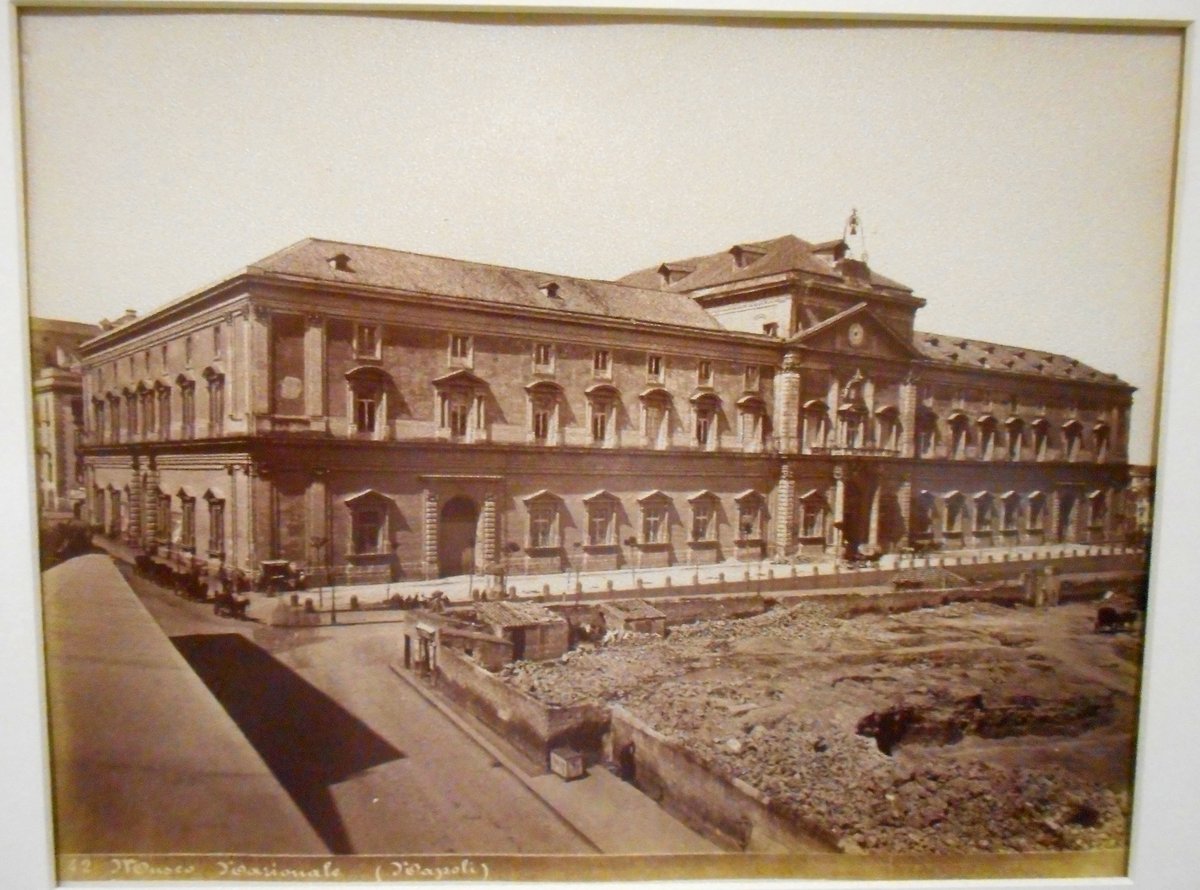
While visiting the Galleria Borbonica, consider exploring other historical sites in Naples, such as the Royal Palace, Castel dell'Ovo, and the Naples National Archaeological Museum. Each offers a different perspective on the city's rich history and cultural heritage.
FAQs
Q - What are the visiting hours for Galleria Borbonica?
A - The Galleria Borbonica is open from Thursday to Sunday, with guided tours available at specific times. Check the official website for the latest visiting hours.
Q - How much are tickets for Galleria Borbonica?
A - Ticket prices vary depending on the type of tour chosen. Discounts are available for children, students, and seniors. Tickets can be purchased online or at the entrance.
Q - What can you see at Galleria Borbonica?
A - Visitors can explore different sections of the tunnel, including the Bourbon Tunnel, the water reservoir, and the World War II bomb shelter. Each section offers unique insights into the history and ingenuity of Naples.
Tickets & tours.
These are guided options from our partners — same price as booking direct.
Prices are indicative — final pricing and availability are confirmed at checkout. Audiala may earn a commission from bookings made through these links.
Listen to the full story in the app
The whole Bourbon Tunnel,
told well.
Audio guides for 1,100+ cities across 96 countries. History, stories, and local insight — offline ready.

Verified, and shown.
Researched and written by the Audiala editorial team from historical records, architectural archives, and local expertise.
Researched from Wikidata, Wikipedia & official sources · fact-checked · How we make our guides →