Place
Italy Updated Apr 2026
The first thing that hits you in Monza is the smell of cut grass and racing fuel—an improbable marriage that drifts across a park twice the size of Central Park and ends at a cathedral containing a crown said to hold one of the nails from the Crucifixion. Fifteen minutes north of Milan, Italy’s least touristy royal city keeps its secrets between black-and-white marble stripes and 350 km/h downforce.
 Photo: galbio fava galbiati favaretto / Pexels
Built from cited sources · see the method · How we make our guides →
Locals treat the Autodromo Nazionale the way Romans treat the Colosseum: background noise they’re proud of but rarely enter. Instead they cycle the Lambro river path at 7 a.m., stop for a €1.20 cappuccino still rattling in its saucer, and debate whether the Duomo’s 15th-century frescoes are more Gothic or merely gloomy. You’ll share the piazza with accountants, not tour groups.
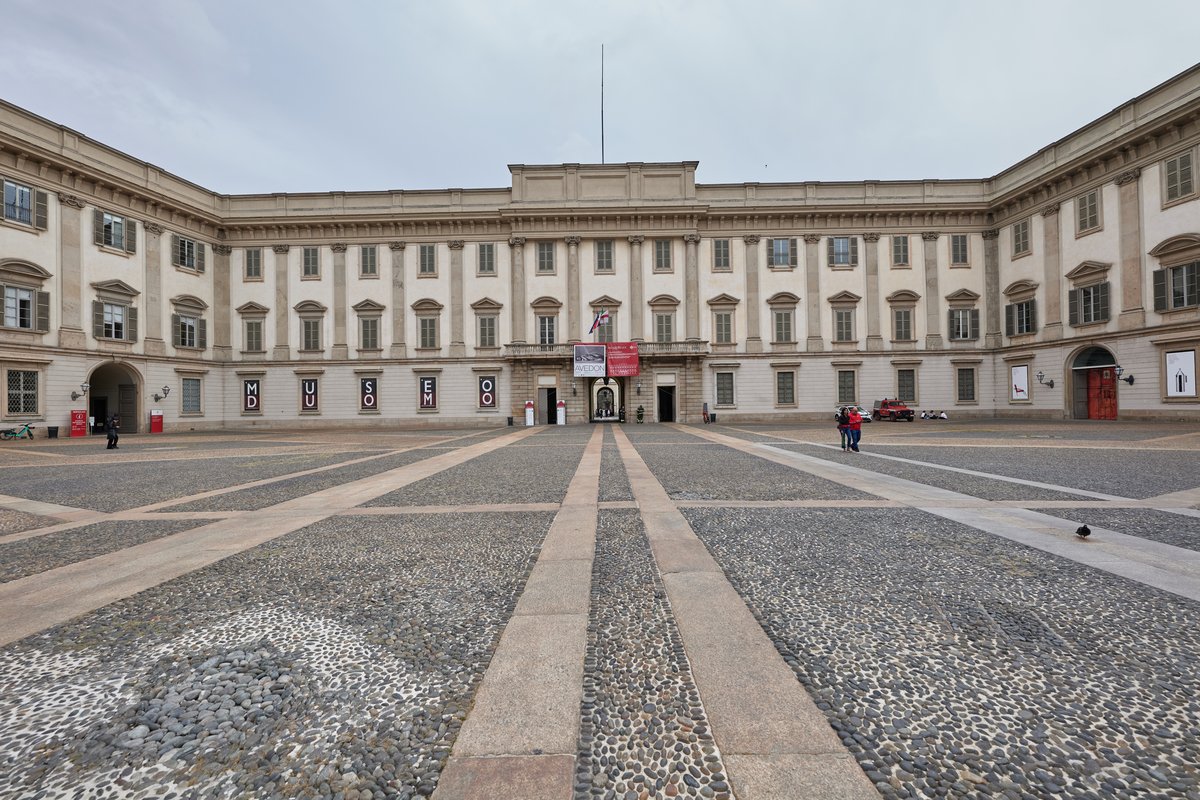
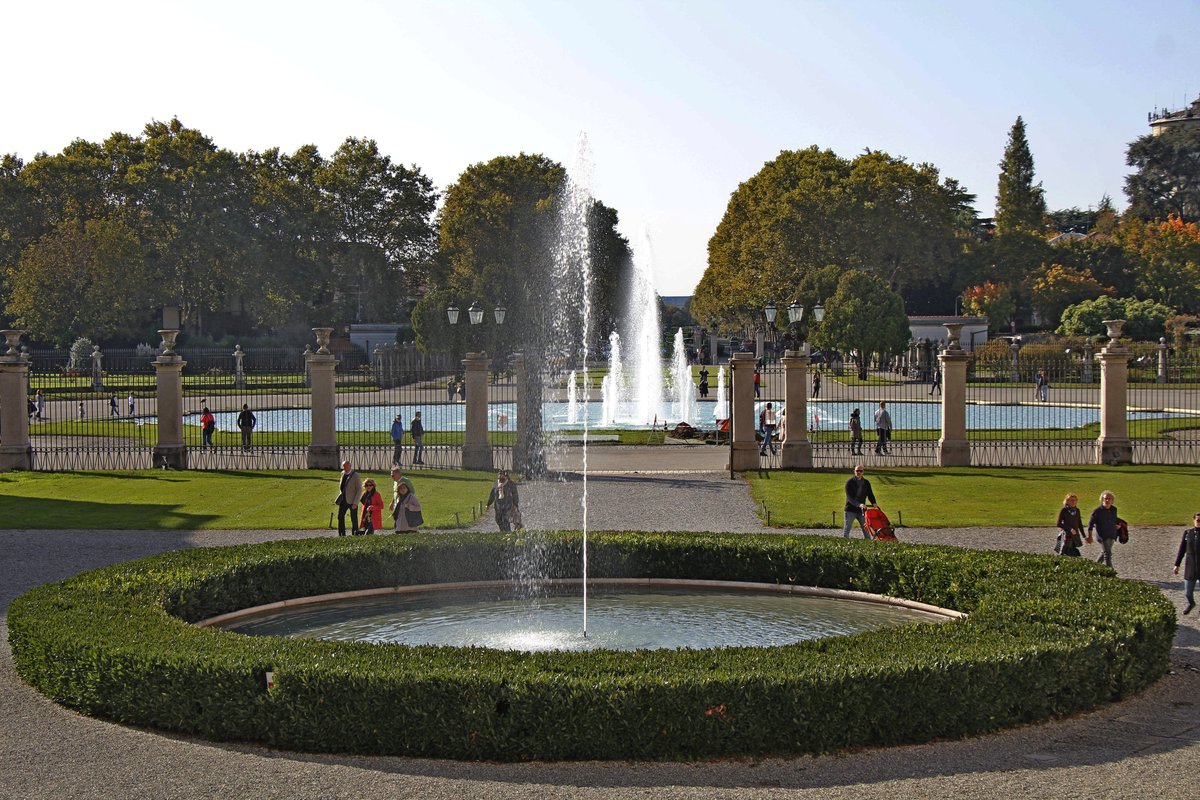
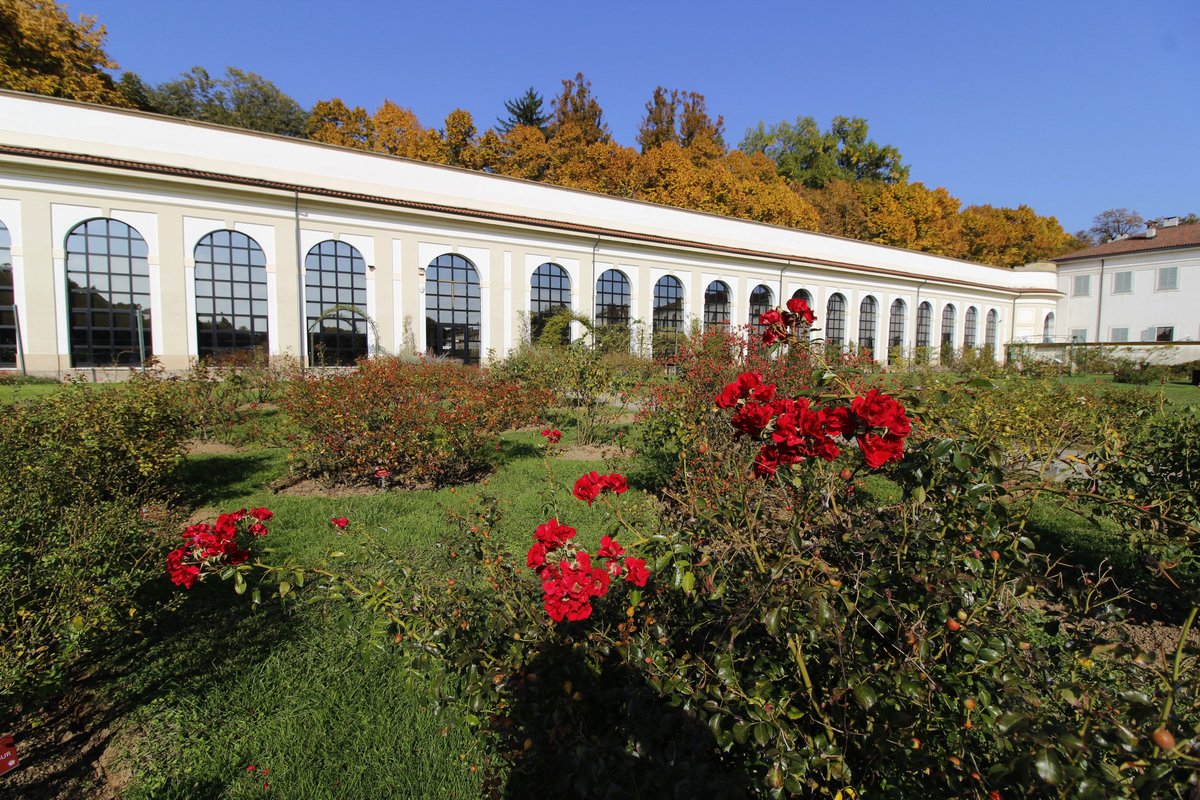
What keeps Monza from feeling like a dormitory suburb is scale and stubbornness. The neoclassical Villa Reale—built in 36 months for an Austrian archduke—has 700 rooms and a ballroom floor so springy court ladies claimed it made them dance younger. The park that wraps around it was fenced off by Napoleon’s stepson to keep rabbits in and Milan out; the fence still stands, rusted and royal.
Come evening the city shrinks to four pedestrian streets radiating from the Arengario tower. Aperitivo arrives as a silver tray of miniature sandwiches and a glass of white from the alpine Valcalepio, poured at 6:30 p.m. sharp. By 8 the same plaza smells of lampredotto vans and cigarette smoke, and you realize Monza never needed to be Milan—it just needed Milan close enough to steal its chefs on nights off.
Not every monument, just the ones we'd walk you past ourselves.
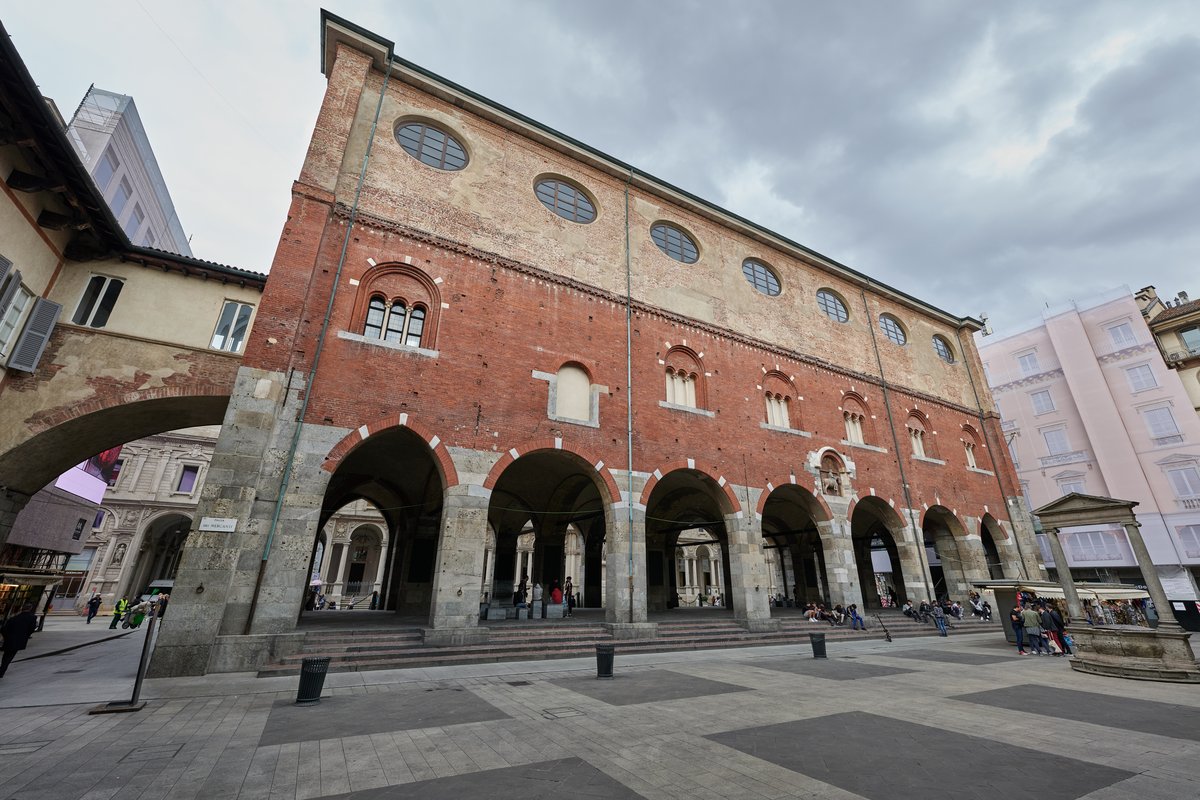


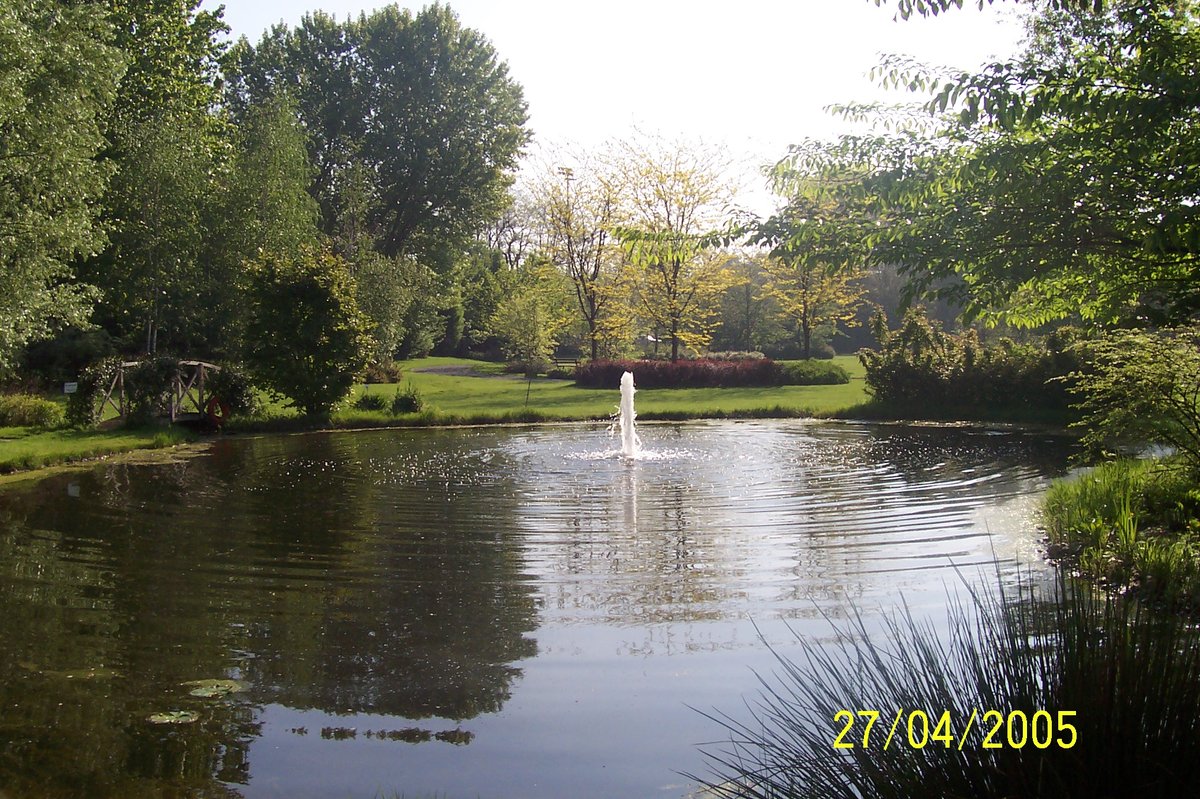
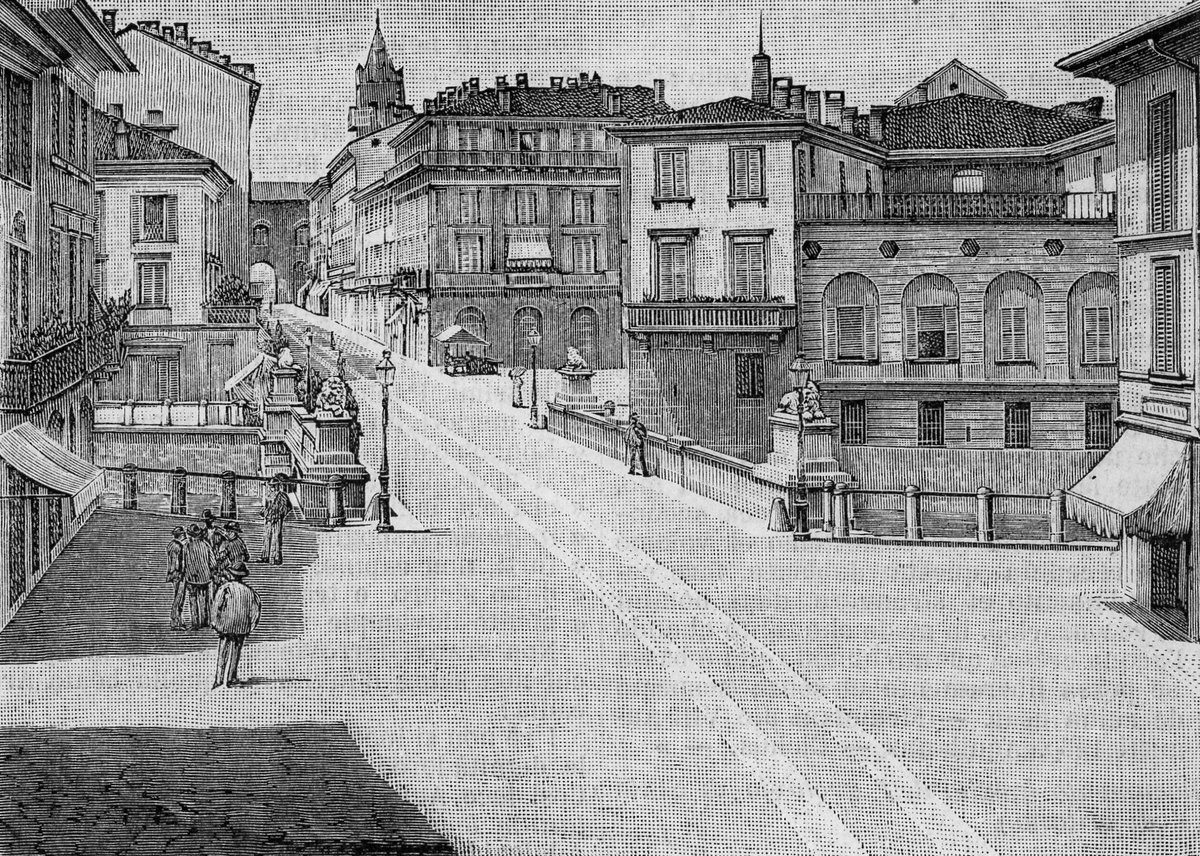
Where to wander, by quarter — each with its own rhythm.
Before you go
Curated from places in this city. Same price as official sites.


Prices shown are indicative — final pricing and availability are confirmed at checkout. Audiala may receive a commission from bookings made via these links.
From Iron Crown to asphalt crown, fifteen centuries of power in one small city
Roman legions drive a wooden pile bridge across the Lambro, naming the settlement Modicia. The crossing sits exactly where today's Ponte dei Leoni stands — archaeologists found the original stone abutments during 1928 tram works. This bridgehead turns a muddy ford into a military supply line for the conquest of Insubrian Gaul.
Lombard Queen Theodelinda abandons Milan's Byzantine ruins and builds her summer palace beside the Lambro's sharp bend. She brings the Iron Crown — already rumored to contain a crucifixion nail — and establishes a royal chapel that will become the Duomo. Monza becomes capital of Lombard Italy for exactly one generation, long enough to mint coins bearing her profile.
Theodelinda ruled Lombard Italy from Monza for thirty years, commissioning the first cathedral and importing Byzantine silversmiths to craft the Iron Crown's gold circlet. She negotiated with Pope Gregory I while dining in what locals still call 'la sala della regina' — the queen's hall inside the Villa Reale's oldest wing. Her letters, preserved in the cathedral archive, show her bargaining for marble columns 'as white as the Brenta riverbed.'
Monza's cathedral emerges from thirteen years of construction in alternating bands of black Varenna marble and white Candoglia stone — a visual middle finger to Milan's brick Duomo. The Pisan-Gothic facade costs the city 8,000 lire di denari, paid through a special tax on wool dyeing. Citizens grumble, then watch their church become the most recognizable skyline between Como and Bergamo.
Matteo I Visconti surrounds Monza with 2,000 Milanese soldiers and cuts the grain supply for forty-three days. Starving citizens surrender the keys at dawn on November 3rd; Visconti spares the cathedral but confiscates every crossbow and melts the city gates. Monza remains under Milanese control for the next 467 years.
The Zavattari brothers — Gregorio, Giovanni, and Francesco — begin painting the Cappella di Teodolinda's forty-five fresco panels, working by candlelight in the cathedral's apse. They mix crushed lapis from Afghanistan into their blues, costing more than the chapel's marble altar. Their fresco cycle becomes northern Italy's most complete Late Gothic narrative sequence, still intact after six centuries.
Lightning strikes the cathedral bell tower during Vespers; flames leap across wooden rafters and melt the organ pipes. Clergy rescue the Iron Crown from the sacristy vault minutes before the roof collapses. The crown emerges unscathed, reinforcing its divine reputation — Emperor Maximilian II will demand to be crowned with it in twenty years.
Giuseppe Piermarini — fresh from completing Milan's La Scala — breaks ground on a neoclassical palace for Archduke Ferdinand of Austria. The design calls for 700 rooms arranged around a central courtyard larger than Vienna's Hofburg. Local stonecutters work double shifts to quarry 45,000 white Ornavasso limestone blocks before winter frost sets in.
Napoleon Bonaparte places the Iron Crown on his own head in Milan's Duomo, declaring 'God gave it to me — woe to anyone who touches it.' Three months later he orders Monza's royal gardens converted into a public park: 688 hectares enclosed by a fourteen-kilometer wall, Europe's largest urban green space. The park's design keeps the Villa Reale as its visual centerpiece — a calculated reminder of imperial power.
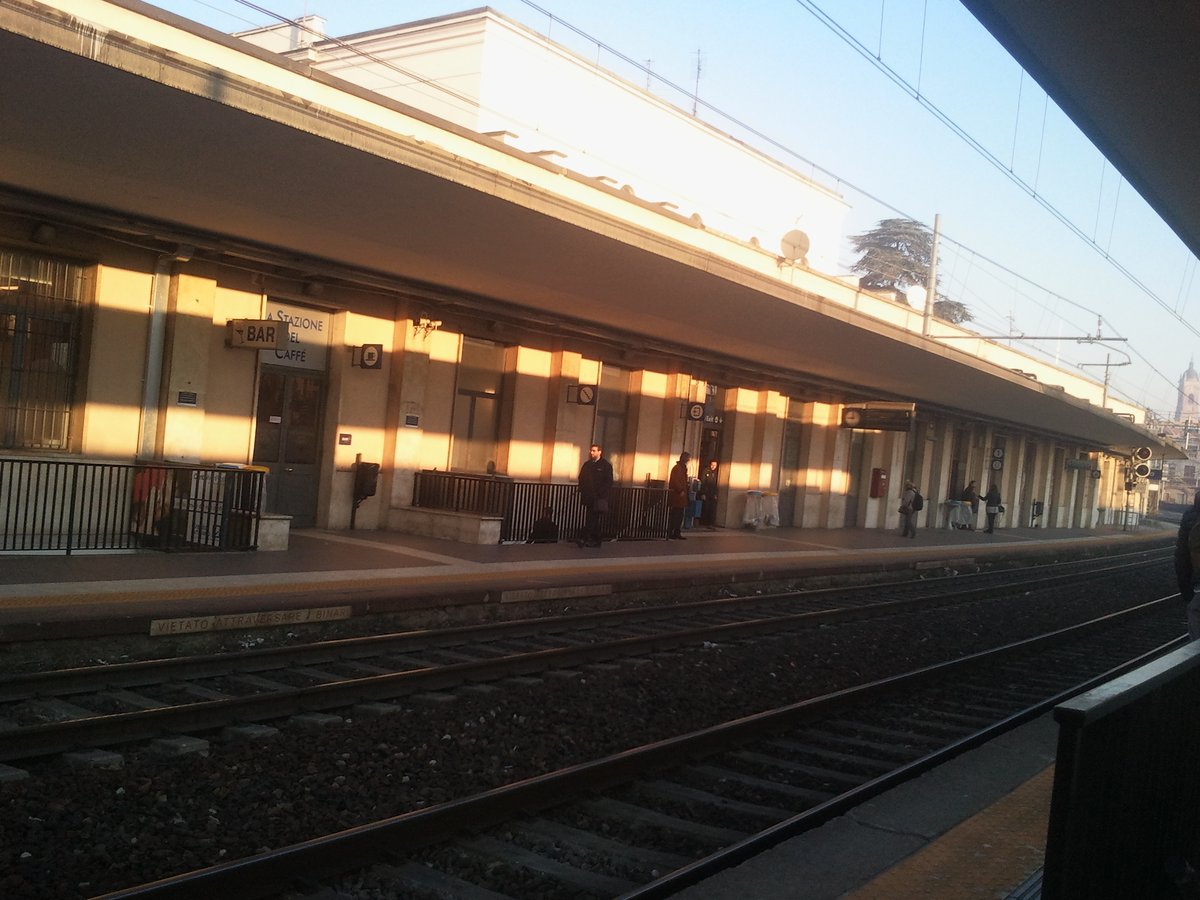
Prince Umberto of Savoy steps onto Monza's new railway platform at 9:17 AM, marking the city's transfer from Austrian to Italian rule. The royal family keeps the Villa Reale as their northern residence; locals notice the Austrian eagle replaced by Savoy shields overnight. The first Italian tricolor flies above the palace gates while Austrian furniture still sits inside.
Vittorio Emanuele II spends his first autumn as king of Italy hunting boar in Monza's royal park, bagging seventeen animals in three days. He orders the palace stables expanded to house forty horses and commissions a private railway spur so he can travel directly from Milan without changing trains. The king's preference for Monza over Turin cements the city's status as royal retreat rather than provincial outpost.
King Umberto I waves to crowds from his carriage outside Monza's sports club when anarchist Gaetano Bresci fires four revolver shots at 10:58 PM. The king dies within minutes; blood stains the gravel driveway for weeks despite scrubbing. Italy abolishes public monarchy appearances for a generation — no Italian king will walk unguarded streets again.
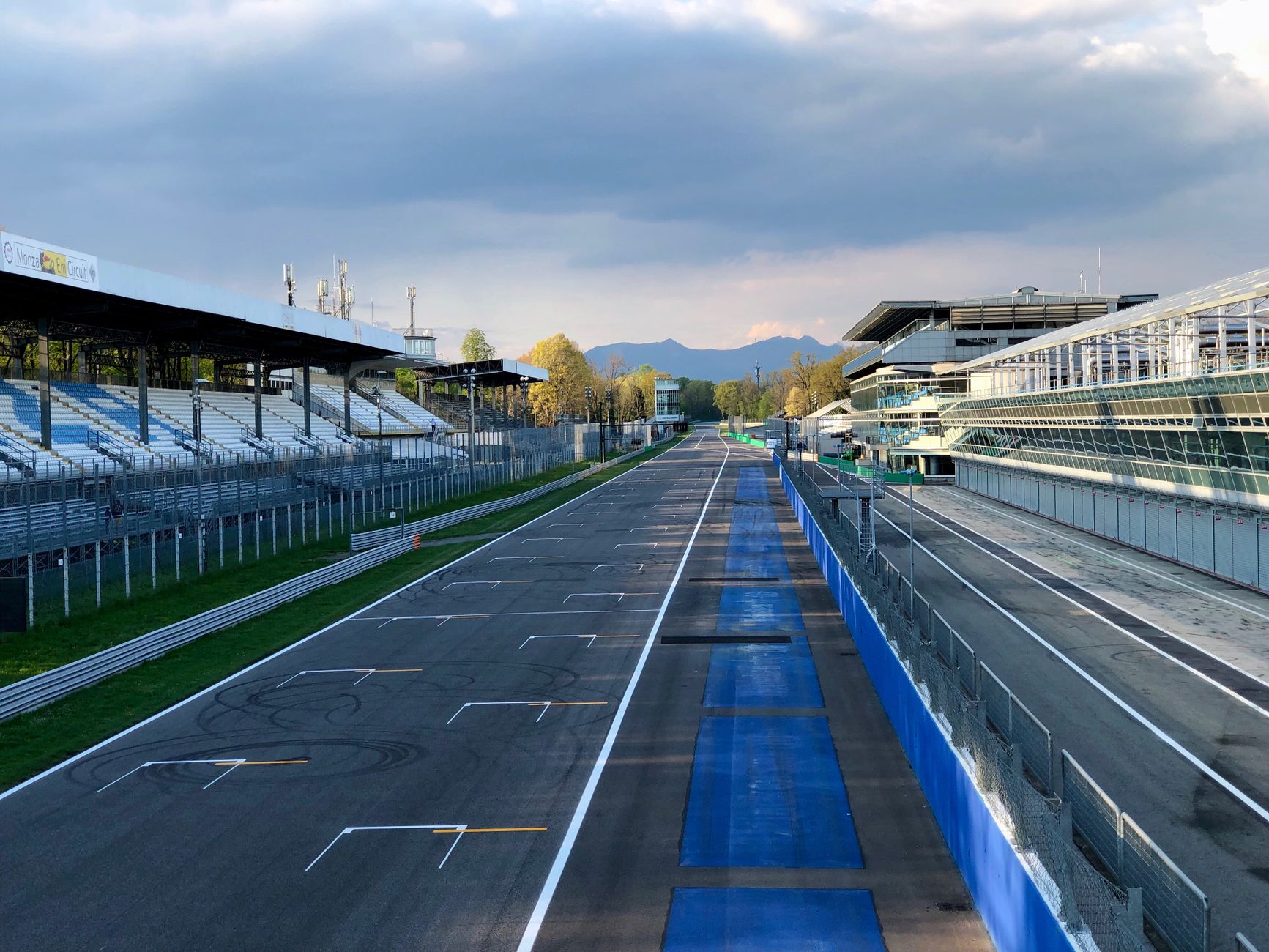
The first Italian Grand Prix roars around Monza's new 10-kilometer speed oval, averaging 137 km/h — considered suicidal by contemporary standards. 100,000 spectators pay 15 lire each to watch Alfa Romeo defeat Fiat in a cloud of dust and burnt castor oil. The track's banking, built with 300,000 cubic meters of earth excavated from the park, becomes the steepest in Europe at 80 degrees.
American B-17s targeting Milan's factories release their final bombs over Monza, destroying 47 houses but leaving the cathedral untouched. One 500-pound bomb pierces the Villa Reale's roof and embeds itself in the ballroom floor without exploding — it sits there for three days while citizens flee. The palace's east wing burns for six hours, taking the Habsburg theater with it.
Monza's partisan brigade 'Garibaldi' storms the Villa Reale at dawn, finding twenty retreating German soldiers drunk on the king's remaining wine cellars. They raise the Italian flag from the palace balcony — the first time it flies there since 1922. The building becomes temporary headquarters for the National Liberation Committee; bullet holes still pockmark the stucco behind the rose garden.
Alfa Romeo driver Giuseppe 'Nino' Farina wins the inaugural Formula One World Championship race at Monza, averaging 160 km/h in his 158 Alfetta. The crowd invades the track, tearing pieces of his car's bodywork for souvenirs. Monza becomes synonymous with speed — the 'Temple of Velocity' — and hosts every Italian Grand Prix except 1980.
Ferrari's Wolfgang von Trips loses control at Parabolica, his car launching into the crowd and killing fifteen spectators along with himself. The accident happens on lap 2; race officials don't stop the event. Monza installs its first safety barriers the following year — steel rails that drivers claim are more dangerous than nothing at all.
Italy creates the Province of Monza and Brianza, severing the city from Milan's jurisdiction after 467 years. The move comes after decades of local lobbying — Monza finally gets its own prefect, police chief, and coat of arms featuring the Iron Crown. The first provincial council meets in the Villa Reale's former throne room, symbolically reclaiming royal space for civic use.
A July supercell storm packing 150 km/h winds flattens fourteen thousand trees in Monza's park — 12% of its canopy. The Villa Reale loses three 200-year-old plane trees that once framed its facade. Volunteers recover 600 cubic meters of fallen oak for furniture making; the disaster sparks a €3.38 million reforestation project using seedlings grown from the park's own acorns.
Neoclassical architect · 1734–1808
Designed Villa Reale 1777–80
He traded La Scala’s velvet boxes for Monza’s long marble corridors and never charged extra for the royal grotto. Today his villa is half scaffolding, half ballroom ghosts—he’d probably approve the slow restoration; perfection takes time.
Lombard queen · c. 570–628
Founded cathedral 603
She placed the Iron Crown on the altar and turned Monza into a capital before most of Europe noticed the Lombards existed. Walk the nave at 9 a.m. when the custodian unlocks—her frescoed chapel still smells of beeswax and power.
King of Italy · 1844–1900
Assassinated at Villa Reale 29 July 1900
He chose Monza for summer calm and died against the palace wall after awarding medals. The bullet hole is gone, but locals still lower their voices near the rose garden—royal blood lingers in memory, if not in soil.
Where locals actually book dinner — not the tourist menus.
Small things that change how the city treats you.
The city, as it actually looks.

Absolutely. The Iron Crown inside the cathedral and Piermarini’s royal apartments are world-class, and you’ll share piazzas with locals instead of tour groups. Even the park feels wilder than anything Milan offers.
One full day covers cathedral, chapel, Villa Reale and a park loop. Stay overnight if you want slow aperitivo evenings or an early morning run beneath the oak avenues before Milan commuters arrive.
No. The crown is locked behind two doors opened only by the cathedral guide on reserved 30-minute slots. Walk-ins are turned away even if the chapel looks empty.
Yes. Violent crime is rare; the biggest risk is pickpockets on late trains back to Milan. Stick to the lit center and you’ll see families strolling past midnight on weekends.
Nothing. The 688-hectare park is free 24/7 except the Autodromo section. Bike rental is €3/hr at the Cascina Costa gate if you want to cross the whole park without blisters.
Most close, but Osteria del Glicine (Via Lambro 13) keeps the kitchen firing. Locals queue for its €12 risotto alla monzese—order before 13:30 or they run out.
29 places to discover





Saved and recently read places — kept on this device only.
Photos may have been resized or cropped.