Plan and listen to Modena Cathedral with Audiala.
Audio guide in your pocket, itinerary in your browser. Built for the way you actually visit.
Introduction
Modena Cathedral (Cattedrale Metropolitana di Santa Maria Assunta e San Geminiano), a UNESCO World Heritage Site since 1997, is one of Italy's most celebrated examples of Romanesque architecture. Situated in the heart of Modena, it stands as an enduring symbol of the city’s spiritual, artistic, and civic traditions. This comprehensive guide will help you plan your visit, offering insights into the cathedral’s history, architecture, visiting hours, ticketing, accessibility, nearby attractions, and essential travel tips.
For up-to-date information, consult official sources such as the Modena World Heritage Office and the Emilia Romagna Tourism portal.

Origins and Foundation (11th–12th Centuries)
Commissioned at the end of the 11th century to venerate Modena’s patron saint, Geminianus, Modena Cathedral was a communal project that symbolized civic pride and devotion. Architect Lanfranco and sculptor Wiligelmo led the initial construction, with the foundation stone laid in 1099. The crypt, completed by 1106, houses the saint’s relics, and the cathedral was consecrated in 1184 by Pope Lucius III.
Architectural Features: Romanesque to Gothic
Lanfranco's vision resulted in a harmonious Romanesque structure: a tripartite white stone façade, loggias, blind arcades, and intricately carved capitals. The Maestri Campionesi later introduced Gothic elements, including the rose window and the ornate Porta Regia with its distinctive lion sculptures. The nave and aisles are divided by alternating pillars and columns, while the crypt below preserves the remains of Saint Geminianus.
Artistic Highlights
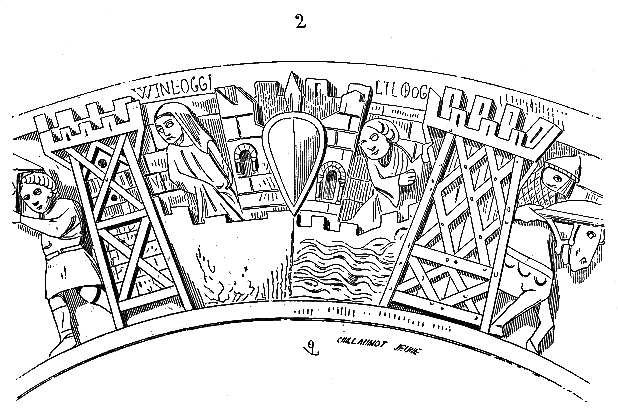
Wiligelmo’s sculptural reliefs on the façade depict Genesis stories, offering one of the earliest examples of narrative sculpture in Italy. The Porta della Pescheria features medieval scenes and early Arthurian legends, while the pulpit and altar inside display Renaissance and Baroque influences. The Ghirlandina Tower, built from the 12th to 14th centuries, combines Romanesque and Gothic styles and is a symbol of Modena’s civic identity.
Planning Your Visit
Modena Cathedral Visiting Hours
- Cathedral:
- Tuesday to Saturday: 10:30–17:00
- Monday: 10:30–12:00 and 15:30–17:00
- Closed on holidays and during certain religious ceremonies
- Museum:
- Tuesday to Friday: 10:00–14:00 and 15:00–18:00
- Saturday/Sunday: 10:00–14:00 and 15:00–19:00
- Closed Mondays
- Ghirlandina Tower:
- Open April 1 to September 30; hours vary by season
Hours may change due to events or restoration. Always confirm on the official website.
Tickets and Admission
- Cathedral Entry: Free
- Museum: €6 (reduced €4)
- Ghirlandina Tower: €3
- Guided Tours: Vary by provider; booking in advance is recommended, especially in peak season
Tickets for the museum and tower can be bought on-site or online via the Modena tourism website.
Accessibility
- Ramps and accessible pathways are available for the main areas of the cathedral and museum.
- The crypt and Ghirlandina Tower involve stairs and may not be accessible to all.
- Contact the Modena World Heritage Office in advance for specific needs.
Getting There
- By Train: Modena station is a 10–15 minute walk from the cathedral.
- By Bus: City buses stop near Piazza Grande.
- By Car: Park in designated lots outside the historic center (ZTL restrictions apply).
- On Foot/Bike: Modena’s center is pedestrian and bike-friendly.
For step-by-step directions, use the interactive map.
Visitor Experience
Dress Code & Photography
- Modest dress is required (shoulders and knees covered).
- Non-flash photography allowed; check restrictions during services or in sensitive areas.
- Comfortable shoes recommended due to uneven surfaces.
Facilities
- Restrooms, cafés, and shops are nearby.
- Guided tours and audio guides are available in several languages.
Must-See Highlights
- Wiligelmo’s Façade Reliefs: Four panels depicting Genesis stories (Wonderful Wanderings).
- Porta della Pescheria: Medieval and Arthurian scenes.
- Pulpit and Pontile: Marble choir screen and pulpit by Enrico da Campione (Time Travel Turtle).
- Altar of the Figurines: Terracotta by Michele da Firenze.
- Crypt: Saint Geminianus’s tomb and Wiligelmo’s capitals.
- Ghirlandina Tower: 201 steps to panoramic city views (AtickettoTakeoff).
- Musei del Duomo: Sculptural fragments, Flemish tapestries, and liturgical treasures.
Nearby Attractions
- Piazza Grande: Lively square with cafes and events (PlanetWare).
- Palazzo Comunale: Historic town hall.
- Museo Enzo Ferrari: Automotive history (Savoring Italy).
- Galleria Estense: Art collections.
- Ducal Palace: Former residence of the Este family.
Suggested itinerary:
- Morning: Cathedral and crypt visit, Ghirlandina Tower climb
- Lunch: Local trattoria or market
- Afternoon: Museums and Piazza Grande stroll
- Evening: Passeggiata and gelato
Travel Tips
- Best Times to Visit: Spring and early autumn (pleasant weather, fewer crowds); mornings or late afternoons for tranquility.
- Festivals: Notable events include Saint Geminianus Day (January 31) and Christmas celebrations (Adventure Backpack).
- Cuisine: Sample tortellini, bensone cake, and Modena’s balsamic vinegar (Taste Bologna).
- Safety: Modena is safe with low crime; standard precautions apply (HikersBay).
Frequently Asked Questions (FAQ)
Q: What are Modena Cathedral’s visiting hours?
A: See above for detailed hours; always check the official website before visiting.
Q: Is there a fee for entry?
A: Cathedral entry is free; museum and tower have a ticket fee.
Q: Are guided tours available?
A: Yes, in multiple languages via local offices or online. Advance booking is recommended.
Q: Is the site accessible for those with disabilities?
A: Main floors are accessible. Some areas (crypt, tower) have stairs; contact the cathedral for assistance.
Q: Can I take photos inside?
A: Non-flash photography is generally allowed; always check signage or ask staff.
Listen to the full story in the app
The whole Modena Cathedral,
told well.
Listen to sourced travel stories with local history and practical context — ready offline.
Verified, and shown.
Researched and written by the Audiala editorial team from historical records, architectural archives, and local expertise.
Built from cited sources · see the method · How we make our guides →