Plan and listen to Ducal Palace Of Modena with Audiala.
Audio guide in your pocket, itinerary in your browser. Built for the way you actually visit.
Introduction
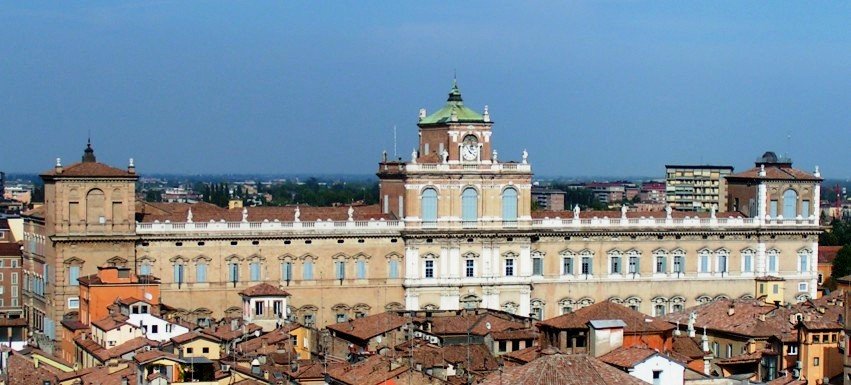
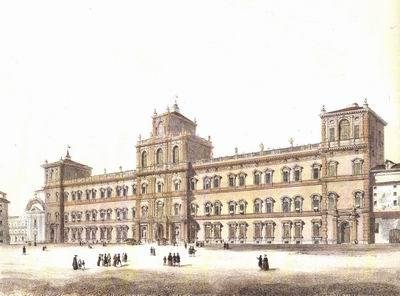
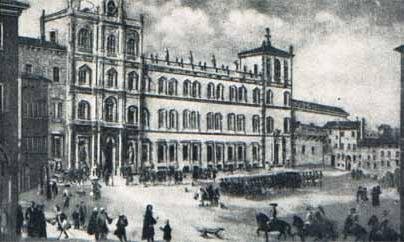
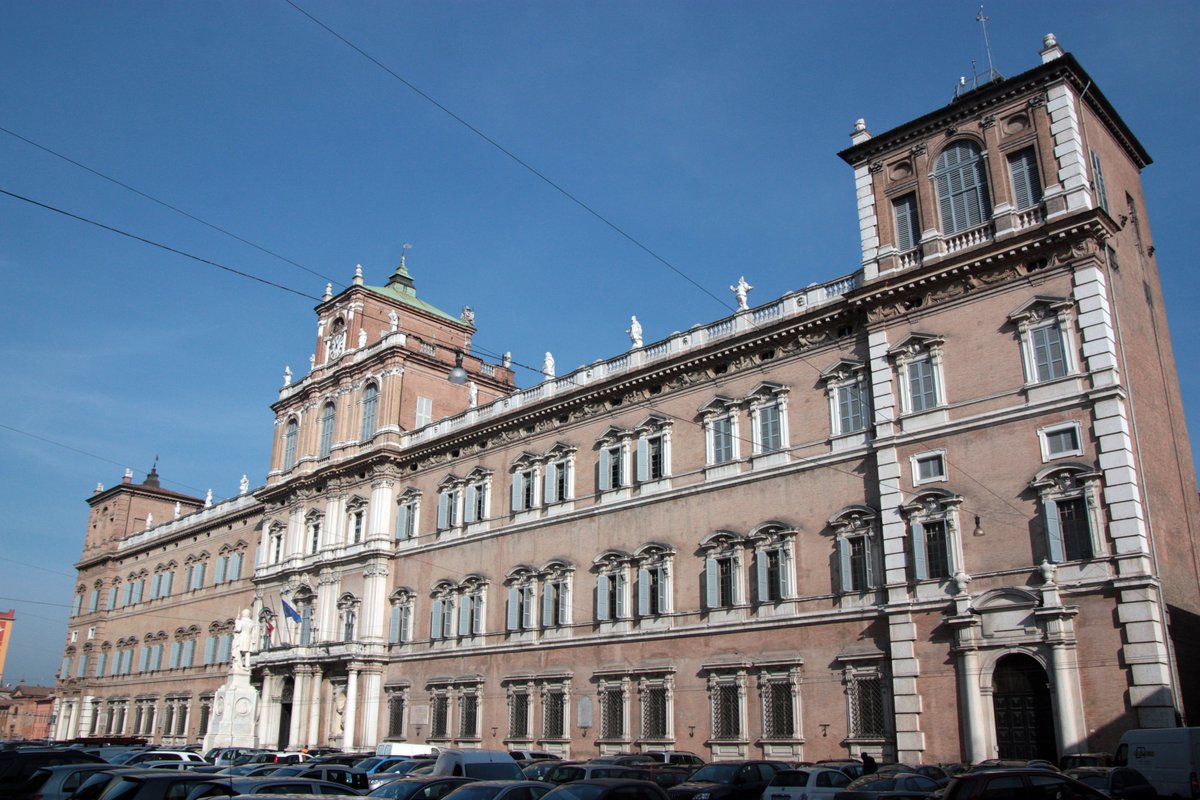
The Ducal Palace of Modena (Palazzo Ducale di Modena) is one of northern Italy’s most exceptional Baroque landmarks, deeply intertwined with the legacy of the Este dynasty. Constructed beginning in 1634 after the Este family’s relocation from Ferrara, the palace was designed by a team of renowned architects including Bartolomeo Avanzini, Gian Lorenzo Bernini, and Francesco Borromini. The palace’s stately façade, ornate courtyards, and lavish interiors reflect the grandeur of 17th-century Italian nobility. Today, the palace houses the Italian Military Academy, blending centuries-old aristocratic history with a continuing military tradition.
Access to the palace is restricted due to its military function, with guided tours available primarily on weekends and by advance reservation. This article provides a thorough guide to visiting the Ducal Palace, including up-to-date details on visiting hours, ticketing, accessibility, tour highlights, and nearby attractions, ensuring a rich and well-planned experience for every visitor.
For the latest visiting policies, consult Bologna Welcome and Modenatur.
The origins of the Ducal Palace trace back to 1634, when the Este family, forced to leave Ferrara, began construction of a new seat of power on the site of their former castle in Modena. The project was led by Bartolomeo Avanzini, with key input from Girolamo Rainaldi, Gian Lorenzo Bernini, Francesco Borromini, and Pietro da Cortona (Emilia Romagna Turismo; Live the World; Laguida di Modena). Bernini’s influence is visible in the grand staircase and the design of the upper façade’s windows.
The palace’s architecture is a testament to Baroque innovation: a symmetrical three-story façade with balustrades, pilasters, and elaborate statues, including depictions of Hercules and Marco Emilio Lepido, Modena’s legendary founder (Italia.it).

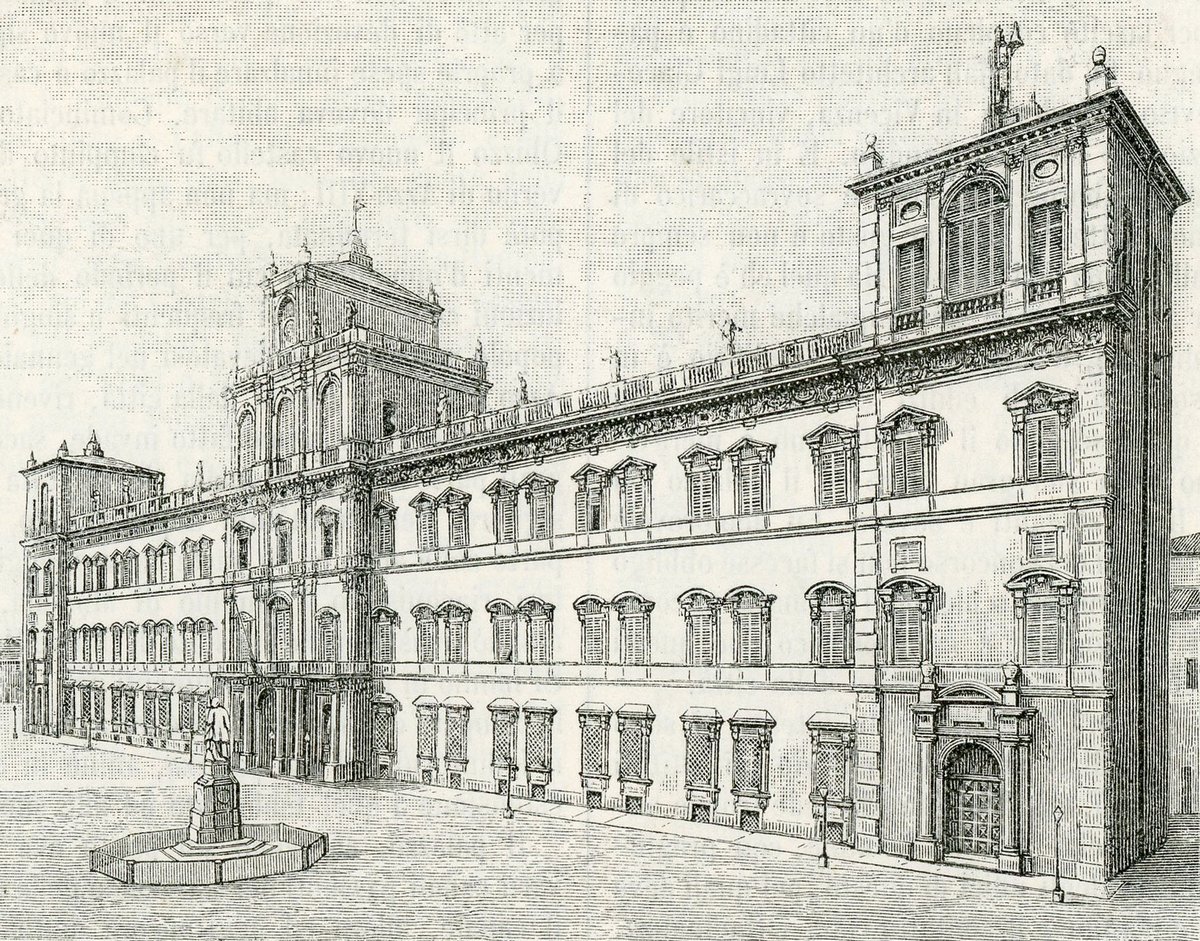
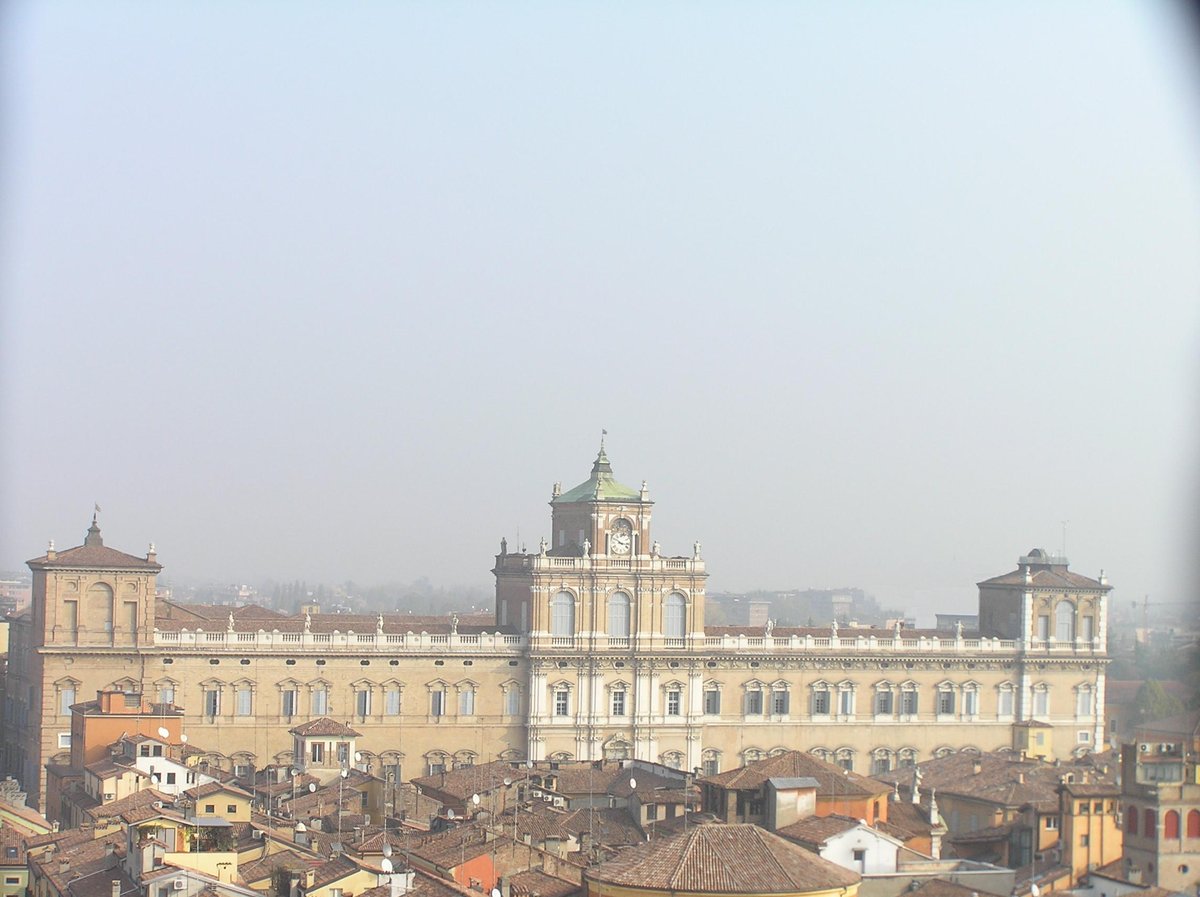
The Este Family’s Ducal Residence
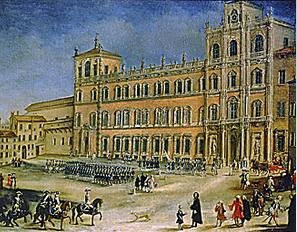
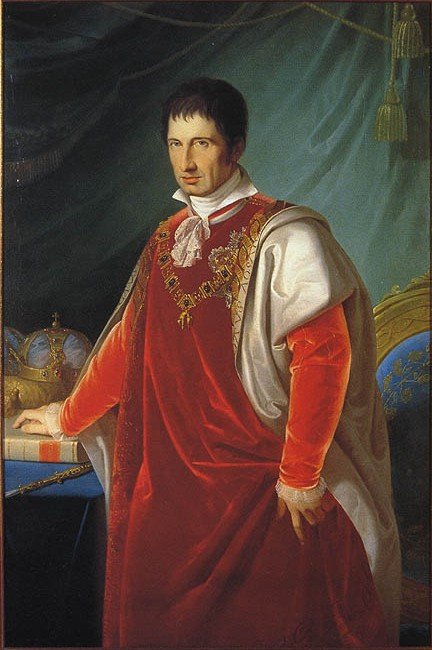
For over two centuries, the palace was the principal residence of the Este family, who ruled Modena until Italy’s unification in the 19th century. The palace functioned as both a home and a center for administration and diplomacy, hosting balls, state functions, and grand ceremonies that cemented the Este’s status among Europe’s nobility (Trip101).
The interiors were richly decorated with frescoes, stuccoes, and tapestries. The Galleria Estense, now a separate museum, once housed the family’s extensive art collections.
Artistic and Architectural Heritage
Baroque Grandeur
The Ducal Palace is renowned for its Baroque architectural harmony, theatrical courtyards, and innovative urban planning. Notable features include:
- Courtyard of Honor (Cortile d’Onore): A dramatic, arcaded space serving as the ceremonial heart of the palace (Emilia Romagna Turismo).
- Grand Staircase (Scalone d’Onore): Designed by Bernini, it sweeps upwards with Baroque flair, flanked by ancient Roman statues.
- Loggiato: An elegant gallery overlooking the courtyard.
- State Apartments: Lavishly adorned rooms, once used for official functions and private living quarters.
Artistic Masterpieces
- Hall of Honor (Sala d’Onore): Features a 440-square-meter ceiling fresco by Marcantonio Franceschini, celebrating mythological and dynastic themes (Wikipedia).
- Golden Salon (Salottino d’Oro): Lined with gilded wood, this room served as Duke Francesco III’s office and is among the palace’s artistic highlights.
Transition to Military Academy
Following the unification of Italy, the palace ceased to be a ducal residence. In 1863, it became the home of the Military Academy of Modena, an elite institution training officers for the Italian Army and Carabinieri. This new role ensured the palace’s preservation but necessitated restrictions on public access (Bologna Welcome).
The palace also hosts the Military Academy’s museum, memorial, and library, honoring Italy’s military history and the soldiers who trained here.
Visiting Information
Visiting Hours
- Open to Public: Guided tours are available on Saturdays and Sundays.
- Tour Times: Morning and early afternoon slots (exact times vary; check Modenatur for the latest schedule).
- Tour Duration: Approximately 1 to 1.5 hours.
Ticketing and Reservations
- Ticket Price: Standard tickets start at €10–€15 per person; special rates for private/group tours.
- How to Book: Advance reservation required via Modenatur or email [email protected]. Bookings close on the Wednesday prior to each weekend.
- Security: Personal ID details required for all visitors due to military security protocols.
Guided Tour Experience
Tours cover:
- Courtyard of Honor
- Parlatory and Grand Staircase
- Loggiato
- State Apartments (including the former private ducal quarters)
- Military Academy Museum Room
- Hall of Honor (with Franceschini’s fresco)
- Golden Salon (Salottino d’Oro)
Tours are primarily in Italian; English or other languages are available for private groups upon advance request (Bologna Welcome; Veronika’s Adventure).
Accessibility
- Mobility: Some architectural barriers exist (stairs, uneven floors). Notify organizers in advance for assistance.
- Wheelchair Access: Main public areas are accessible; some historic rooms may be limited.
Photography and Visitor Etiquette
- Photography: Allowed without flash in most areas; video recording requires permission.
- Etiquette: Dress modestly and respect the military setting.
Location and Nearby Attractions
- Address: Piazza Roma, 15, 41121 Modena MO, Italy.
- Nearby Sites: Modena Cathedral (Duomo di Modena), Ghirlandina Tower, Piazza Grande, and the Museo Enzo Ferrari—all within walking distance (Tourist Places Guide; The Travel Folk).
Practical Tips for Visitors
- Book Early: Tours are limited and fill quickly, especially on weekends.
- Bring ID: Must match booking details for entry.
- Arrive Early: Tours start promptly.
- Check for Cancellations: Tours may be canceled due to military needs; refunds are provided.
- Plan for Accessibility: Contact organizers about mobility needs.
- Combine Visits: Explore nearby UNESCO-listed sites for a full Modena experience.
Frequently Asked Questions (FAQ)
Q: Can I visit without a guided tour?
A: No, entry is only possible with a guided tour due to the building's military function.
Q: Are children welcome?
A: Yes, but check with the booking office for age guidelines.
Q: Is the palace wheelchair accessible?
A: Main public areas are accessible; notify organizers for assistance.
Q: Are tours available in English?
A: Yes, private tours in English and other languages can be arranged with advance booking.
Q: Can I take photos inside?
A: Photography is generally allowed without flash; confirm specific restrictions with your guide.
Listen to the full story in the app
The whole Ducal Palace Of Modena,
told well.
Listen to sourced travel stories with local history and practical context — ready offline.
Verified, and shown.
Researched and written by the Audiala editorial team from historical records, architectural archives, and local expertise.
Built from cited sources · see the method · How we make our guides →