Introduction
Located in the cultural and historical heart of Milan, the Theological Faculty of Northern Italy (Facoltà Teologica dell’Italia Settentrionale, FTIS) is a distinguished institution where centuries of Catholic theological tradition converge with modern academic rigor. Since its original foundation in 1892 and its formal recognition as a pontifical faculty in 1938, FTIS has become a pivotal center for theological education, research, and cultural engagement throughout Northern Italy. The faculty serves multiple ecclesiastical regions—Lombardy, Piedmont, Liguria, and Veneto—fostering a collaborative environment for theological scholarship and pastoral formation.
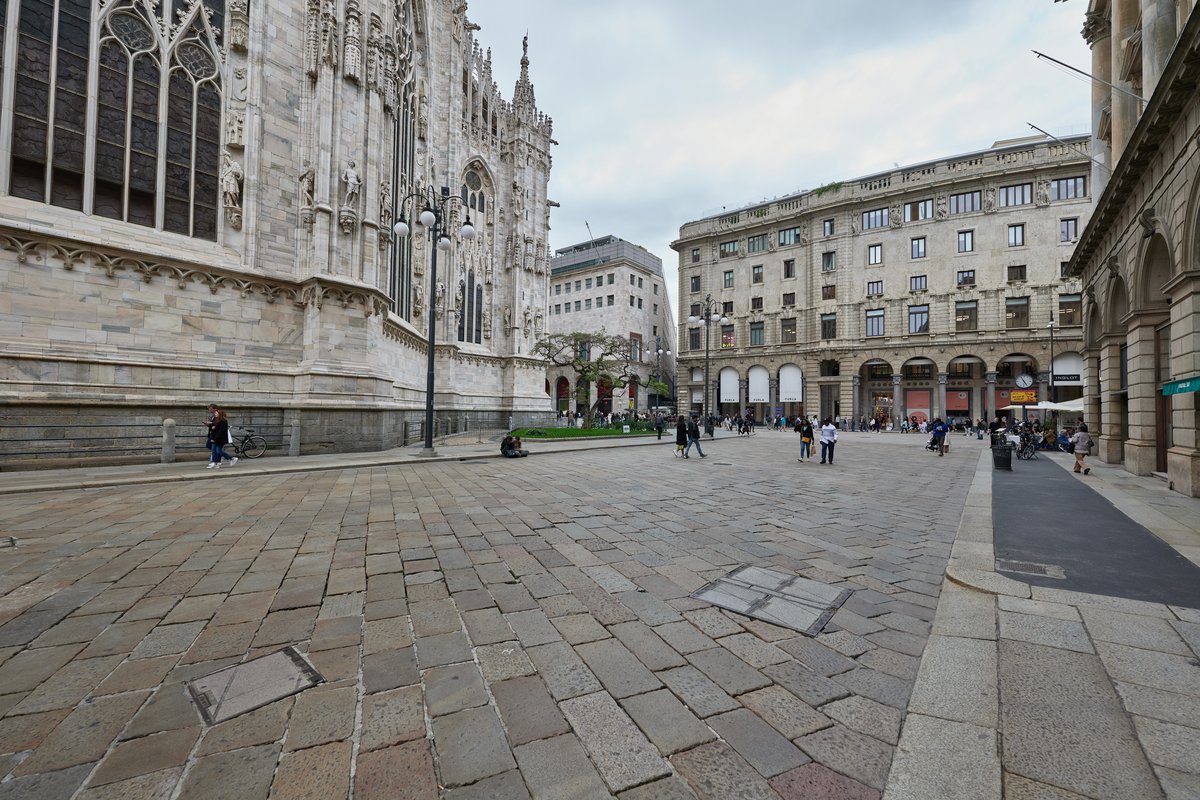
Visitors to FTIS can appreciate not only its academic and religious significance but also its unique architectural setting near celebrated landmarks such as the Basilica di San Simpliciano and the Milan Cathedral (Duomo). Whether you are a theology student, a history enthusiast, or a tourist eager to explore Milan’s religious heritage, this guide offers essential information on visiting hours, tickets, guided tours, accessibility, and nearby attractions. It also highlights FTIS’s role in shaping theological discourse and contributing to Milan’s vibrant cultural landscape.
For comprehensive details on FTIS’s history, academic programs, visitor information, and cultural significance, refer to the official FTIS website and related resources (FTIS Official History, FTIS Visitor Information, Archdiocese of Milan).
Welcome to the Theological Faculty of Northern Italy (FTIS) in Milan
Experience the rich history, cultural heritage, and academic excellence of FTIS, a premier institution for Catholic theological education at the heart of Milan. Whether your interest lies in religious history, academic study, or sightseeing, this guide provides everything you need to plan a rewarding visit.
History and Significance of FTIS
Founding and Early Development
FTIS traces its roots to 1892, when Pope Leo XIII relocated the theological faculty from Venegono Inferiore to Milan, anchoring Catholic theological education in the region. Its status was elevated in 1938 by Pope Pius XI, who recognized it as a pontifical faculty, and in 1978 it gained Italian state recognition, bridging ecclesiastical tradition and secular academia (FTIS Official History).
The faculty integrates the traditions of several theological institutes across Lombardy and Northern Italy, serving as a central hub for advanced theological research and formation.
Academic Evolution and Structure
FTIS offers Vatican-recognized degrees at bachelor’s, licentiate, and doctoral levels, with programs covering biblical studies, dogmatic and moral theology, liturgy, and pastoral care. It operates as a federated institution, collaborating with more than 15 affiliated seminaries and institutes and serving over 1,200 students annually (FTIS Academic Structure).
Role in Church and Society
FTIS has played a significant role in shaping Catholic intellectual and pastoral life in Northern Italy. Its graduates hold leadership positions as bishops, theologians, and educators. The faculty’s close collaboration with the Archdiocese of Milan and local cultural institutions like Università Cattolica del Sacro Cuore and the Ambrosian Library fosters interdisciplinary dialogue (Archdiocese of Milan).
Visiting FTIS: Essential Information
Visiting Hours and Tickets
- Opening Hours: Monday to Friday, 9:00 AM – 5:00 PM; closed on weekends and public holidays.
- Guided Tours: Available by appointment; book at least one week in advance via the FTIS Visitor Information page.
- Tickets: General entry to the faculty and library is free. Special exhibitions or events may require tickets, which can be obtained online or onsite.
Accessibility
The FTIS complex is fully wheelchair accessible, equipped with ramps and elevators. Visitors with special needs should contact the administration in advance for tailored assistance.
Location and Transportation
Situated in central Milan, FTIS is easily accessible:
- Metro: Closest stop is Duomo (Lines M1 and M3), or Lanza (Line M2) for the Basilica di San Simpliciano.
- Bus/Tram: Multiple lines serve the area.
- Parking: Limited street parking and paid garages nearby—public transit is recommended.
Nearby Attractions
Combine your visit with Milan’s highlights:
- Milan Cathedral (Duomo)
- Basilica di San Simpliciano
- Basilica of Sant’Ambrogio
- Ambrosian Library
- Università Cattolica del Sacro Cuore
Photography and Media
Photography is permitted in exterior and public areas. For the library or during special events, prior permission is required. Virtual tours and maps are available on the FTIS website.
Architectural and Cultural Highlights
The FTIS buildings are an example of Lombard Romanesque architecture, harmoniously integrated with modern facilities. The library, one of Italy’s largest theological collections, houses over 200,000 volumes, including rare manuscripts (FTIS Library). The faculty regularly hosts conferences, exhibitions, and lectures exploring faith, culture, and society.
Academic Structure and Offerings
Departments and Degree Programs
FTIS comprises specialized departments in Systematic Theology, Moral Theology, Biblical Studies, Pastoral Theology, Church History, and Philosophy. Programs adhere to the European three-cycle system (Bologna Process):
- Baccalaureate in Sacred Theology (STB): 3 years
- Licentiate in Sacred Theology (STL): 2 years
- Doctorate in Sacred Theology (STD): Approx. 3 years
- Additional diploma and certificate programs are available for laypersons.
Research and Scholarly Activities
FTIS is a hub for advanced theological research, publishing the journal Teologia and organizing international conferences and symposia.
Faculty Community and Partnerships
The faculty includes leading scholars and draws a diverse student body, including seminarians, laypersons, religious members, and international students. FTIS collaborates with regional and international institutions, promoting interdisciplinary research and ecumenical dialogue.
Visitor Experience: Practical Tips
Facilities and Amenities
- Lecture Halls: Equipped with modern technology.
- Library: Access for research requires prior arrangement.
- Chapel: Open for daily services.
- Cafeteria: Serves refreshments during regular hours.
- Wi-Fi: Complimentary campus-wide.
- Accessibility: Full wheelchair access.
Campus Setting and Features
Located at Via dei Cavalieri del Santo Sepolcro, 3, in the Brera district, FTIS is close to the city’s main attractions. The internal courtyard and surrounding architecture offer serene spaces for reflection.
Seasonal Considerations
Milan experiences hot summers and cold winters. In July, temperatures can reach 25–32°C (77–90°F). Dress appropriately and make use of shaded areas when visiting during summer months. Milan’s event calendar is rich year-round, offering opportunities to engage with local culture.
Frequently Asked Questions (FAQ)
Q: Is there an admission fee to visit FTIS?
A: General access is free; some special exhibitions or events may require tickets.
Q: Are guided tours available in English?
A: Yes, tours in English and other languages can be arranged upon request.
Q: Can tourists attend academic lectures or events?
A: Many public lectures are open; check the FTIS News for schedules.
Q: What are the main visiting hours?
A: Monday to Friday, 9:00 AM – 5:00 PM; closed on weekends and public holidays.
Q: Is the campus wheelchair accessible?
A: Yes, ramps and elevators are available throughout.
Q: How do I book a guided tour?
A: Use the FTIS Visitor Information page to arrange a visit.
Q: Is photography allowed?
A: Allowed in outdoor and public areas; restriction applies indoors.
Discover More
The Theological Faculty of Northern Italy welcomes visitors to explore its history, architecture, and academic life. For the latest updates on hours, events, and guided tours, visit the FTIS official website and follow their social media channels.
Enhance your experience with the Audiala app, featuring interactive maps, guided tours, and exclusive content on Milan’s religious and cultural sites.
Listen to the full story in the app
Your Personal Curator, in Your Pocket.
Audio guides for 1,100+ cities across 96 countries. History, stories, and local insight — offline ready.
Audiala App
Available on iOS & Android
Join 50k+ Curators
Sources
- verified
- verified
- verified
- verified
- verified
- verified
Last reviewed: