Introduction
Teatro Lirico Giorgio Gaber, located in the dynamic heart of Milan, stands as a symbol of the city’s enduring commitment to artistic excellence, cultural inclusivity, and architectural splendor. Inaugurated in 1779 as Teatro alla Canobbiana and conceived by renowned architect Giuseppe Piermarini—the same mind behind Teatro alla Scala—the theatre was designed to democratize the performing arts, making opera, ballet, and drama accessible to all social classes. Over the centuries, Teatro Lirico has not only hosted iconic premieres and served as a refuge for Milanese culture during pivotal historical moments but has also evolved architecturally, most recently undergoing a meticulous restoration completed in 2021. Today, the theatre welcomes visitors to experience its rich heritage, modern amenities, and a diverse array of performances.
This guide covers everything you need to know for a memorable visit: from historical context and architectural highlights to practical information about visiting hours, ticketing, accessibility, and nearby attractions. For current details and updates, always refer to the official Teatro Lirico website and trusted resources (Milan Archives).
Photo Gallery
Explore Teatro Lirico in Pictures

Historical image of Giuseppe Frezzolini (1789-1861) portraying Dr Dulcamara in Gaetano Donizetti's opera L'elisir d'amore, which premiered at Teatro della Canobbiana, Milan, on 12 May 1832.

Renovated interior of Milano Teatro Lirico showcasing elegant design by Cassi Ramelli
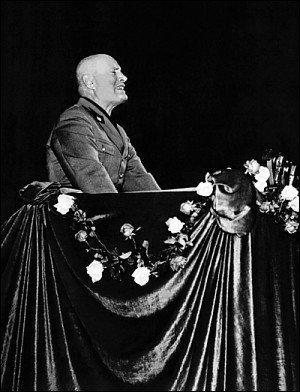
Historical image of Benito Mussolini giving a speech at Teatro Lirico in Milan, Italy, capturing a significant moment in political history.
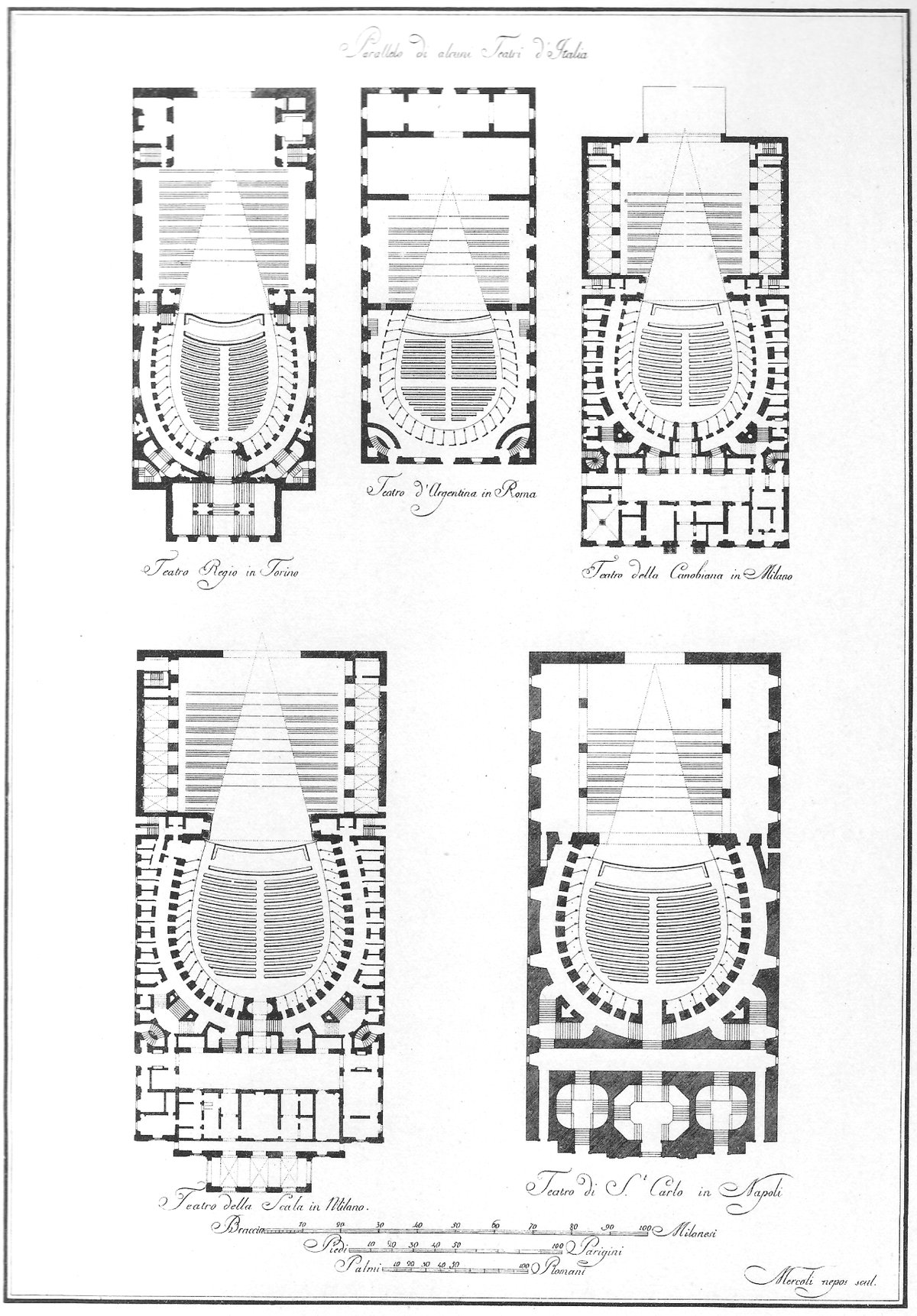
Detailed map illustrating the locations of multiple theaters across Italy
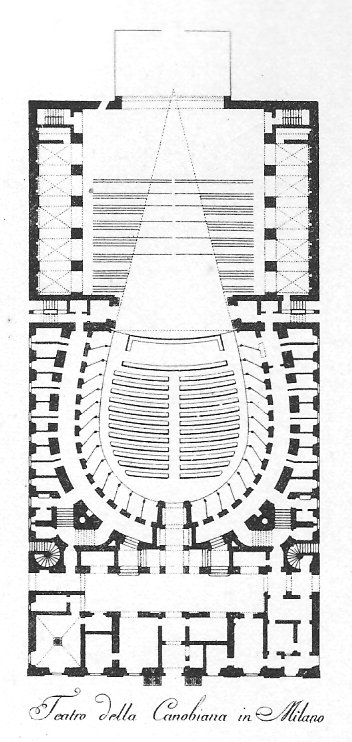
Detailed floor plan layout of the historic Teatro della Canobbiana in Milan, showing the architectural design and seating arrangement
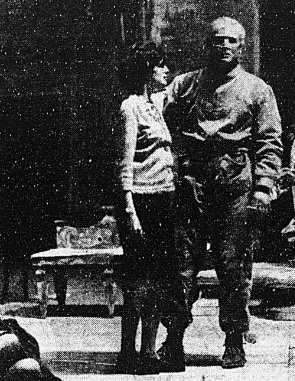
Live theatrical performance of Un marziano a Roma featuring actors Vittorio Gassman and Halina Zalewska on the stage of Teatro Lirico in Milan, Italy.
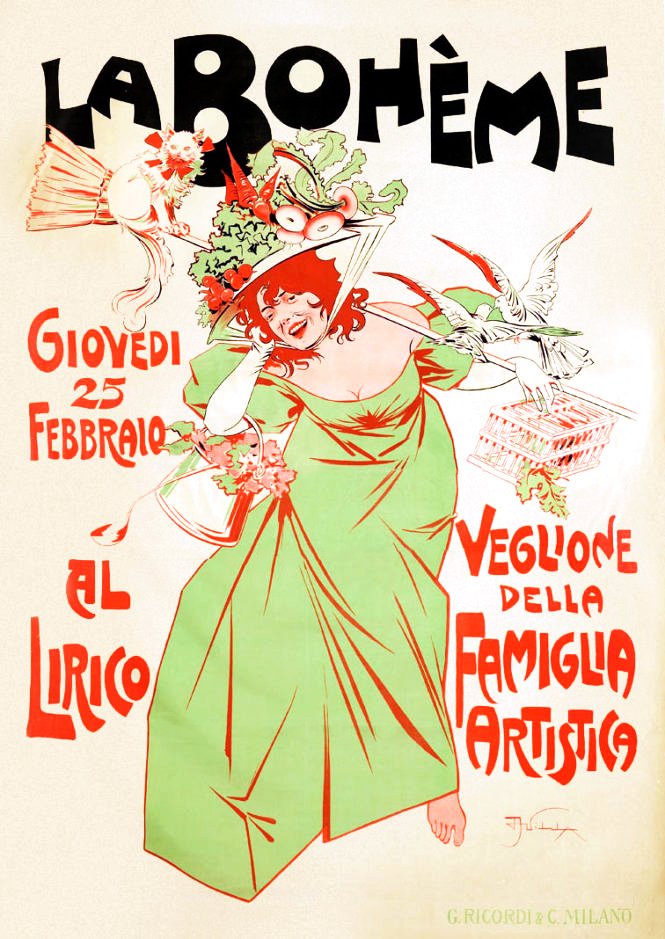
Vintage 19th-century poster by Aleardo Villa depicting La Bohème opera for Veglione della Famiglia Artistica event at Teatro Lirico in Milano
Architectural Evolution and Historical Milestones
Origins and Early History (18th–19th Century)
Teatro Lirico began as Teatro alla Canobbiana, opening its doors in 1779 after the destruction of Milan’s Court Theatre. The design, by Giuseppe Piermarini, reflected Enlightenment ideals: a grand neoclassical façade, horseshoe-shaped auditorium, and a layout intended for optimal acoustics and visibility (teatroamilano.it). As the “people’s theatre,” it complemented the more aristocratic Teatro alla Scala, broadening access to the performing arts.
Transformations in the 20th Century
Ownership shifted to publisher Edoardo Sonzogno in the late 19th century, leading to the theatre's renaming as Teatro Lirico Internazionale and a broadening of its cultural offerings. In 1926, municipal ownership returned, and the building was refurbished following a destructive fire in 1938 under architect Cassi Ramelli, who skillfully blended modern construction techniques with respect for the original neoclassical character. During World War II, after La Scala was bombed, Teatro Lirico hosted its seasons, underscoring its civic and cultural importance (teatroamilano.it).
Late 20th and Early 21st Century Renewal
After serving as the main stage for Piccolo Teatro di Milano and hosting avant-garde productions, financial challenges led to closure in 1998. In 2003, the theatre was dedicated to Milanese artist Giorgio Gaber, and its archives became home to his foundation. A comprehensive, technology-driven restoration began in 2016, focusing on preserving the neoclassical façade, updating structural and safety features, and restoring historical interiors. The theatre triumphantly reopened in December 2021 (mapei.com).
Interior Design and Decorative Features
Auditorium and Seating
The theatre accommodates approximately 1,450 guests across stalls, galleries, palchi (boxes), and balcony. The horseshoe-shaped layout, a hallmark of Italian opera houses, ensures excellent acoustics and diverse viewing perspectives. The stalls, nearly flat, offer optimal sightlines from the first, tenth, and twentieth rows; the gallery is steeply raked, while boxes provide historical ambiance but sometimes limited views. The balcony’s front rows afford a unique top-down perspective (teatroamilano.it).
Decorative Elements and Materials
Restoration efforts brought back the auditorium’s gilded, shell-shaped vaulted ceilings, original marble and parquet flooring, and elegant marmorino plaster walls. The foyer features striking red, black, and white marble. These details, combined with careful conservation of historic finishes, create a refined and welcoming atmosphere (mapei.com).
Acoustics and Stage Technology
The theatre is celebrated for its acoustics, enhanced by both the original architecture and recent technological upgrades. Modern sound, lighting, and stage machinery have been integrated discreetly, supporting a wide variety of performances.
Visitor Information: Tickets, Hours, and Tours
Visiting Hours
- Box Office: Monday–Saturday, 10:00 AM–7:00 PM
- Performance Days: Theatre doors open approximately one hour before showtime
- Guided Tours: Available on select days; check the official website for current schedules
Always confirm hours online, especially during holidays or special events.
Tickets and Booking
- Online: Purchase via the official ticketing portal
- Box Office: In-person sales during listed hours
- Pricing: Generally €15–€80, with discounts for students, seniors, and families
- Advance Booking: Recommended for popular operas, ballets, and special events
Guided Tours
Guided tours offer insights into the theatre’s history, architecture, and backstage operations. Reservations are typically required and tours may be available in multiple languages.
Accessibility and Travel Tips
Teatro Lirico Giorgio Gaber is fully accessible, featuring wheelchair entrances, reserved seating, elevators, accessible restrooms, and assistance services. For visitors with hearing or visual impairments, services such as hearing loops and braille materials are available; contact the theatre in advance for tailored assistance.
Getting There
- Address: Via Larga, 12, 20122 Milan, Italy
- Metro: Cordusio (M1, M3), Duomo (M1, M3)
- Tram/Bus: Lines 2, 12, 14, 16, and several buses
- Parking: Limited; nearby garages include Parcheggio San Marco and Parking Cordusio. Public transport is recommended.
Nearby Attractions
Teatro Lirico’s central location makes it easy to combine your visit with other Milanese landmarks:
- Duomo di Milano (Milan Cathedral)
- Galleria Vittorio Emanuele II
- Museo del Novecento
- Teatro alla Scala
- Sforza Castle
All are within walking distance or a short metro ride.
Programming Highlights: 2024–2025 Season
Teatro Lirico Giorgio Gaber’s 2024–2025 season features a dynamic mix of opera, ballet, musicals, concerts, comedy, and family entertainment. Notable events include:
| Date(s) | Event/Show Title | Genre/Type |
|---|---|---|
| September 15, 2024 | Music Is Magic In Milan | Concert |
| October 4, 2024 | Diego Basso Plays Queen (feat. Stef Burns) | Tribute Concert |
| October 6, 2024 | Tosca (G. Puccini) | Opera |
| October 19–20, 2024 | Gala di danza omaggio a Nureyev | Ballet/Dance |
| December 3–8, 2024 | Lo Schiaccianoci (The Nutcracker) – Balletto di Milano | Ballet |
| December 20–22, 2024 | Ale & Franz – Il nuovo spettacolo di Natale 2024 | Comedy/Variety |
| January 12–13, 2025 | Michela Giraud – Mi hanno gettata in mezzo ai lupi... | Comedy |
| March 1–2, 2025 | Alice nel paese delle meraviglie – Il Musical | Musical/Family |
| March 7–9, 2025 | Shrek – Il Musical | Musical/Family |
| March 17–19, 2025 | Cenerentola – Balletto di Milano | Ballet |
| March 28–30, 2025 | Scala & Kolacny Brothers – Gloaming | Choral/Contemporary |
| April 16–18, 2025 | Pink Floyd Tribute – The Wall & The Dark Side of The Moon | Tribute Concert |
| April 26–27, 2025 | The Magical Music of Harry Potter – Live in Concert | Film Music/Family |
| May 18, 2025 | Enrico Bertolino – Se sapevo venivo | Comedy/Music |
For the latest updates and full listings, consult the official programming page.
Visitor Experience: Highlights and Practical Tips
- Best Seats: Stalls rows 1, 10, and 20 offer optimal views. The gallery and balcony provide unique perspectives; front balcony rows are especially recommended.
- Architectural Features: Look for the restored gilded ceilings, marble foyer, and palchi (boxes) for a sense of historical theatre-going.
- Photography: Permitted during tours (not during performances). The neoclassical façade on Via Larga and the horseshoe-shaped auditorium are must-capture highlights.
- Special Events: During Milan Design Week and other festivals, the theatre often features immersive installations and unique programming (archdaily.com).
Frequently Asked Questions (FAQ)
Q: What are the current visiting hours?
A: Box office: Monday–Saturday, 10:00 AM–7:00 PM. Check the official website for any changes due to performances or holidays.
Q: How do I purchase tickets?
A: Buy online via the ticket portal or at the box office.
Q: Are guided tours available?
A: Yes; advance booking is required. See the website for dates and times.
Q: Is the theatre accessible?
A: Yes, with full step-free access, accessible seating, and support for visitors with disabilities.
Q: What attractions are nearby?
A: The Duomo, Galleria Vittorio Emanuele II, Museo del Novecento, Teatro alla Scala, and more.
Listen to the full story in the app
Your Personal Curator, in Your Pocket.
Audio guides for 1,100+ cities across 96 countries. History, stories, and local insight — offline ready.
Audiala App
Available on iOS & Android
Join 50k+ Curators
Sources
- verified
- verified
- verified
- verified
- verified
- verified
- verified
Last reviewed: