Introduction: Teatro Filodrammatici Milan—A Cultural and Architectural Landmark
Located in the vibrant cultural core of Milan, Teatro Filodrammatici stands as an enduring symbol of the city’s theatrical tradition and architectural evolution. Established between 1798 and 1800 on the site of the former Collegio de’ Nobili, this historic theater has witnessed centuries of artistic innovation, serving as a launching pad for emerging talent and a stage for both classical and avant-garde productions. From its neoclassical origins under Luigi Canonica and influences from Giuseppe Piermarini, through Liberty style renovations and a postwar redesign by Luigi Caccia Dominioni, Teatro Filodrammatici is more than just a performance venue—it is a living testament to Milan’s dynamic cultural landscape (Teatro Filodrammatici Milano Official Website, Notes Magazine).
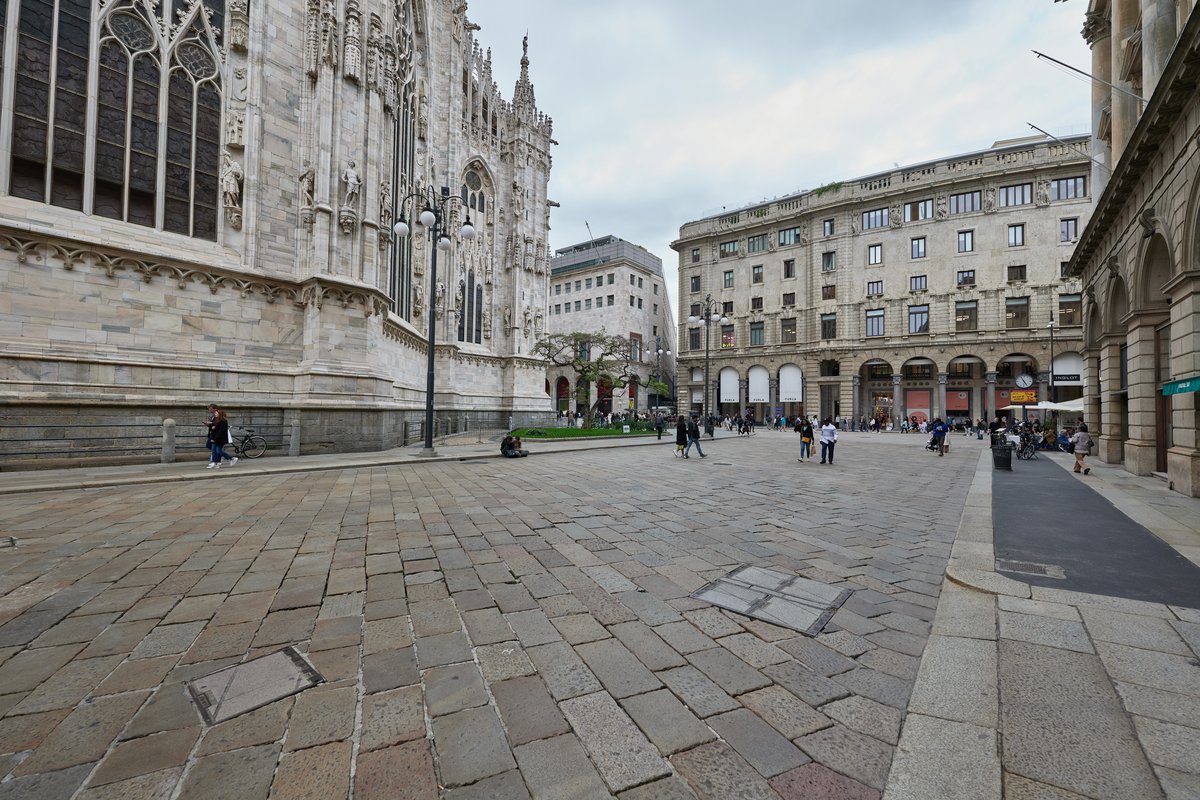
Strategically situated at Piazza Paolo Ferrari 6, near landmarks like Teatro alla Scala and Galleria Vittorio Emanuele II, the theater is easily accessible and offers a rich visitor experience—including guided tours, diverse programming, and community engagement. Whether you are a theater lover, history enthusiast, or cultural traveler, this guide will help you make the most of your visit to Teatro Filodrammatici.
Origins and Early Development (1798–1800)
Teatro Filodrammatici’s roots trace back to the late 18th century, when Milan was undergoing significant political and social change. The theater was established on the site of the Collegio de’ Nobili, a Jesuit and Barnabite-run institution, which included a small theater used for educational performances. Following Napoleon’s secularization reforms, the space was transformed into a public theater that embraced Enlightenment ideals and the burgeoning Milanese theater scene.
Architectural Evolution: From Neoclassicism to Liberty Style
Luigi Canonica, drawing on sketches by Giuseppe Piermarini (architect of Teatro alla Scala), designed the original structure in neoclassical style. Later, Leopoldo Pollak contributed refinements. The building underwent a significant Liberty style (Italian Art Nouveau) renovation in 1904, introducing organic motifs and a modern aesthetic that reflected Milan’s cosmopolitan spirit (teatro.it).
20th Century Transformations
The theater adapted to changing tastes and technologies throughout the 19th and 20th centuries. In 1923, the main hall was updated, and in 1936 it was temporarily converted into a cinema, demonstrating its flexibility and enduring popularity.
Postwar Restoration
World War II inflicted heavy damage, leaving only the perimeter walls. In 1964, Luigi Caccia Dominioni led a visionary reconstruction, relocating the auditorium underground and integrating new public spaces, thus cementing the theater’s status as a community and cultural hub.
Architectural Highlights
- Neoclassical Origins: Symmetrical forms and classical motifs, reflecting Enlightenment influences.
- Liberty Style Facade (1904): Elegant Art Nouveau detailing with floral and organic elements.
- Modern Underground Auditorium: Innovative postwar design by Caccia Dominioni, maximizing urban space.
- Historic Perimeter Walls: Preserved structure connecting the present to the theater’s origins.
Visiting Teatro Filodrammatici: Practical Information
Location and Access
- Address: Piazza Paolo Ferrari 6, 20121 Milano MI, Italy.
- Nearby Metro Stations: Duomo (Lines M1, M3), Cordusio (Line M1).
- Trams & Buses: Multiple lines serve the surrounding area.
- Parking: Limited in central Milan; public transport is recommended.
Visiting Hours
- Box Office:
- Monday: 10:00–14:00
- Tuesday–Friday: 14:00–18:00
- On Performance Days: Opens one hour before showtime
- Performances:
- Tuesday, Thursday, Friday, Saturday: 20:30
- Wednesday, Sunday: 19:30
- Guided Tours: By appointment; check the official website for availability.
Tickets and Pricing
- Standard Tickets:
- Full Price: €23
- Reduced (Under 30/Over 65): €14
- University Students/Staff: €10
- Affiliated/Convenzionati: €16
- Subscriptions:
- Tradizione & Tradimenti: 13 shows for €130
- Doppio Filo: 5 shows for 2 people at €110
- University Subscription: 4 shows for 1 person or 2 shows for 2 people at €34
- Carnet 8 Ingressi: €96 (8 admissions)
- Carnet 5 Ingressi: €75 (5 admissions)
- Subscriptions are non-transferable and valid for the full season (Ticket Info).
- How to Buy:
- Online via the official website or Vivaticket
- By phone: +39 02 36727550
- In person at the box office
- Via WhatsApp (text inquiries only)
- Proof of eligibility required for reduced rates.
Accessibility
- Wheelchair-accessible entrances and seating.
- Assistance available upon request; advance contact is recommended.
Special Events and Exhibitions
- Seasonal festivals, workshops, and photographic exhibitions (e.g., “L’isola degli Arrusi”).
- Educational programs and collaborations with local institutions.
- “I Concerti della Domenica” (Sunday concerts), interactive events, and community initiatives (Programming Overview).
Visitor Experience and Amenities
- Intimate, modern auditorium with excellent acoustics and sightlines.
- Multilingual box office staff.
- Cloakroom, modern restrooms, and light refreshments during intermissions.
- Photography during performances is prohibited, but the theater’s architecture offers great photo opportunities before/after events.
Cultural Significance and Current Programming
Teatro Filodrammatici is deeply entwined with Milanese and Italian theatrical culture. Its historic association with the Accademia dei Filodrammatici positions it as a training ground for new artistic talent and a platform for both classical and experimental works.
Recent and Upcoming Highlights
- “Arrusi” (May 2025): An acclaimed production addressing LGBTQ+ discrimination, blending real-life stories, drama, humor, and music. Accompanied by Laura Rigolli’s photographic exhibition (carlotomeoteatro.com).
- “L’Oreste” (January 2025): A psychological drama exploring trauma and abandonment, enriched by graphic animation (milanopocket.it).
- Season Theme 2024/2025: “B.U.I.O. – Basta Una Idea Originale,” spotlighting original ideas and contemporary works.
The theater also collaborates with regional and cultural organizations, supports interdisciplinary projects, and regularly hosts exhibitions and educational workshops.
Nearby Attractions and Milan Historical Sites
Enhance your visit by exploring these nearby landmarks:
- Teatro alla Scala: Milan’s world-renowned opera house.
- Galleria Vittorio Emanuele II: Iconic 19th-century shopping arcade.
- Piazza della Scala: Central square with a statue of Leonardo da Vinci.
- Duomo di Milano: The city’s magnificent Gothic cathedral.
- Pinacoteca Ambrosiana: Art museum with masterpieces by Da Vinci and Caravaggio.
- Sforza Castle: Historic fortress and museums.
- Leonardo3 Museum: Interactive museum on Leonardo da Vinci.
- San Siro Stadium: Legendary football stadium.
Practical Tips for Visitors
- Arrival: Doors open 1 hour before shows; arrive early to collect tickets and find your seat.
- Dress Code: Smart-casual recommended, especially for evening performances (Time Out Milan).
- Language: Most performances are in Italian; check for English surtitles or programs.
- Dining: Numerous restaurants and cafés are located near the theater and around Piazza della Scala.
- Safety: The area is generally safe, but be mindful of pickpockets in crowded places.
- Best Time to Visit: The main season runs from September to June.
- Day Trips: Consider excursions to Pavia, Parma, or Stresa on Lake Maggiore.
Frequently Asked Questions (FAQ)
Q: What are the Teatro Filodrammatici visiting hours?
A: The box office is open Monday 10:00–14:00, Tuesday–Friday 14:00–18:00, and one hour before performances. Performances typically start at 20:30 (Tue, Thu, Fri, Sat) and 19:30 (Wed, Sun).
Q: How do I purchase tickets?
A: Buy online via the official website, Vivaticket, by phone, in person, or via WhatsApp (text only).
Q: Is the theater accessible for visitors with disabilities?
A: Yes, with accessible entrances and seating. Advance notice is recommended.
Q: Are there English performances?
A: Most shows are in Italian; some offer English surtitles or programs—check event listings.
Q: What attractions are nearby?
A: Teatro alla Scala, Galleria Vittorio Emanuele II, Duomo di Milano, and other major sites are within walking distance.
Listen to the full story in the app
Your Personal Curator, in Your Pocket.
Audio guides for 1,100+ cities across 96 countries. History, stories, and local insight — offline ready.
Audiala App
Available on iOS & Android
Join 50k+ Curators
Sources
- verified
- verified
- verified
- verified
- verified
- verified
Last reviewed: