Plan and listen to Teatro Carcano with Audiala.
Audio guide in your pocket, itinerary in your browser. Built for the way you actually visit.
Introduction
Teatro Carcano, located on Corso di Porta Romana in the heart of Milan, is a historic neoclassical theater renowned for its architectural elegance, rich cultural legacy, and vibrant contemporary programming. Founded in 1801 by Giuseppe Carcano and designed by Luigi Canonica, the theater has played a pivotal role in Milan’s artistic and civic life, hosting world premieres, legendary performers, and innovative community-driven projects. This guide offers a detailed overview of Teatro Carcano’s origins, architectural features, cultural significance, practical visitor information—including visiting hours and ticketing—and nearby attractions, ensuring visitors can fully appreciate one of Milan’s treasured historical sites.
For the latest updates and program details, consult the official Teatro Carcano website (teatroamilano.it), as well as additional resources (agendaonline.it).
History and Origins (1801–19th Century)
Teatro Carcano’s journey began in 1801, when the Società teatrale della Casa Carcano commissioned architect Luigi Canonica—known for his neoclassical style—to design a grand theater on the site of the former San Lazzaro convent (teatroamilano.it; agendaonline.it). Modeled after iconic Milanese theaters like La Scala and Teatro della Cannobiana, Canonica’s vision included five tiers of boxes, a gallery, and social amenities such as a patisserie and trattoria. The original capacity ranged from 1,200 to 1,500 seats, reflecting Milan’s ambitions to create a leading cultural venue (cinematreasures.org).
Throughout the 19th century, Teatro Carcano became a central hub for opera, drama, and music, premiering landmark works such as Gaetano Donizetti’s “L’elisir d’amore” in 1832 (scuoladidanzateatrocarcano.it) and featuring virtuosos like Niccolò Paganini. It was a site of political significance as well, notably during the 1848 Five Days of Milan uprising, when barricades were erected at its doors, and the theater proudly resumed performances soon after the city’s liberation (teatroamilano.it).
Architectural Highlights and Renovations
Neoclassical Design and Historic Adaptations
Canonica’s original design emphasized neoclassical symmetry, with a horseshoe-shaped auditorium for optimal acoustics and visibility (Wikipedia; Teatro Carcano Official). Lavish interiors featured stucco, gold leaf, and a central medallion, while the restrained façade contributed to the elegant streetscape of Corso di Porta Romana. Social amenities, such as restaurants and a casino, reflected the theater’s status as a cultural and social hub (Wikipedia).
Renovations over the centuries included:
- 1872 Modernization: Architect Achille Sfondrini updated stage and backstage areas to support diverse programming, including drama and concerts.
- Early 20th Century Rebuild: Due to safety concerns, the original wooden structure was replaced with a stone building designed by Nazzareno Moretti, reopening in 1914 with preserved neoclassical features (cinematreasures.org).
- Restorations in the 1980s: The theater returned to its roots, restoring both interior and exterior neoclassical elements and updating seating and facilities for modern audiences (agendaonline.it).
Today, the auditorium seats approximately 1,000 patrons in a setting that balances historical grandeur with modern comfort.
Cultural Significance and Community Engagement
Teatro Carcano’s legacy is one of artistic excellence and civic participation. Its stages have hosted world premieres, legendary artists, and community-driven projects that foster Milanese identity and linguistic heritage.
A defining feature is its commitment to participatory art and inclusivity. Initiatives like the triennial “El Nost Milan” project bring together citizens from across the city—children, seniors, people with disabilities—to co-create performances that celebrate Milan’s evolving identity and revive the Milanese dialect (Ambienteeuropa). Under the artistic direction of Lella Costa and Serena Sinigaglia, recent seasons have championed gender equality, social justice, and youth inclusion, with programming that includes original works, musical collaborations, and partnerships with institutions like the Conservatorio di Milano and Accademia Ucraina di Balletto (weblombardia.info).
Educational outreach, such as the Centro Studi Coreografici dance school, and collaborations with schools and universities, ensure that Teatro Carcano remains a dynamic space for learning, creativity, and social connection (Eventi@Milano).
Visiting Hours, Tickets, and Accessibility
Box Office Hours:
- Monday–Friday: 13:00–18:30
- Saturday: 11:00–18:30
- Closed Sundays
- Opens one hour before showtime for ticket sales (teatrocarcano.com)
Ticket Purchase:
- Buy online via the official website or in person at the box office.
- Prices vary by event and seating, typically from €10–€60.
- Discounts available for students, seniors, and groups.
- Advance booking is recommended, especially for popular productions.
Accessibility:
- Fully accessible facilities for wheelchair users and visitors with disabilities.
- Assistance services available upon request (weblombardia.info).
Facilities:
- Elegant foyer bar open before performances.
- Modern seating and amenities within a historic neoclassical interior (cinematreasures.org).
Getting There: Transport and Access
Address: Corso di Porta Romana, 63, Milan.
Public Transport:
- Metro: MM3 (yellow line) Crocetta; MM4 (blue line) Sforza Policlinico
- Tram: Lines 16 and 24
- Bus: Lines 65 and 94
- Bike Sharing: Stations at Largo Crocetta, Piazza Erculea, Via Bertarelli, and Piazza Velasca
- Parking: Discounted partner parking on Via Calderon de la Barca (short walk required); limited street parking.
For up-to-date public transport info, visit ATM Milan.
Nearby Attractions in Milan
A visit to Teatro Carcano can be combined with nearby historical and cultural sites:
- Teatro alla Scala – The world-famous opera house.
- Sforza Castle – A Renaissance fortress and museum complex.
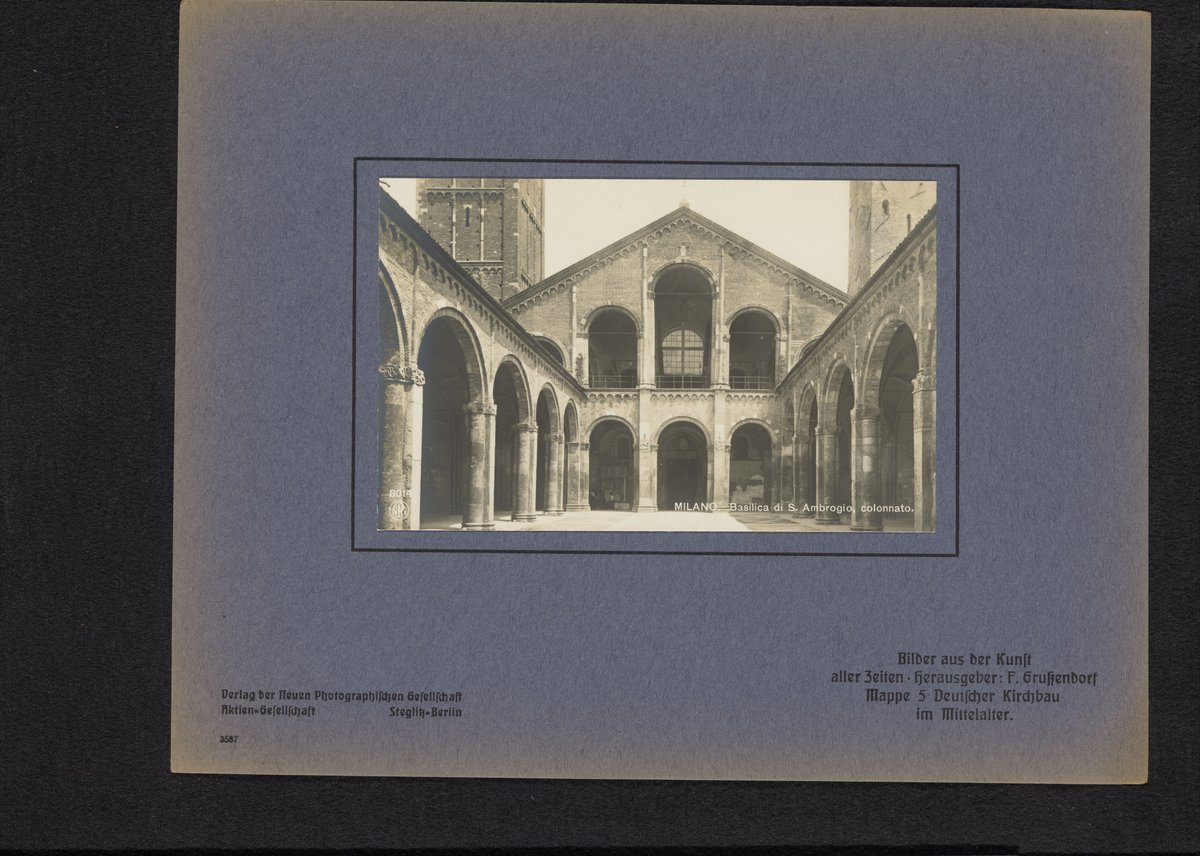
- Basilica di Sant’Ambrogio – One of Milan’s oldest churches.
- Porta Romana – The ancient city gate.
- Giardini Pubblici Indro Montanelli – A scenic public park.
Explore our related guides: Milan’s Historical Theaters, Top Cultural Venues in Milan.
Frequently Asked Questions (FAQs)
Q: What are the Teatro Carcano visiting hours?
A: The box office is open Monday–Friday 13:00–18:30, Saturday 11:00–18:30, and one hour before performances. Closed Sundays.
Q: How can I purchase tickets?
A: Tickets are available online via the official website or directly at the box office.
Q: Is the theater wheelchair accessible?
A: Yes, Teatro Carcano provides accessible seating and facilities.
Q: Are guided tours offered?
A: Guided tours may be available by prior arrangement or during special events. Check the official website for details.
Q: What is the best way to reach the theater?
A: Public transport is recommended due to limited parking. The nearest metro is Crocetta (MM3).
Listen to the full story in the app
The whole Teatro Carcano,
told well.
Audio guides for 1,100+ cities across 96 countries. History, stories, and local insight — offline ready.

Verified, and shown.
Researched and written by the Audiala editorial team from historical records, architectural archives, and local expertise.
Researched from Wikidata, Wikipedia & official sources · fact-checked · How we make our guides →