Introduction
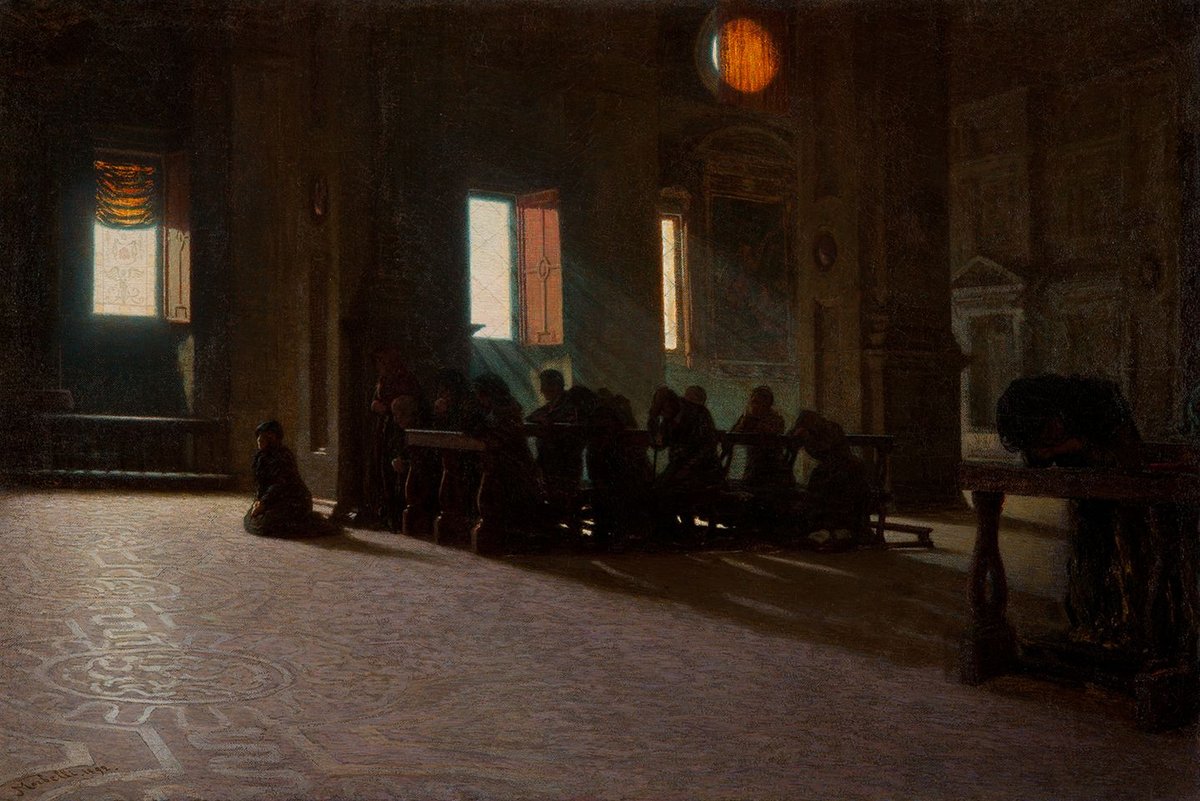
Santa Maria in Brera, in the heart of Milan’s Brera district, is a remarkable testament to the city’s religious, artistic, and cultural legacy. Though the original church has been deconsecrated and partially demolished, its legacy endures within the Palazzo Brera complex—home to the renowned Pinacoteca di Brera, Brera Academy of Fine Arts, Biblioteca Braidense, Astronomical Observatory, and the Brera Botanical Garden. This guide explores the site’s history, architecture, and visitor essentials—such as opening hours and ticketing—ensuring a rich and seamless experience for travelers, art lovers, and history enthusiasts alike.
For official planning resources and detailed updates, consult the Pinacoteca di Brera official website, Milanodavedere, and Architecture Lab.
Photo Gallery
Explore Santa Maria in Brera in Pictures

Foundations and Medieval Origins
Santa Maria in Brera’s origins date to the late 12th and early 13th centuries, when the Humiliati order established a church and monastery on land donated by Guercio da Baggio (wikiwand; en.wikipedia). The earliest record is a 1201 papal bull from Pope Innocent III (milanodavedere.it). The original Romanesque structure mirrored the Humiliati’s modest, functional values, and the church soon became central to what would evolve into Milan’s artistic Brera district (mominitaly.com).
Gothic Transformation and Renaissance Flourishing
In the mid-14th century, Pisan sculptor Giovanni di Balduccio transformed the church’s façade, adding a Gothic marble portal with alternating colored stripes and intricate details (wikiwand; milanodavedere.it). Inside, the church was adorned with frescoes and altarpieces by masters such as Giovanni da Milano, Vincenzo Foppa, and Bernardino Luini (en.wikipedia). Notable works included Foppa’s "Madonna of the Carpet," Zenale’s organ panels, and Bramantino’s perspective-rich organ doors (breraplus.org).
Jesuit Influence and Baroque Redesign
Following the suppression of the Humiliati, the Jesuits assumed control in 1572 during the Counter-Reformation, ushering in Baroque renovations under architect Francesco Maria Richini (milanodavedere.it). The church was adapted for Jesuit worship, and the adjacent palazzo expanded, shaping the cultural heart of the Brera district.
Napoleonic Deconsecration and Artistic Legacy
During Napoleonic rule in the early 19th century, the church was deconsecrated and much of it demolished, with surviving architectural elements dispersed to museums and other sites (wikiwand; en.wikipedia; milanodavedere.it; sdslingo.blogspot.com). Many original artworks were transferred to the Pinacoteca di Brera, which now houses masterpieces by Foppa, Luini, Zenale, and Bramantino (milantips.com; italia.it; breraplus.org). Other works found homes in the Museo della Scienza e Tecnologia and the Musée du Louvre.
Santa Maria in Brera’s Cultural Role
Santa Maria in Brera profoundly shaped the Brera district, fostering a vibrant nexus of spirituality, education, and arts. Its integration into the Palazzo Brera complex—now housing the Brera Academy, Biblioteca Braidense, and the Astronomical Observatory—highlights its enduring impact (italia.it; milanoexplorer.com).
Architectural Highlights
Evolution and Major Features
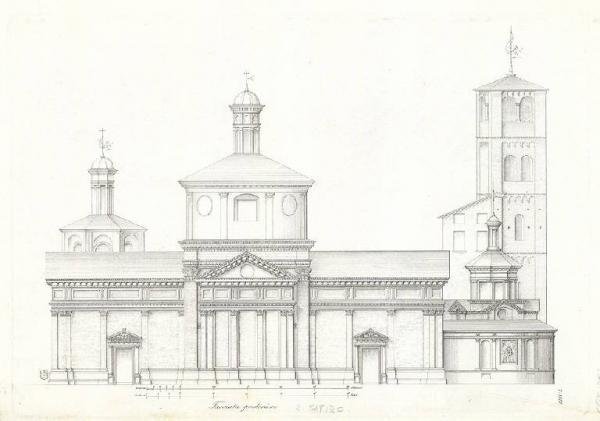
Santa Maria in Brera’s architecture reflects Milan’s transition from medieval monasticism through Baroque grandeur to Neoclassical elegance. The original Gothic arches and vaults were later complemented by Baroque chapels, and the 18th-century Neoclassical renovations by Giuseppe Piermarini brought symmetry and restraint (architecturelab.net).
Key Features:
- Courtyard: A Renaissance rectangular courtyard with arcaded loggias (Doric below, Ionic above) offers a serene focal point.
- Façade: Facing Via Brera, the main entrance exhibits Neoclassical refinement and Piermarini’s signature style.
- Grand Staircase: Designed by Piermarini, this monumental feature leads visitors to the Pinacoteca’s upper floors.
- Remnants of the Church: Surviving apse and nave sections reveal Gothic arches and fresco fragments.
- Astronomical Observatory & Botanical Garden: The 18th-century observatory and geometric botanical garden reflect the Enlightenment’s embrace of science and nature (architecturelab.net).
Artistic and Decorative Elements
- Canova’s Napoleon: The courtyard’s centerpiece is Antonio Canova’s bronze "Napoleon as Mars the Peacemaker" (1809), signifying Napoleonic influence.
- Frescoes and Stuccoes: Remaining fragments and ornate stuccowork in the academy’s spaces evoke the complex’s artistic heritage.
The Pinacoteca di Brera: Art in a Sacred Setting
The Pinacoteca’s collection, displayed in the former church and monastery, includes over 400 works on permanent view. Highlights include:
- Caravaggio’s “Supper at Emmaus”
- Piero della Francesca’s “Brera Madonna”
- Raphael’s “Marriage of the Virgin”
- Francesco Hayez’s “The Kiss”
The gallery’s integration with the historic architecture creates a contemplative and immersive art experience (Official Pinacoteca di Brera Website).
Visitor Information
Opening Hours
- Pinacoteca di Brera: Tuesday–Sunday, 8:30 AM–7:15 PM (last entry at 6:30 PM); closed Mondays and select holidays.
- Brera Botanical Garden & Biblioteca Braidense: Monday–Friday, 9:00 AM–6:00 PM; closed weekends and holidays.
Check the official website for current updates.
Tickets & Admission
- Pinacoteca di Brera: €15 standard; €13 reduced (EU citizens 18–25); free for children under 18 and on the first Sunday of each month.
- Botanical Garden: Free entry.
- Combined tickets and guided tours can be booked online or at the entrance.
Accessibility
The complex is wheelchair accessible, featuring ramps, elevators, and accessible restrooms. Some historic areas may have limited access; contact staff for assistance.
Guided Tours & Events
Regular guided tours are available for the Pinacoteca and Brera Academy; special events, exhibitions, and workshops are scheduled throughout the year (Official Brera Academy Website).
Getting There
- Address: Via Brera 28, Milan
- Metro: Line M2 (Lanza or Moscova stations)
- Tram/Bus: Several lines serve the Brera district
Practical Tips
- Photography: Allowed in most public areas (no flash or tripods).
- Best times: Early morning or late afternoon for fewer crowds and optimal light.
- Nearby Attractions: Teatro alla Scala, Sforza Castle, Via Monte Napoleone, Palazzo Citterio, Civic Aquarium of Milan.
Frequently Asked Questions (FAQ)
Q: Can I visit the original Santa Maria in Brera church?
A: The church is no longer in use, but its legacy lives on through preserved architectural elements and artworks in the Pinacoteca and cloisters.
Q: How do I buy tickets?
A: Purchase tickets online via the official website or at the venue; advance booking is recommended.
Q: Is the site accessible for wheelchair users?
A: Yes, most of the complex is accessible; some historic areas may have limitations.
Q: Are guided tours available?
A: Yes, for the Pinacoteca, Brera Academy, observatory, and garden. Check schedules in advance.
Q: Is the site suitable for families?
A: Yes, with engaging art, gardens, and family-friendly events.
Q: Are there combined tickets?
A: Yes, combined tickets and guided tours are offered for various Brera institutions.
Visual and Media Suggestions
- Use high-resolution images of the Pinacoteca façade, Canova’s Napoleon statue, the cloisters, key artworks, and the botanical garden.
- Alt tags: “Santa Maria in Brera visiting hours,” “Pinacoteca di Brera tickets,” “Milan historical sites.”
- Embed an interactive map of the Brera district and nearby attractions.
- Link to virtual tours if available.
Discover More
Santa Maria in Brera embodies Milan’s enduring spirit, bridging its medieval roots with its modern role as a nexus of art and culture. Today’s visitor can experience the echoes of Gothic arches, Renaissance masterpieces, a bustling academy, and tranquil gardens—all in a single, vibrant complex. By planning your visit around opening hours, ticketing, and accessibility, and exploring the wider Brera district, you’ll immerse yourself fully in Milan’s artistic heart.
Take the next step:
- Book your tickets via the Pinacoteca di Brera official website.
- Download the Audiala app for audio tours and insider tips.
- Follow us on social media for the latest updates and events.
- Explore more about Milan’s art, architecture, and culture through our related articles and guides.
Listen to the full story in the app
Your Personal Curator, in Your Pocket.
Audio guides for 1,100+ cities across 96 countries. History, stories, and local insight — offline ready.
Audiala App
Available on iOS & Android
Join 50k+ Curators
Sources
- verified
- verified
- verified
- verified
- verified
- verified
- verified
- verified
- verified
- verified
- verified
- verified
Last reviewed: