Introduction to Santa Maria della Sanità Church, Milan
Santa Maria della Sanità, located in the heart of Milan, is a remarkable testimony to the city’s religious devotion, Baroque architectural innovation, and enduring legacy of compassion. Founded in 1639, the church arose as a sanctuary in times of hardship and evolved under the stewardship of the Camillian Fathers, whose mission of caring for the sick shaped its identity (Santuari e Miracoli). The church is renowned for its rare elliptical nave and convex Baroque façade—features that make it unique among Milan’s sacred architecture (Santuaritaliani).
Santa Maria della Sanità is also a center of Marian devotion and an important site for the Maronite Catholic community, reflecting Milan’s multicultural religious landscape (milanodavedere.it; orarisantemesseoggi.it). Visitors are welcomed to admire its marble altars, frescoes by Pietro Maggi, and devotional artworks, all set within an inviting, wheelchair-accessible environment on Via Durini—just steps away from major Milanese attractions such as Teatro alla Scala and the Brera district (gpsmycity.com).
Whether your interest is architecture, spirituality, or cultural history, this guide will provide comprehensive insights into Santa Maria della Sanità’s past, its artistic treasures, practical visitor information, and tips for exploring nearby sights.
Photo Gallery
Explore Santa Maria Della Sanità Church in Pictures
Discover Santa Maria della Sanità: A Hidden Gem
Santa Maria della Sanità is a lesser-known yet profoundly significant church in Milan, offering an immersive experience of Baroque architecture, artistic devotion, and a centuries-old commitment to charity. Its tranquil atmosphere and central location make it an ideal spot for reflection and exploration within the city’s vibrant cultural tapestry.
Origins and Early Foundations
The church was established in 1639, dedicated to “Salute” (Health) in response to the community’s need for spiritual and physical protection during turbulent times (Santuari e Miracoli). The original structure, though modest, laid the foundation for the sanctuary's future role as a center of compassion and healing.
The Camillian Order and Transformation
A turning point came in 1694, when the Camillian Fathers—an order founded by Saint Camillus de Lellis and recognized for their ministry to the sick—were entrusted with the church. Architect Giovan Battista Quadrio and Carlo Federico Pietrasanta were commissioned to design a new sanctuary, resulting in a space that reflected both spiritual warmth and the Camillian mission of caring for the vulnerable (Santuaritaliani).
Architectural Features and Artistic Heritage
Baroque Design and Unique Elements
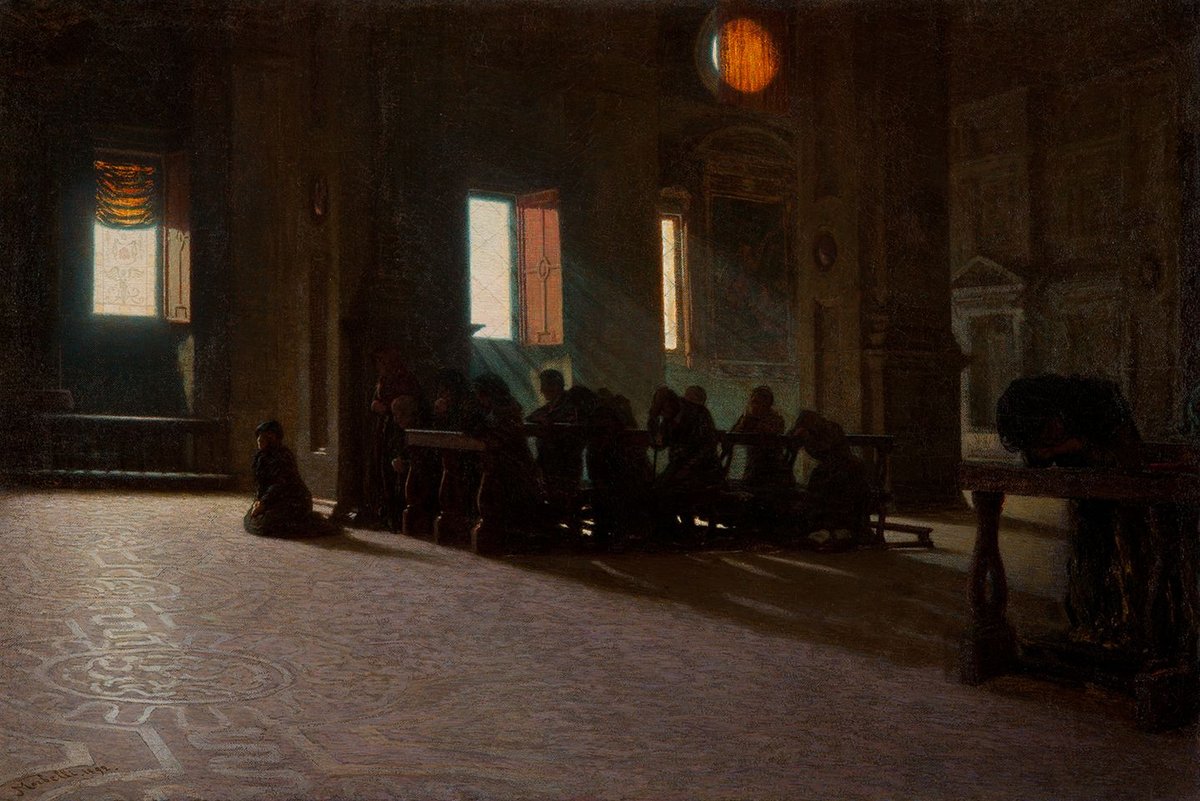
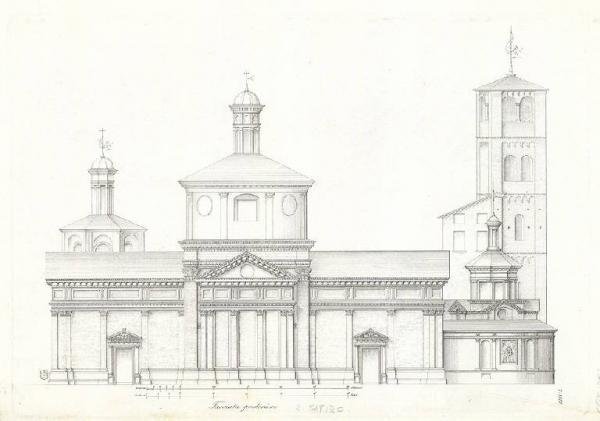
Santa Maria della Sanità is distinguished by its elliptical nave and convex façade—rare features for Milanese churches (Santuaritaliani). The church’s unfinished brickwork façade and harmonious oval interior create a sense of intimacy, ideal for contemplation.
Artistic Treasures
- High altar (1713): Crafted from black Varenna marble and red French marble, with a marble balustrade added in 1724.
- Altarpiece: Houses a 16th-century painting—likely a copy of Raphael’s “Madonna del Baldacchino” and attributed to Cesare Magni, a follower of Leonardo’s school.
- Frescoes: The vault was frescoed by Pietro Maggi in 1717.
- Chapels: The Chapel of Saint Camillus de Lellis features polychrome marble and gilded bronze; the Chapel of Saint Joseph was completed in 1760 (Santuaritaliani).
Saint Camillus de Lellis and the Camillians
Saint Camillus is celebrated for his pioneering approach to hospital care and commitment to the dignity of the sick. His legacy is alive in the church’s ongoing mission and the Camillian presence, which continues to inspire acts of charity and faith in Milan (Santuari e Miracoli).
Ex Voto and Devotional Practices
Santa Maria della Sanità houses a poignant collection of ex voto—offerings of gratitude for perceived miracles or blessings. These tokens, found especially near the Madonna and Child statue, provide a tangible link to the faith and hopes of Milanese generations (Santuari e Miracoli).
Decline, Restoration, and Modern Legacy
After a period of decline and closure from 1966 to 1985, the church underwent significant restoration and reopened in 1996, preserving its architectural and spiritual heritage (Santuaritaliani).
Today, it serves the Maronite Catholic community, hosting Masses and events that reflect Milan’s evolving social fabric (it.wikipedia.org). Its multicultural role is exemplified by services in Siro-Aramaic and Italian and devotions to St. Charbel.
Location, Accessibility, and Visitor Information
- Address: Via Durini, 20, central Milan (Santuari e Miracoli)
- Accessibility: Wheelchair accessible with entrance ramps.
- Transport: Easily reached via Metro Line 3 (“Montenapoleone” station), with nearby tram and bus connections (ATM Milano).
Visiting Hours, Tickets, and Tours
- Opening Hours: Monday–Saturday: 9:00 AM–6:00 PM; Sunday: 10:00 AM–5:00 PM
- Tickets: Free admission; donations appreciated.
- Guided Tours: Available on weekends and public holidays; book via Milan’s official tourism website or at the church’s desk.
- Special Events: Concerts and religious celebrations held throughout the year.
Note: For up-to-date schedules and events, consult orarisantemesseoggi.it.
Nearby Attractions and Travel Tips
- Landmarks: Teatro alla Scala, Brera district, Piazza del Duomo, San Maurizio al Monastero Maggiore, Galleria Vittorio Emanuele II (gpsmycity.com).
- Navigli District: For a cultural stroll, combine your visit with Milan’s scenic canals, artisan shops, and the Museo Diocesano di Milano (Museo Diocesano).
- Travel Tips: Use public transport; limited parking nearby. Weekday mornings or late afternoons offer a quieter visit.
Frequently Asked Questions (FAQ)
Q1: What are the visiting hours?
A1: Monday–Saturday 9:00 AM–6:00 PM; Sunday 10:00 AM–5:00 PM.
Q2: Is there an entrance fee?
A2: No, entry is free.
Q3: Are guided tours available?
A3: Yes, on weekends and holidays; book in advance.
Q4: Is the church wheelchair accessible?
A4: Yes, with main entrance ramps.
Q5: What attractions are nearby?
A5: Teatro alla Scala, Brera district, Piazza del Duomo, and the Navigli district.
Q6: Can I take photographs?
A6: Yes, except during religious services and in restricted areas.
Q7: How can I reach the church by public transport?
A7: Metro Line 3 (“Montenapoleone” station) and various tram/bus lines (ATM Milano).
Listen to the full story in the app
Your Personal Curator, in Your Pocket.
Audio guides for 1,100+ cities across 96 countries. History, stories, and local insight — offline ready.
Audiala App
Available on iOS & Android
Join 50k+ Curators
Sources
- verified
- verified
- verified
- verified
- verified
- verified
- verified
- verified
- verified
Last reviewed: