Introduction
Nestled in the heart of Milan, Santa Maria alla Scala weaves together centuries of religious devotion, aristocratic legacy, and artistic innovation. Founded in the late 14th century by Beatrice Regina della Scala, this Gothic church stood as a testament to Milan’s medieval grandeur before its transformation into the world-renowned Teatro alla Scala. Today, the site’s enduring legacy continues through the celebrated opera house and its museum, offering visitors a journey into Milan’s layered history and vibrant cultural scene (Wikipedia; Museo Scala; Study.com). This guide provides detailed insights into the origins, architectural evolution, visitor information, and tips for experiencing one of Milan’s most iconic sites.
Photo Gallery
Explore Santa Maria Alla Scala in Pictures
Origins and Foundation of Santa Maria alla Scala
Santa Maria alla Scala was established in 1381 by Beatrice Regina della Scala, wife of Bernabò Visconti. Built on the ruins of the Della Torre family’s palace—destroyed during the early 14th-century power struggles—the church was intended as a symbol of both spiritual and dynastic continuity. It was consecrated in 1385 and became a collegiate church under the Visconti, serving as a significant religious and social center for the city’s elite (Wikipedia).
Architectural Evolution
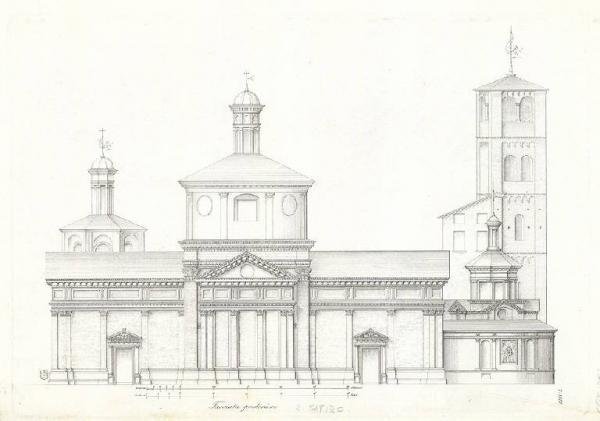
Constructed in the Lombard Gothic style, Santa Maria alla Scala featured a rectangular nave, pointed arches, ribbed vaults, and tall stained-glass windows. The church’s grandeur reflected the prevailing architectural trends and the influence of Milan’s ruling families. Over time, it received further endowments and enhancements, gaining prominence as a royal chapel under Spanish rule in the 17th century (Wikipedia).
Demolition and Transformation into Teatro alla Scala
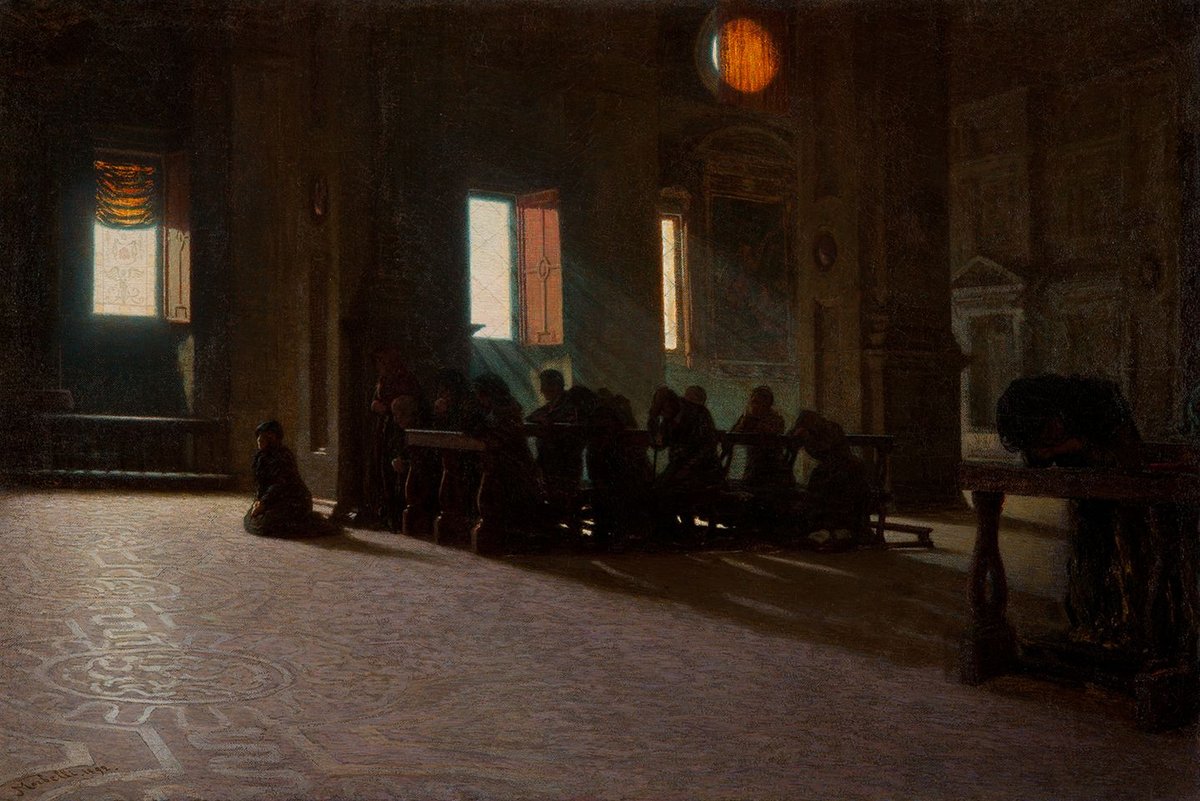
The church’s fate shifted in 1776 when the Teatro Regio Ducale, Milan’s main opera house, was destroyed by fire. Empress Maria Theresa of Austria authorized the construction of a new theater on the site of Santa Maria alla Scala. The church was deconsecrated and demolished, and significant relics and artworks were transferred to San Fedele. Architect Giuseppe Piermarini’s neoclassical Teatro alla Scala opened in 1778, with its name honoring the church’s founder and maintaining a link to Milan’s past (Museo Scala; Study.com).
Architectural Legacy and Modern Transformations
Piermarini’s design introduced a restrained neoclassical façade, harmonizing with the cityscape and concealing a lavish interior celebrated for its acoustics and grandeur. La Scala’s horseshoe-shaped auditorium and opulent decorations set new standards for opera houses worldwide. The theater has endured multiple renovations, including post-WWII reconstruction and 21st-century expansions by architect Mario Botta, ensuring its continued relevance and technical excellence (Google Arts & Culture).
Visiting Information
Visiting Hours
- Museo Teatrale alla Scala: Open Tuesday to Sunday, 10:00 AM – 5:30 PM (last entry 5:00 PM). Closed Mondays and select holidays. Always verify times on the official website.
- Teatro alla Scala Guided Tours: Available daily from 9:00 AM – 5:30 PM, with last admission at 4:30 PM. Performance schedules and access may affect tour availability.
Tickets
- Museum Entry: €12–€15, with concessions for students, seniors, and children.
- Guided Tours: Start from €14. Combined tickets with nearby attractions (like the Duomo) are also available.
- Performances: Ticket prices range from €30 (upper gallery) to over €500 (prime seats). Book early for high-demand shows (Pourquoi Pas Nous; Cestee).
- Purchasing: Buy online via the official site, or at the box office.
Guided Tours and Museum
Tours are offered in multiple languages and typically last 60 minutes, covering the museum, foyer, and selected parts of the auditorium. Specialized workshops and behind-the-scenes access may be available (nationaltraveller.com).
Accessibility
La Scala is fully accessible, with step-free entrances, elevators, and reserved seating. Accessible restrooms and assistive listening devices are provided upon request. For specific needs, contact the theater in advance (Visit Italy).
Getting There
- Address: Via Filodrammatici, 2, 20121 Milano MI, Italy.
- Metro: Duomo station (Lines M1 and M3), a short walk via Galleria Vittorio Emanuele II.
- Tram and Bus: Numerous lines serve the area.
- Nearby Sites: Duomo di Milano, Galleria Vittorio Emanuele II, Sforza Castle, Brera Art Gallery (Italy Tourist Information).
Cultural Significance
The transformation of Santa Maria alla Scala into La Scala opera house encapsulates Milan’s transition from medieval power center to modern cultural metropolis. La Scala has hosted world premieres by Verdi, Puccini, Bellini, and Rossini, and performances by icons like Maria Callas and Luciano Pavarotti. Its annual season opening on December 7 (Saint Ambrose’s Day) is a highlight of the Milanese calendar (YesMilano; Traditional Culture Blog).
Frequently Asked Questions (FAQ)
Q: What are the museum visiting hours?
A: Tuesday to Sunday, 10:00 AM – 5:30 PM (last entry 5:00 PM). Closed Mondays and select holidays.
Q: How do I buy tickets for La Scala?
A: Tickets can be purchased online via the official website or at the box office.
Q: Is La Scala accessible for disabled visitors?
A: Yes, with step-free access, elevators, and reserved seating.
Q: Are guided tours available?
A: Yes, in multiple languages. Booking in advance is recommended.
Q: What should I wear to a performance?
A: Elegant attire is encouraged; avoid jeans, shorts, or sportswear.
Q: Can I take photos inside?
A: Photography is permitted in the museum and public areas, but not during performances.
Visual Gallery
- [Historic illustration of Santa Maria alla Scala church (alt: "Historic Santa Maria alla Scala church in Milan")]
- [Facade of Teatro alla Scala in Milan (alt: "Exterior of Teatro alla Scala")]
- [Interior view of Teatro alla Scala auditorium (alt: "La Scala auditorium Milan")]
- [Costumes and set designs at Museo Teatrale alla Scala (alt: "Museo Teatrale alla Scala exhibits")]
Exploring More: Related Milan Attractions
Combine your visit to La Scala with other Milanese highlights for a comprehensive cultural experience:
- Duomo di Milano: Iconic Gothic cathedral.
- Galleria Vittorio Emanuele II: Historic shopping gallery.
- Sforza Castle: Renaissance fortress with museums.
- Brera Art Gallery: Masterpieces of Italian art (travelsetu.com).
Explore our guides on [Milan Cathedral visiting hours and tickets], [Top Milan historical sites], and [Milan’s best museums].
Plan Your Visit
- Book tickets and tours early—especially during opera season.
- Check official websites for current hours, events, and accessibility updates.
- Dress appropriately for performances.
- Download the Audiala app for guided audio tours, ticket booking, and up-to-date event information.
- Combine your visit with Milan’s other top sites for a full day of exploration.
Listen to the full story in the app
Your Personal Curator, in Your Pocket.
Audio guides for 1,100+ cities across 96 countries. History, stories, and local insight — offline ready.
Audiala App
Available on iOS & Android
Join 50k+ Curators
Sources
- verified
- verified
- verified
- verified
- verified
- verified
- verified
- verified
- verified
- verified
Last reviewed: