Introduction
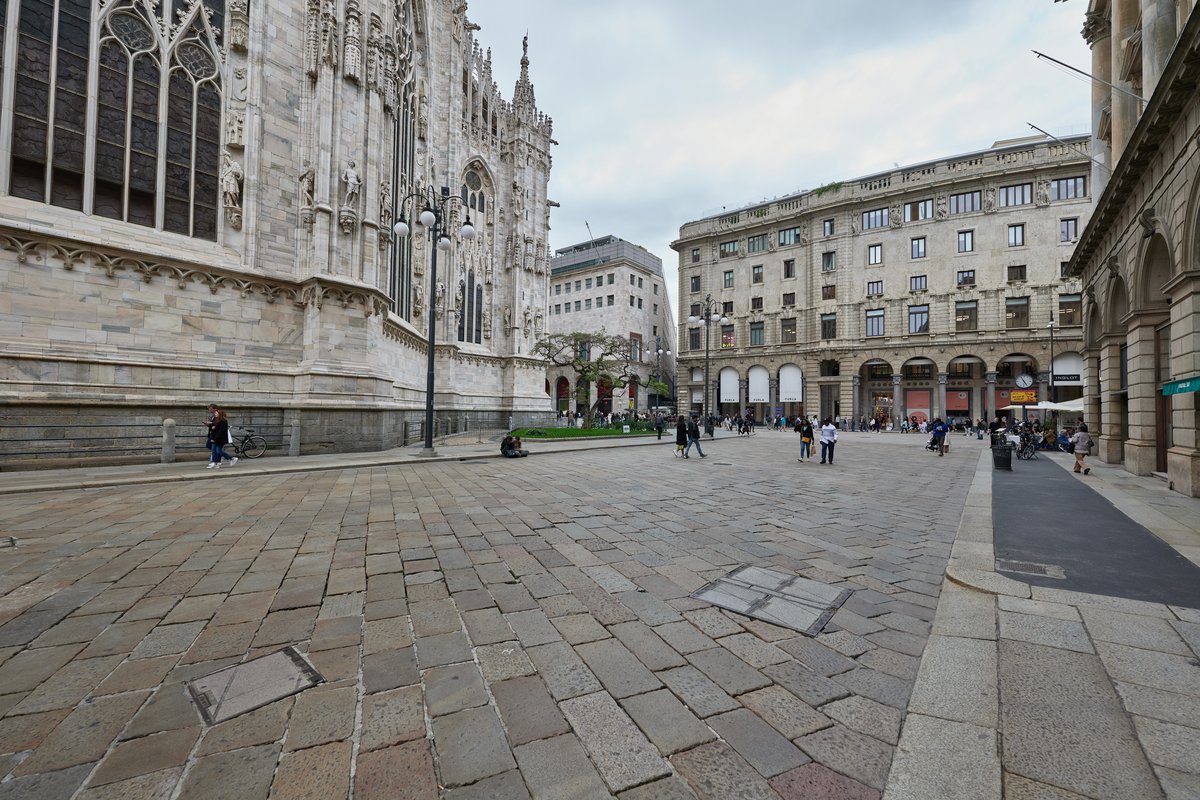
San Carlo al Corso is a magnificent neoclassical basilica at the heart of Milan, representing the city’s rich spiritual, architectural, and cultural legacy. Located on Corso Vittorio Emanuele II, just steps from the iconic Duomo di Milano, it is both a vibrant house of worship and a testament to Milan’s 19th-century urban and artistic ambitions. This guide delivers all the essential information for your visit, covering the church’s history, architectural highlights, visiting hours, ticket info, accessibility, guided tours, and practical travel tips. Whether you are a history enthusiast, art lover, or spiritual seeker, San Carlo al Corso is a must-visit among Milan historical sites.
Origins and Early History
San Carlo al Corso stands on the site of the former medieval church of Santa Maria de’ Servi, established in 1317 by the Servite Order. The area was historically significant as a spiritual and social axis, linking the Duomo to the eastern gate of Milan. By the early 19th century, urban renewal efforts led to the demolition of Santa Maria de’ Servi, paving the way for a new basilica that would reflect Milan’s evolving identity (San Carlo al Corso – Arte e Storia).
Neoclassical Vision and Construction
The construction of San Carlo al Corso began in 1839, under the direction of architect Carlo Amati. Designed as a tribute to Saint Charles Borromeo—Milan's beloved 16th-century archbishop and Counter-Reformation leader—the church was completed in 1847. Amati’s vision was inspired by the Roman Pantheon, resulting in a circular plan, grand granite colonnade, and a massive dome measuring 32 meters in diameter, making it one of Milan’s largest (BeWeb).
Key Architectural and Artistic Features
San Carlo al Corso is celebrated as a high point of Italian Neoclassicism. Its monumental façade features sixteen Corinthian columns supporting a triangular pediment, while the drum and dome, punctuated by large windows, flood the interior with natural light. The basilica’s circular nave, encircled by red granite columns, is adorned with frescoes and sculptures depicting the life of Saint Charles Borromeo and other saints. Notable artworks include the “Glory of San Carlo” fresco by Angelo Inganni and a wooden crucifix by Pompeo Marchesi (Milanoguida).
The basilica also preserves artifacts from its predecessor, including a statue of the Madonna of Sorrows and the tomb of Blessed Giovanni Angelo Porro, making it a living repository of Milanese faith and tradition (Wikipedia).
Dedication and Spiritual Significance
San Carlo al Corso is dedicated to Saint Charles Borromeo, canonized in 1610 for his leadership during the Counter-Reformation and compassionate response to plague outbreaks. The church’s construction was an act of gratitude for the end of a 19th-century cholera epidemic, underscoring its role as a symbol of hope and community resilience (Italyscapes). The Servite Order, active on this site since the 13th century, continues to serve the parish and maintain the church’s spiritual vitality.
Liturgically, San Carlo al Corso is a vibrant center for daily Mass, sacraments, and major feasts—especially the November 4th celebration of its patron saint, which draws pilgrims from across the region. The basilica’s chapels, relics, and artistic treasures provide a deeply evocative setting for prayer and reflection (Milanoguida).
Visitor Information
Visiting Hours & Admission
- Typical Hours: Daily from 7:30 AM to 12:00 PM and 3:00 PM to 7:00 PM (may vary during religious services or holidays).
- Admission: Free of charge; donations are appreciated to support maintenance and restoration (Arte.it).
Tip: For the most current visiting hours and liturgical schedules, consult the official website or contact the parish directly.
Location & Accessibility
- Address: Corso Vittorio Emanuele II, Milan, Italy
- Public Transport: Easily reached via the San Babila Metro station (Lines M1 and M4), with multiple tram and bus lines nearby.
- Accessibility: The church is wheelchair accessible, with step-free entrances and accessible restrooms. Milan’s city center is pedestrian-friendly, ensuring easy access for all visitors (About Milan).
Guided Tours & Special Events
- Guided Tours: Available through the Servite Order and local agencies, offering in-depth insights into the basilica’s art, architecture, and history.
- Special Events: Notably, the feast of San Carlo (November 4th) features processions, concerts, and special liturgies. The church also hosts exhibitions and choral performances, leveraging its excellent acoustics (Milanoguida).
Travel Tips & Nearby Attractions
- Best Times to Visit: Weekday mornings offer quieter conditions and optimal lighting for photography. Avoid peak shopping times and holidays for a more contemplative visit.
- Dress Code: Modest attire is required; shoulders and knees must be covered.
- Photography: Allowed in most areas outside of Mass; use of flash and tripods is discouraged.
- Nearby Landmarks: The basilica’s central location places it within walking distance of the Duomo di Milano, Galleria Vittorio Emanuele II, Teatro alla Scala, and other major sites.
- Amenities: No public restrooms inside the church, but facilities are available in nearby cafés and shopping centers.
Visitor Experience & Etiquette
San Carlo al Corso offers a tranquil and uplifting experience for visitors. The harmonious blend of neoclassical architecture, luminous interiors, and sacred artworks create an atmosphere of reverence and reflection. Visitors should remain respectful during services, maintain silence, and refrain from using mobile devices or disruptive behavior inside the basilica.
Accessibility Note: The surrounding area is level and suitable for wheelchairs and strollers, but contacting the parish in advance is recommended for specific needs.
Frequently Asked Questions (FAQ)
Q: What are the opening hours of San Carlo al Corso?
A: Generally 7:30 AM–12:00 PM and 3:00 PM–7:00 PM, but check ahead as schedules can change during holidays or special events.
Q: Is there an admission fee or tickets required?
A: No; entry is free. Donations are welcome.
Q: Is San Carlo al Corso accessible for visitors with disabilities?
A: Yes, the church is wheelchair accessible and located in a pedestrian-friendly zone.
Q: Are guided tours available?
A: Yes, tours can be arranged through the parish or local agencies, and many city walking tours include the church.
Q: Can I take photographs inside?
A: Yes, but flash and tripods are discouraged. Be mindful of ongoing services.
Q: What is the best time to visit?
A: Weekday mornings are typically quieter for sightseeing and photography.
Q: How do I get there using public transport?
A: San Babila Metro station (M1/M4 lines) is a few minutes’ walk; trams and buses also serve the area.
Listen to the full story in the app
Your Personal Curator, in Your Pocket.
Audio guides for 1,100+ cities across 96 countries. History, stories, and local insight — offline ready.
Audiala App
Available on iOS & Android
Join 50k+ Curators
Sources
- verified
- verified
- verified
- verified
- verified
- verified
- verified
Last reviewed: