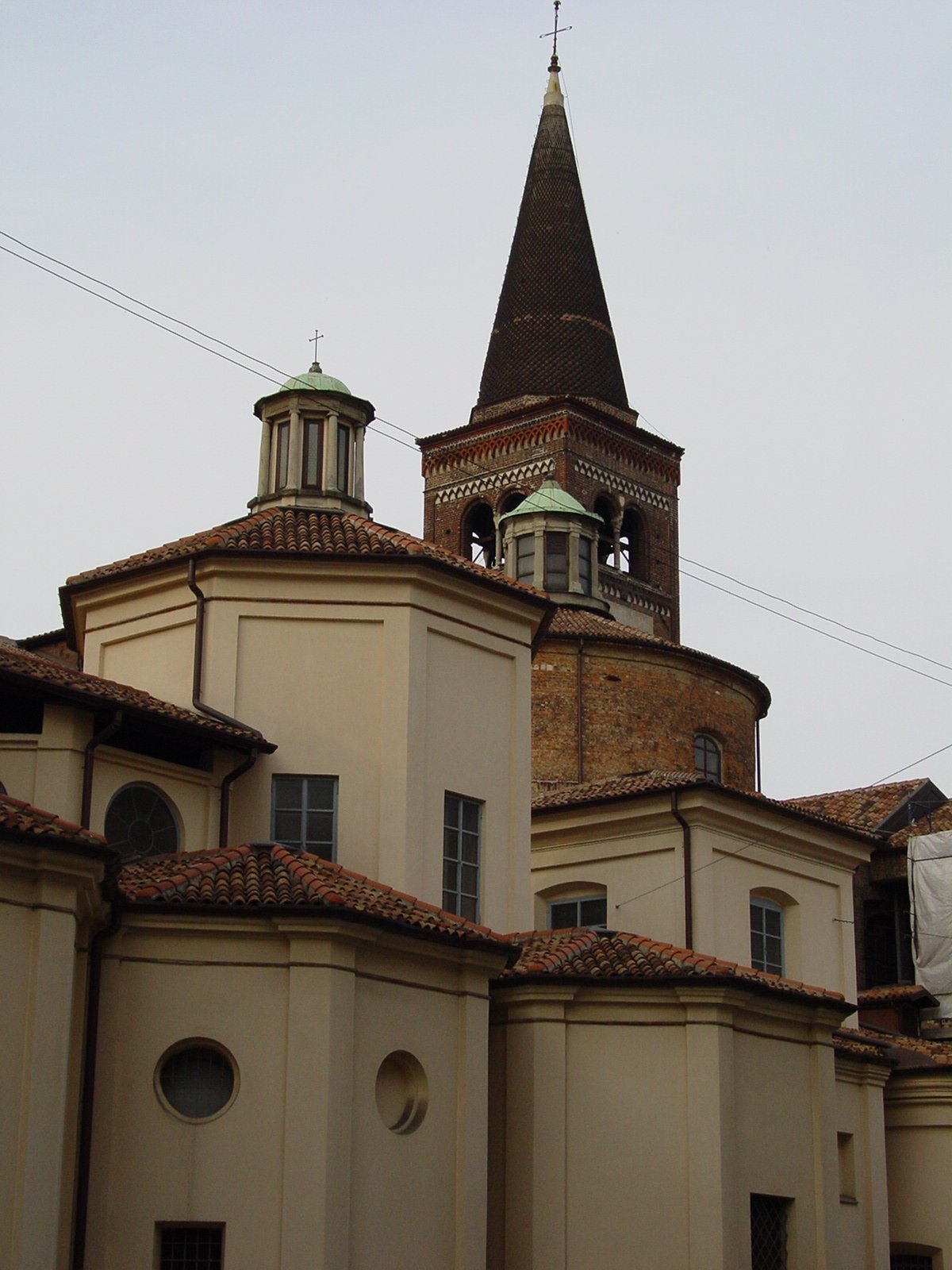
Introduction: The Royal Villa of Milan—History and Importance
Located in the heart of Milan, the Royal Villa of Milan—also known as Villa Reale di Milano or Villa Belgiojoso Bonaparte—is a distinguished symbol of the city's aristocratic past and architectural excellence. Commissioned in the late 18th century by Count Ludovico Barbiano di Belgiojoso and designed by Leopoldo Pollack, the villa is a quintessential example of Neoclassical architecture. Its design beautifully reflects Enlightenment principles of symmetry, rationality, and harmony with nature. Over the centuries, Villa Reale has served not only as a noble residence, including housing Napoleonic dignitaries such as Joachim Murat and Caroline Bonaparte, but also as a hub of Milanese political and cultural life.
Today, Villa Reale hosts the Galleria d’Arte Moderna (Gallery of Modern Art), presenting an extensive collection of Italian and European art from the 18th to 20th centuries. Visitors can explore lavishly decorated interiors—with frescoes, stuccoes, and works by renowned artists such as Antonio Canova—and stroll through the villa’s tranquil English-style gardens. This guide provides essential information on the villa’s history, architecture, visiting hours, ticketing, accessibility, and travel tips to ensure a memorable visit for all enthusiasts of art, architecture, and history (Fondazione Nicola Trussardi; lionsinthepiazza.com; Eventi a Milano).
Photo Gallery
Explore Royal Villa of Milan in Pictures
Origins and Architectural Genesis
Villa Reale, or Villa Belgiojoso Bonaparte, was constructed between 1790 and 1796 as the vision of Count Ludovico Barbiano di Belgiojoso and architect Leopoldo Pollack, a leading figure in Milanese Neoclassicism. The villa was erected on the site of former monasteries, merging Milan's layered history with a forward-looking architectural style (Fondazione Nicola Trussardi; Eventi a Milano).
Enlightenment Influence and Artistic Vision
The villa’s interiors were developed in collaboration with Giuseppe Parini, an Enlightenment poet and intellectual, who emphasized rational elegance and harmony. The result is a succession of rooms adorned with intricate stuccoes, frescoes, and marbles, embodying the cultural aspirations of the Milanese aristocracy (Fondazione Nicola Trussardi).
Napoleonic Era and Royal Connections
After the death of its original owner, the villa became a residence for important Napoleonic figures, notably Joachim Murat and Caroline Bonaparte. This era established the villa as a center for political and social gatherings, and its name—Villa Belgiojoso Bonaparte—reflects this prestigious connection (Fondazione Nicola Trussardi).
19th and 20th Century Transformations
Throughout the 19th century, the villa continued as a residence for aristocrats and dignitaries. Its English-style gardens, designed by Piermarini, became notable for their innovative landscape integration. The City of Milan acquired the villa in the early 20th century, and after restoration, it became the permanent home of the Galleria d’Arte Moderna (Eventi a Milano).
Architectural and Artistic Significance
Villa Reale is lauded as a masterpiece of Neoclassical architecture. Pollack’s design features a stately façade, grand portico, and elegantly proportioned rooms. The piano nobile (main floor) was historically used for grand gatherings and now displays major works from the 19th and 20th centuries (Fondazione Nicola Trussardi). The collection includes pieces by Antonio Canova and showcases the evolution from Neoclassicism to Modernism.
Visiting Villa Reale Milan: Hours, Tickets, and Tips
Opening Hours:
Tuesday–Sunday: 10:00 AM – 5:30 PM
Closed Mondays and select public holidays. Check the official museum website for updates.
Tickets:
Standard admission is approximately €10. Discounts available for students, seniors, and groups. Children under 18 and certain professionals may enter free. Combined tickets with the Padiglione d’Arte Contemporanea are also available. Online booking is recommended to avoid queues.
Accessibility:
The villa is fully accessible with ramps, elevators, and staff assistance where needed.
Guided Tours & Events:
Guided tours in Italian and English are offered and can be booked in advance. The villa’s calendar features special exhibitions, cultural events, lectures, and concerts.
Nearby Attractions:
Within walking distance are the Brera District, Milan Cathedral, Sempione Park, and the Giardini Pubblici Indro Montanelli.
Photography:
Non-flash photography is permitted in most areas; restrictions may apply for temporary exhibitions.
Practical Tips:
- Visit on weekday mornings for fewer crowds.
- Allocate 1–2 hours for the museum and gardens.
- The villa is easily reached via metro (Porta Venezia or Palestro stations) and tram lines.
- Facilities include a cloakroom, bookshop, accessible restrooms, and a café.
Villa Reale in Contemporary Culture
The villa remains a dynamic cultural hub, home to over 2,700 works. Its gardens provide a peaceful retreat, while its ongoing programming of exhibitions and events cements its role in Milan’s cultural scene (Eventi a Milano; Fondazione Nicola Trussardi).
Frequently Asked Questions (FAQ)
Q: What are the visiting hours?
A: Tuesday to Sunday, 10:00 AM – 5:30 PM; closed Mondays.
Q: How can I buy tickets?
A: Purchase online at the official website or at the entrance.
Q: Is the villa wheelchair accessible?
A: Yes, with ramps and elevators.
Q: Are guided tours available?
A: Yes, in Italian and English; advance booking is advised.
Q: Can I visit the gardens without a ticket?
A: Access to the private gardens is included with your museum ticket.
Q: What other attractions are nearby?
A: The Brera District, Milan Cathedral, Sempione Park, and Giardini Pubblici Indro Montanelli.
Listen to the full story in the app
Your Personal Curator, in Your Pocket.
Audio guides for 1,100+ cities across 96 countries. History, stories, and local insight — offline ready.
Audiala App
Available on iOS & Android
Join 50k+ Curators
Sources
- verified
- verified
- verified
- verified
- verified
Last reviewed: