
History
Origins and Construction
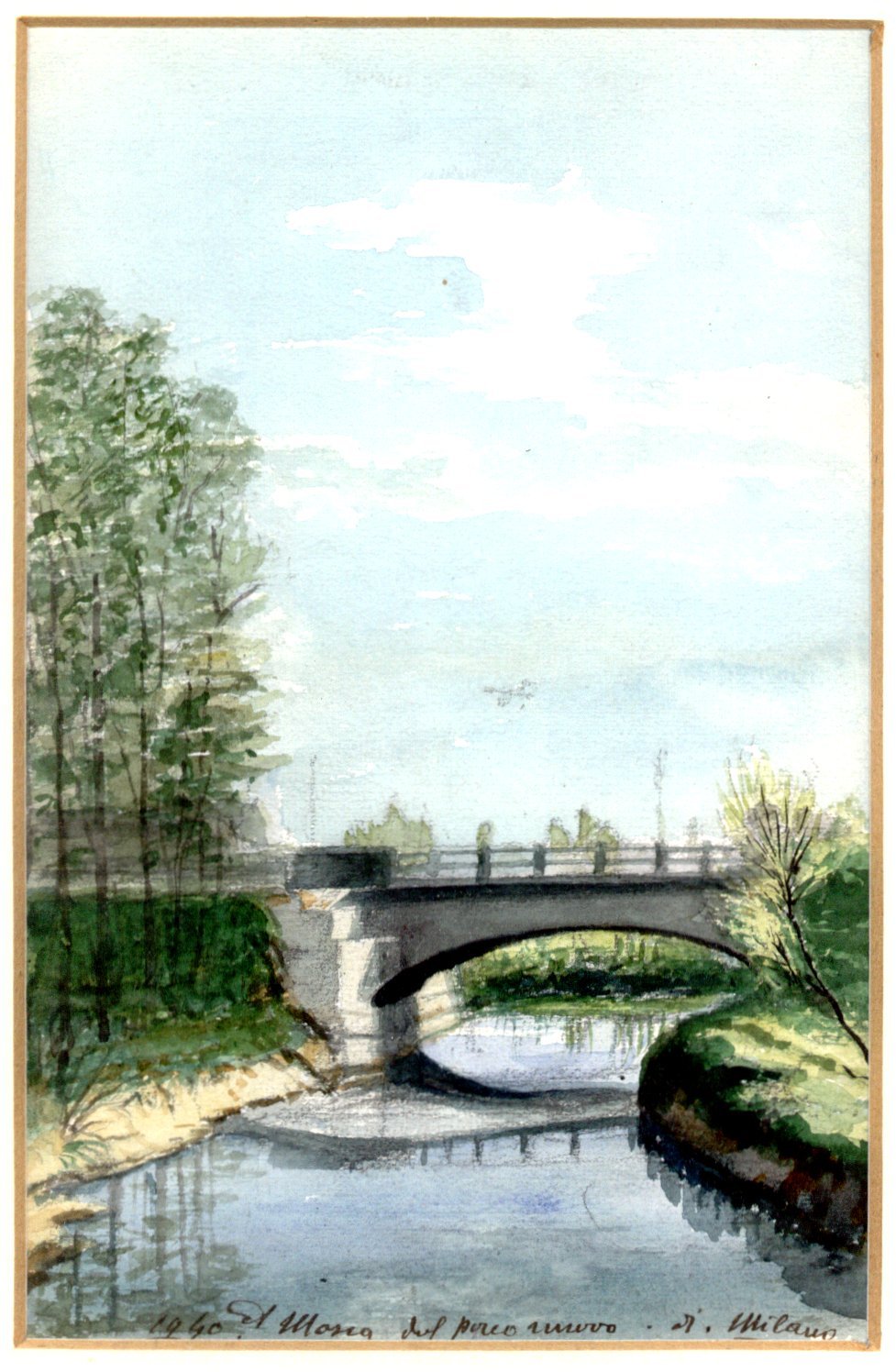
The Ponte delle Sirenette was originally constructed in 1842 and is renowned for its distinctive cast-iron mermaid statues. Designed by engineer Francesco Tettamanzi, it was initially situated in Parco Sempione in Milan. It aimed to enhance the park's aesthetic appeal and provide a picturesque crossing over the Naviglio canal.
Relocation to Monza
In 1930, the bridge was relocated to its current position in Monza's Parco di Monza. This move aimed to preserve the bridge and integrate it into Monza's expanding urban landscape. The relocation was meticulously planned to maintain the bridge's structural integrity and artistic elements, influenced by the need to accommodate Milan's growing traffic and protect the bridge from potential damage.
Architectural Significance
The Ponte delle Sirenette is an exemplary piece of 19th-century cast-iron architecture, reflecting the neoclassical style prevalent during its construction period. The four mermaid statues, crafted by sculptor Giovanni Battista Perabò, are particularly noteworthy, symbolizing the connection between the bridge and the waterway it spans.
Cultural Impact
Over the years, the Ponte delle Sirenette has become a cultural icon in Monza. It is not only a functional piece of infrastructure but also a symbol of the city's rich history and artistic heritage. The bridge has been featured in numerous works of art, literature, and photography, further cementing its status as a cultural landmark. Local folklore and legends have also grown around the bridge, adding to its mystique and allure.
Preservation Efforts
The preservation of the Ponte delle Sirenette has been a priority for local authorities and heritage organizations. In recent years, the bridge has undergone several restoration projects to address wear and tear and ensure its longevity. These efforts have included cleaning and repairing the ironwork, reinforcing the bridge's structural components, and applying protective coatings to prevent corrosion. The restoration projects have been guided by principles of historical accuracy and respect for the bridge's original design.
Visitor Information
Visiting Hours
The Ponte delle Sirenette is accessible to visitors throughout the year. Typically, Parco di Monza is open daily from 7:00 AM to 8:00 PM, but hours can vary seasonally.
Tickets
Entrance to Parco di Monza and the Ponte delle Sirenette is generally free. However, special events or guided tours may require a ticket. It's advisable to check the Monza Tourism website for the latest information.
Accessibility
The bridge and park are accessible to visitors with disabilities, ensuring everyone can enjoy this historic landmark.
Travel Tips
How to Get There
Monza is easily accessible by train and car. From Milan, take a regional train to Monza station, then a short bus or taxi ride will bring you to Parco di Monza.
Best Times to Visit
Spring and autumn are ideal for visiting when the weather is pleasant, and the park's natural beauty is at its peak.
Nearby Attractions
While visiting the Ponte delle Sirenette, explore other attractions in Parco di Monza, such as the Royal Villa of Monza and its beautiful gardens.
Special Events and Guided Tours
Parco di Monza often hosts special events, and guided tours of the park and the Ponte delle Sirenette are available. These tours provide in-depth insights into the bridge's history and significance.
Photographic Spots
The Ponte delle Sirenette offers numerous picturesque spots for photography, particularly around the mermaid statues and the serene waterway it spans. Early morning or late afternoon light provides the best conditions for capturing stunning images.
FAQ
What are the visiting hours for Ponte delle Sirenette? The bridge is accessible during Parco di Monza's opening hours, typically from 7:00 AM to 8:00 PM.
Are there guided tours available for Ponte delle Sirenette? Yes, guided tours are available and can provide in-depth historical insights.
Is there an entrance fee for Ponte delle Sirenette? Entrance is generally free, but special events or tours may require a ticket.

