Introduction: The Legacy of the Pinacoteca di Brera
Located in Milan’s historic Brera district, the Pinacoteca di Brera is widely regarded as one of Italy’s most important and influential art museums. Founded in the late 18th century within the neoclassical Palazzo Brera, its origins are tied to Milan’s intellectual and artistic renaissance under Empress Maria Theresa of Austria, who established the Accademia di Belle Arti di Brera in 1776. Originally intended to foster artistic education through a curated collection of masterpieces, the museum has grown into a custodian of Italian and European cultural heritage, attracting visitors from around the globe (Pinacoteca Brera Official).
The transformation of Brera into a national gallery during the Napoleonic era helped centralize significant works of art in Milan, reinforcing its status as a cultural capital. Today, the Pinacoteca di Brera houses over 500 works by renowned masters including Raphael, Caravaggio, Titian, and Mantegna, displayed in the majestic halls of Palazzo Brera. Recent expansions, such as the Grande Brera initiative and the integration of Palazzo Citterio, highlight the museum’s ongoing evolution and commitment to both historical and modern art (Goppion).
Visitors to the museum can enjoy guided tours, audio guides, accessible facilities, and a dynamic program of events, all set within the artistic ambiance of the Brera district—a neighborhood celebrated for its cafés, boutiques, and cultural vibrancy (YesMilano).
Photo Gallery
Explore Pinacoteca Di Brera in Pictures
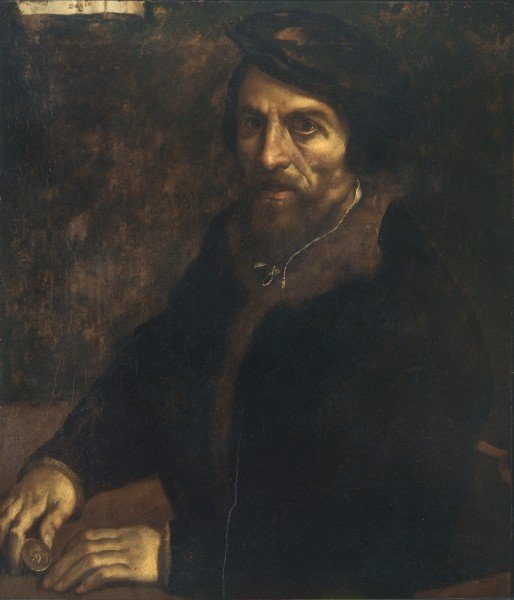
Painting of Bartolomeo Arese il Vecchio by Antonio Campi, dated 1560-1570, displayed at the Pinacoteca di Brera in Milan, Italy
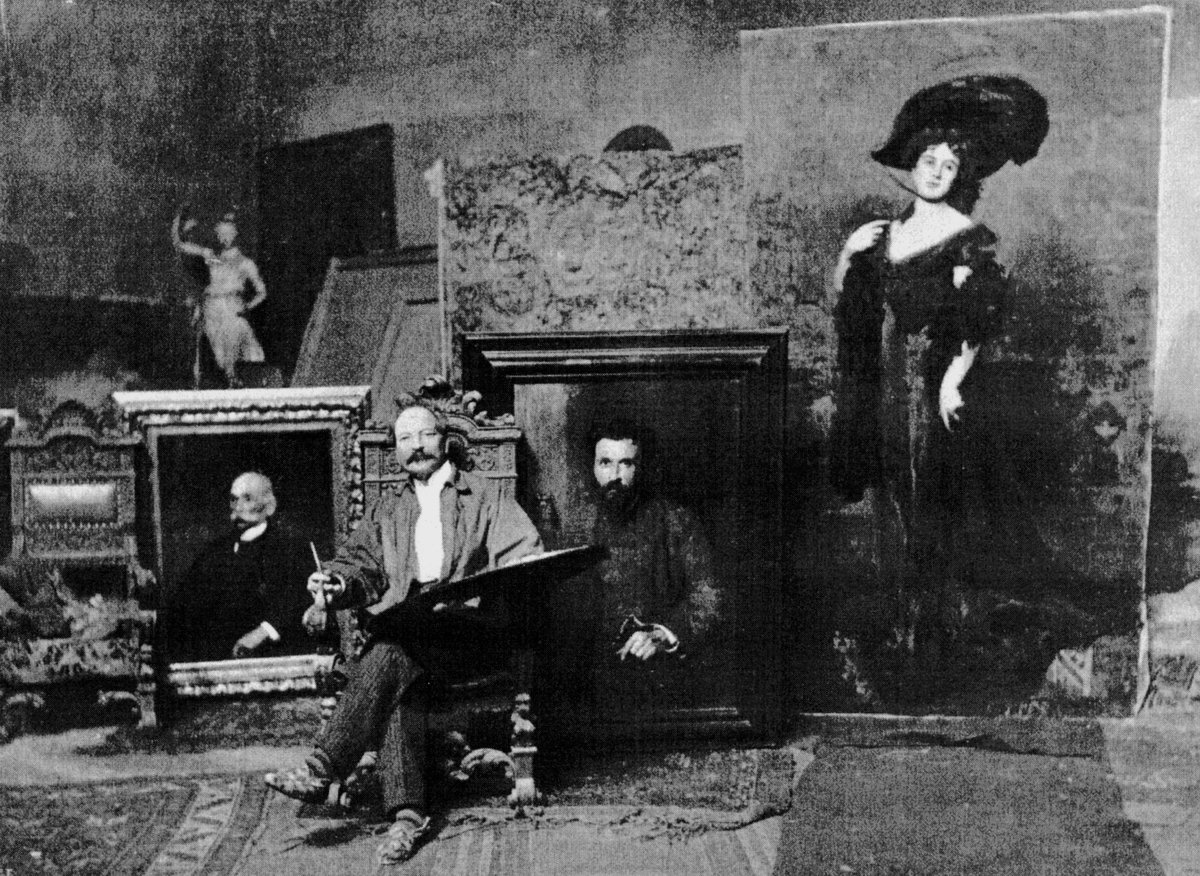
Black and white photograph of Cesare Tallone working in his studio at the Pinacoteca di Brera in 1906, captured by an unidentified photographer
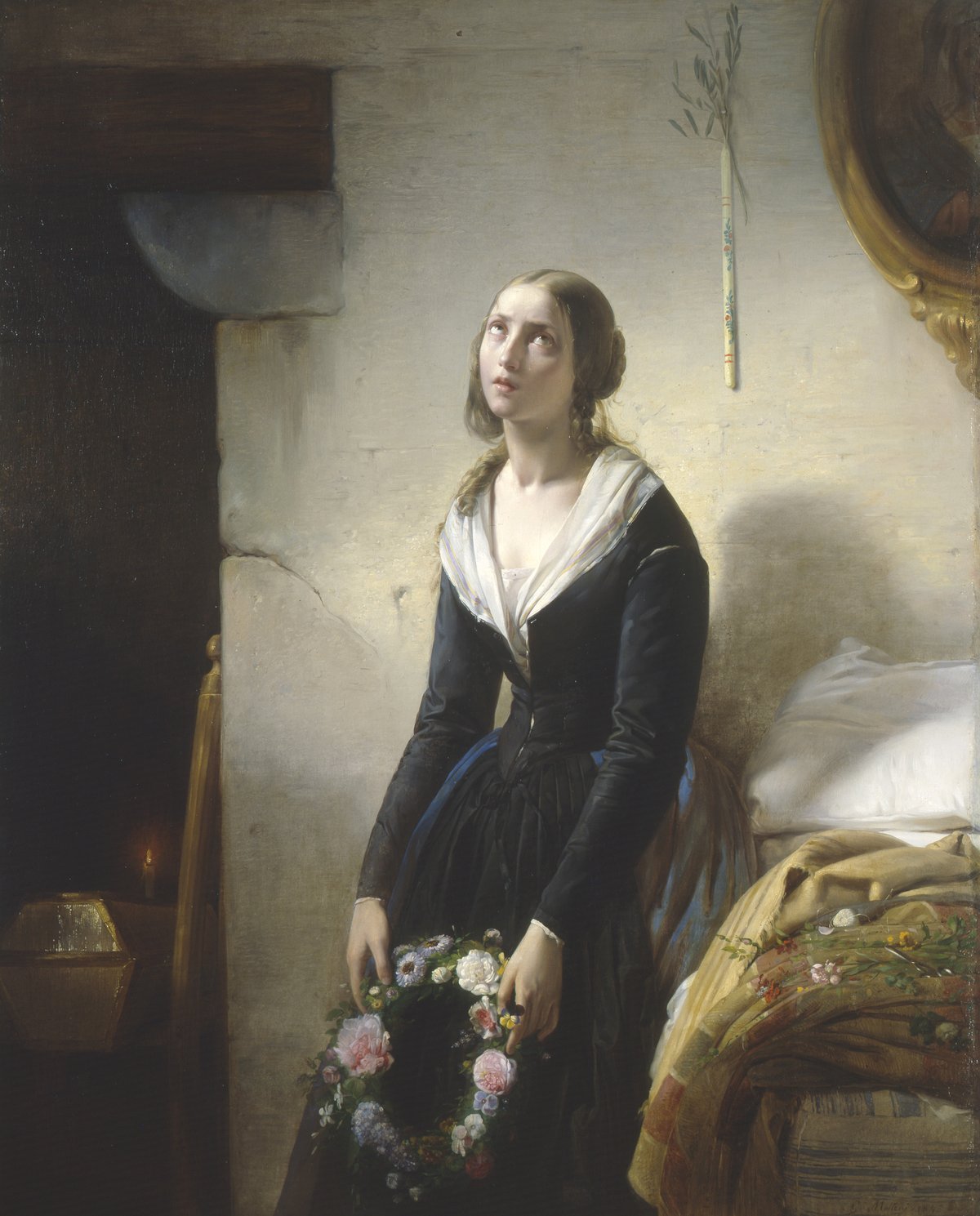
Painting by Giuseppe Molteni depicting a mother mourning the death of her child, showcasing deep sorrow and grief in 19th-century style.
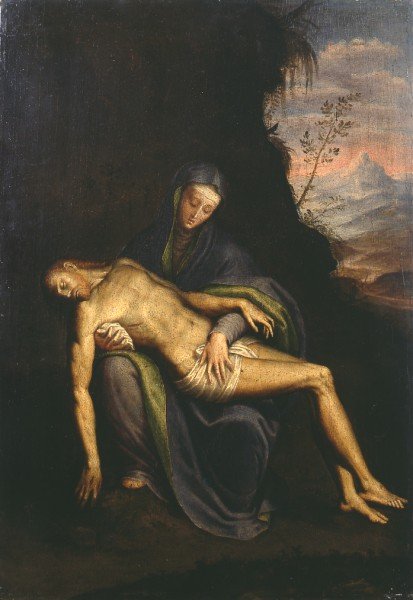
Pietà artwork by Sofonisba Anguissola displayed in the Pinacoteca di Brera art gallery, Milan, Italy
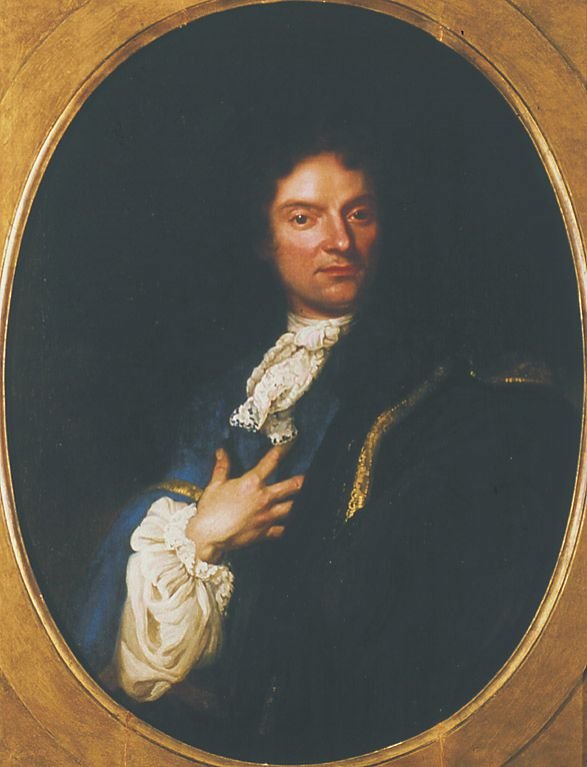
This image shows a self-portrait of Filippo Abbiati, a Baroque painter from 1640-1715. The artwork was historically misidentified in the Pinacoteca inventory as a portrait by Francesco Cairo. It is an important Baroque era portrait, comparable in style and dating to the 1677 portrait of Filippo Piro
Origins and Foundation
The Pinacoteca di Brera’s origins are deeply rooted in Milanese history. Housed in the 17th-century Palazzo Brera, which was once a Jesuit college, the site became a center for scientific and cultural advancement after the suppression of the Jesuits in 1773 (Wikipedia). Empress Maria Theresa of Austria founded the Accademia di Belle Arti di Brera in 1776, and the academy’s collection was intended to support education, laying the foundation for the public museum to come (Pinacoteca Brera Official).
Napoleonic Transformation and Expansion
Under Napoleonic rule, the Brera collection was transformed into a national gallery. Napoleon ordered significant artworks from churches and convents across northern Italy to be transferred to Milan, marking the museum’s opening on August 15, 1809 (Britannica, Italian Traditions). This policy not only enriched the museum’s holdings but also positioned Milan as a vibrant cultural hub.
Growth, Reorganization, and Modernization
During the 19th and 20th centuries, the Pinacoteca expanded its collection and underwent significant reorganization, particularly after separating from the Academy in 1882. The museum became a leader in curatorial innovation and acquired works by both old and modern masters, with the Grande Brera initiative culminating in the 2024 opening of Palazzo Citterio and furthering the museum’s mission as a center for both tradition and modernity (Pinacoteca Brera Official, Goppion).
Architectural and Artistic Heritage
Palazzo Brera’s neoclassical architecture features grand galleries with frescoed ceilings, marble floors, and ornate stucco work (Understanding Italy). The museum’s collection illustrates the evolution of Italian art from the Middle Ages through the Renaissance and into the modern era, with highlights including Raphael’s “The Marriage of the Virgin,” Caravaggio’s “Supper at Emmaus,” and Mantegna’s “Lamentation over the Dead Christ” (The Geographical Cure).
Cultural Significance and Influence
The Pinacoteca di Brera stands as a beacon of research, education, and engagement in the arts. It offers innovative accessibility initiatives, educational programming, and public events like Brera Musica, which merges live music with the museum experience (World by Isa). The recent integration of modern and contemporary art through the Grande Brera project ensures the museum remains relevant and influential in Milan’s cultural landscape (Wanderous Affair).
Visitor Information
Visiting Hours
- Tuesday to Sunday: 8:30 AM to 7:15 PM (last admission at 6:30 PM)
- Closed: Mondays, January 1st, May 1st, and December 25th (YesMilano)
For a quieter experience, visit early in the morning or late in the afternoon on weekdays. The first Sunday of each month offers free admission, but reservations are still required (Travel with Bender).
Tickets and Admission
- Standard Admission: €15
- Reduced Admission: €10 (for students and eligible categories)
- Free Admission: For visitors under 18, Milan residents, and on the first Sunday of each month (reservation required)
- BreraCARD: €15 for unlimited entry over three months (reservation needed for each visit) (Viaggiando Italia)
Reservations are compulsory for all visitors, including those with free admission or BreraCARD. Book your time slot online at the BreraBooking portal.
Accessibility
The museum is committed to accessibility:
- Elevators and ramps throughout
- Benches for rest
- Tactile samples and sensory experiences for visually impaired visitors
- Accessible toilets and cloakroom
Wheelchairs, audio guides with special features, and sign language tours are available upon request (YesMilano).
Guided Tours and Special Events
- Guided Tours: Available in English and Italian, both general and thematic, starting at €8 (plus admission). Book via the educational department.
- Audio Guides: Rent at the entrance for in-depth commentary.
- Special Events: Regular concerts (Brera/Musica), workshops, and temporary exhibitions (Travel with Bender).
Nearby Attractions in Milan’s Brera District
Extend your visit by exploring:
- Braidense National Library
- Brera Botanical Garden
- Brera Astronomical Observatory
- Academy of Fine Arts
- Santa Maria del Carmine Church
- Teatro alla Scala
All are within walking distance, making Brera the perfect district for a day of cultural discovery (YesMilano).
Visuals and Media


Preview the galleries with the Virtual Tour of Pinacoteca di Brera.
Frequently Asked Questions (FAQ)
Q: What are the Pinacoteca di Brera visiting hours?
A: Tuesday to Sunday, 8:30 AM to 7:15 PM; closed Mondays.
Q: How do I buy tickets?
A: Purchase online via the official portal; reservations required for all visitors.
Q: Is the museum accessible for visitors with disabilities?
A: Yes, with elevators, ramps, tactile samples, and accessible restrooms.
Q: Are guided tours available?
A: Yes, in several languages and formats; book in advance.
Q: Can I take photos?
A: Non-flash photography is permitted; flash and tripods are not.
Q: When is the best time to visit?
A: Early mornings or late afternoons on weekdays for fewer crowds.
Legacy and Continuing Impact
The Pinacoteca di Brera is not just a museum—it is a living institution that shapes and preserves Italian cultural identity. Its collections, educational programs, and public events connect Milan’s artistic past with its vibrant present. The museum’s commitment to accessibility and innovation ensures that it remains a dynamic force for future generations (Pinacoteca Brera Official, Italian Traditions).
Plan Your Visit
- Book Tickets Early: Secure your preferred time slot and avoid queues.
- Explore Guided Tours: Enrich your experience with expert insights.
- Download the Audiala App: For tips, updates, and digital resources.
- Follow on Social Media: Stay informed about exhibitions and events.
For further information or support, consult the official website or contact the museum’s educational department.
Listen to the full story in the app
Your Personal Curator, in Your Pocket.
Audio guides for 1,100+ cities across 96 countries. History, stories, and local insight — offline ready.
Audiala App
Available on iOS & Android
Join 50k+ Curators
Sources
- verified
- verified
- verified
- verified
- verified
- verified
- verified
- verified
- verified
- verified
Last reviewed: