Introduction
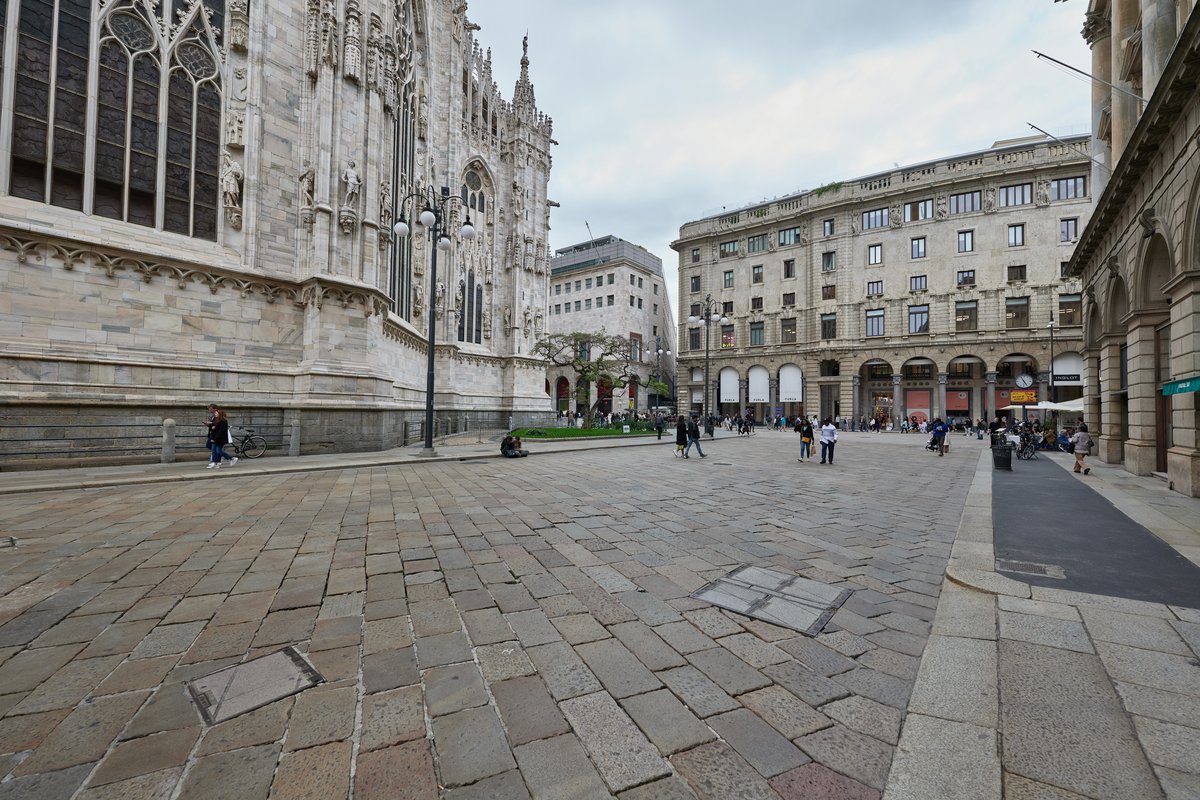
Cathedral Square, or Piazza Duomo, in Monza, Italy, stands as a captivating testament to the city's rich historical and cultural tapestry. Nestled in the heart of Monza, this square is not only a central gathering place but also a site of immense historical significance. Its origins date back to the early medieval period, with its foundation closely tied to Queen Theodelinda, a Lombard queen who played a pivotal role in the religious transformation of the Lombards from Arianism to Catholicism (Monza Cathedral History). Over the centuries, Cathedral Square has evolved architecturally and culturally, bearing witness to the shifts and influences of various eras, including the Romanesque, Gothic, Renaissance, and Baroque periods. The Monza Cathedral, a focal point of the square, houses the Iron Crown of Lombardy, a relic of profound historical and religious importance used in the coronation of Lombard kings and Holy Roman Emperors (Iron Crown of Lombardy). Today, Cathedral Square is not only a historical monument but also a vibrant cultural hub, hosting numerous events, markets, and festivals that bring the community together and attract tourists from around the world.
History of Cathedral Square, Monza
Early Beginnings and Foundation
Cathedral Square, or Piazza Duomo, in Monza, Italy, is a site steeped in history, dating back to the early medieval period. The square's origins are closely tied to the establishment of the Monza Cathedral, also known as the Duomo di Monza. The cathedral was founded by Queen Theodelinda, a Lombard queen, in the early 7th century. Theodelinda's influence is pivotal, as she was instrumental in converting the Lombards from Arianism to Catholicism, which significantly shaped the religious landscape of the region (Monza Cathedral History).
The Lombard Era
During the Lombard era, Monza served as a royal residence, and the cathedral became a central religious and political hub. Theodelinda's chapel, known as the Cappella di Teodolinda, houses the Iron Crown of Lombardy, a relic of immense historical and religious significance. The crown, believed to contain a nail from the True Cross, was used in the coronation of Lombard kings and later Holy Roman Emperors (Iron Crown of Lombardy).
Medieval Developments
The medieval period saw significant architectural and cultural developments in Cathedral Square. The original structure of the cathedral underwent numerous modifications and expansions. In the 13th century, the cathedral was rebuilt in the Romanesque style, and later, in the 14th century, it was further enhanced with Gothic elements. This period also saw the construction of the bell tower, which remains a prominent feature of the square today (Gothic Architecture in Monza).
Renaissance and Baroque Influences
The Renaissance era brought about a renewed interest in art and architecture, which is reflected in the enhancements made to the cathedral and the surrounding square. Notable artists and architects of the time contributed to the cathedral's interior, adding frescoes, sculptures, and altarpieces that exemplify Renaissance artistry. The Baroque period further enriched the cathedral with elaborate decorations and the addition of the Chapel of Theodelinda, which houses the Iron Crown (Renaissance Art in Monza).
Modern Era and Restoration
The 19th and 20th centuries were periods of restoration and preservation for Cathedral Square and the Duomo di Monza. Efforts were made to restore the cathedral's façade and interior to their former glory, ensuring the preservation of its historical and artistic heritage. The square itself was also revitalized, becoming a central gathering place for locals and tourists alike. Modern interventions have been carefully balanced with the preservation of historical elements, maintaining the square's historical integrity while accommodating contemporary needs (Restoration Efforts).
Visitor Information
Visiting Hours and Tickets
Cathedral Square is open to visitors year-round. The Monza Cathedral typically opens from 9 AM to 6 PM, but it's advisable to check the official website for any changes in visiting hours. Entry to the cathedral is free, but there may be a fee for guided tours and access to special exhibits.
Travel Tips
Monza is easily accessible by train from Milan, with frequent services running throughout the day. The square is a short walk from the Monza train station. Comfortable walking shoes are recommended, as the area is best explored on foot.
Nearby Attractions
While visiting Cathedral Square, don't miss other nearby attractions such as the Royal Villa of Monza, Parco di Monza, and the Monza Eni Circuit. These sites offer a variety of historical, cultural, and recreational activities.
Accessibility
Cathedral Square is accessible to visitors with mobility impairments. There are ramps and designated pathways to ensure that everyone can enjoy the historical and cultural offerings of the site.
Cultural and Historical Significance
Cathedral Square is not only a historical site but also a cultural landmark. It has been the setting for numerous significant events, including royal coronations, religious ceremonies, and public gatherings. The square's historical layers reflect the various cultural and political shifts that have shaped Monza over the centuries. Today, it stands as a testament to the city's rich heritage and continues to be a focal point for cultural and social activities (Cultural Significance of Monza).
Architectural Highlights
The architectural evolution of Cathedral Square is a testament to the various styles that have influenced Monza over the centuries. Key highlights include:
The Façade
The cathedral's façade, a blend of Romanesque and Gothic styles, features intricate sculptures and decorative elements that narrate biblical stories and historical events.
The Bell Tower
Standing tall since the 14th century, the bell tower is a significant landmark, offering panoramic views of the city.
The Chapel of Theodelinda
This chapel is a masterpiece of Baroque art, housing the Iron Crown and adorned with frescoes depicting the life of Queen Theodelinda (Architectural Highlights).
Visitor Experience
Visitors to Cathedral Square can immerse themselves in the rich history and architectural splendor of the site. The square is a vibrant space, often hosting cultural events, markets, and festivals. Guided tours of the cathedral provide in-depth insights into its historical and artistic significance. The nearby museums and historical sites further enhance the visitor experience, offering a comprehensive understanding of Monza's heritage (Visitor Information).
FAQ
Q: What are the visiting hours for Cathedral Square?
A: The Monza Cathedral is typically open from 9 AM to 6 PM. However, it's best to check the official website for the most up-to-date information.
Q: Do I need to buy tickets to visit Cathedral Square?
A: Entry to the cathedral is free, but there may be a fee for guided tours and access to special exhibits.
Q: How can I get to Cathedral Square?
A: Monza is easily accessible by train from Milan, with frequent services. The square is a short walk from the Monza train station.
Q: Is Cathedral Square accessible for visitors with mobility impairments?
A: Yes, Cathedral Square is accessible, with ramps and designated pathways.
Listen to the full story in the app
Your Personal Curator, in Your Pocket.
Audio guides for 1,100+ cities across 96 countries. History, stories, and local insight — offline ready.
Audiala App
Available on iOS & Android
Join 50k+ Curators
Sources
- verified
- verified
- verified
- verified
- verified
Last reviewed: