Introduction
Nestled in the northern part of Milan, Parco dei Fontanili serves as a tranquil oasis amidst the bustling urban environment. Spanning approximately 130 hectares, this park is a vital green lung that offers an escape into nature while showcasing Milan's rich agricultural and hydrological heritage. The park's name, Parco dei Fontanili, translates to 'Park of Springs,' highlighting its historical significance as a source of natural springs that have been utilized since the Roman era. These springs played a crucial role in shaping the agricultural landscape of the region by providing a stable water source for irrigation and cultivation (source).
The park's ecological importance is equally noteworthy. It serves as a habitat for numerous species of birds, amphibians, and mammals, making it a haven for wildlife enthusiasts. The presence of secular flooded forests, black alders, and grey willows adds to its ecological richness (source). Additionally, the park's historical fountains, some dating back to the 12th century, have been meticulously restored, preserving their historical and functional value (source).
Parco dei Fontanili is not just a place for relaxation but also an educational hub. Various educational visits organized by the Province of Milan offer insights into the park's ecological and historical significance, making it a valuable resource for students and researchers (source). With its blend of history, ecology, and recreational activities, Parco dei Fontanili is a must-visit destination for anyone exploring Milan.
Historical Background
The Parco dei Fontanili's history is deeply intertwined with the region's agricultural and hydrological heritage, dating back to the Roman era. The natural springs and fountains were channeled to make the land arable (source).
Ecological and Cultural Significance
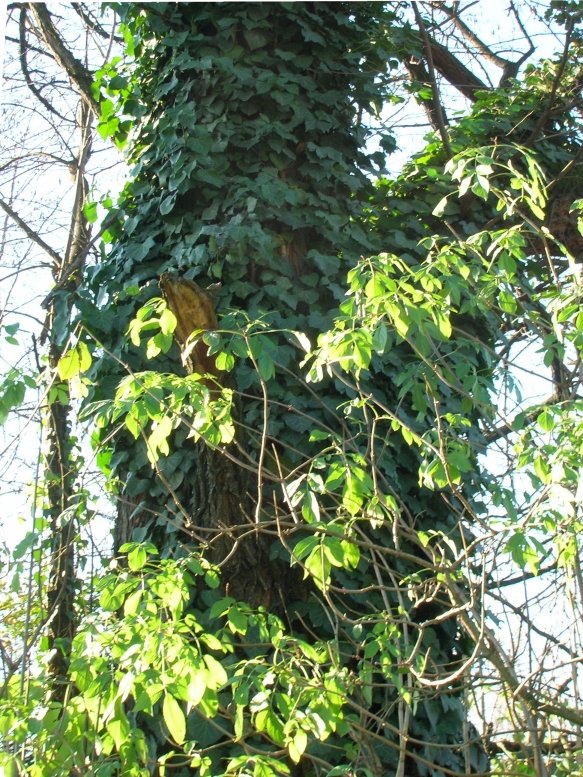
The park is not just a recreational area but also an ecological corridor that preserves the biodiversity of the region. Home to numerous species of birds, amphibians, and mammals, the park is a haven for wildlife enthusiasts. The presence of secular flooded forests, black alders, and grey willows adds to its ecological richness (source).
Culturally, the park's historical fountains, some dating back to the 12th century, highlight its significance. For example, the Barona fountain, mentioned in chronicles from 1191, played a crucial role in powering a woodworking mill. These fountains have been meticulously restored to preserve their historical and functional value (source).
The Role of Fontanili in Milan's Development
The fontanili, or natural springs, have been instrumental in shaping the agricultural landscape of Milan. The stable temperature of the spring waters made them ideal for irrigation and cultivation, extensively utilized by the Romans and later by local nobility (source).
Educational and Recreational Importance
The Parco dei Fontanili serves as an educational hub, with the Province of Milan organizing various educational visits to the park. These visits offer insights into the park's ecological and historical significance, making it a valuable resource for students and researchers (source).
For recreation, the park offers numerous activities. Visitors can explore woodlands, clearings, and cultivated fields, or embark on a 20 km cycling tour through the Parco Agricolo Sud Milano (source).
Conservation Efforts
Managed by WWF, the Fontanili Oasis Park within the Parco dei Fontanili aims to preserve native plant species while limiting the growth of non-native species, crucial for maintaining ecological balance (source).
Integration with Urban Development
The Parco dei Fontanili is part of a broader ecological corridor project designed to connect the western side of Milan to the city center, linking Parco delle Cave with the Darsena and the Navigli system, following ancient and underground water routes (source).
Visitor Information
- Visiting Hours - The park is open daily from 6 AM to 10 PM.
- Entry Fees - There are no entry fees for the park, making it an accessible destination for all.
- Guided Tours - Guided tours are available and highly recommended to gain deeper insights into the park's history and ecological significance.
- Nearby Attractions - Explore nearby attractions such as Parco delle Cave and the Navigli system.
- Accessibility - The park is wheelchair accessible, with paved paths and designated picnic areas.
Visitor Tips
- Best Time to Visit - The park is beautiful year-round, but spring and autumn offer the most pleasant weather for outdoor activities.
- Cycling Routes - The 20 km cycling route through the Parco Agricolo Sud Milano is highly recommended for biking enthusiasts.
- Wildlife Watching - Bring binoculars for bird watching, as the park is home to species like the green woodpecker, great spotted woodpecker, and the rare woodcock.
- Picnic Spots - There are several scenic spots within the park ideal for picnics, especially near the historical fountains and springs.
FAQ
- What are the opening hours of Parco dei Fontanili? The park is open daily from 6 AM to 10 PM.
- Are there any entry fees? No, there are no entry fees.
- Are guided tours available? Yes, guided tours are available and recommended.
Discover More
Don't miss out on visiting this historical and ecological gem in Milan. Download the Audiala mobile app for more travel tips, check out related posts, or follow us on social media for updates.
Listen to the full story in the app
Your Personal Curator, in Your Pocket.
Audio guides for 1,100+ cities across 96 countries. History, stories, and local insight — offline ready.
Audiala App
Available on iOS & Android
Join 50k+ Curators
Sources
-
verified
in-lombardia.it
Visiting Lombardy: Active Green - Lombardy Land Spring Waters
-
verified
in-lombardia.it
Visiting Lombardy: Nature Vacation - Fontanili Park
-
verified
politesi.polimi.it
Integration with Urban Development
Last reviewed: