Introduction
Palazzo Gonzaga di Vescovado stands as an enduring monument to Northern Italy’s aristocratic, religious, and architectural heritage. With two primary sites—one in the heart of Milan and another in San Benedetto Po, Mantua—this palazzo reflects the far-reaching influence of the Gonzaga family, renowned patrons of art and power brokers in Italian history (Gonzaga Family History). Each locale offers a distinct visitor experience: Milan’s palazzo is a blend of Renaissance origins and Baroque opulence, while San Benedetto Po’s palace is celebrated for its connection to the nearby Abbazia di San Benedetto in Polirone (FAI Fondo Ambiente).
This guide demystifies the historical and cultural significance of both palazzi, details practical information on visiting hours, tickets, accessibility, and highlights nearby attractions, ensuring travelers get the most from their journey into Italy's noble past.
1. Milan’s Palazzo Gonzaga di Vescovado
Origins and Historical Context
The Milanese Palazzo Gonzaga di Vescovado was established during the late Renaissance to early Baroque period. Commissioned by the powerful Gonzaga family, its construction and use underscore the close ties between Milan’s aristocracy and ecclesiastical authorities. The term “di Vescovado” signifies its historical association with the bishopric, blending noble residence with religious administration (Gonzaga Family History).
Architectural Evolution
This palazzo typifies Renaissance symmetry and the growing opulence of Baroque style. Hallmarks include a central courtyard, elegant façade with pilasters and cornices, grand staircases, and surviving frescoes and stuccoes. Architectural modifications occurred over the centuries, particularly in the 18th and 19th centuries, allowing the building to adapt to evolving tastes and urban demands (Palazzo Architecture in Milan).
The Gonzaga Family and Milanese Society
The Gonzagas were deeply entwined with Milan’s political, religious, and cultural life. Their palazzo hosted elite gatherings, artistic salons, and major ecclesiastical events—testament to the family’s prominence in shaping Milanese society (Gonzaga Family Influence).
Ownership, Transformation, and Preservation
After the Gonzaga dynasty’s decline, the palazzo changed hands multiple times, serving as both a noble residence and administrative building during the Napoleonic era (Napoleonic Milan). Restoration efforts in the 20th century helped preserve its architectural integrity and historical value, ensuring its survival amid Milan’s urban modernization (Milanese Heritage Preservation).
Artistic Heritage
The palazzo features mythological and religious frescoes, some still in situ, and once housed a significant art collection. Its surviving decorative elements provide insight into the tastes and ambitions of its noble patrons (Palazzo Gonzaga di Vescovado Media).
Visitor Information: Milan
- Location: Via Carducci 28-30, Milan. Accessible by metro (Conciliazione, Cadorna) and tram/bus.
- Visiting Hours: The palazzo is primarily used by the Università Cattolica del Sacro Cuore. It is open to the public only during special events, guided tours, or cultural heritage days. Check the university’s or Milan’s official cultural listings for updates.
- Tickets: No regular ticket office; entry may require advance booking or a fee during special events. Always verify details before visiting.
- Accessibility: The building is partially accessible. Contact tour organizers for specific accommodations.
- Nearby Attractions: Milan Cathedral (Duomo), Sforza Castle, Brera Art Gallery, Basilica di Sant’Ambrogio.
Photographic Highlights
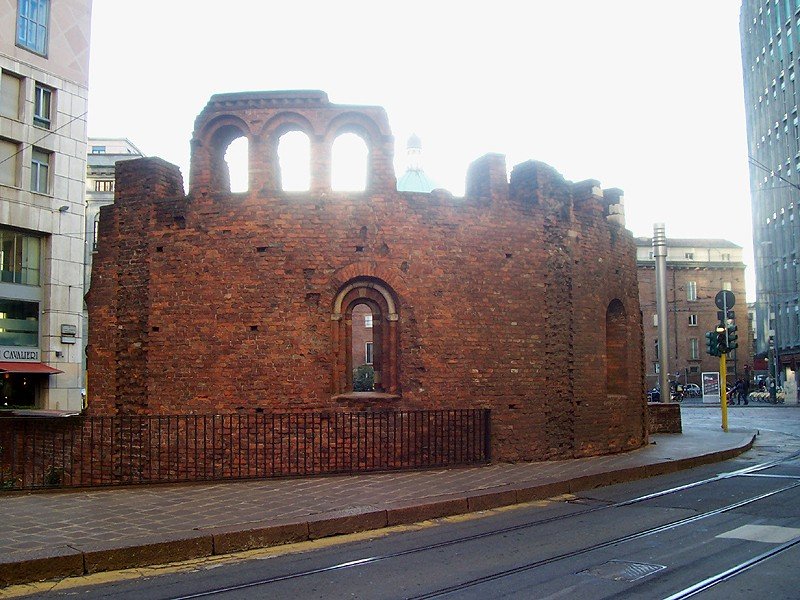
- Red brick neoromanesque façade
- Elegant wrought-iron courtyard gate
- Arcaded garden courtyard
Tip: For the best experience, time your visit with Milan’s Open House or cultural events. Guided tours, when available, offer deep insight into the palazzo’s layered history.
2. San Benedetto Po’s Palazzo Gonzaga di Vescovado
Location and Historical Background
Located in San Benedetto Po (Mantua province, Lombardy), this palazzo is a short walk from the famed Abbazia di San Benedetto in Polirone. It reflects the Gonzaga family's reach beyond Milan, standing as a Renaissance residence for ecclesiastical dignitaries (FAI Fondo Ambiente).
Architecture and Artistic Features
- Frescoed ceilings and walls: Depicting religious and mythological scenes
- Grand halls and staircases: Used for receptions and ceremonial functions
- Courtyards and gardens: Offer tranquil settings, with arcaded walkways and period statuary
Visitor Information: San Benedetto Po
- Visiting Hours: Open on weekends and during FAI (Fondo Ambiente Italiano) events. Hours may change seasonally—consult the official FAI page for details.
- Tickets: Typically €5–€10 for non-members, free for FAI members. Advance booking is recommended during special events.
- Guided Tours: Often in Italian, with English materials or guides available on request. Tours last 60–90 minutes.
- Accessibility: Partial; upper floors may require stair access. Contact the venue for specific needs.
- Facilities: Restrooms available; no on-site café, but local dining is nearby.
Events and Activities
- Classical concerts, art exhibitions, and educational workshops
- Special programming during local festivals and FAI open days
Travel Tips & Nearby Attractions
- Combine visits: Pair your palazzo tour with the Abbazia di San Benedetto in Polirone for a full cultural experience.
- Local cuisine: Sample Mantuan specialties at nearby trattorias.
- Other attractions: Chiesa di Zovo, Chiesa San Siro, Osservatorio di Gorgo
Frequently Asked Questions (FAQ)
Milan
- Q: Is there an entry fee?
- A: No regular fee; entry is usually for special events or tours.
- Q: Are guided tours available?
- A: Yes, during cultural events or by appointment.
- Q: Is the building wheelchair accessible?
- A: Some areas are accessible—contact organizers in advance.
San Benedetto Po
- Q: What are the current visiting hours?
- A: Generally open on weekends and event days; check official FAI website.
- Q: How do I get tickets?
- A: Onsite or via the FAI website.
- Q: Are guided tours in English?
- A: Primarily in Italian, with English options available upon request.
Summary and Visit Tips
Both Milan and San Benedetto Po’s Palazzo Gonzaga di Vescovado are portals to Northern Italy’s noble and ecclesiastical past. While Milan’s palazzo reveals the city’s blend of architectural grandeur and evolving civic function, San Benedetto Po offers an intimate Renaissance experience beside one of Lombardy’s most historic abbeys. Always consult official resources for up-to-date visiting hours, ticketing, and event details. Enhance your journey by pairing your visit with nearby attractions and local cuisine, and deepen your experience with guided tours where available.
Listen to the full story in the app
Your Personal Curator, in Your Pocket.
Audio guides for 1,100+ cities across 96 countries. History, stories, and local insight — offline ready.
Audiala App
Available on iOS & Android
Join 50k+ Curators
Sources
- verified
- verified
- verified
- verified
- verified
- verified
- verified
- verified
- verified
-
verified
Visiting Palazzo Gonzaga di Vescovado in Milan: Hours, Tickets & Architectural Highlights, 2024, Local Cultural Listings
-
verified
Palazzo Gonzaga di Vescovato Visiting Hours and Historical Guide to Milan’s Noble Landmark, 2024, Milan Historical Sites Portal
- verified
Last reviewed: