Plan and listen to Palazzo Dugnani with Audiala.
Audio guide in your pocket, itinerary in your browser. Built for the way you actually visit.
Introduction
Nestled in the heart of Milan, Palazzo Dugnani is a living testament to the opulence and grandeur of Baroque architecture. Constructed in the late 17th century, this historic building was initially commissioned by the noble Dugnani family and has since evolved into a vital cultural hub. The palace's intricate stucco decorations, elaborate frescoes by renowned artists such as Giovanni Battista Tiepolo, and richly adorned interiors provide a fascinating glimpse into Milan's storied past. Over the centuries, Palazzo Dugnani has transitioned from a private noble residence to a public institution, reflecting broader social and political changes in Milan (Civic Museums of Milan). Today, it stands as a symbol of cultural heritage, offering visitors a chance to explore its architectural beauty, historical significance, and vibrant cultural contributions. Whether you are an art enthusiast, history buff, or curious traveler, this guide will help you make the most of your visit to one of Milan's hidden gems.

History of Palazzo Dugnani
Origins and Early History
Originally constructed in the late 1600s, Palazzo Dugnani was commissioned by the noble Dugnani family, who were prominent figures in Milanese society. The architectural design of the palace reflects the Baroque style, which was prevalent during that period. The Dugnani family utilized the palace as their primary residence, and it quickly became a symbol of their wealth and influence.
Architectural Evolution
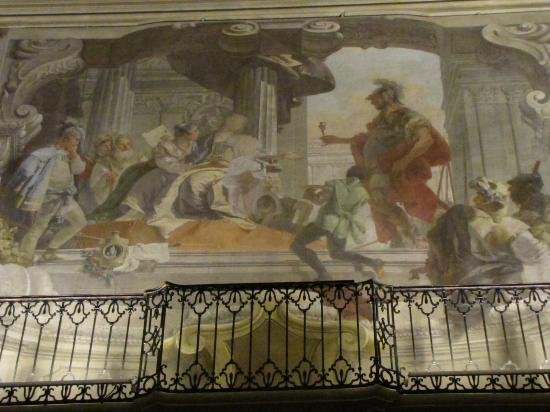
Over the centuries, Palazzo Dugnani underwent several modifications and expansions. In the 18th century, the palace was significantly renovated to incorporate Rococo elements, characterized by intricate ornamentation and elaborate decorative motifs. This period also saw the addition of frescoes by renowned artists such as Giovanni Battista Tiepolo, whose works added a layer of artistic prestige to the building. The frescoes, particularly those in the main hall, are considered masterpieces of Rococo art and continue to draw art enthusiasts from around the world.
Transition to Public Use
In the 19th century, the ownership of Palazzo Dugnani changed hands multiple times. Eventually, the palace was acquired by the Municipality of Milan. This transition marked a significant shift in the building's function, as it was repurposed for public use. During this period, the palace served various roles, including housing administrative offices and hosting cultural events. The transformation from a private residence to a public institution reflects broader social and political changes in Milan during the 19th century.
20th Century and Restoration Efforts
The 20th century brought new challenges and opportunities for Palazzo Dugnani. The building suffered damage during World War II, necessitating extensive restoration efforts. These efforts aimed to preserve the historical and artistic integrity of the palace while adapting it to contemporary needs. In the post-war period, Palazzo Dugnani became a hub for cultural activities, hosting exhibitions, concerts, and other events. The restoration work also included the preservation of the Tiepolo frescoes, ensuring that future generations could appreciate their beauty and historical significance.
Recent Developments
In recent years, Palazzo Dugnani has continued to evolve, reflecting the dynamic nature of Milan's cultural landscape. The palace is now part of the Civic Museums of Milan, which oversee its maintenance and programming. Recent initiatives have focused on enhancing the visitor experience through modern amenities and interactive exhibits. These efforts aim to make the palace more accessible to a diverse audience while preserving its historical and artistic heritage.
Significance in Milanese Culture
Palazzo Dugnani holds a special place in Milanese culture and history. Its architectural and artistic features provide a window into the city's past, offering insights into the lives of its noble families and the broader social and political context of different historical periods. The palace's transition from a private residence to a public institution also reflects the democratization of cultural heritage, making it accessible to a wider audience.
Visitor Information
Opening Hours
Palazzo Dugnani is open to visitors, but opening hours may vary depending on the season and special events. For the most up-to-date information, please check the official website of the Civic Museums of Milan.
Ticket Prices
Ticket prices for Palazzo Dugnani vary. Discounts are often available for students, seniors, and groups. For detailed pricing information, visit the official website.
Guided Tours
Guided tours are available and highly recommended to gain deeper insights into the palace's history and artistic features. Tours are often offered in multiple languages. Check the official website for tour schedules and booking information.
Accessibility
The palace is equipped with facilities to accommodate visitors with disabilities. Contact the museum in advance to arrange any necessary accommodations.
Photography
Photography is generally allowed, but be mindful of any restrictions, particularly in areas with delicate artworks. Always check for specific guidelines upon arrival.
Nearby Attractions
Palazzo Dugnani is located near other notable attractions, such as the Indro Montanelli Public Gardens and the Natural History Museum. Plan your visit to include these sites for a comprehensive cultural experience.
FAQ
What are the visiting hours for Palazzo Dugnani? Visiting hours vary by season and special events. Please check the official website for current hours.
Are guided tours available at Palazzo Dugnani? Yes, guided tours are available and are a great way to learn more about the palace. Tours are offered in multiple languages. Check the official website for details.
Is Palazzo Dugnani accessible to visitors with disabilities? Yes, the palace has facilities to accommodate visitors with disabilities. Contact the museum in advance to arrange any necessary accommodations.
Can I take photos inside Palazzo Dugnani? Photography is generally allowed, but restrictions may apply in certain areas. Always check for specific guidelines upon arrival.
Listen to the full story in the app
The whole Palazzo Dugnani,
told well.
Audio guides for 1,100+ cities across 96 countries. History, stories, and local insight — offline ready.
Verified, and shown.
Researched and written by the Audiala editorial team from historical records, architectural archives, and local expertise.
Researched from Wikidata, Wikipedia & official sources · fact-checked · How we make our guides →