Introduction to Palazzo del Senato
In the heart of Milan stands the Palazzo del Senato, a monumental symbol of the city’s evolving identity. With origins dating to the early 17th century, the palazzo has served as a religious seminary, governmental seat, and, today, as the State Archives of Milan. Its distinct Lombard Baroque architecture, notably the concave façade by Francesco Maria Richini, and its layered history make it a vital destination for anyone interested in Milan’s culture, politics, and art. This comprehensive guide details everything you need for your visit, including opening hours, ticket access, accessibility, historical context, and nearby attractions, ensuring a rewarding experience at one of Milan’s most significant historical sites (Storia di Milano; Lombardia Beni Culturali; Milano Weekend; Architect Projects).
Photo Gallery
Explore Palazzo Del Senato in Pictures
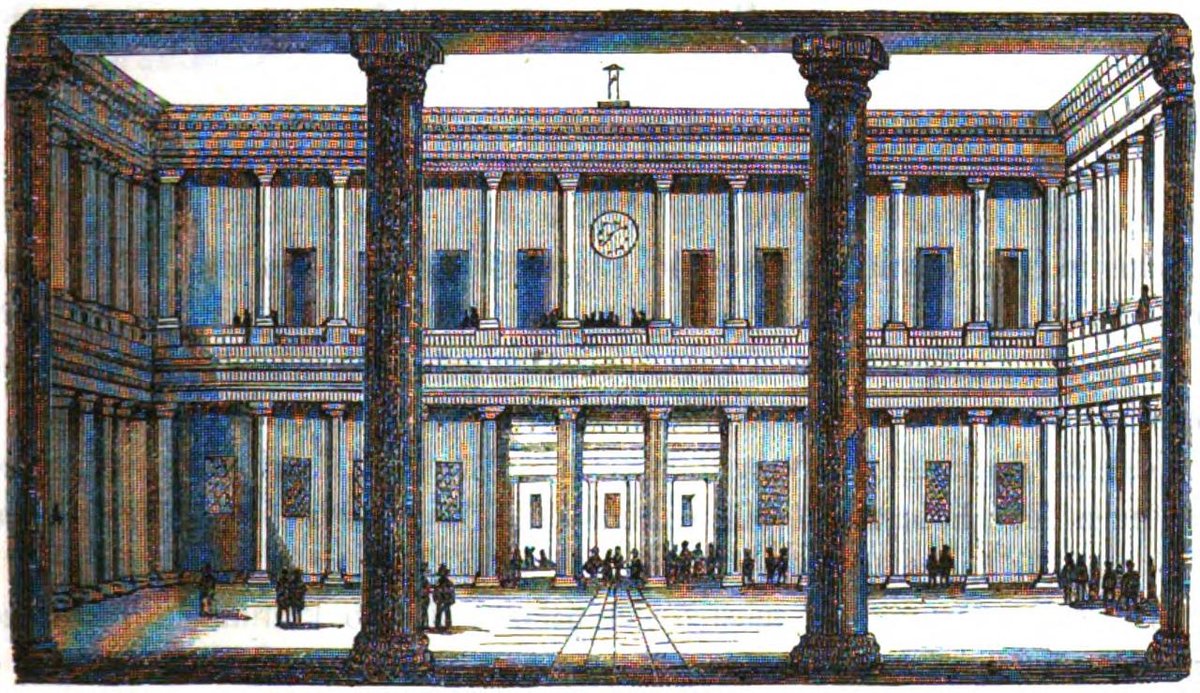
Historical image of the cloister of Collegio Elvetico in Milan from Cesare Cantù's Grande illustrazione del Lombardo Veneto, illustrating 19th century architecture.
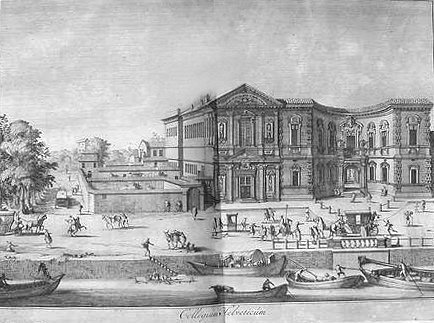
Detailed 1704 engraving of the Collegio Elvetico, currently the Palazzo del Senato in Milan, created by Giovanni Giorgio Grevio, showcasing historical architecture.

Front view of the historic Palazzo del Senato building in Milano showcasing its classic architecture under a clear sky
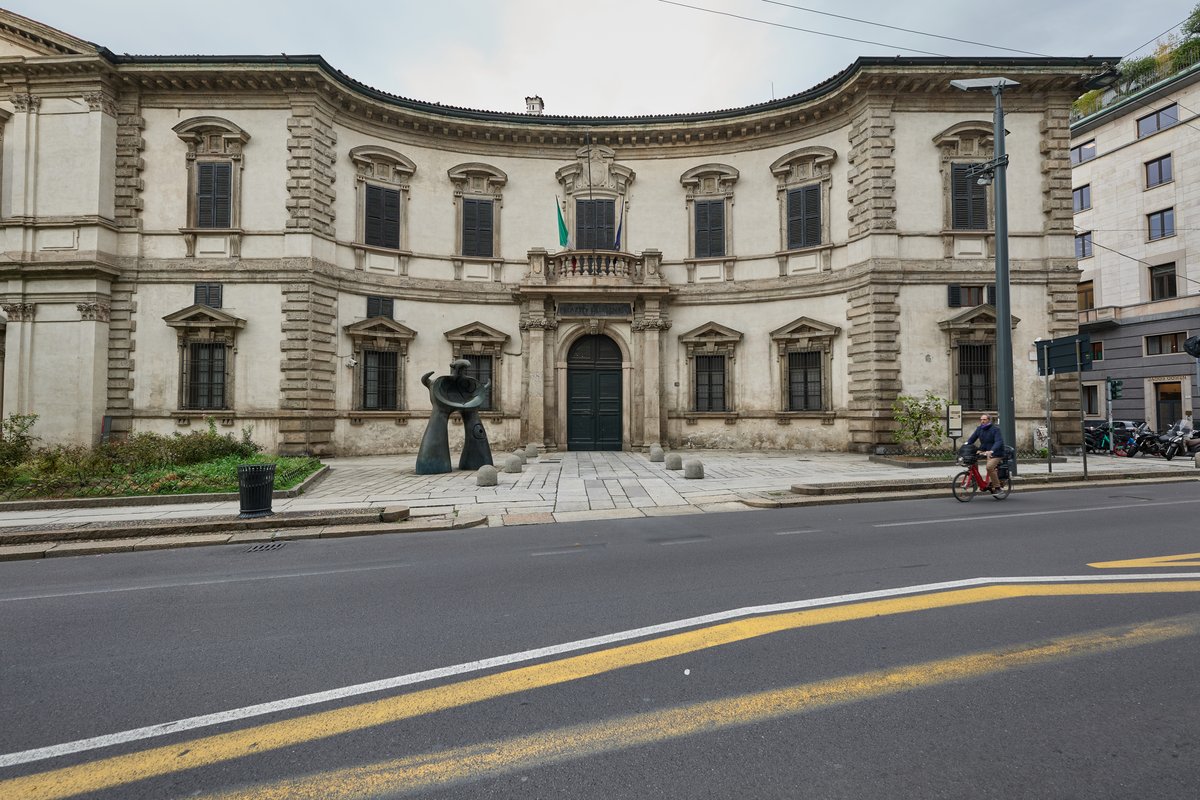
Facade of the historic Palazzo del Senato building in Milan, Italy, showcasing its architectural details on a sunny day
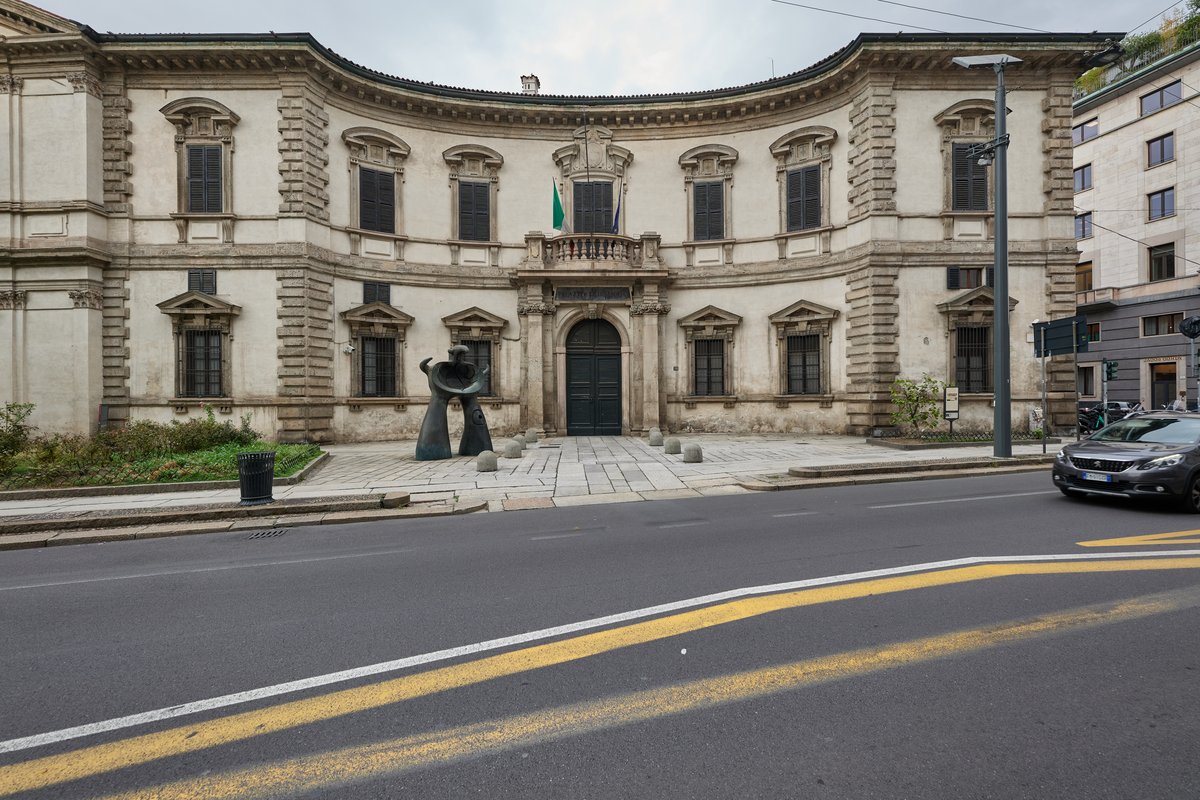
Exterior view of the historic Palazzo del Senato building in Milano showcasing its architectural details in bright daylight
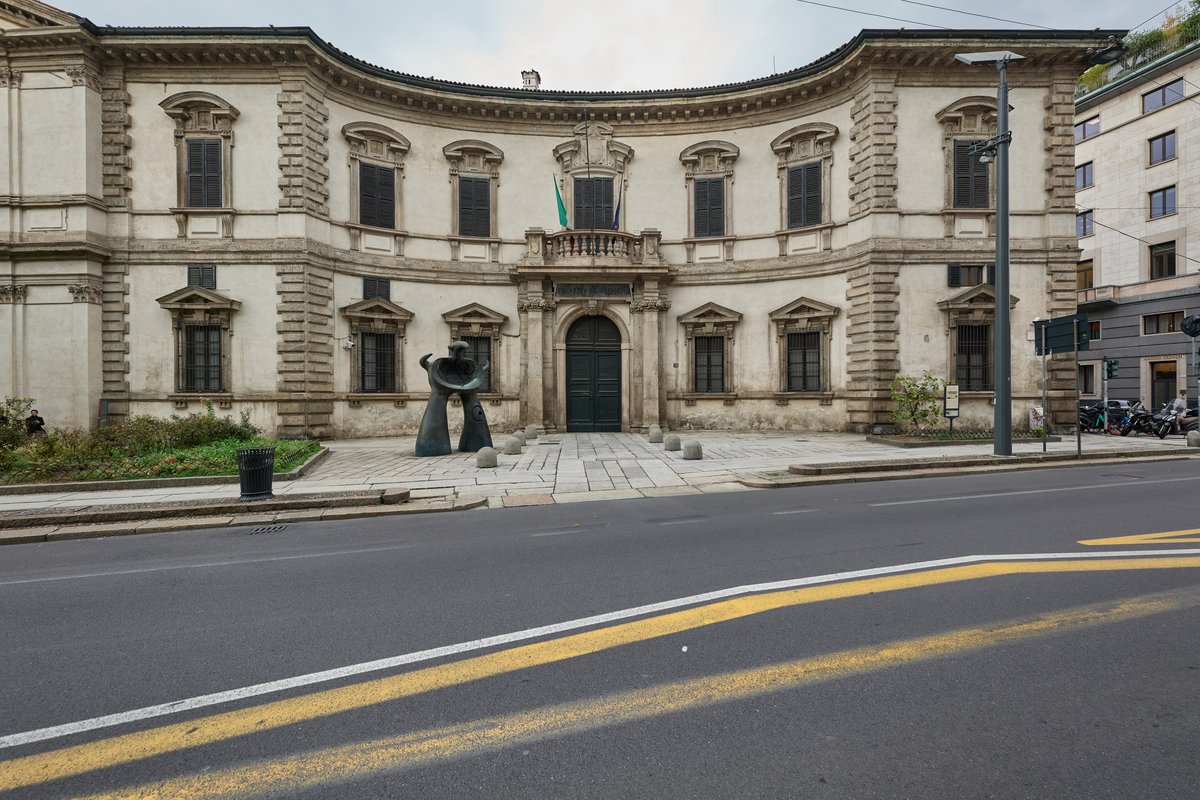
Front view of the historic Palazzo del Senato building in Milan, showcasing its classical architecture and serene surroundings on a clear day
Historical Origins and Foundation
The site of Palazzo del Senato has deep medieval roots, once occupied by monastic complexes of the Umiliati order. After the suppression of the order in the late 16th century, the land was repurposed for a new institution: the Collegio Elvetico, a seminary commissioned by Cardinal Federico Borromeo in 1608 to educate Swiss clergy during the Counter-Reformation (Lombardia Beni Culturali). Architect Fabio Mangone began work on the project, with Francesco Maria Richini later overseeing its completion and adding the now-iconic concave façade (Wikipedia).
Architectural Development and Features
Baroque Façade and Courtyard
The palazzo is a prime example of Milanese Baroque, notable for its restrained ornamentation and monumental scale. Richini’s concave façade along Via Senato, completed in the 17th century, is considered a milestone in Milan’s architectural history, harmonizing classical order with Baroque drama (Storia di Milano; Designerspace). The façade features rusticated stone at the base, Ionic pilasters, and a central portal crowned by a pediment and coat of arms.
Inside, the vast courtyard, surrounded by double loggias with Doric and Ionic columns, forms the heart of the building. This architectural space is not only aesthetically impressive but also serves as a venue for cultural events and installations, such as the 2025 “Source of Pleasure” by Lavazza (Architect Projects).
Interior and Adaptive Reuse
The palazzo’s interiors feature original stucco, vaulted ceilings, and period fireplaces. Over the centuries, spaces once used for clerical study and administration have been adapted for governmental and archival purposes, preserving a sense of the building’s layered past (Milano Weekend).
18th–19th Century: From Seminary to Government Seat
The Collegio Elvetico operated until 1786, when Emperor Joseph II’s reforms transferred its functions elsewhere, and the building became the seat of the Supreme Council of Government for Lombardy (Storia di Milano). During the Napoleonic era, it was repurposed as the Senate House of the Kingdom of Italy, from which its current name derives (Wikipedia; Designerspace). In the 19th century, following the restoration of Austrian rule, the building served as the Palazzo della Contabilità di Stato, the administrative seat for public finance (Lombardia Beni Culturali).
The palazzo temporarily housed the Accademia scientifico-letteraria di Milano, the future Politecnico di Milano, and hosted significant cultural and artistic exhibitions, illustrating its growing civic role (Archivio di Stato di Milano).
20th Century: War, Restoration, and the State Archives
World War II bombings in 1943 heavily damaged the building, destroying the left wing and part of the archival collection (Storia di Milano). Postwar restoration focused on rebuilding and modernizing the palazzo for archival use, ensuring its survival as a guardian of Milan’s documentary memory.
Since 1872, the building has housed the Archivio di Stato di Milano, which holds over 45 kilometers of shelving and invaluable documents tracing Milanese and Lombard history from the Middle Ages to today (Milano Weekend). The archives serve researchers, genealogists, and history enthusiasts.
Visiting Palazzo del Senato
Visiting Hours
- Standard Hours: Monday to Friday, 9:00 AM–5:00 PM.
- Special Events: Hours may extend during events like Milan Design Week or special exhibitions.
- Note: Always check the official website for updates or changes.
Tickets & Admission
- General Admission: Free for most areas; some special exhibitions may require ticket purchase.
- Archives Access: Requires annual registration and appointment for document consultation.
Accessibility
- Mobility: The palazzo is partially accessible, with ramps and elevators for most public areas. Some historic sections may have limited access.
- Support: Contact the administration before arrival for specific accessibility needs.
Guided Tours & Events
- Guided Tours: Available during cultural events and by request. Booking in advance is recommended.
- Events: The palazzo is a highlight venue during Milan Design Week, Milano Photo Week, and other festivals, hosting exhibitions, installations, and performances (Comune di Milano).
Travel Tips & Nearby Attractions
- Location: Via Senato, 10, 20121 Milano MI, Italy. Easily accessible from San Babila (M1) and Montenapoleone (M3) metro stations.
- Nearby Sites: Duomo di Milano, Galleria Vittorio Emanuele II, Castello Sforzesco, Brera district, and Giardini Indro Montanelli are all within walking distance.
- Facilities: Restrooms and reading rooms; no café on-site, but numerous options nearby.
- Best Time to Visit: June offers pleasant weather and a vibrant cultural calendar; early afternoons are ideal for exploring the courtyard.
Frequently Asked Questions (FAQ)
Q: What are Palazzo del Senato’s visiting hours?
A: Monday to Friday, 9:00 AM–5:00 PM; hours may vary during events or holidays.
Q: Is there an entrance fee?
A: General admission is free; some special exhibitions or guided tours may require tickets or reservations.
Q: Is the palazzo accessible to wheelchair users?
A: Yes, most public areas are accessible. Contact staff for assistance with specific needs.
Q: How can I arrange a guided tour?
A: Book in advance through the official website or during major events like Milan Design Week.
Q: What documents do the State Archives hold?
A: Records from 721 AD onwards, including notarial deeds, religious records, and governmental correspondence.
Listen to the full story in the app
Your Personal Curator, in Your Pocket.
Audio guides for 1,100+ cities across 96 countries. History, stories, and local insight — offline ready.
Audiala App
Available on iOS & Android
Join 50k+ Curators
Sources
- verified
- verified
- verified
- verified
- verified
- verified
- verified
- verified
Last reviewed: