

Historical Background
The Five Days of Milan
The Monumento alle Cinque Giornate di Milano commemorates the Five Days of Milan, a pivotal event in the Italian unification movement. The insurrection, which took place from March 18 to March 22, 1848, was a significant uprising against Austrian rule. During these five days, the citizens of Milan engaged in intense street fighting, ultimately driving out Marshal Radetzky and his Austrian troops from the city (Wikipedia).
The Rebellion and Its Impact
The rebellion was part of the broader revolutionary wave sweeping across Europe in 1848, known as the Revolutions of 1848. These uprisings were driven by a combination of political, social, and economic factors, including demands for national independence, constitutional government, and social reforms. In Milan, the revolt was fueled by widespread discontent with Austrian domination and a desire for Italian unification (Wikipedia).
Key Events During the Five Days
The insurrection began on March 18, 1848, when Milanese citizens took to the streets to protest against Austrian rule. The initial demonstrations quickly escalated into violent clashes between the insurgents and Austrian troops. Over the next five days, the city witnessed intense street fighting, with barricades erected in various parts of Milan. The capture of Porta Tosa, the eastern gate in the Medieval Spanish Walls of Milan, was a significant turning point in the rebellion. This victory prompted the Austrian forces to withdraw from the city (Wikipedia).
The Aftermath and Significance
The success of the Milanese revolt had far-reaching implications. It inspired other uprisings across the Italian peninsula and contributed to the broader movement for Italian unification. The Five Days of Milan marked the beginning of the First Italian War of Independence, which ultimately led to the establishment of the Kingdom of Italy in 1861 (Wikipedia).
Commemoration and the Monument
The Creation of the Monument
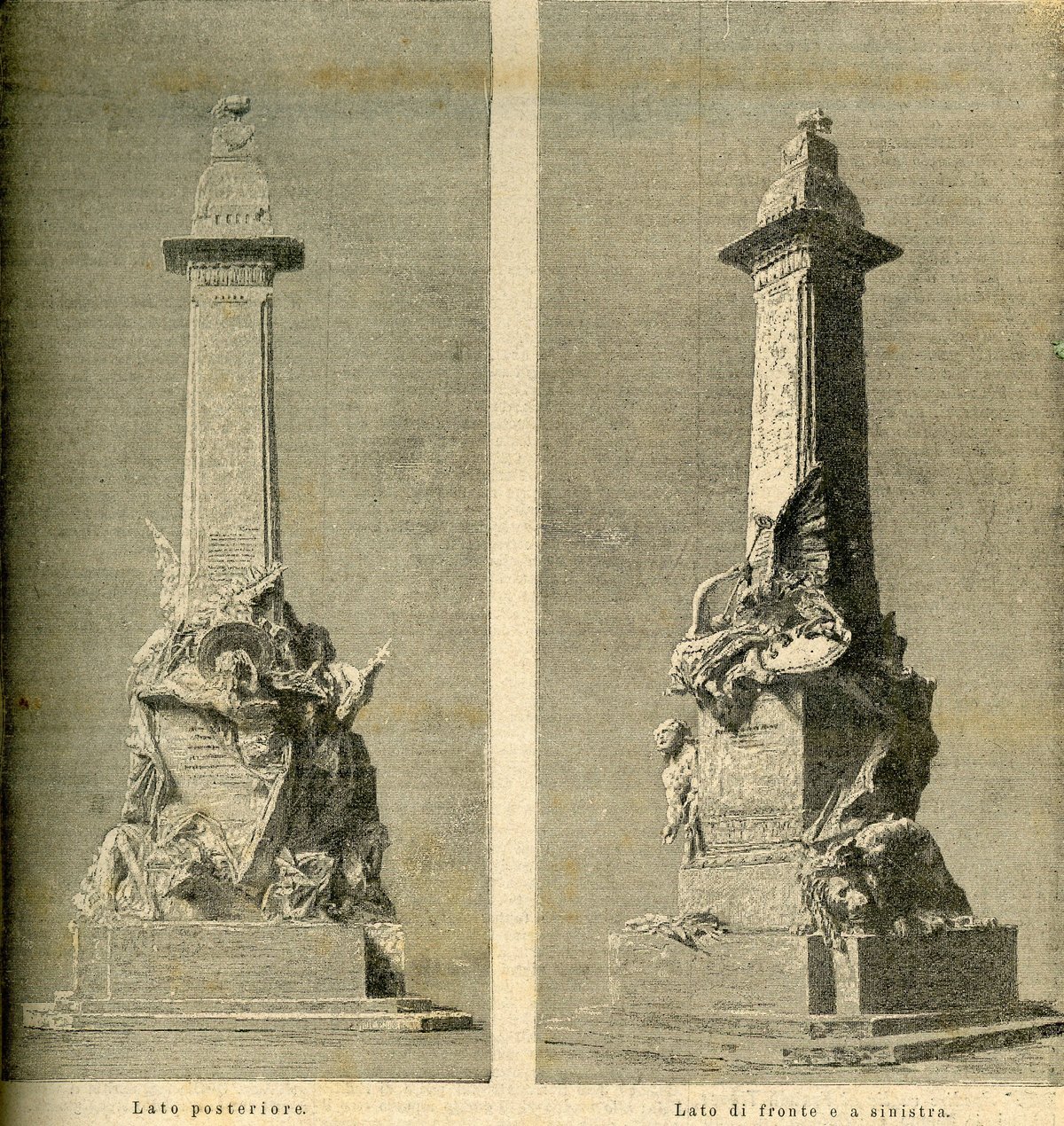
The definitive Monumento alle Cinque Giornate di Milano was created by Italian sculptor Giuseppe Grandi. The project took thirteen years to complete, and the monument was inaugurated in 1895, shortly before Grandi's death. The monument is located in Piazza Cinque Giornate, the site where the ancient Porta Tosa once stood. This gate was the first to be captured by the Milanese insurgents, and it was renamed Porta Vittoria after the unification of Italy (Wikipedia).
Design and Symbolism
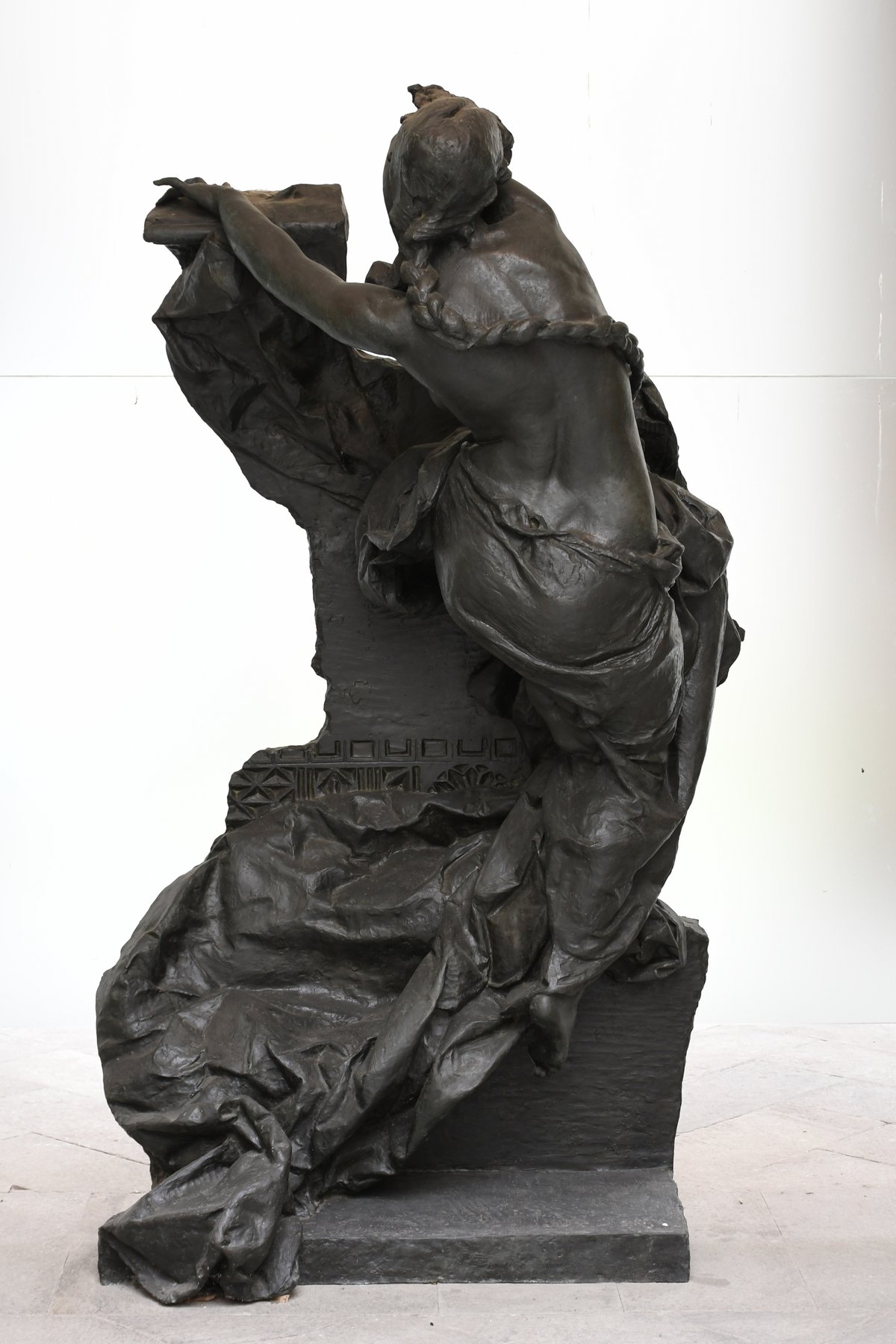
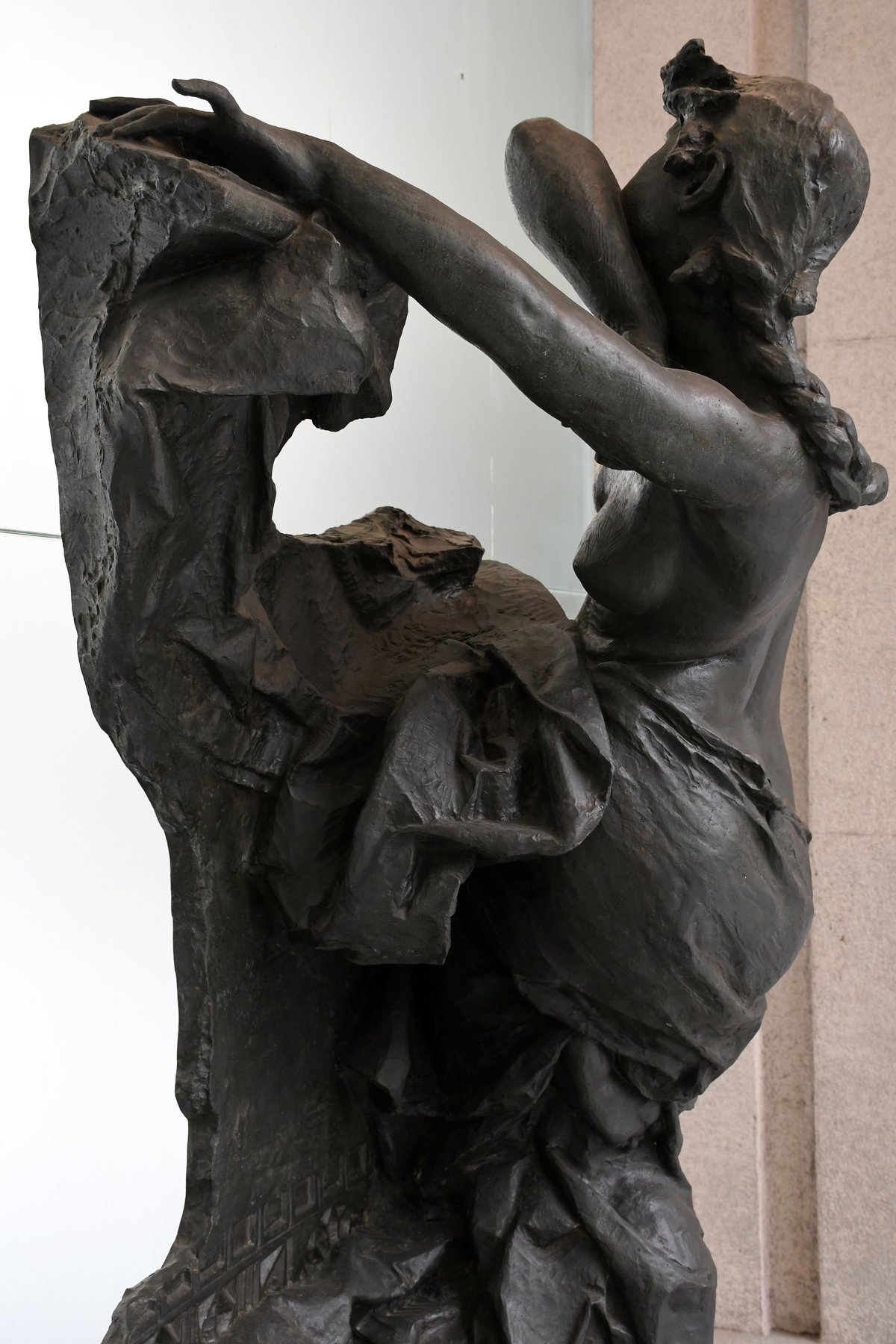
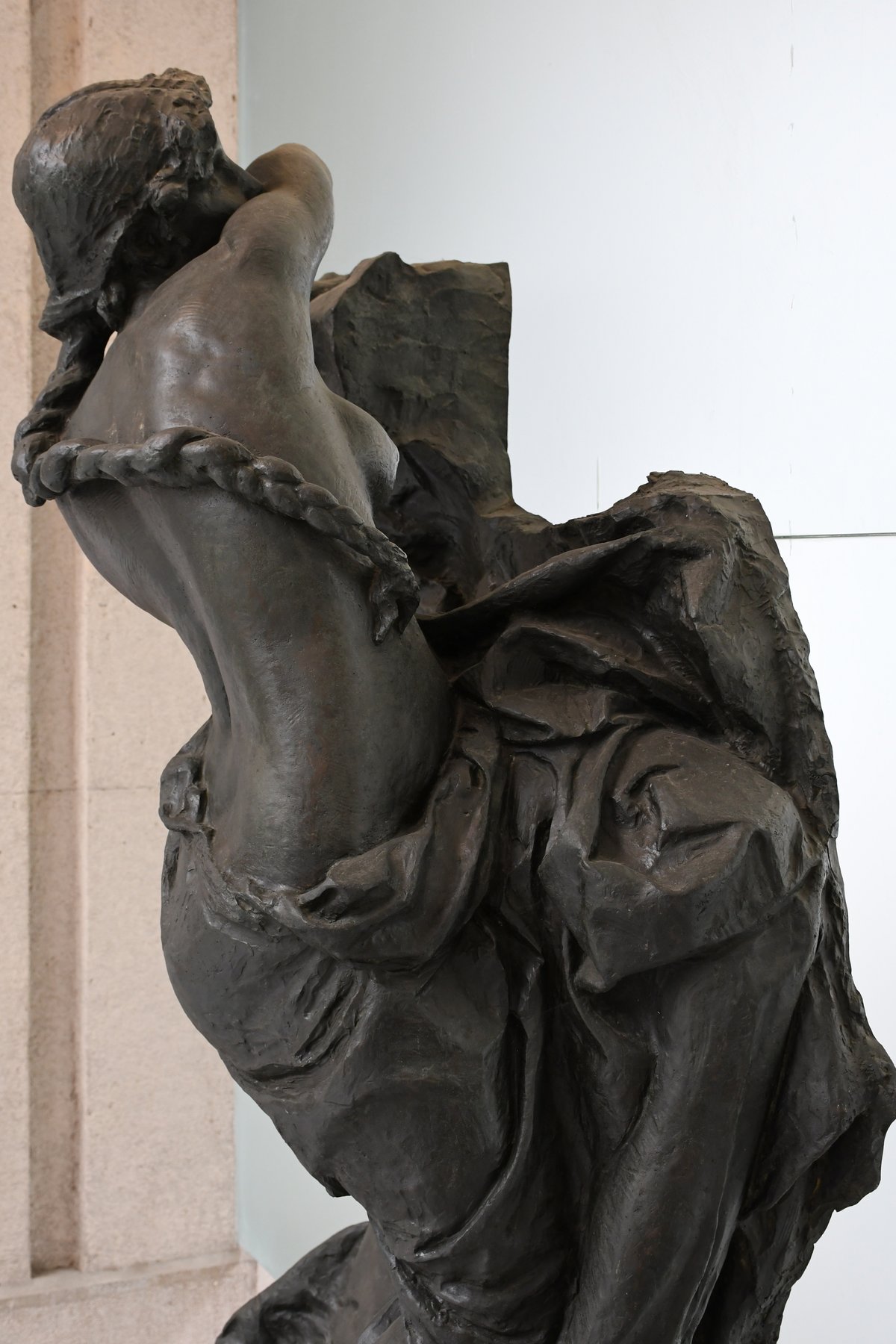
The monument comprises a bronze obelisk and sculptures on a plinth. Five female figures, representing the actions and sentiments of the Five Days of Milan, animate the scene around the central obelisk. The names of the fallen from the 1848 rebellion are inscribed on the obelisk. Additionally, the monument features a royal eagle and a lion, symbolizing the idea of freedom and the strength to defend the barricades, respectively (Wikipedia).
The Crypt
Beneath the monument, a crypt was constructed to house the remains of those who died during the insurrection. This crypt serves as a solemn reminder of the sacrifices made by the Milanese citizens in their struggle for freedom and independence (Wikipedia).
Visitor Information
Visiting Hours and Tickets
The Monumento alle Cinque Giornate di Milano is generally accessible to the public at all times, as it is an open-air monument. However, access to the crypt and guided tours may have specific visiting hours and ticket requirements. For the latest information on visiting hours and ticket prices, please visit the official Comune di Milano website.
Travel Tips
- Location The monument is located in Piazza Cinque Giornate, easily accessible by public transportation.
- Best Time to Visit Consider visiting early in the morning or late afternoon to avoid crowds and capture the best photos.
- Nearby Attractions Don't miss other historical sites such as the Museo del Risorgimento and Palazzo Morando, which offer deeper insights into Milan's history.
- Guided Tours Check for guided tours that can provide a more detailed understanding of the monument and its significance.
Special Events and Educational Initiatives
Historical Re-enactments and Exhibitions
To commemorate the Five Days of Milan, various events and exhibitions are organized annually. For instance, from March 18 to March 22, 2024, on the occasion of the 176th anniversary of the Five Days of Milan, visitors can explore the monument and the crypt below. Historical re-enactments, such as those organized by the Municipality 4 with the Associazione Napoleonica d'Italia, bring to life key episodes of the insurrection, including the request for a truce by Radetzky and the final assault on Porta Tosa (Comune di Milano).
Educational Initiatives
Educational initiatives, such as guided tours and exhibitions at Palazzo Morando and the Museo del Risorgimento, provide deeper insights into the historical significance of the Five Days of Milan. These programs offer visitors the opportunity to view paintings, artifacts, and documents related to the insurrection and the broader context of the Italian unification movement (Comune di Milano).
FAQ
Q: What are the opening hours of the Monumento alle Cinque Giornate di Milano? A: The monument is generally accessible at all times, but specific areas like the crypt may have restricted hours. Check the Comune di Milano website for detailed information.
Q: How much are tickets for the Monumento alle Cinque Giornate di Milano? A: The monument itself is free to visit, but guided tours and special exhibitions may require a ticket. Visit the official website for the latest ticket prices.
Q: Are there any guided tours available? A: Yes, guided tours are available and highly recommended for a deeper understanding of the monument's historical significance.
Q: What are some nearby attractions? A: Nearby attractions include the Museo del Risorgimento and Palazzo Morando, both offering extensive information on Milan's history.


