Introduction
Nestled in the heart of Milan's artistic Brera district, the Brera Astronomical Observatory (Osservatorio Astronomico di Brera) stands as a testament to centuries of scientific progress and cultural enrichment. Established in 1764 within the historic Palazzo Brera, it is not only Milan’s oldest scientific institution but also one of Europe’s most renowned astronomical observatories. From its Enlightenment-era origins and pioneering discoveries by Giovanni Schiaparelli to its current role as part of the National Institute of Astrophysics (INAF), the observatory offers visitors a unique blend of science, history, and art (Brera INAF; Wikipedia).
This guide provides detailed information on visiting hours, tickets, accessibility, highlights of the museum, travel tips, and the cultural context of the Brera district to help you plan an enriching visit.
Enlightenment Origins and Foundation
The Brera Astronomical Observatory was founded in 1764 in the Palazzo Brera, a former Jesuit college, under the leadership of Jesuit astronomer Roger Joseph Boscovich and Luigi La Grange (Brera INAF; Wikipedia). This initiative reflected Milan’s commitment to scientific advancement during Austrian Habsburg rule, with the first observatory dome (“specola”) designed by Boscovich.
18th–19th Century: Institutional Growth
Following the suppression of the Jesuits in 1773, the observatory came under Austrian administration, further integrating scientific inquiry into civic life. Notably, in 1786, the observatory contributed to the creation of a meridian line in Milan Cathedral, reflecting its role in both astronomy and public timekeeping (Wikipedia).
After Italian unification, the observatory became a state institution, expanding its collection and research in celestial cartography and planetary studies (Brera INAF). Collaboration with the University of Milan enhanced its educational mission (Pinacoteca Brera).
The Schiaparelli Era and Scientific Fame
Giovanni Schiaparelli’s directorship (1862–1900) was transformative. Using the Merz equatorial refractor, his detailed observations of Mars—especially the “canali” (channels)—sparked global fascination in planetary science (Brera INAF; Wikipedia). The “Schiaparelli Dome” and original instruments remain a centerpiece of the museum.
20th Century–Present: Expansion and Modernization
To address urban light pollution, the observatory established a second site in Merate, Brianza, in the 1920s (Brera INAF). Since 2001, Brera Observatory has been part of INAF, maintaining its status as a leading research and outreach center (Brera Design District).
Scientific Significance
The observatory played a pivotal role in celestial mapping, planetary studies, and scientific communication in Italy, and continues to be involved in international research and public engagement (Brera INAF; WhichMuseum).
Visitor Information
Opening Hours
Instrument Gallery (Museo Astronomico di Brera):
- Tuesday & Thursday: 13:30–17:30 (managed by INAF-OAB)
- Sunday: 10:00–18:00 (managed by RnB4Culture)
Schiaparelli’s Dome:
- Sunday: 10:00–18:00 (small groups, booking required)
Note: The schedule may change on holidays or during special events. Always check the official website for updates.
Tickets & Booking
Instrument Gallery:
- Full Price: €6
- Reduced Price: €3 (students up to 25, teachers, accompanying disabled persons)
- Free Admission: Children under 5, journalists, tour guides, disabled persons, ICOM members, INAF staff/affiliates, Abbonamento Musei Lombardia (with valid card)
Schiaparelli’s Dome:
- Full Price: €12
- Reduced Price: €10 (students up to 25, teachers, accompanying disabled persons)
- Free Admission: Same as above
Tickets are transferable but non-refundable. Advance booking is strongly recommended, especially for the Schiaparelli Dome (official ticketing page; Civitatis).
Accessibility
The museum is located on the second floor of Palazzo Brera and does not have elevator access. Visitors with limited mobility should contact staff before their visit to discuss possible accommodations (Museo Astronomico di Brera). The observatory strives to provide an inclusive experience, but the historic building imposes certain limitations.
Guided Tours & Special Events
- Guided Tours: Available in Italian and English; advance booking required, especially for Schiaparelli’s Dome (max 7 people per group).
- Educational Programs: The observatory regularly hosts workshops, lectures, and evening observation events, including the “Cieli di Brera” series.
- Special Events: Occur during cultural festivals such as MuseoCity; check the Brera Design District news for announcements.
Museum Experience
Instrument Gallery
The gallery features a remarkable collection of historical astronomical instruments, including telescopes, astrolabes, precision clocks, and tools from the 18th to 20th centuries. Many were designed or used by Boscovich and Schiaparelli. Bilingual signage and interactive displays, enhanced by the MARSS augmented reality app, add depth to the experience (Wikipedia).
Schiaparelli’s Dome
Named for Giovanni Schiaparelli, this dome houses the original Merz equatorial refracting telescope. Guided tours recount Schiaparelli’s Mars observations and the global scientific debates they inspired. Intimate group sizes ensure a personal, engaging visit (Brera INAF).
Brera District & Nearby Attractions
The Brera district is renowned for its cultural vibrancy and artistic legacy:
- Pinacoteca di Brera: World-class art gallery with works by Caravaggio, Raphael, and Hayez (Pinacoteca di Brera).
- Biblioteca Nazionale Braidense: Historic national library.
- Orto Botanico di Brera: Tranquil botanical garden (Orto Botanico di Brera).
- Cafés, boutiques, and artisan shops: Explore Via Brera and the surrounding cobblestone streets for local cuisine and crafts.
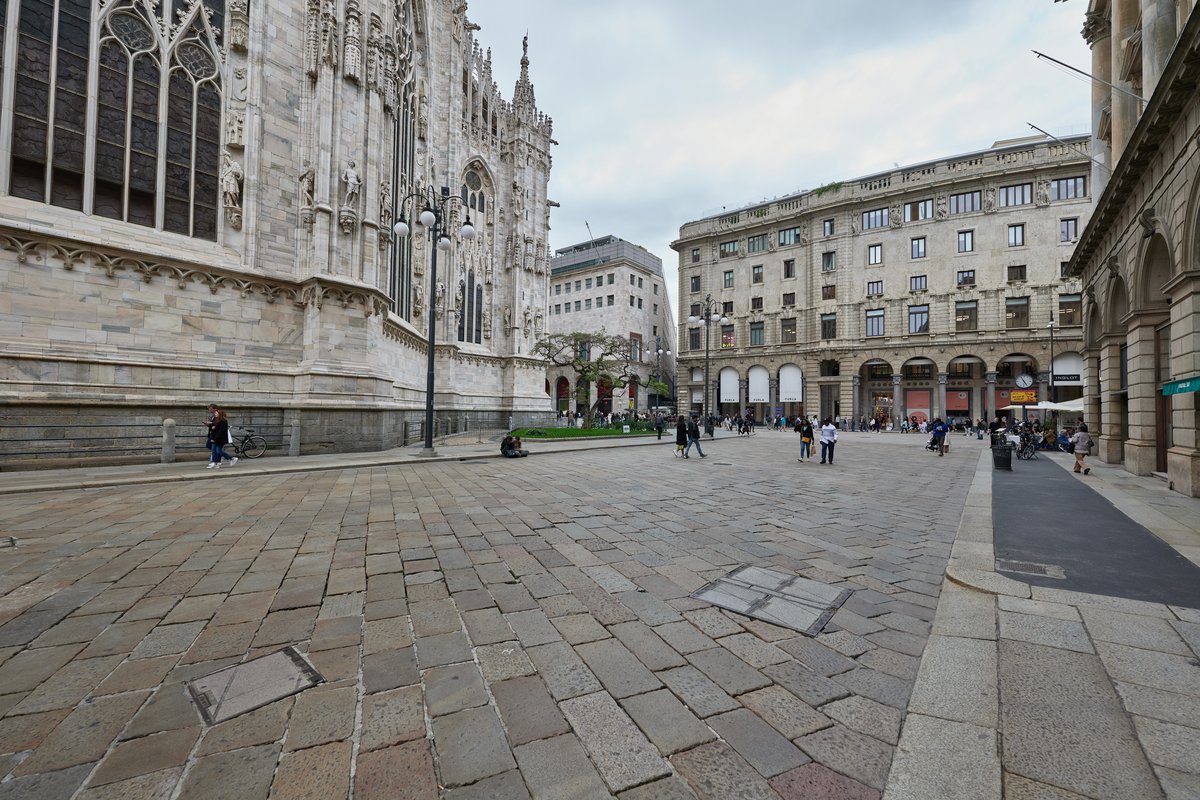
The district’s proximity to Sforza Castle, La Scala Opera House, and the Duomo di Milano makes it an essential part of any visit to Milan (Civitatis).
Practical Visitor Tips
- Booking: Reserve tickets in advance, particularly for the Schiaparelli Dome and guided tours.
- Arrival: Arrive on time; latecomers may be denied entry.
- Duration: Allocate 1.5–2 hours for a full visit.
- Language: Italian and English tours/signage; check for available language options.
- Photography: Allowed in most areas (no flash or tripods).
- Accessibility: Contact staff in advance regarding mobility needs.
- Dress Comfortably: The Brera district is pedestrian-friendly but has cobblestone streets.
- Combine Attractions: Plan to visit nearby museums and enjoy local dining for a full-day experience.
Frequently Asked Questions (FAQ)
Q: What are the visiting hours?
A: Instrument Gallery: Tuesday & Thursday 13:30–17:30, Sunday 10:00–18:00; Schiaparelli’s Dome: Sunday 10:00–18:00. Always check the official website for updates.
Q: How much do tickets cost?
A: Instrument Gallery: €6 full, €3 reduced; Schiaparelli’s Dome: €12 full, €10 reduced. Free categories apply.
Q: Is the observatory accessible?
A: There is no elevator; contact staff in advance if you have mobility needs.
Q: Are guided tours available?
A: Yes, in Italian and English. Schiaparelli’s Dome visits are in small groups.
Q: Can I take photos?
A: Yes, but avoid flash and tripods.
Q: Are observation nights held for the public?
A: Yes, check the Brera INAF website for upcoming events and registration.
Contact & Further Information
- Address: Via Brera 28, 20121 Milano, Italy
- Phone: +39 0272320300
- Email: [email protected]
- Official Website: Museo Astronomico di Brera
Summary & Recommendations
The Brera Astronomical Observatory offers a rare convergence of scientific discovery, cultural heritage, and architectural beauty in Milan’s most historic district. From the legacy of Boscovich and Schiaparelli to its present-day role as a hub for research and public engagement, the observatory is a must-see for travelers, families, and science enthusiasts. For the smoothest experience, book tickets in advance, check for accessibility if needed, and take time to explore Brera’s artistic and culinary offerings. Stay informed via the observatory’s website and social channels, and consider downloading the Audiala app for a personalized Milan travel experience.
Listen to the full story in the app
Your Personal Curator, in Your Pocket.
Audio guides for 1,100+ cities across 96 countries. History, stories, and local insight — offline ready.
Audiala App
Available on iOS & Android
Join 50k+ Curators
Sources
- verified
- verified
- verified
- verified
- verified
- verified
- verified
- verified
Last reviewed: