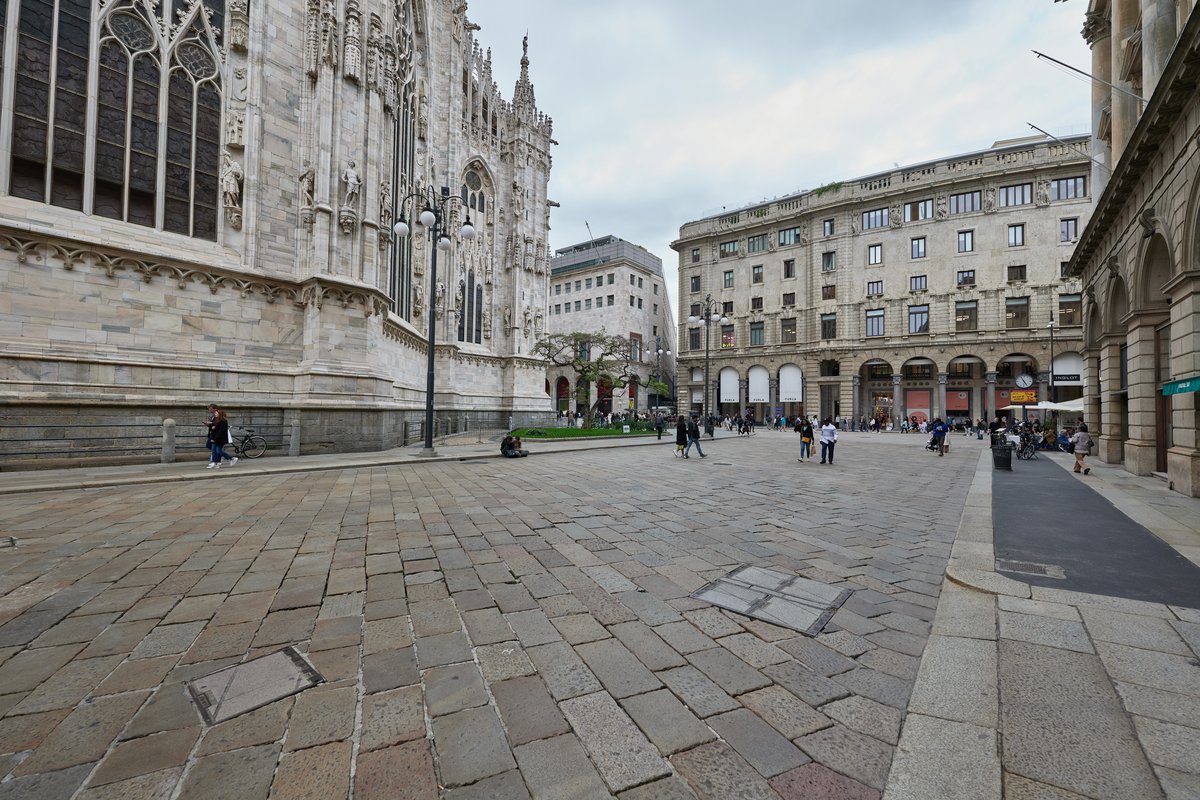
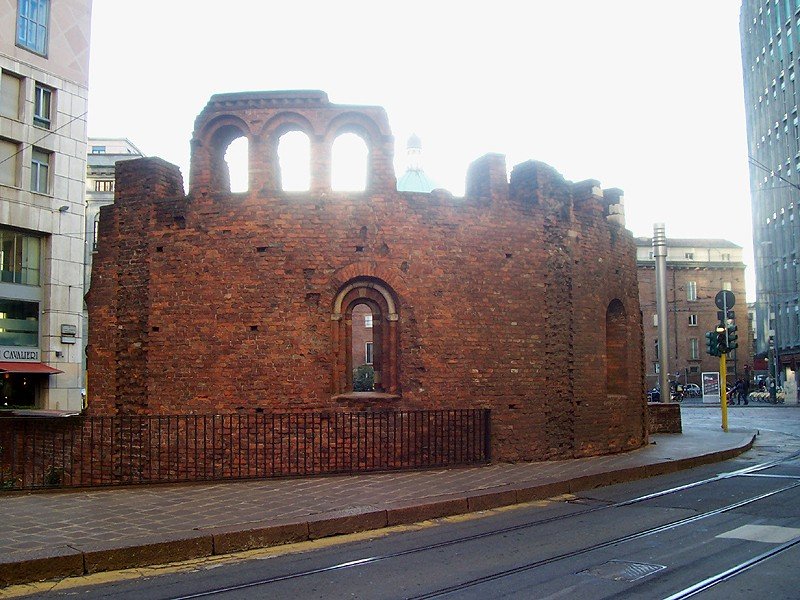
Introduction: Why Visit the Archivio di Stato di Milano?
Housed in the magnificent Baroque Palazzo del Senato in central Milan, the Archivio di Stato di Milano is much more than an archival repository—it is a vibrant cultural institution safeguarding over 1,300 years of Milanese and Italian history. Founded by Empress Maria Theresa of Austria in the late 18th century, the archive traces the political, social, and cultural evolution of Milan and the Lombardy region. Today, it stands as an essential destination for historians, genealogists, students, and travelers seeking to immerse themselves in Milan’s rich documentary legacy. (Archivio di Stato di Milano Official Site; Sistema Archivistico Nazionale (SAN); Antenati Portal)
Origins and Early Growth
The Archivio di Stato di Milano was established in 1781, following a decree by Empress Maria Theresa of Austria that centralized Milan’s state archives. Initially located in the former Jesuit convent of San Fedele, the archive unified documents from ecclesiastical and governmental institutions, mirroring Enlightenment-era reforms. (cultura.gov.it)
Transition to Palazzo del Senato
As collections expanded in the 19th century, the archive moved to the Palazzo del Senato—an architectural jewel commissioned in 1608. This transition, overseen by directors Luigi Osio and Cesare Cantù, marked the institution’s maturation and provided the space needed to preserve its growing holdings. The palazzo itself is a testament to Milan’s Baroque heritage and urban history. (lombardiarchivi.servizirl.it)
Modernization and Expansion
Today, the archive houses approximately 50 kilometers of documents, including rare parchments, maps, and records from 721 CE to the present. Notable recent acquisitions include materials from the P2 Masonic Lodge, Gladio organization, and terrorism trials, reflecting the archive’s ongoing relevance in contemporary history. Ongoing renovations and digitalization projects ensure both preservation and public engagement.
Collections and Archival Highlights
The Archivio di Stato di Milano’s holdings reflect the city’s multifaceted past. Key collections include:
- Medieval and Diplomatic Documents: Such as the Cartola de accepto mundio (721 CE), Italy’s oldest preserved parchment.
- Renaissance Correspondence: Carteggio Visconteo Sforzesco and Registri Ducali reveal the courtly and political life of Milan under the Visconti and Sforza dynasties.
- Notarial and Legal Archives: Over 64,000 notarial units, crucial for genealogical and legal research.
- Cadastral and Cartographic Collections: The Catasto Teresiano (18th century) and Miscellanea Mappe e Disegni document Milan’s urban and rural evolution.
- Special Holdings: Illuminated manuscripts, a 6th-century Ravenna papyrus, autographs by Napoleon Bonaparte, and a blood-written letter by Silvio Pellico.
- Modern and Contemporary Fonds: Including documents on Milan’s 20th-century history, terrorism, and institutional reforms. (lombardiarchivi.servizirl.it)
Visiting the Archivio di Stato di Milano: Hours, Tickets & Accessibility
Location
- Address: Via Senato 10, 20121 Milan
- Transport: Easily accessible by metro (Line 1—Duomo/Cairoli), tram, and bus. Walking distance from the Duomo and the Brera district.
Opening Hours
- Monday to Friday: 8:30 AM – 1:00 PM (some sources report 9:00 AM – 5:00 PM; verify on the official website)
- Closed on weekends and public holidays
- Hours may vary for special events or renovations; always confirm before visiting.
Admission
- Free entry to reading rooms and most exhibitions.
- Special events and group tours may require advance booking or registration.
Accessibility
- The facility is wheelchair accessible and offers support services for visitors with disabilities.
Facilities
- Media library, restoration laboratory, and coworking spaces.
- Visitor amenities include a newly added restaurant and comfortable reading/study areas. (milano.repubblica.it)
Guided Tours, Events, and Educational Activities
The archive regularly offers:
- Guided tours of its historic spaces and collections (advance booking recommended, especially for groups).
- Workshops and educational programs in archival science, paleography, and diplomatics.
- Temporary exhibitions showcasing rare documents and thematic displays.
- Biennial archival school for advanced studies.
Check the events calendar on the official website for up-to-date information.
Preservation and Modernization
Despite losses during World War II, the archive is committed to ongoing conservation, restoration, and digitization. Recent public-private partnership models and government support are ensuring its long-term sustainability and relevance, with initiatives to open up the archive as a broader cultural hub. (Corriere della Sera; ANSA)
Nearby Attractions and Travel Tips
Nearby Milanese Landmarks
- Duomo di Milano
- Sforza Castle
- Brera district
- Galleria d’Arte Moderna
- Bagatti Valsecchi Museum
Visitor Tips
- Bring photo ID for registration.
- Photography is often restricted; always check at the entrance.
- For research or document consultation, prepare using online catalogues and consider contacting staff in advance.
- Visit early for a quieter experience, especially during busy periods like Milan Fashion Week or Salone del Mobile.
- The archive is surrounded by cafes and restaurants, offering spots to relax between visits to cultural sites.
Frequently Asked Questions (FAQ)
Q: What are the opening hours?
A: Typically Monday to Friday, 8:30 AM – 1:00 PM; some services may extend to 5:00 PM. Confirm on the official website.
Q: Is there an entrance fee?
A: No, entry to reading rooms and exhibitions is free. Special events may require registration.
Q: Are guided tours available?
A: Yes, regularly offered; booking is recommended for groups.
Q: Is the archive accessible to people with disabilities?
A: Yes, the building is fully accessible.
Q: Can I access archives online?
A: Yes, through the SAN, SIAS, and Antenati Portal.
Q: What documents are best for genealogical research?
A: Civil status (1866–1946) and military conscription records (1840–1948) are fully digitized and accessible online.
Listen to the full story in the app
Your Personal Curator, in Your Pocket.
Audio guides for 1,100+ cities across 96 countries. History, stories, and local insight — offline ready.
Audiala App
Available on iOS & Android
Join 50k+ Curators
Sources
- verified
- verified
- verified
- verified
- verified
- verified
- verified
- verified
Last reviewed: