Celtic & Roman Mediolanum
castle
c. 400 BCE
Insubrian Settlement Takes Root
Celtic Insubres established a thriving settlement they called Mediolanum near what is now the Duomo. The name, meaning “middle plain,” already hinted at its future role as a crossroads. By the time the Romans arrived, it was already an important political and commercial center for the Gauls of northern Italy.
swords
222 BCE
Rome Conquers Mediolanum
Roman legions defeated the Insubres and took control of the city. Within decades Milan became a Roman colony, then a municipium under Caesar. Its strategic position on the road between Rome and the Alpine passes made it indispensable to the empire.
castle
286 CE
Milan Becomes Imperial Capital
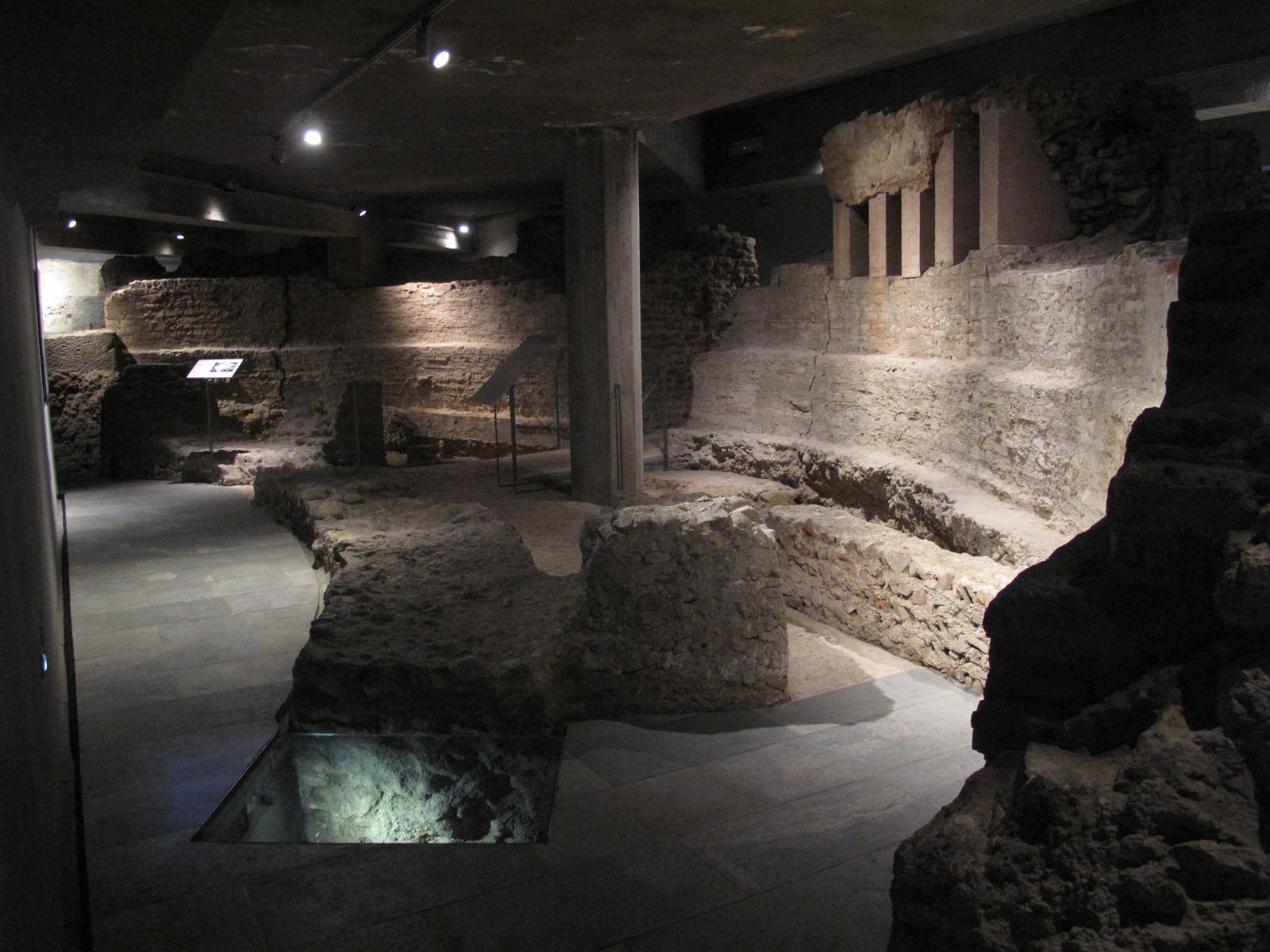
Emperor Maximian chose Milan as one of the two capitals of the Roman Empire. Palaces, a circus, baths, and massive new walls rose quickly. For a time the city outshone Rome itself in political importance.
church
313 CE
Edict of Milan
Constantine and Licinius issued the proclamation that legalized Christianity throughout the empire. The edict was signed in Milan, transforming the city into one of the cradles of Christian Europe.
person
374 CE
Ambrose Elected Bishop
The people of Milan unexpectedly chose the unbaptized provincial governor Ambrose as their bishop. He became one of the most powerful figures in the late empire, shaping both church and state while defending the city against imperial interference.
Lombard & Medieval Milan
swords
569 CE
Lombards Seize Milan
The Germanic Lombards entered Milan after a long siege. They made it one of their capitals, giving the region its enduring name, Lombardy. The city’s Roman monuments suffered but its strategic importance endured.
swords
1162
Barbarossa Destroys Milan
After a nine-month siege, Frederick Barbarossa razed the city’s walls and major buildings. The humiliation was total. Yet within five years the Milanese had rebuilt and formed the Lombard League that would defeat the emperor at Legnano.
Visconti & Sforza Renaissance
gavel
1277
Visconti Seize Power
The Visconti family defeated their rivals, the della Torre, and began nearly two centuries of dynastic rule. Under them Milan transformed from quarrelsome commune into a powerful regional state.
church
1386
Construction of the Duomo Begins
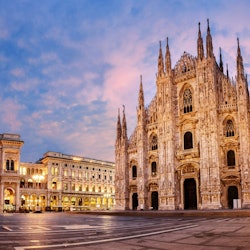
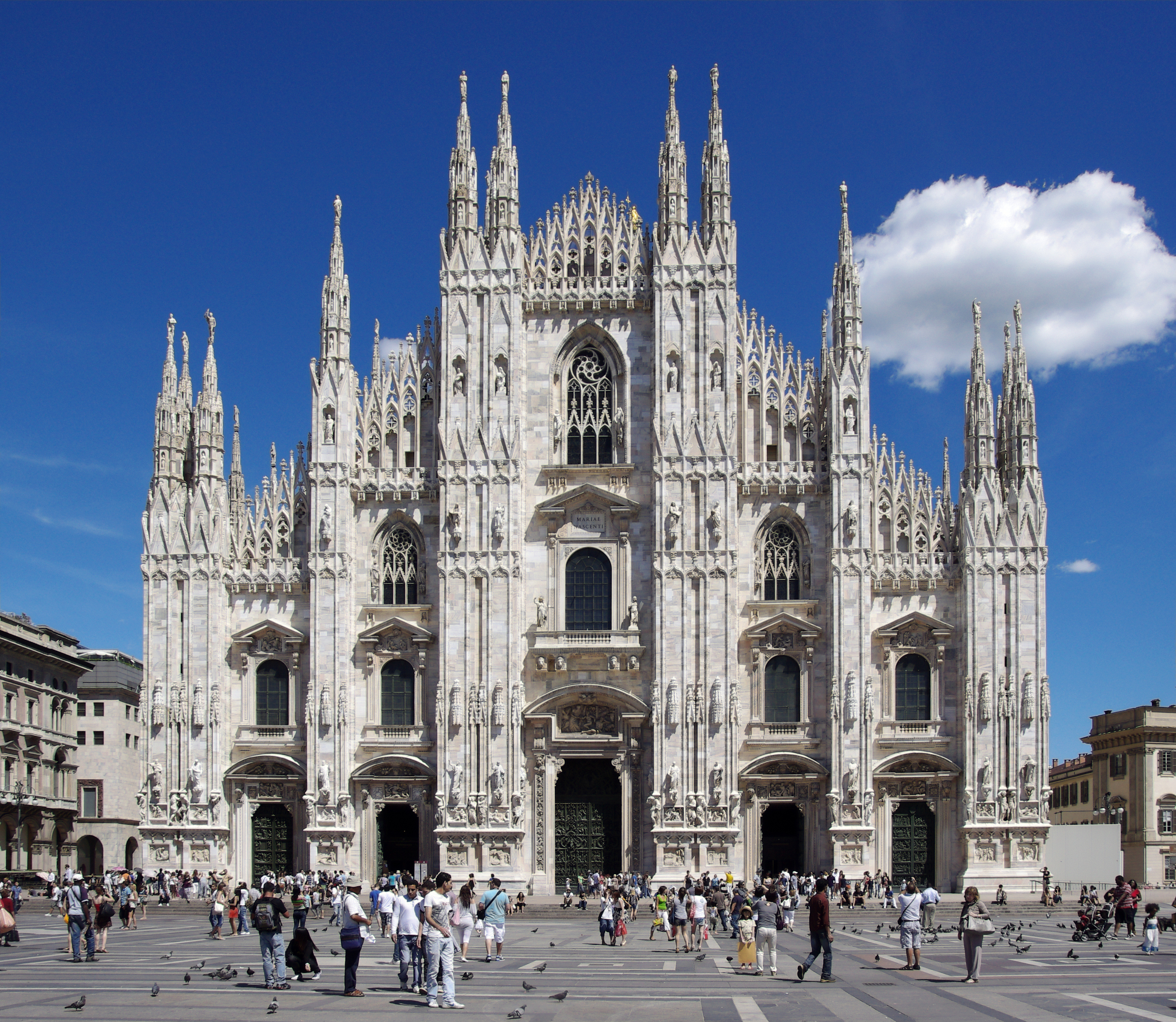
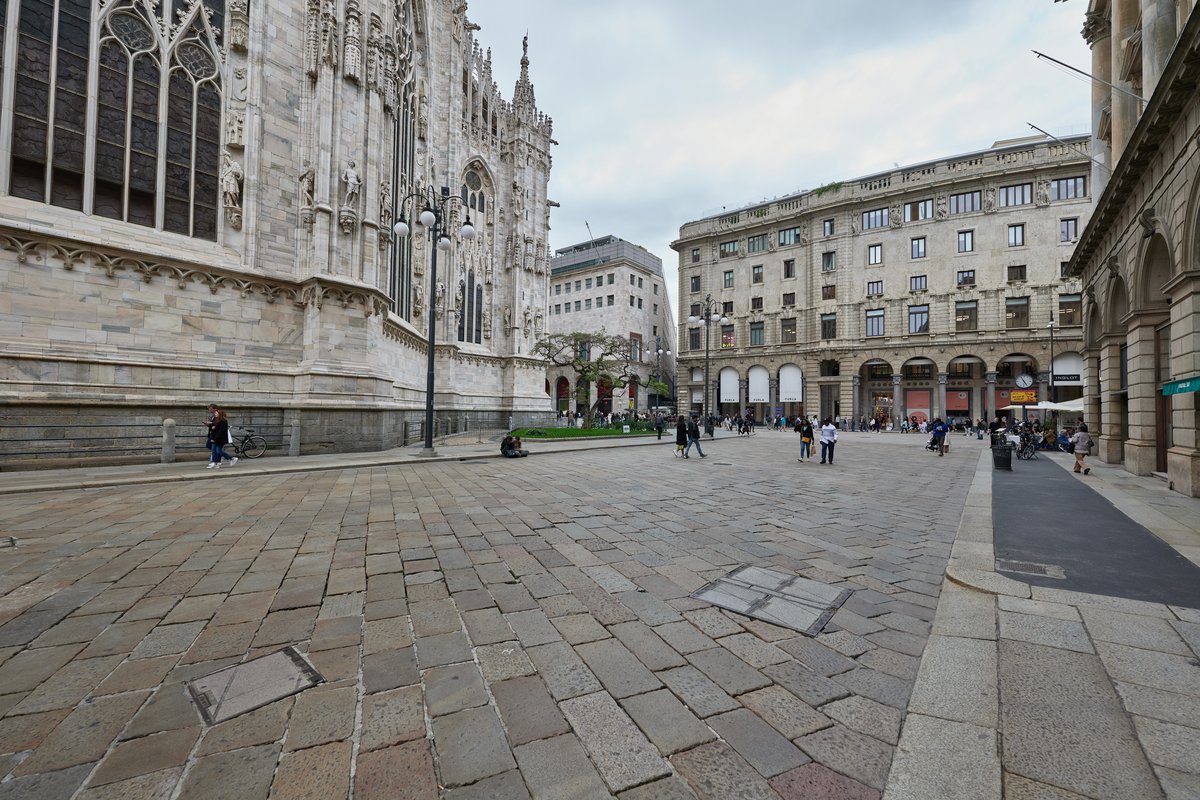
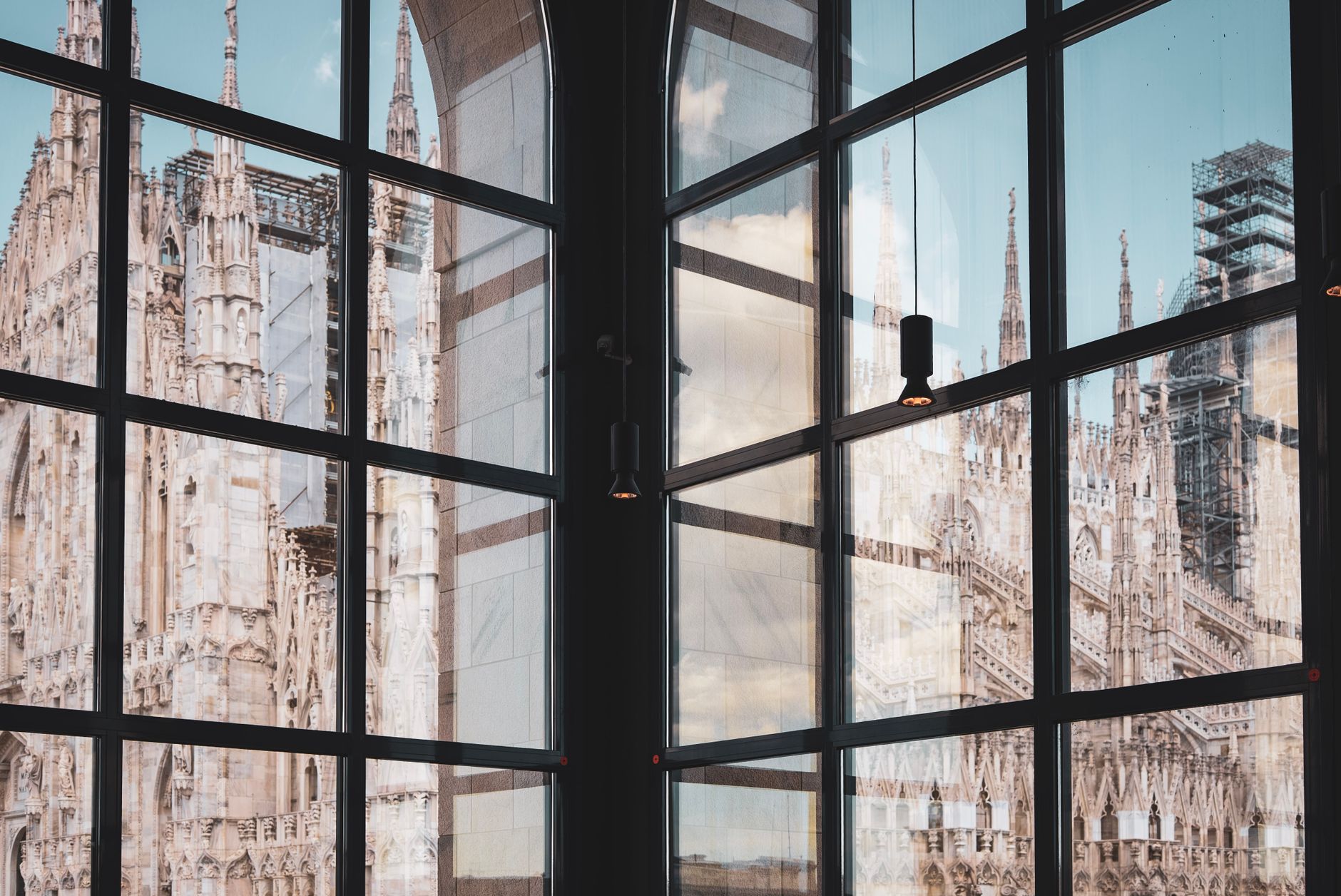
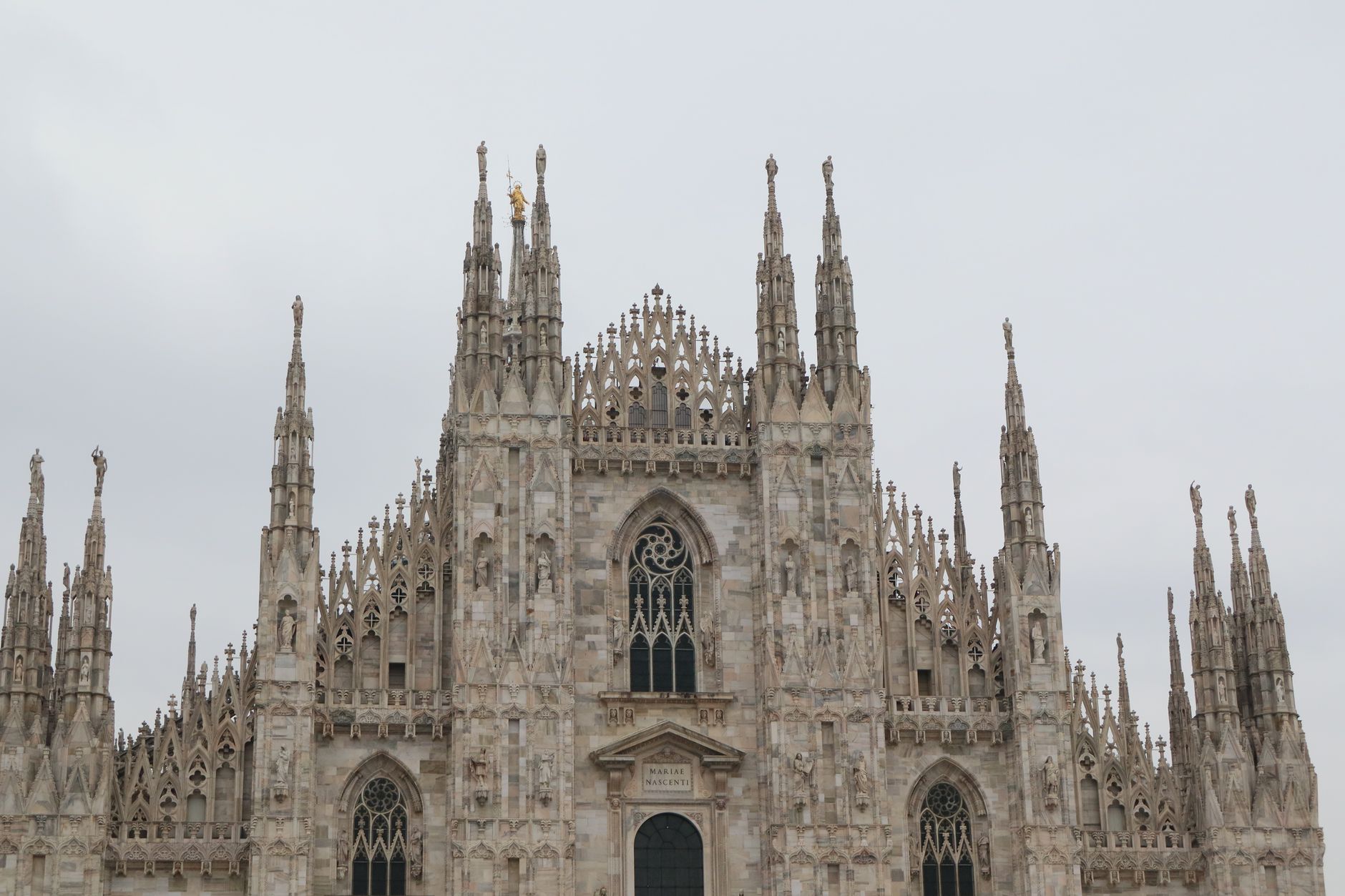
Gian Galeazzo Visconti laid the foundation stone for the colossal marble cathedral that would take nearly six centuries to complete. The Duomo became both a statement of ducal power and the enduring symbol of the city.
gavel
1395
Milan Elevated to Duchy
Gian Galeazzo Visconti received the ducal title from the Holy Roman Emperor. Milan officially became a duchy and began its transformation into one of Europe’s most sophisticated Renaissance courts.
gavel
1450
Francesco Sforza Takes Milan
The condottiero Francesco Sforza entered the city after the short-lived Ambrosian Republic collapsed. He founded a new dynasty that would preside over Milan’s artistic golden age.
palette
1452
Leonardo Arrives in Milan
A 30-year-old Leonardo da Vinci entered the service of Ludovico Sforza. Over the next two decades he painted The Last Supper, designed canals, machines of war, and pageants, and filled notebooks with observations that still astonish today.
palette
1495–1497
The Last Supper Painted
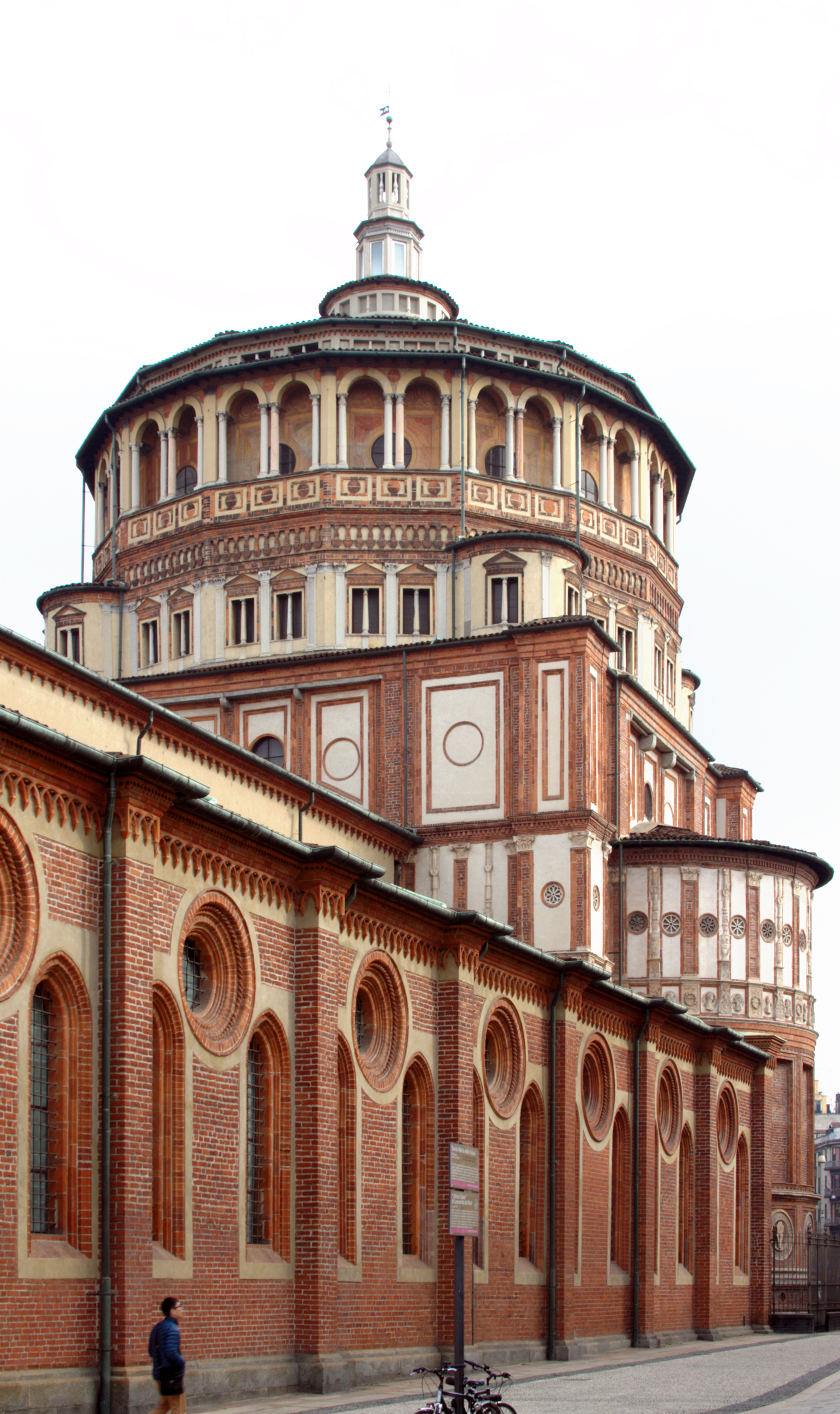
In the refectory of Santa Maria delle Grazie, Leonardo completed his revolutionary mural. Using experimental techniques that would soon deteriorate, he captured a moment of dramatic tension around a simple meal. The work has drawn pilgrims ever since.
Spanish Habsburg Rule
local_fire_department
1576–1577
Plague of Saint Charles
A devastating outbreak killed tens of thousands. Archbishop Carlo Borromeo walked the streets barefoot, tending the sick and organizing relief. His courage during the crisis cemented his status as the city’s beloved patron saint.
local_fire_department
1630
The Great Plague
The worst plague in Milanese memory killed nearly half the city’s population. Manzoni would later immortalize the horror in I Promessi Sposi. The dead were piled in the streets; the smell of vinegar and smoke lingered for years.
Austrian & Napoleonic Milan
music_note
1778
La Scala Opens Its Doors
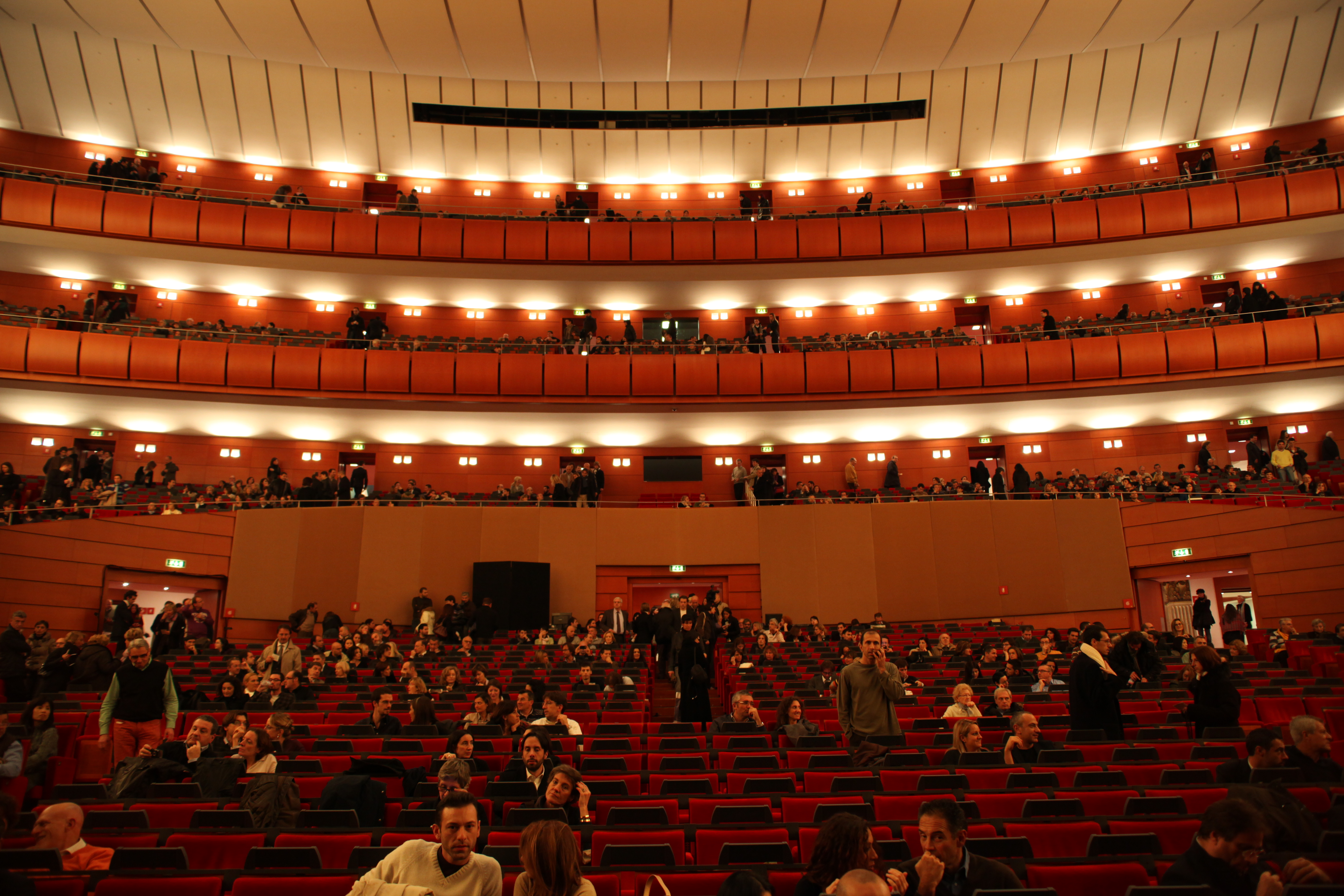
On the site of a burned-down church, the new Teatro alla Scala opened under Austrian patronage. It quickly became Europe’s most prestigious opera house and the beating heart of Milanese social and cultural life.
swords
1796
Napoleon Enters Milan
French revolutionary troops under Napoleon were welcomed as liberators by many Milanese. The city became capital of the Cisalpine Republic and briefly tasted the ideals of liberty, though the honeymoon would not last.
Risorgimento & Unification
swords
1848
The Five Days of Milan
For five days in March, Milanese citizens fought Austrian troops in the streets using barricades, stones, and sheer courage. They temporarily drove the occupiers from the city, proving that even a great empire could be challenged by popular revolt.
castle
1865–1877
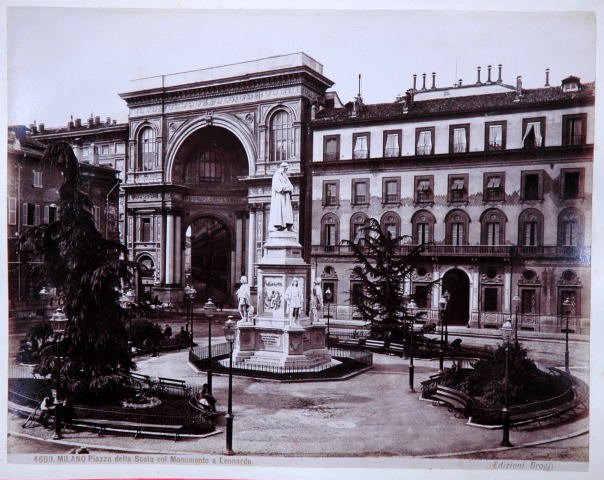
Galleria Vittorio Emanuele II Rises
The monumental glass-covered arcade linking the Duomo to La Scala was completed. Its elegant cruciform design and soaring octagonal dome became the fashionable heart of the new Italian kingdom’s most dynamic city.
person
1895
Manzoni’s Legacy Endures
Alessandro Manzoni, who had died in 1873, continued to shape Milan’s self-image through his novel I Promessi Sposi. His house on Via Morone remained a shrine for Italian literary pilgrims, and his vivid depiction of the 1630 plague became required reading for every Milanese schoolchild.
Fascist & Wartime Milan
gavel
1922
Fascism Takes Root in Milan
Benito Mussolini founded the Fasci di Combattimento in Milan in 1919. By 1922 Blackshirts had occupied the town hall, ending local democracy. The city that had resisted emperors now helped birth a modern dictatorship.
local_fire_department
1943
Allied Bombs Rain Down
In August 1943, RAF and USAAF raids devastated large parts of the city, including Santa Maria delle Grazie. The Last Supper miraculously survived behind sandbags and scaffolding. Milan paid a heavy price for its industrial importance.
swords
1945
Liberation of Milan
On 25 April 1945, the insurrection against Nazi and Fascist forces began. Milan liberated itself before Allied troops arrived. The date became Italy’s national Liberation Day, and the city earned its Gold Medal for Military Valor.
Economic Miracle & Design Capital
palette
1958
Birth of Italian Fashion Week
Milan began its transformation into the world’s fashion capital. The city’s designers, tailors, and industrialists turned postwar rubble into catwalks and showrooms that would define global style for decades.
factory
1961
Salone del Mobile Launches
The first Salone del Mobile opened, quickly becoming the most important design fair on earth. Milan cemented its reputation as the place where the future of how we live is imagined and manufactured.
Contemporary Global Milan
public
2015
Expo Milano Transforms the City
Twenty-two million visitors came for Expo 2015 under the theme “Feeding the Planet, Energy for Life.” The event accelerated the regeneration of abandoned industrial areas and confirmed Milan’s return to the global stage.
flight
2026
Milan Hosts the Winter Olympics
Together with Cortina, Milan opened the 2026 Winter Olympic Games at San Siro. A city once defined by heavy industry and political tension now welcomed the world with contemporary architecture, aperitivo culture, and quiet pride in its extraordinary resilience.