Plan and listen to Porta Grazia with Audiala.
Audio guide in your pocket, itinerary in your browser. Built for the way you actually visit.
Introduction
Porta Grazia is one of Messina’s most emblematic historical monuments, showcasing the city’s Baroque architectural legacy and its resilience amidst centuries of upheaval. Originally built as the grand entrance to the Real Cittadella fortress, Porta Grazia stands today as a testament to Messina’s strategic importance in the Mediterranean and its layered history under Spanish rule. This guide offers a comprehensive overview of Porta Grazia’s origins, architectural features, cultural significance, visitor information, accessibility, practical tips, and nearby attractions—an essential resource for travelers and history enthusiasts alike.
For authoritative information and further reading, consult sources including Visit Sicily, Comune di Messina, and Traveling Italian.

Origins and Historical Context
Porta Grazia was commissioned in 1680 by Spanish viceroy Don Francesco Benavides as the principal gateway to the Real Cittadella, a star-shaped fortress designed to defend Messina and control access to its vital port (Comune di Messina). Its construction reflected the Spanish Empire’s military ambitions during a period of political turbulence and urban transformation in Sicily. The Cittadella itself was inaugurated in 1686, following the forced removal of thousands of residents to make way for this cutting-edge fortification (VisitMe Comune di Messina).
Architectural Design and Features
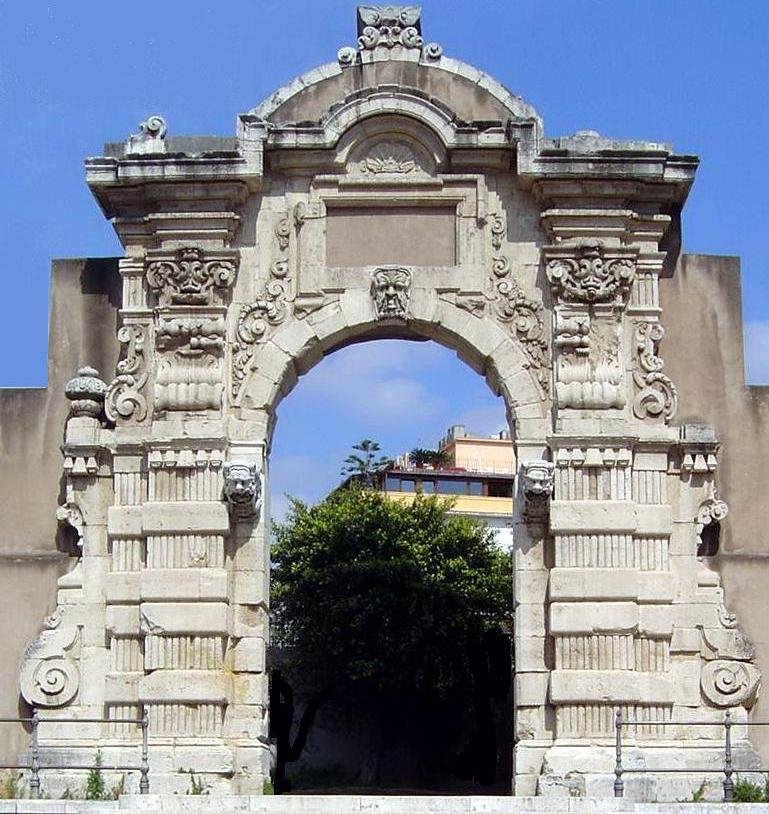
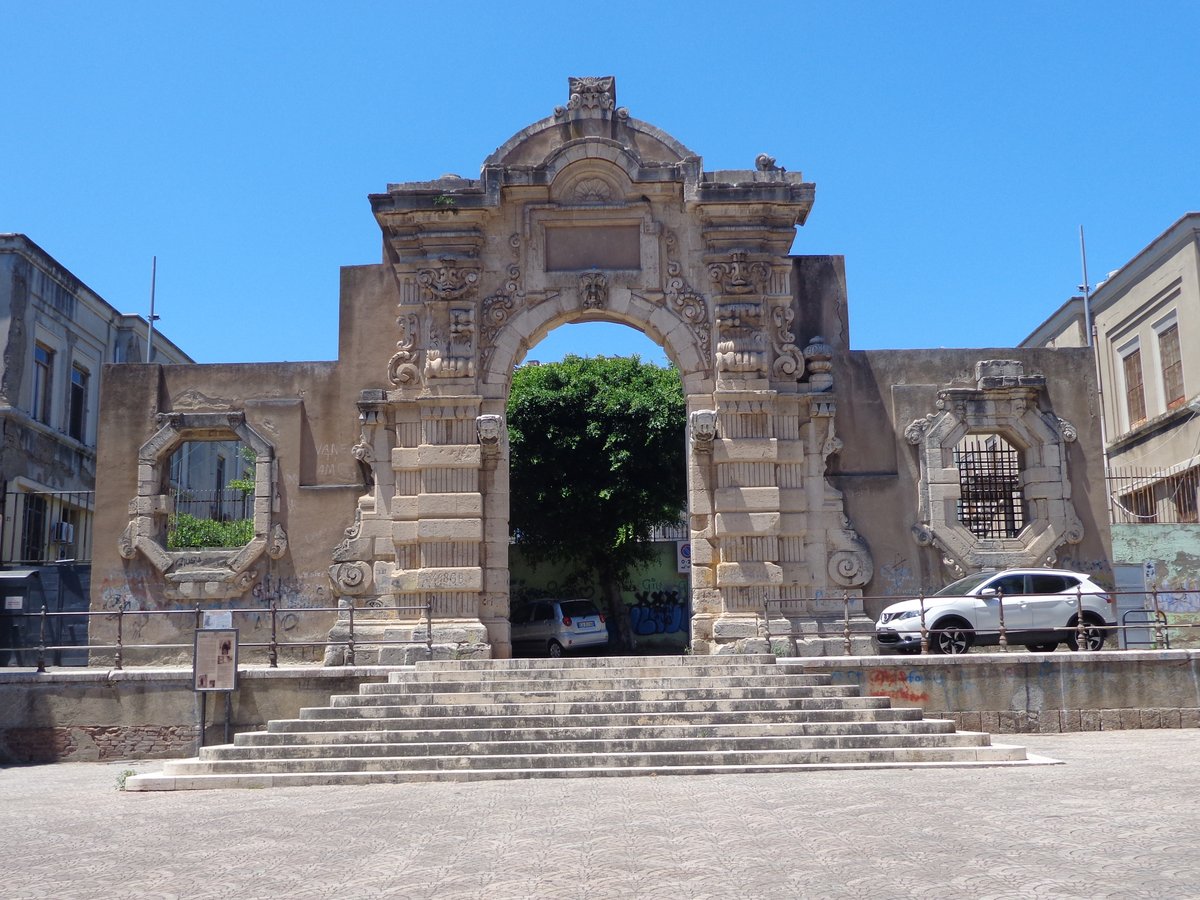
Porta Grazia is an outstanding example of late Baroque civic architecture, attributed to architects such as Antonio Amato and later the celebrated stone carvers (lapidarum incisores messanenses) Biundo, Amato, and Viola (visitme.comune.messina.it). The structure combines robust limestone masonry with intricate marble ornamentation.
Key Features:
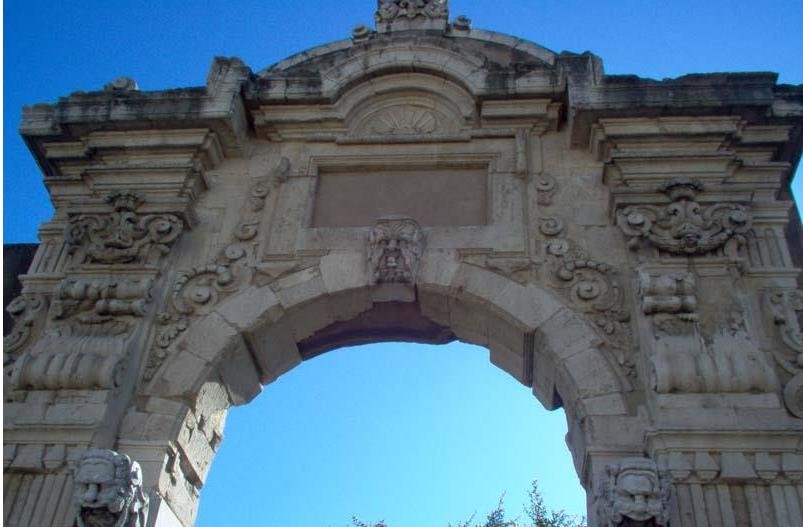
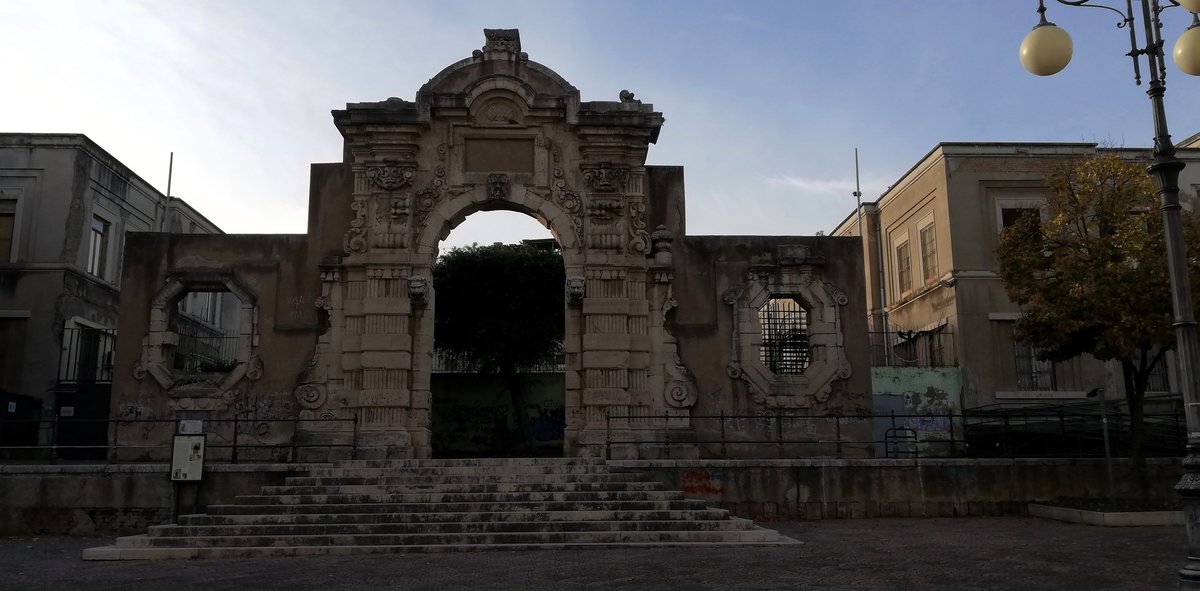
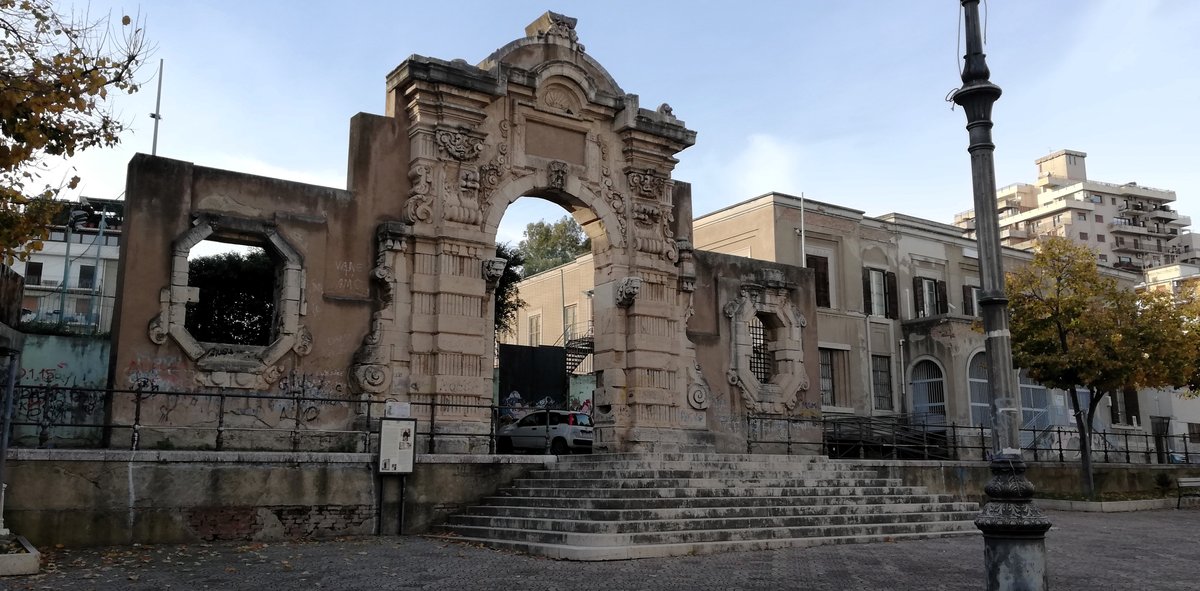
- Central Archway: The dominant, full-centered round arch is flanked by massive pillars with both smooth and rusticated stone blocks.
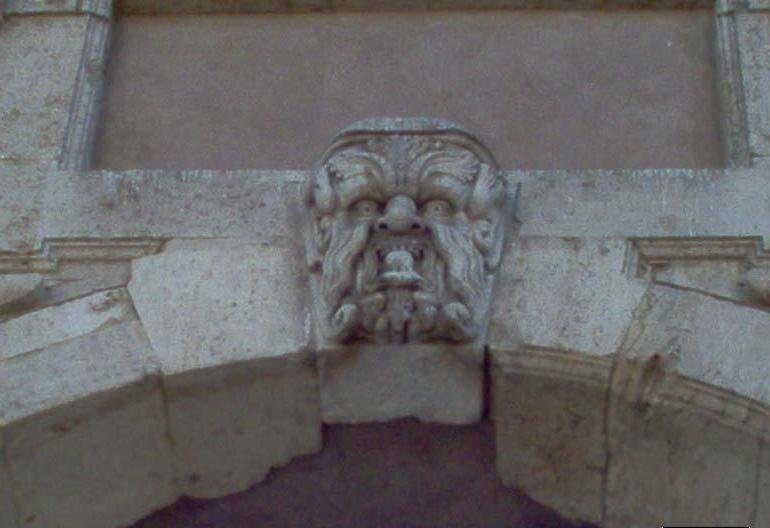
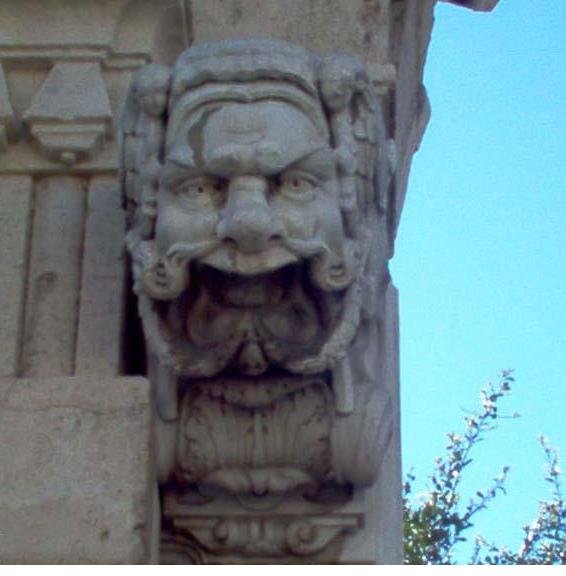
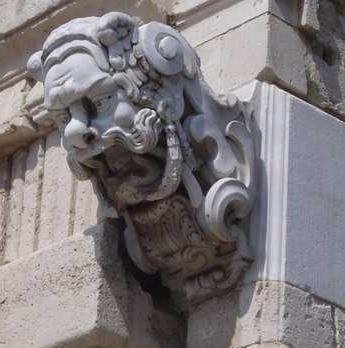
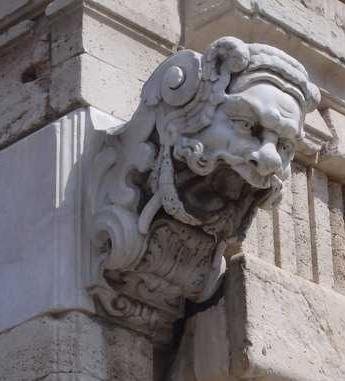
- Marble Mascheroni (Grotesque Masks): These expressive masks, placed in the arch’s keystone and on lateral corbels, served apotropaic (evil-averting) functions and reflect Baroque theatricality (Italy Magazine).
- Octagonal Windows: Rare in military architecture, these flanking windows enhanced both the gate’s appearance and interior illumination.
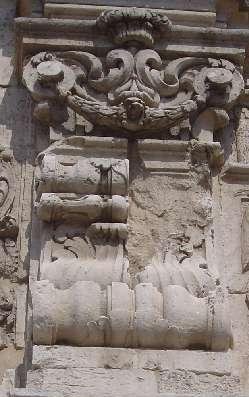
- Decorative Capitals and Pilasters: Rich garlands, festoons, and sculpted heads adorn the capitals, exemplifying the exuberance of Sicilian Baroque design.
- Inscription Panel: Once bearing a commemorative plaque (lost in the 1894 earthquake), signifying the gate’s foundational importance (Enjoy Sicilia).
Military Role and Urban Context
Porta Grazia was not merely ceremonial; it controlled access to the Real Cittadella and Messina’s port, standing as both a defensive barrier and a symbol of Spanish authority. Its placement at the city’s edge marked the threshold between the civic and military spheres, reflecting Messina’s role as a crossroads for Mediterranean trade and power politics (Messina Tourism).
Relocation and Conservation
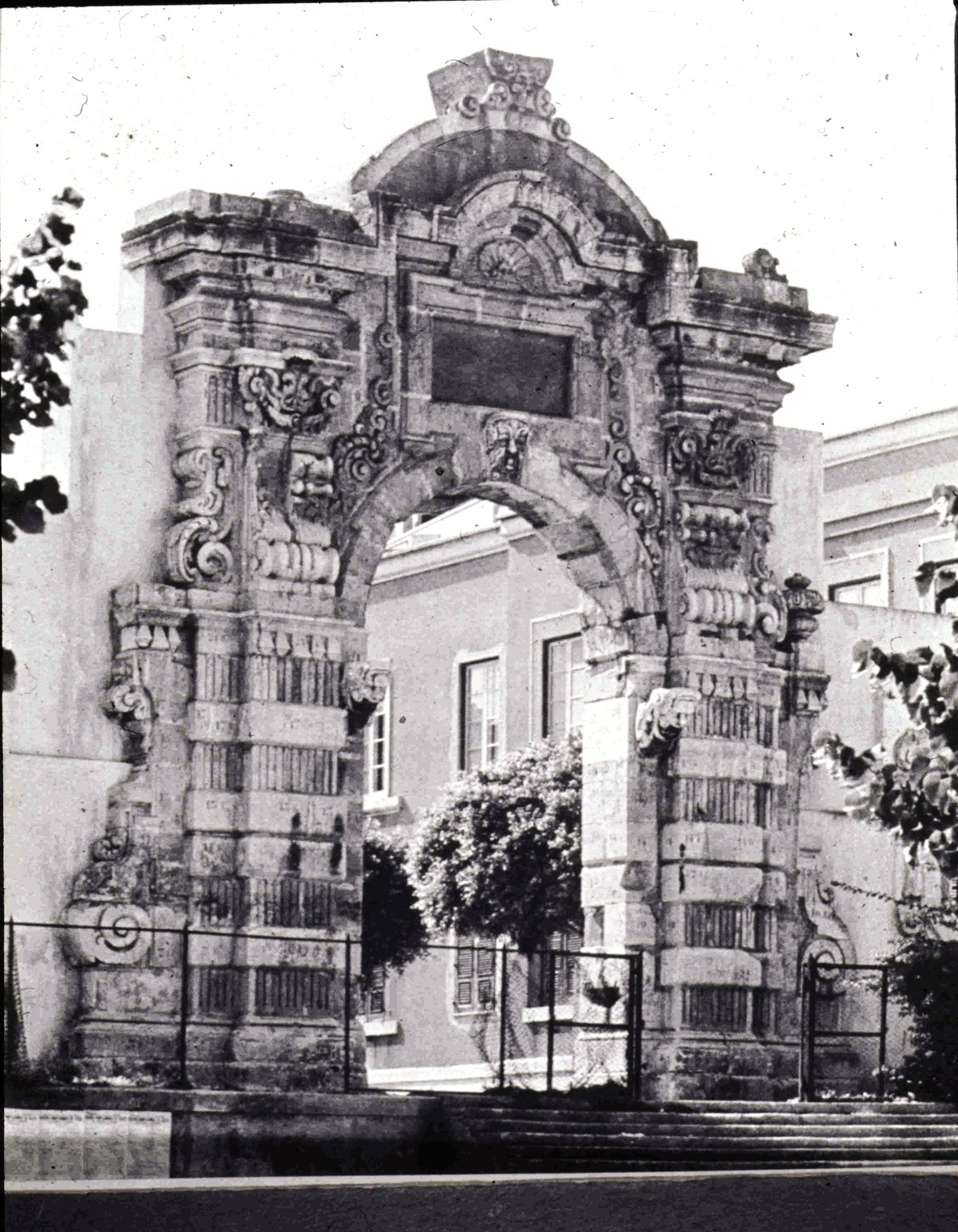
The 20th-century demolition of much of the Cittadella, due to urban development, threatened Porta Grazia’s survival. In 1932, the monument was carefully dismantled and later reassembled stone by stone in Piazza Antonello (some sources note Piazza Casa Pia), a central city location, preserving its architectural integrity (Enjoy Sicilia). Its relocation exemplifies early heritage conservation efforts in Italy.
Artistic and Symbolic Elements
Porta Grazia’s decorative program includes dynamic Baroque motifs such as snail-shell spirals (chiocciolette), garlands, and festoons. The Spanish royal coat of arms once crowned the pediment, a reminder of Messina’s centuries under Spanish rule. The gate’s name likely originates from the nearby Church of Santa Maria della Grazia (Baroque Sicily). Its survival through earthquakes, wars, and urban changes underscores Messina’s enduring spirit.
Current State and Restoration
Despite the devastation of Messina’s historic fabric from repeated earthquakes (notably in 1783, 1894, and 1908) and WWII bombings, Porta Grazia remains in excellent condition due to ongoing maintenance and restoration. Efforts focus on protecting its stonework from environmental damage and vandalism, ensuring its lasting presence as a touchstone of local identity (Sicilia in Rete).
Visiting Information
Hours and Tickets
- Open-Air Monument: Accessible year-round, generally during daylight hours (recommended 9:00 AM–7:00 PM).
- Admission: Free; no tickets or entry fees required.
Accessibility
- Mobility: Flat, paved surroundings make Porta Grazia accessible to visitors with mobility challenges.
- Location: Centrally located, within walking distance from the port, main train station, and major attractions (CruiseMapper).
Guided Tours and Events
- Tours: Included in many city walking tours; local tourist offices provide schedules.
- Events: The area regularly hosts cultural activities and festivals, especially during Messina’s August celebrations.
Travel Tips and Nearby Attractions
- Best Visiting Times: Late spring (April–May) and early autumn (September–October) offer pleasant weather and fewer crowds.
- Photography: Early morning and late afternoon provide optimal light for capturing the gate’s details.
- Transportation: Easily accessible on foot, by local buses, or taxi. Parking is available nearby; use apps like EasyPark for convenience (Traveling Italian).
- Nearby Sights:
- Messina Cathedral and Piazza del Duomo
- Fontana di Orione
- Palazzo Calapaj-d’Alcontres
- Regional Museum of Messina
- Local markets and cafés for Sicilian specialties
Practical Visitor Advice
- Language: Italian is predominant, but English is commonly spoken in tourist areas.
- Etiquette: Respect the monument (no climbing or graffiti); photography is welcome.
- Safety: Messina is generally safe—be mindful of belongings, especially during crowded festivals.
- Restrooms and Amenities: Cafés and shops nearby provide facilities for visitors.
Cultural Insights and Local Customs
Porta Grazia is integral to Messina’s vibrant cultural life. It serves as a backdrop for festivals like the Passeggiata di Giganti and the procession of the Vara, drawing locals and tourists together in celebration (Traveling Italian). The gate is also a favored meeting point and subject for artistic and photographic endeavors.
Frequently Asked Questions (FAQ)
Q: What are Porta Grazia’s visiting hours?
A: As an open-air monument, it is accessible at all times, though daylight hours are recommended.
Q: Is there an entrance fee?
A: No, visiting Porta Grazia is free.
Q: Is the site accessible for those with disabilities?
A: Yes, the monument and surrounding area are generally wheelchair accessible.
Q: Are guided tours available?
A: Yes, Porta Grazia is featured in local walking tours—check with the Messina tourist office for details.
Q: What else can I see nearby?
A: Major attractions like the Messina Cathedral, Regional Museum, and local markets are within walking distance.
Discover More
Porta Grazia is more than a relic; it is a living emblem of Messina’s resilience and artistic grandeur. Its central location, free access, and proximity to other historical gems make it an essential stop for any visitor to Messina. For a richer experience, consider joining a guided tour, attending local festivals, and exploring the city’s vibrant cultural landscape.
Stay updated and enhance your visit by downloading the Audiala app for guided audio tours, following Messina’s tourism channels, and exploring further resources about Sicily’s heritage.
Listen to the full story in the app
The whole Porta Grazia,
told well.
Audio guides for 1,100+ cities across 96 countries. History, stories, and local insight — offline ready.
Verified, and shown.
Researched and written by the Audiala editorial team from historical records, architectural archives, and local expertise.
Researched from Wikidata, Wikipedia & official sources · fact-checked · How we make our guides →


