Plan and listen to San Sebastiano with Audiala.
Audio guide in your pocket, itinerary in your browser. Built for the way you actually visit.
Introduction
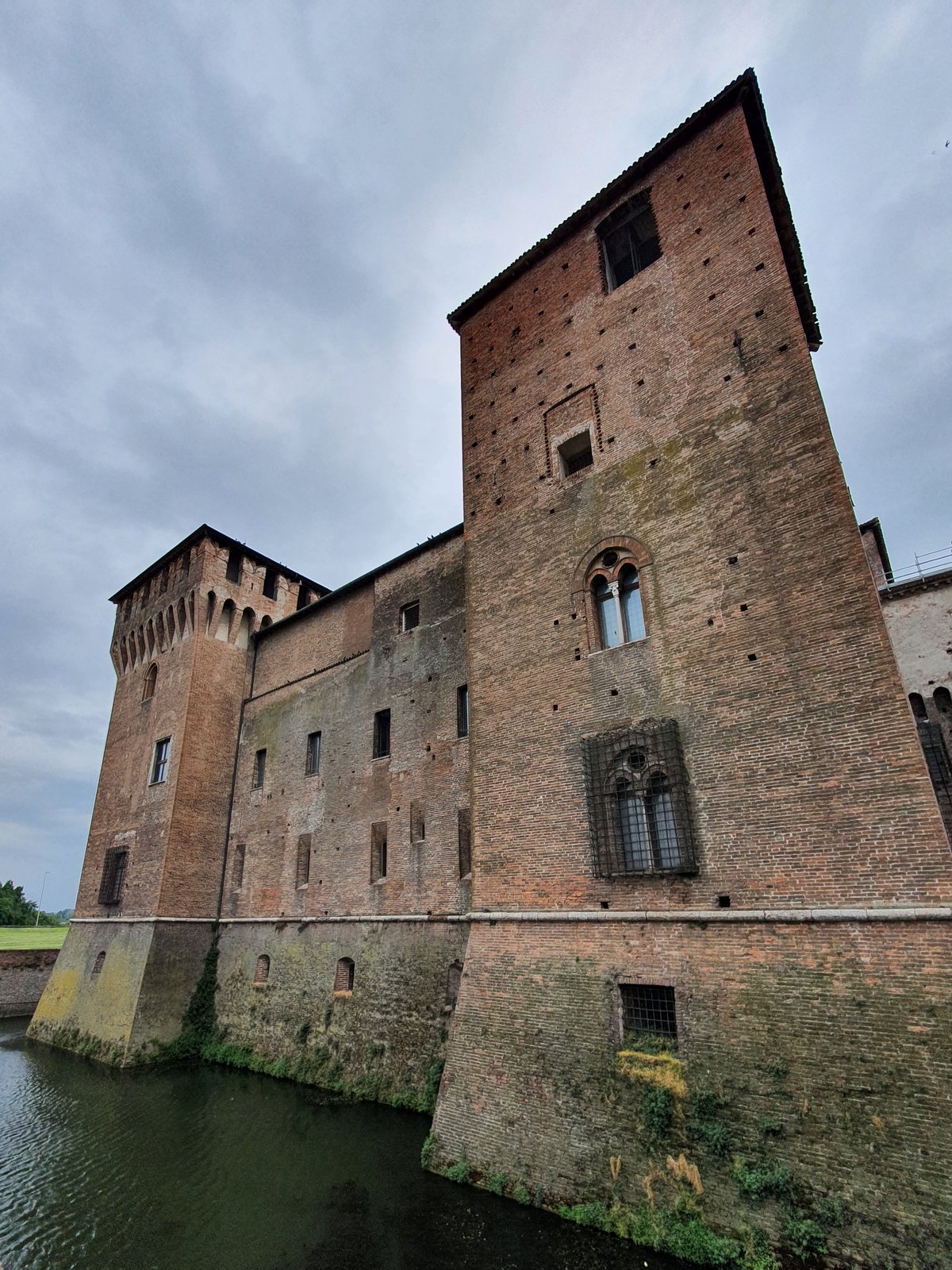
San Sebastiano in Mantua is a quintessential example of Italian Renaissance architecture and a living testament to Mantua’s rich cultural and historical legacy. Designed by Leon Battista Alberti in the 15th century for the influential Gonzaga family, the church not only embodies the ideals of humanism and classical revival but also stands as a symbol of the city’s resilience and artistic ambition. Today, San Sebastiano forms a central part of Mantua’s UNESCO World Heritage landscape, offering visitors a unique blend of architectural innovation, religious significance, and vibrant cultural experiences. This guide provides a comprehensive overview of San Sebastiano’s history, architectural highlights, practical visiting information, and tips to enhance your exploration of this Renaissance masterpiece (SGIRA; in-lombardia.it; Wikipedia).

Historical Background
Origins and Patronage
Commissioned in 1460 by Ludovico III Gonzaga, the Church of San Sebastiano was part of a major urban renewal in Mantua, reflecting the city’s ambition to project spiritual and civic grandeur. Inspired by the ideals of humanism and in response to Pope Pius II’s critique of Mantua’s lack of monumental buildings, Ludovico appointed Leon Battista Alberti—one of the Renaissance’s most influential thinkers and architects—to design the new church (SGIRA; Wikipedia). The church was dedicated to Saint Sebastian, a revered protector against plague, symbolizing hope and resilience for Mantua’s citizens (Geoarchitettura).
Construction Timeline and Key Figures
- 1460–1479: Alberti began the project, with Luca Fancelli overseeing construction until 1479. The church followed a pioneering Greek cross plan, rare in 15th-century Italy (SGIRA).
- 1488–1529: The Canonici Regolari di San Sebastiano completed the upper sections with some modifications. The church was consecrated in 1529, after nearly 70 years of development (Italyscapes).
- Later Developments: Restoration works in the 17th and 20th centuries altered some features, but much of Alberti’s original vision remains, particularly in the upper façade.
Architectural Features and Symbolism
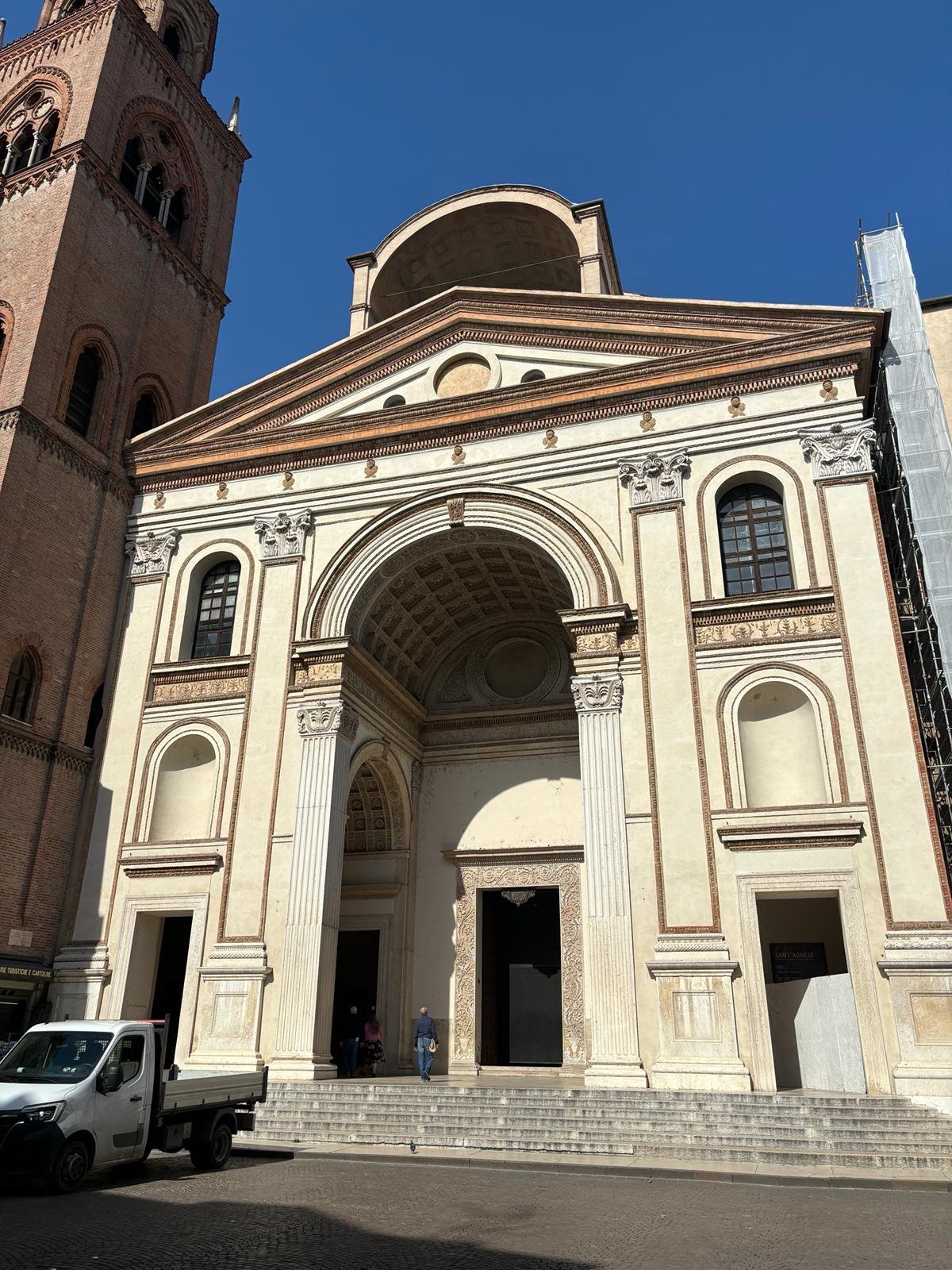
San Sebastiano is celebrated for its innovative Greek cross plan—a centralized layout with four equal arms—symbolizing divine harmony and perfection. Alberti’s design incorporates classical elements such as pilasters, pediments, and a monumental staircase that evoke the grandeur and symmetry of ancient Roman temples (SGIRA; in-lombardia.it).
The church features both an upper worship space and a crypt, intended as a mausoleum for the Gonzaga family. The crypt later became a memorial for Mantuan patriots and defenders, adding layers of civic and historical significance (Atlas Obscura).
Though the planned dome was never constructed, the church’s façade—particularly the upper level—continues to exemplify Alberti’s mastery of proportion and classical form (Italyscapes).
Cultural and Religious Significance
The Gonzaga Family and Civic Identity
San Sebastiano was a key project for the Gonzaga family, underlining their commitment to both spiritual welfare and the arts. By inviting Alberti, they not only asserted their status but also transformed Mantua into a model Renaissance city (italia.it). The church, together with other Gonzaga-sponsored landmarks, helped Mantua achieve UNESCO World Heritage status for its outstanding Renaissance heritage.
Liturgical and Community Role
Throughout its history, San Sebastiano has hosted religious ceremonies, processions, and community gatherings. Its centralized plan encouraged communal participation, while the acoustics and visual clarity enhanced the worship experience. The church’s dedication to Saint Sebastian reinforced its role as a sanctuary in times of plague and hardship (in-lombardia.it).
Influence on Renaissance Architecture
Alberti’s work at San Sebastiano influenced ecclesiastical architecture across Italy and Europe. The integration of classical motifs and geometric rigor became a reference for later architects, including in Alberti’s own Basilica di Sant’Andrea, also in Mantua (in-lombardia.it).
Artistic Heritage and Interior Decoration
While renowned for architectural purity, San Sebastiano’s interior also features Renaissance artworks depicting Saint Sebastian and other religious themes. These pieces, along with sculptural and decorative elements, reinforce the church’s role as a center for spiritual education and artistic excellence.
Visiting San Sebastiano in Mantua
Opening Hours
- Tuesday to Sunday: 9:00 AM – 6:00 PM
- Closed on Mondays and major holidays
- Last admission: 30–45 minutes before closing
Check the official MACA Museum website or Mantua Tourism for updates, as hours may change during holidays or special events.
Tickets and Admission
- General Admission: €5
- Reduced Admission (students, seniors): €3
- Children under 12: Free
- Combined tickets for Palazzo Te, Ducal Palace, and other sites are often available (The Geographical Cure).
Tickets can be purchased onsite or online through the cultural heritage portal.
Accessibility
San Sebastiano is wheelchair accessible, with ramps and accessible restrooms. The MACA Museum (in Palazzo San Sebastiano) is also fully accessible. Some areas of the crypt may be less accessible due to historic construction—please inquire in advance for assistance.
Guided Tours and Special Events
- Guided tours are available in Italian and English; booking in advance is recommended, especially for groups or during peak seasons (Lasma Plone).
- Special events such as concerts, exhibitions, and Saint Sebastian’s feast day (January 20) celebrations are held throughout the year.
- Virtual tours and interactive maps are available on the official website.
Visitor Experience and Site Navigation
- Restrooms: Located within the museum complex.
- Gift shop: Books, art prints, and local crafts.
- Cloakroom: Storage available for bags and coats.
- Informational signage: Multilingual descriptions throughout the site.
Practical Tips
- Best times to visit: Spring and autumn for pleasant weather; mornings on weekdays for fewer crowds (Wanderlog).
- Dress code: Modest attire is required; shoulders and knees should be covered.
- Photography: Non-flash photography is permitted; check for any restrictions on artwork.
- Families and groups: Child-friendly exhibits; strollers allowed; large groups should book in advance.
Nearby Attractions and Food
- Palazzo Te: Renowned for Mannerist frescoes and gardens (20-minute walk).
- Basilica di Sant’Andrea: Another Alberti masterpiece nearby.
- Ducal Palace: Vast art collections and historic rooms.
- Dining: Cafés and restaurants such as Bar Pasticceria Caravati and Ristorante Grifone Bianco are within walking distance (Lasma Plone).
Photography and Social Media
Capture the church’s harmonious façade and serene interior—morning light is ideal for exterior shots. Use hashtags like #Mantova and #SanSebastianoMantova to share your experience.
Frequently Asked Questions (FAQ)
Q: What are the opening hours?
A: Tuesday to Sunday, 9:00 AM to 6:00 PM. Closed Mondays and some holidays.
Q: How much are tickets?
A: Standard admission is €5; reduced rates for students/seniors; children under 12 free.
Q: Are guided tours available?
A: Yes, in Italian and English. Book in advance.
Q: Is the site accessible for wheelchairs or strollers?
A: Yes, with ramps and elevators.
Q: Can I combine my ticket with other museums?
A: Yes, combined tickets for Palazzo Te, Ducal Palace, and others are often offered.
Q: How do I reach San Sebastiano from the city center?
A: About a 15-minute walk from Piazza Sordello or the train station. Local buses and taxis are also available.
Listen to the full story in the app
The whole San Sebastiano,
told well.
Listen to sourced travel stories with local history and practical context — ready offline.
Verified, and shown.
Researched and written by the Audiala editorial team from historical records, architectural archives, and local expertise.
Built from cited sources · see the method · How we make our guides →